

SEATTLE—All but the first floors of most buildings in Pompeii were destroyed during the eruption of Mount Vesuvius, but vertical pipes leading to lost second stories suggest that there were toilets upstairs in some buildings. Scrapings from the insides of these pipes revealed fecal material and traces of intestinal parasites. “We have 23 [surviving] toilets that are connected, that are second-story preserved, that are connected to these downpipes,” said A. Kate Trusler of the University of Missouri at the annual meeting of the Archaeological Institute of America. Her survey of Pompeii’s plumbing found that 43 percent of homes had latrines on the ground floor. The second-story toilets were found in a heavily populated area where people probably lived above street-level shops.
Pompeii’s Plumbing
News January 14, 2013
Recommended Articles
Features July/August 2026
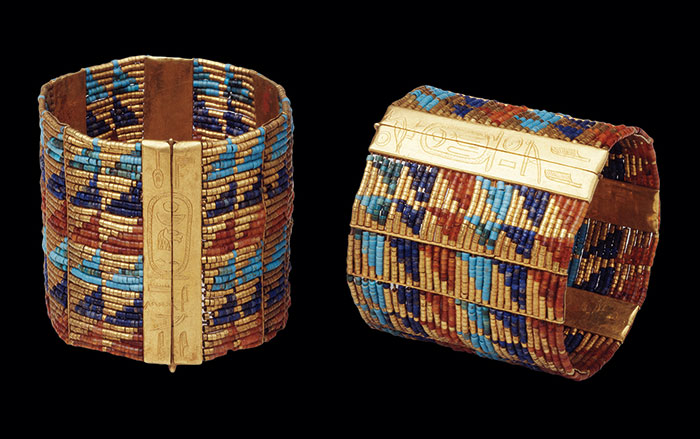
Egypt's First Queen
How a trailblazing ruler pulled her realm back from the brink
Features July/August 2026
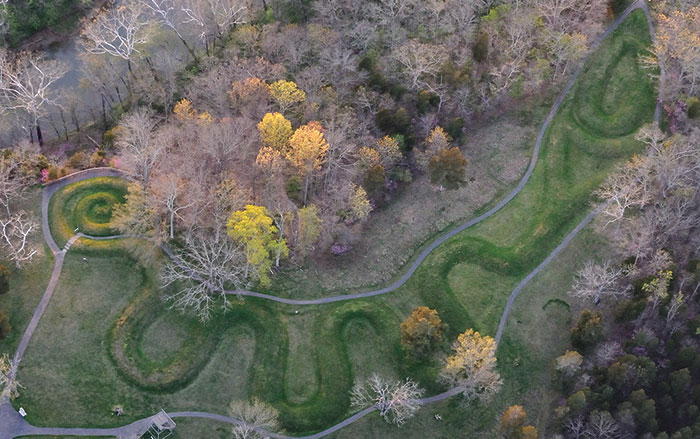
Secrets of the Serpent
Is a Native American origin story embedded in Ohio’s colossal earthwork?
Features July/August 2026
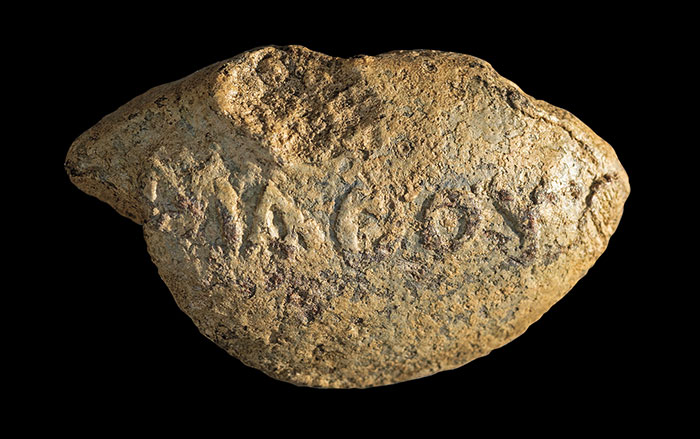
Slinging Insults
Greek and Roman soldiers fired pointed barbs at their enemies
Features July/August 2026
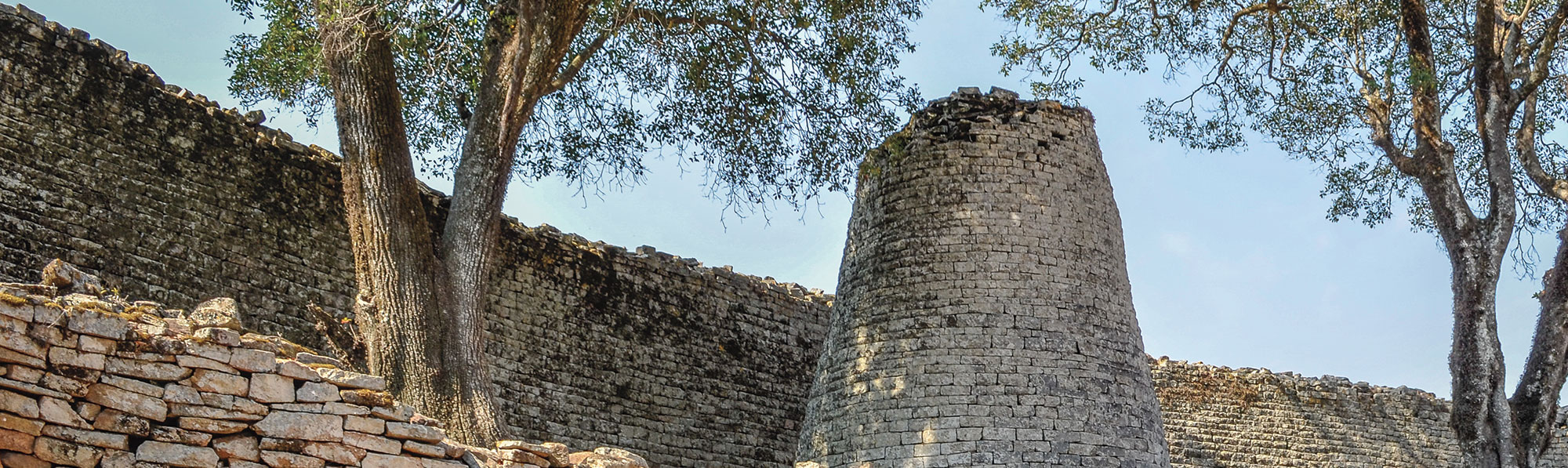
Inside Africa’s Houses of Stone
Archaeologists are rethinking how kings shared power beyond the great capitals of medieval Zimbabwe
More to Discover
Features November/December 2012
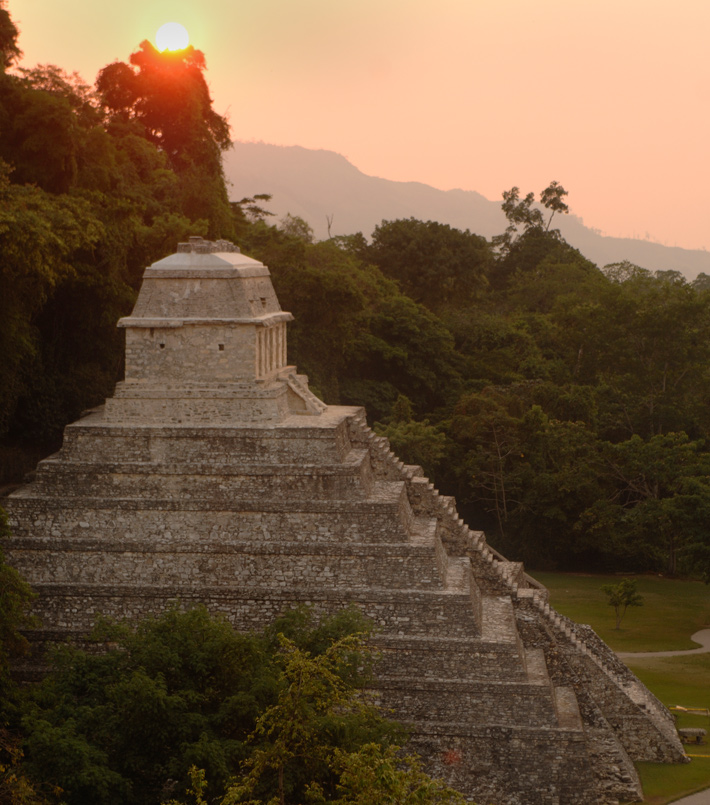
The Maya Sense of Time
As one Maya calendar reaches the end of a cycle, we take a look at how an ancient people understood their place in the cosmos
-
Features November/December 2012
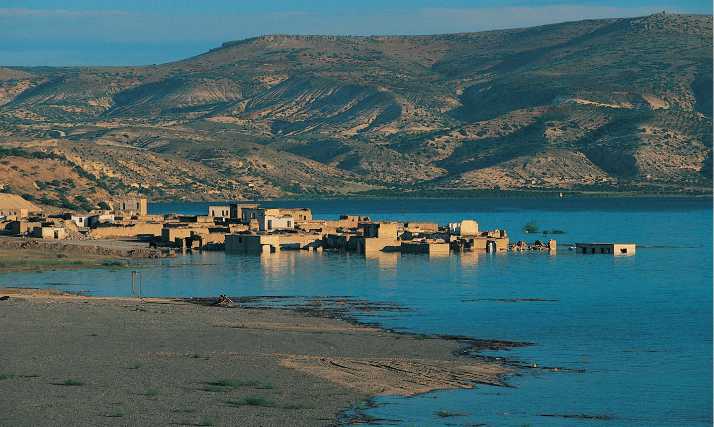
Zeugma After the Flood
New excavations continue to tell the story of an ancient city at the crossroads between east and west
 (Hasan Yelken/Images & Stories)
 -
Letter from India November/December 2012
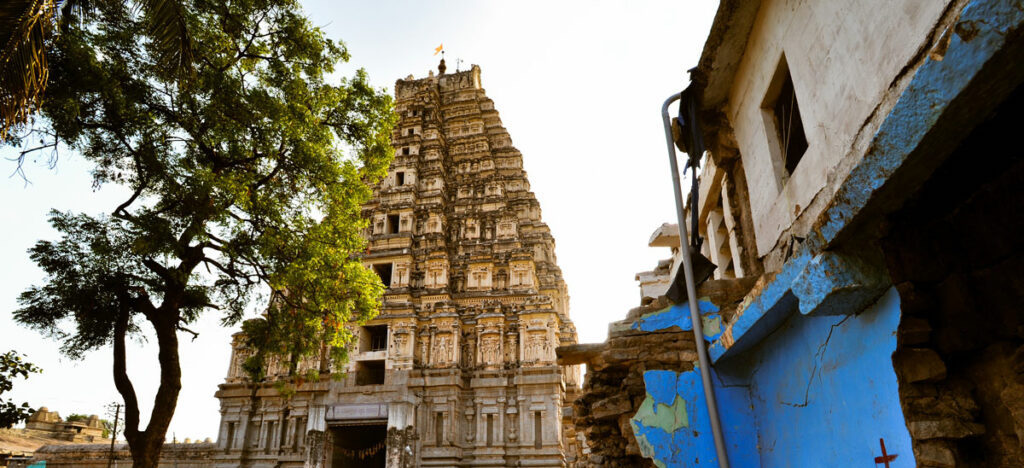
Living Heritage at Risk
Searching for a new approach to development, tourism, and local needs at the grand medieval city of Hampi
 (Gethin Chamberlain)
 -
Artifacts November/December 2012
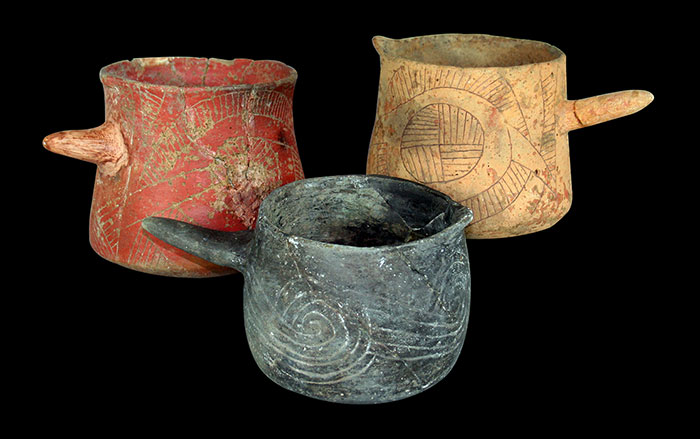
Beaker Vessels
Ceramic beakers were the vessels of choice for the so-called “Black Drink” used at Cahokia by Native Americans in their purification rituals
 (Linda Alexander, photographer, use with permission of the Illinois State Archaeological Society)
 -
Digs & Discoveries November/December 2012
The Desert and the Dead
 (Courtesy Bernardo Arriaza)