Features

Features January/February 2026

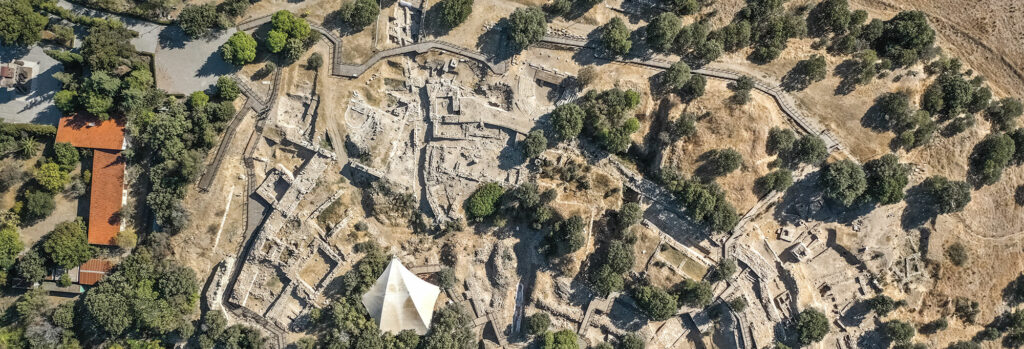
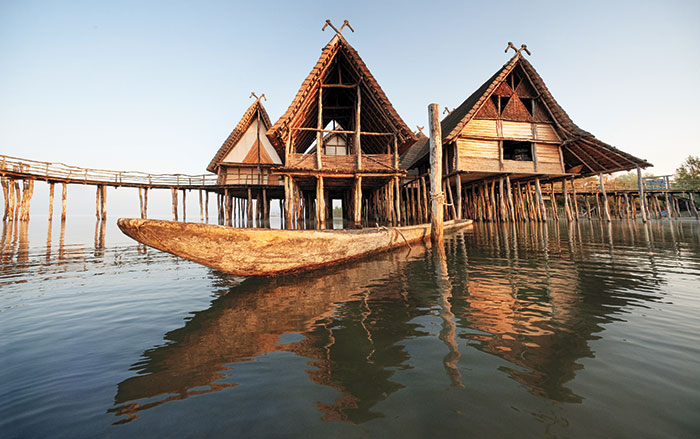
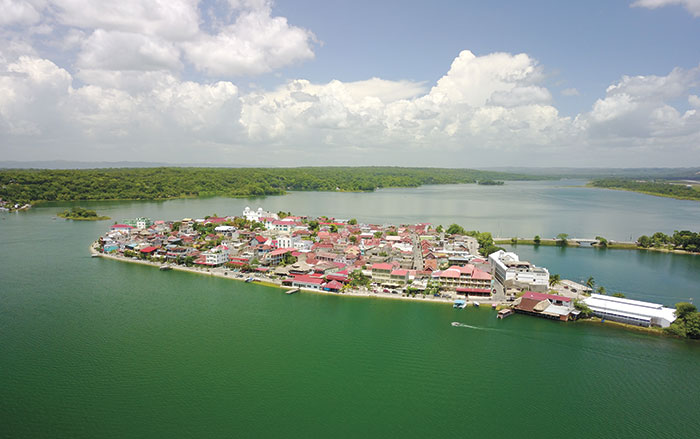
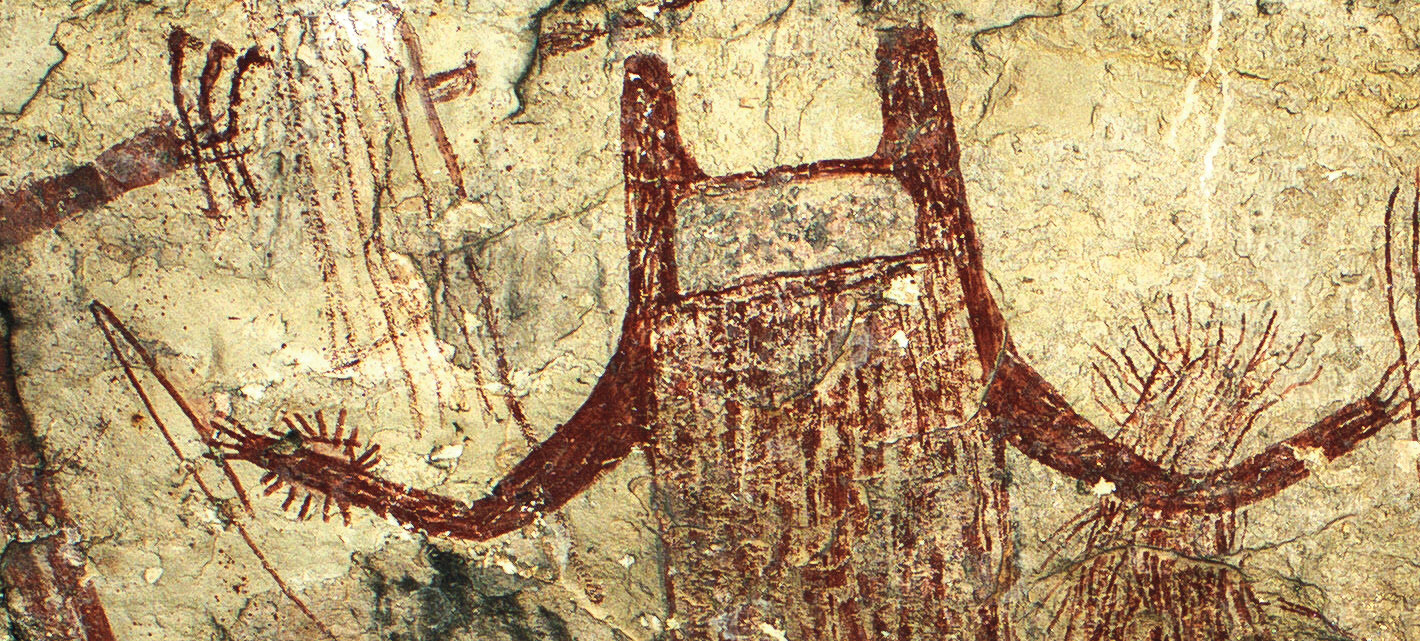
Top 10 Discoveries of 2025

ARCHAEOLOGY magazine’s editors reveal the year’s most exciting finds

RECENT Features

Features January/February 2026

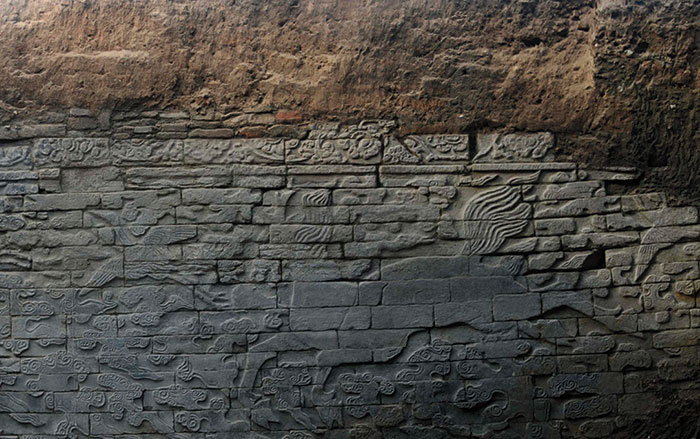
The Cost of Doing Business

Piecing together the Roman empire’s longest known inscription—a peculiarly precise inventory of prices

Read Article
A digital reconstruction shows how the Civil Basilica in the city of Aphrodisias in southwestern Anatolia would have appeared with the Edict of Maximum Prices inscribed on its facade.
Ece Savaş and Philip Stinson

Features January/February 2026

The Birds of Amarna

An Egyptian princess seeks sanctuary in her private palace

Read Article
The Metropolitan Museum of Art, New York/ Rogers Fund, 1930

Features January/February 2026

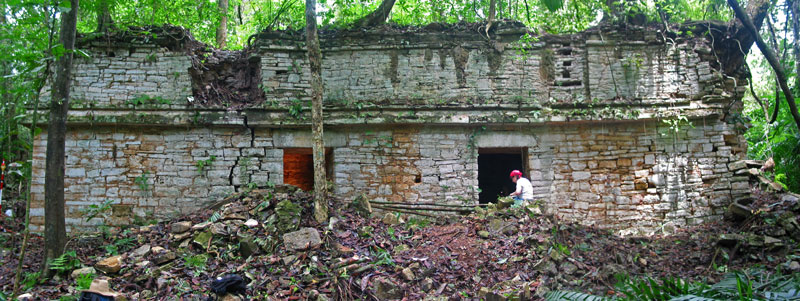
Taking the Measure of Mesoamerica

Archaeologists decode the sacred mathematics embedded in an ancient city’s architecture

Read Article
Courtesy Claudia I. Alvarado-León

Features January/February 2026

Stone Gods and Monsters

3,000 years ago, an intoxicating new religion beckoned pilgrims to temples high in the Andes

Read Article
The ritual center of Chavín de Huántar flourished in northern Peru.
Courtesy John Rick

Sort, Filter & Search Options

Filter by

Filter By Year

  • Features May 1, 2011

    Slideshow: The Wreck of the HMAS Sydney

    Read Article
  • Features May 1, 2011

    The Sinking of the HMAS Sydney

    The loss of the HMAS Sydney (II), pride of the Australian navy, has long been a source of pain and bewilderment. In waters off Western Australia in late 1941, following a successful tour in the Mediterranean, the Sydney encountered a ship claiming to be a Dutch freighter—actually the HSK Kormoran, a German raider that had menaced merchant ships for months.

    Read Article
  • Features May 1, 2011

    The Pacific Theater

    On June 15, 1944, a massive U.S. invasion fleet stormed the beaches of Saipan, the largest of the Mariana Islands.

    Read Article
  • Features May 1, 2011

    London's Air-Raid Shelters and Lost Homes

    During the Spanish Civil War, German and Italian forces had used aerial bombing raids to aid Francisco Franco's Nationalist side. In the run-up to WWII, British officials were frightened by the prospect of those very same tactics, so the U.K. passed legislation to begin digging air-raid shelters.

    Read Article
    (Courtesy Gabriel Moshenska)
  • Features May 1, 2011

    The Archaeology of Internment

    ARCHAEOLOGY, with its unique ability to discover details of daily life often left out of personal journals and official histories, is now being used to document the lives of WWII's interned, among them more than 100,000 Japanese Americans and Japanese, and millions of Jews, Gypsies, Communists, criminals, homosexuals, and political prisoners.

    Read Article
  • Features May 1, 2011

    The POW Camp Made Famous by The Great Escape

    Designed to contain those who had already fled previous detainment, the German POW camp Stalag Luft III was built in the woods of modern-day Poland as far as possible from non-Axis territory.

    Read Article
Loading...