CANBERRA, AUSTRALIA—Lorna Tilley and Marc Oxenham of Australian National University say that a 4,000-year-old skeleton uncovered in northern Vietnam shows that the prehistoric people of Man Bac cared for the sick and disabled among them. The person suffered from fused vertebrae and weak bones, and probably eventually became paralyzed from the waist down as the result of a congenital disease. This ancient skeleton is one of about 30 examples in the world of someone who received care from others in order to make survival possible. “The provision and receipt of health care may therefore reflect some of the most fundamental aspects of a culture,” they conclude.
Prehistoric People Cared for the Sick and Disabled
News December 23, 2012
Recommended Articles
Off the Grid January/February 2026
Prophetstown, Indiana
Letter from France January/February 2026
Neolithic Cultural Revolution
How farmers came together to build Europe’s most grandiose funerary monuments some 7,000 years ago
Features January/February 2026
The Cost of Doing Business
Piecing together the Roman empire’s longest known inscription—a peculiarly precise inventory of prices
Features January/February 2026
The Birds of Amarna
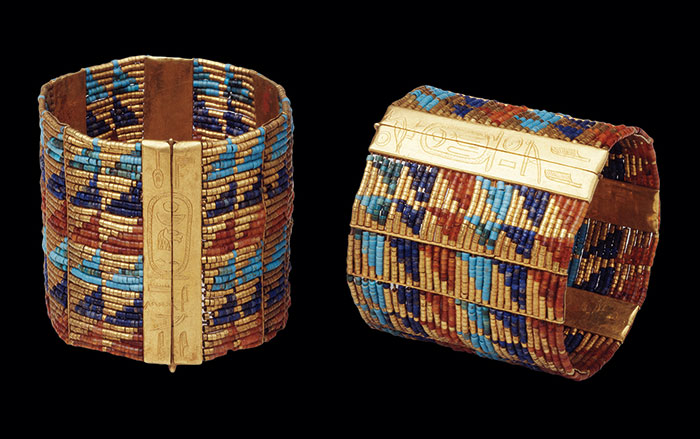
An Egyptian princess seeks sanctuary in her private palace
-
Features November/December 2012
Zeugma After the Flood
New excavations continue to tell the story of an ancient city at the crossroads between east and west
(Hasan Yelken/Images & Stories) -
Letter from India November/December 2012
Living Heritage at Risk
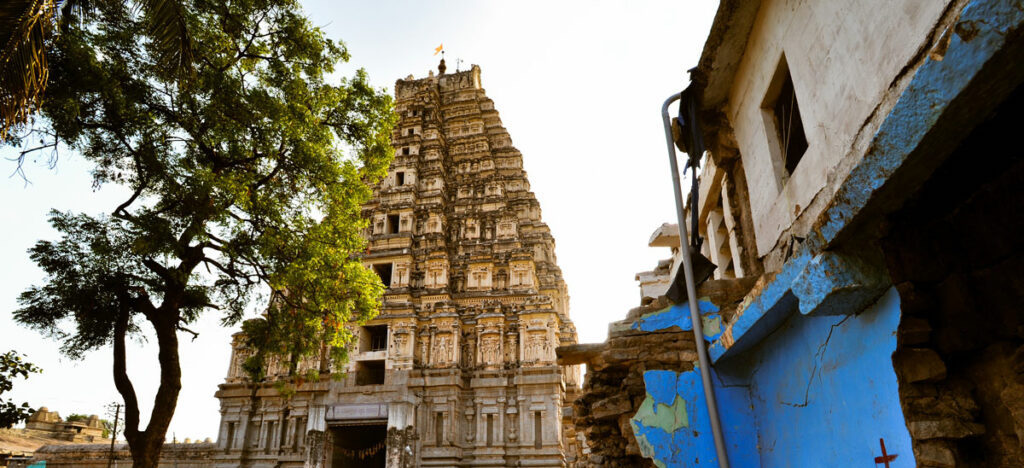
Searching for a new approach to development, tourism, and local needs at the grand medieval city of Hampi
(Gethin Chamberlain) -
Artifacts November/December 2012
Beaker Vessels
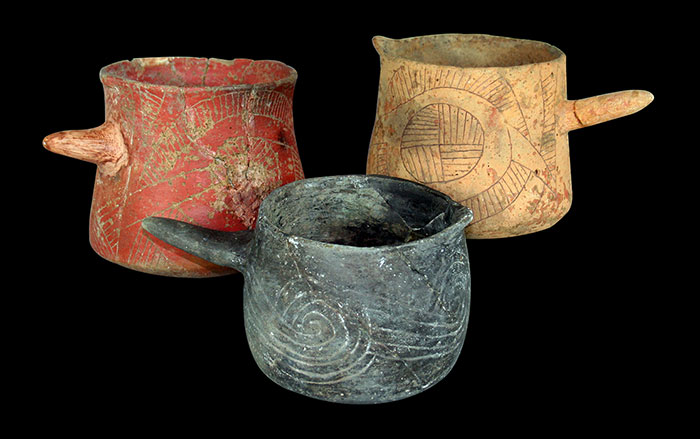
Ceramic beakers were the vessels of choice for the so-called “Black Drink” used at Cahokia by Native Americans in their purification rituals
(Linda Alexander, photographer, use with permission of the Illinois State Archaeological Society) -
Digs & Discoveries November/December 2012
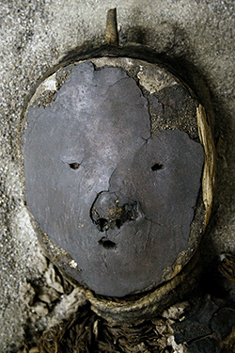
The Desert and the Dead
(Courtesy Bernardo Arriaza)