

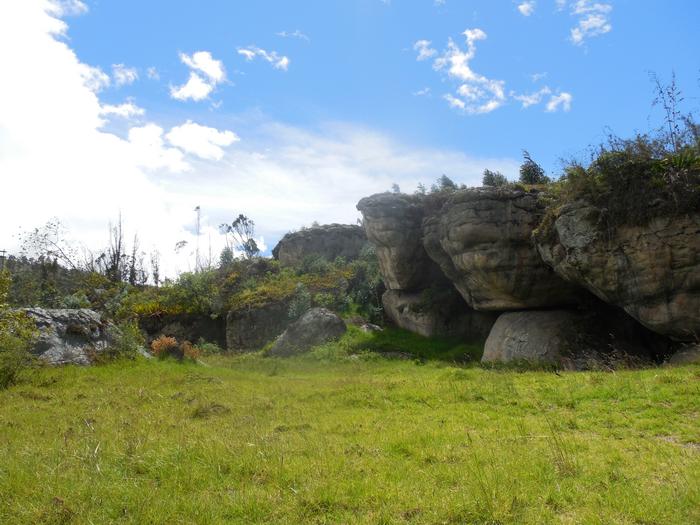
LAUSANNE, SWITZERLAND—According to an ABC News Australia report, a previously unknown strain of Treponema pallidum, the bacterium that causes syphilis, has been found in 5,500-year-old human remains recovered from the Sabana de Bogota rock shelter in the eastern highlands of Colombia by an international team of researchers. Davide Bozzi of the University of Lausanne said that the discovery pushes back known infection with the bacterium by more than 3,000 years. No signs of syphilis-like disease were found on the bones, but lesions thought to have been caused by diseases like syphilis have been found on other human remains in the area. “This highlights that metagenomic screening can find pathogens in bone even when no visible disease is present, potentially increasing the chances of future discoveries in ‘archaeologically invisible’ cases,” Bozzi said. Read the original scholarly article about this research in Science. For more on the genetic study of ancient diseases, go to "Worlds Within Us."
Syphilis May Have Originated in the Americas, Study Suggests
News January 26, 2026
Recommended Articles
Digs & Discoveries January/February 2018
The Pink Standard
Off the Grid September/October 2026
Xunantunich, Belize
Learning to draw monkeys at an ancient Maya art academy
Letter from Ireland September/October 2026
A War Between Friends
How IRA volunteers survived the Irish Civil War in a secret mountain hideout

Features September/October 2026
A Change in Fashion
Hoards of lavish gold and silver neck rings buried on an English hill reflect dramatic social change
More to Discover
Features January/February 2026
Top 10 Discoveries of 2025
ARCHAEOLOGY magazine’s editors reveal the year’s most exciting finds

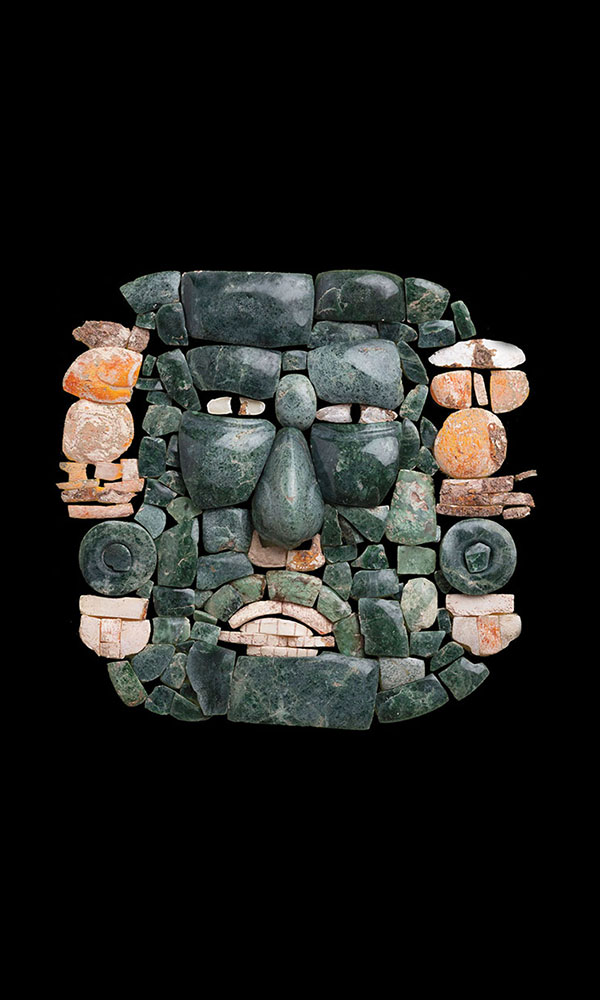
-
Features January/February 2026
The Cost of Doing Business
Piecing together the Roman empire’s longest known inscription—a peculiarly precise inventory of prices
 Ece Savaş and Philip Stinson
 -
Features January/February 2026
The Birds of Amarna
An Egyptian princess seeks sanctuary in her private palace
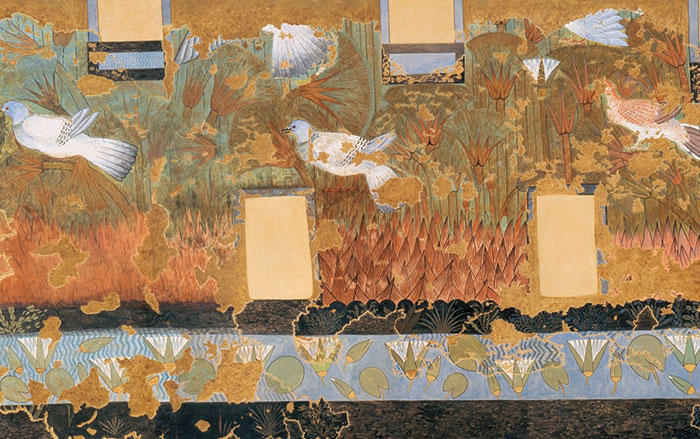 The Metropolitan Museum of Art, New York/ Rogers Fund, 1930
 -
Features January/February 2026
Taking the Measure of Mesoamerica
Archaeologists decode the sacred mathematics embedded in an ancient city’s architecture
 Courtesy Claudia I. Alvarado-León
 -
Features January/February 2026
Stone Gods and Monsters
3,000 years ago, an intoxicating new religion beckoned pilgrims to temples high in the Andes
 Courtesy John Rick