

FERRARA, ITALY—The reevaluation of 16 flint and radiolarite tools found among bear remains in a cave in the Alps suggests that traveling Neanderthals carried the stone tools with them, according to a Phys.org report. Microscopic examination of the tools by Davide Delpiano of the University of Ferrara and his colleagues detected evidence of retouching, indicating that tools had been sharpened repeatedly, yet no stone flakes or chips were uncovered in Caverna Generosa. Analysis of the chemical makeup of the stone used to make the tools revealed that it had come from a few miles away, much further down the mountain. The scholars think that Neanderthals may have traveled to the cave during the summer while hunting bears, or scavenging bears that died during hibernation, and processed the carcasses with a traveling toolkit. To read about tools found in the Swiss Alps that hunter-gatherers made more than 8,000 years ago, go to "Alpine Crystal Hunters."
Alpine Neanderthal Toolkit Examined
News January 26, 2026
Recommended Articles
Digs & Discoveries May/June 2026
Turning Over the Soil
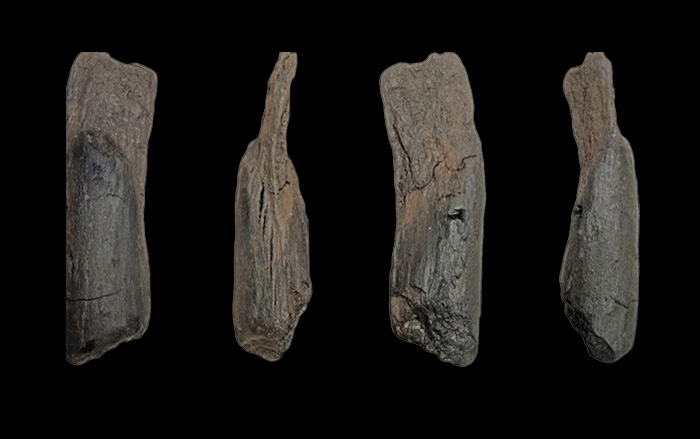
Digs & Discoveries September/October 2021
Neanderthal Hearing
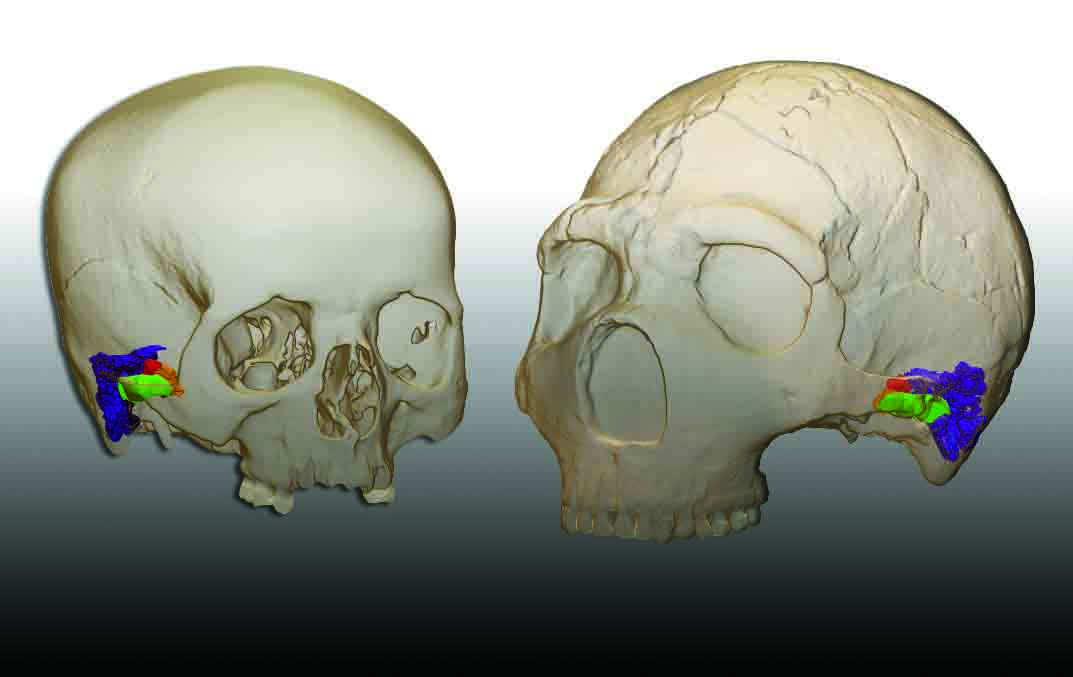
Top 10 Discoveries of the Decade January/February 2021
Neanderthal Genome
Vindija Cave, Croatia, 2010
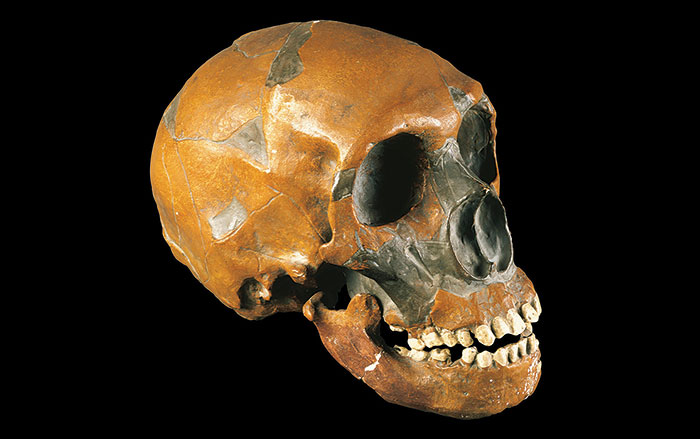
Digs & Discoveries November/December 2020
Painful Past
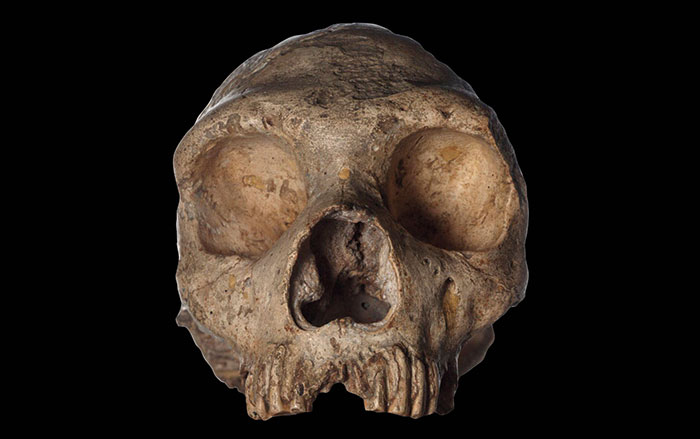
More to Discover
Features January/February 2026
Top 10 Discoveries of 2025
ARCHAEOLOGY magazine’s editors reveal the year’s most exciting finds

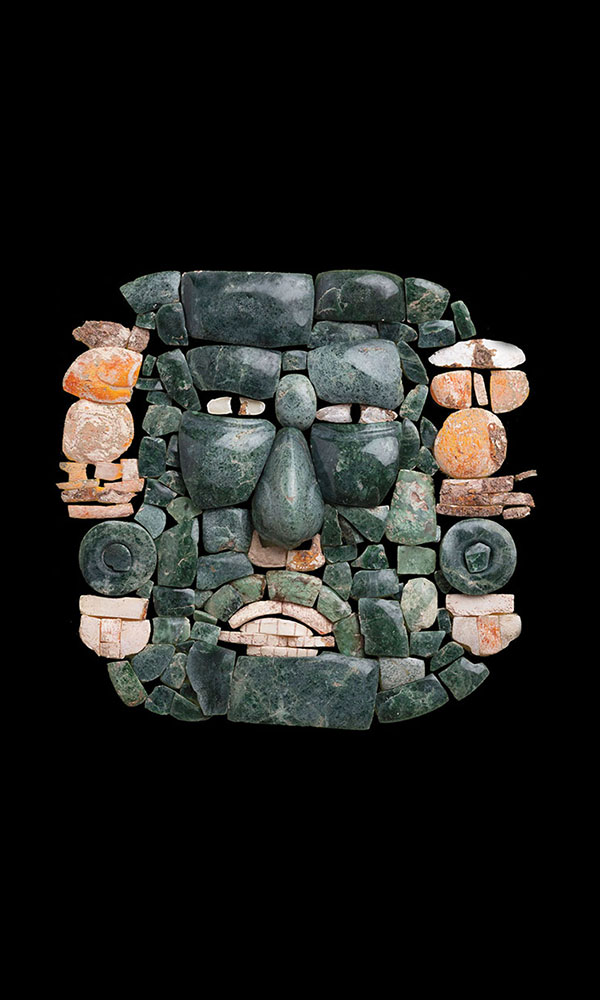
-
Features January/February 2026
The Cost of Doing Business
Piecing together the Roman empire’s longest known inscription—a peculiarly precise inventory of prices
 Ece Savaş and Philip Stinson
 -
Features January/February 2026
The Birds of Amarna
An Egyptian princess seeks sanctuary in her private palace
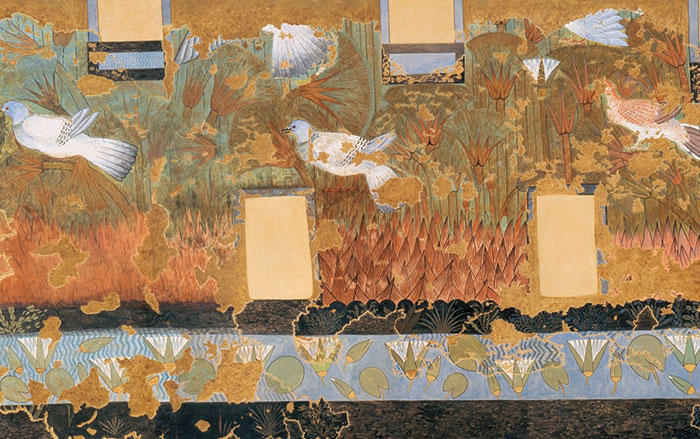 The Metropolitan Museum of Art, New York/ Rogers Fund, 1930
 -
Features January/February 2026
Taking the Measure of Mesoamerica
Archaeologists decode the sacred mathematics embedded in an ancient city’s architecture
 Courtesy Claudia I. Alvarado-León
 -
Features January/February 2026
Stone Gods and Monsters
3,000 years ago, an intoxicating new religion beckoned pilgrims to temples high in the Andes
 Courtesy John Rick