

KONYA, TURKEY—According to a Türkiye Today report, an intact cross made of two pieces of bronze riveted together has been uncovered in central Turkey by İlker Mete Mimiroğlu of Necmettin Erbakan University. The artifact, which has been dated to sometime between the ninth and eleventh centuries a.d., was found in a church cemetery in the ancient city of Lystra. Such small containers were used to hold sacred objects or relics associated with Christian worship. Mimiroğlu said that similar broken reliquaries have been unearthed in the city, but this is the first to be found in a sealed condition without a mechanism to open and close it. A small piece of fabric is visible within the cross through a small gap, however. For more on archaeology in Konya, go to "Searching for Lost Cities: The Storm God's City."
Intact Reliquary Cross Found in Turkey
News January 30, 2026
Recommended Articles
Digs & Discoveries September/October 2026
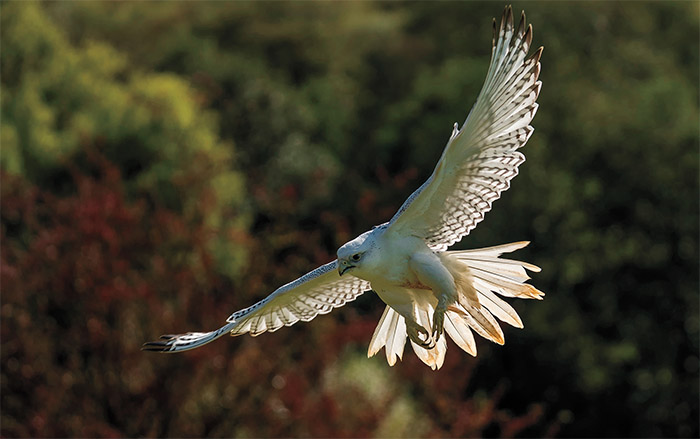
Gyrfalcons Over Baghdad
Dozens of birds gifted to medieval Abbasid caliphs were likely imported from Iceland
Digs & Discoveries March/April 2026
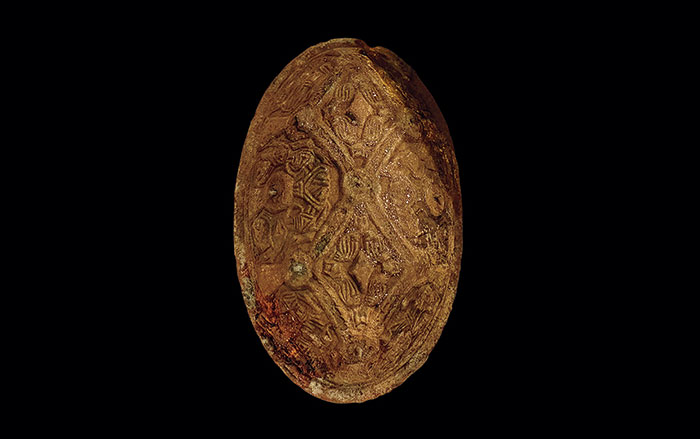
Viking Mollusk Mask
Digs & Discoveries September/October 2025
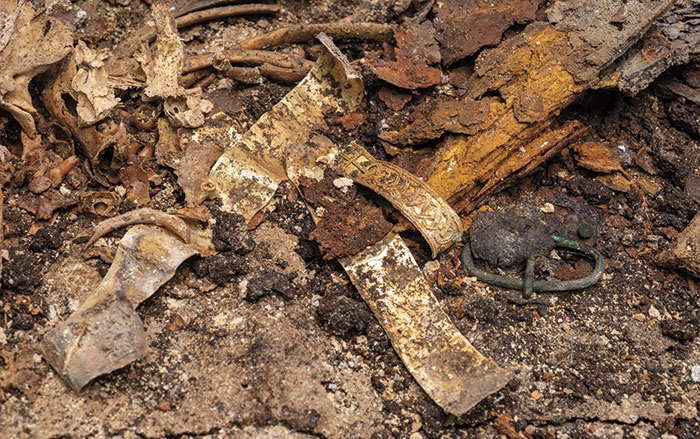
Good Night, Sweet Prince
Features September/October 2025
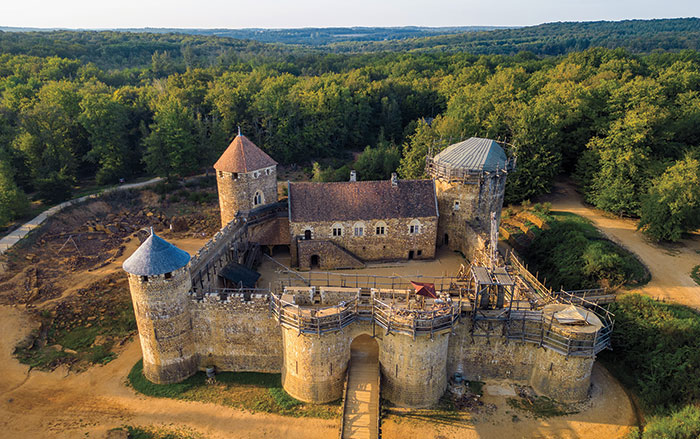
How to Build a Medieval Castle
Why are archaeologists constructing a thirteenth-century fortress in the forests of France?
More to Discover
Features January/February 2026
Top 10 Discoveries of 2025
ARCHAEOLOGY magazine’s editors reveal the year’s most exciting finds
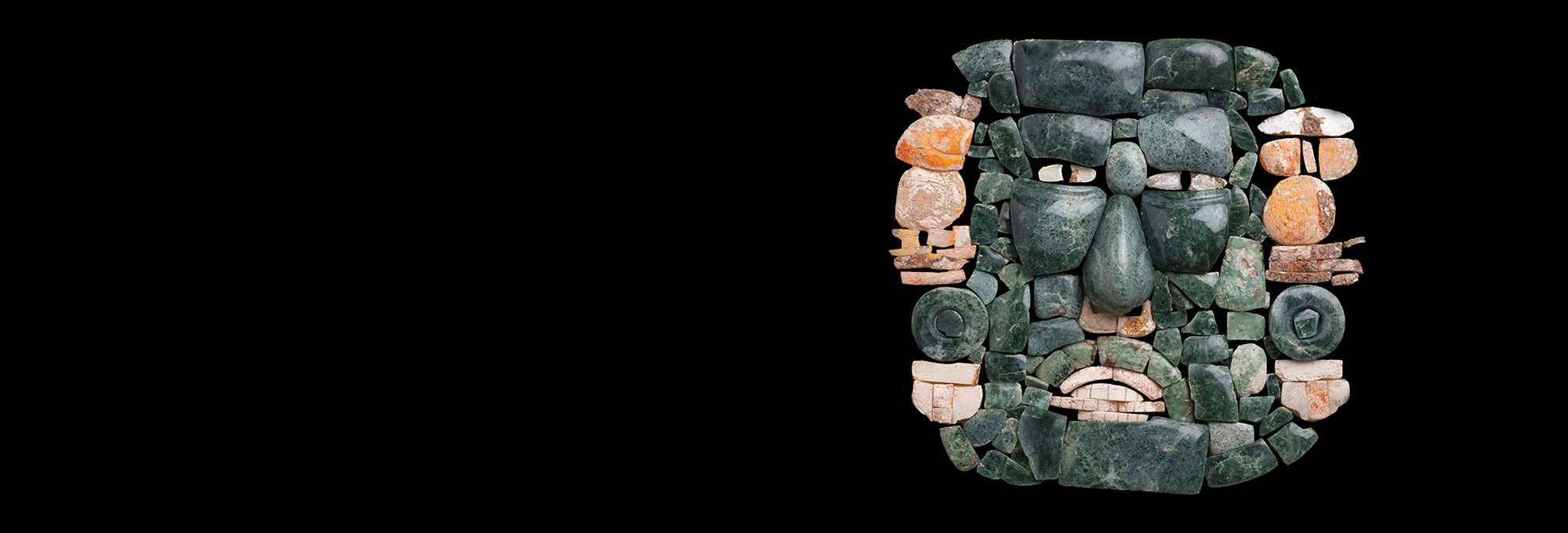
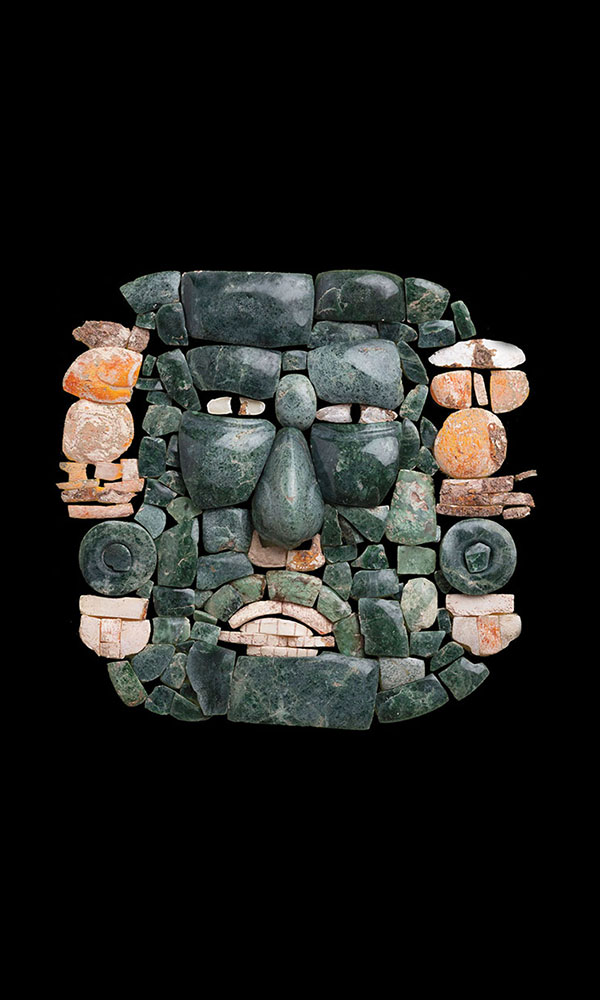
-
Features January/February 2026
The Cost of Doing Business
Piecing together the Roman empire’s longest known inscription—a peculiarly precise inventory of prices
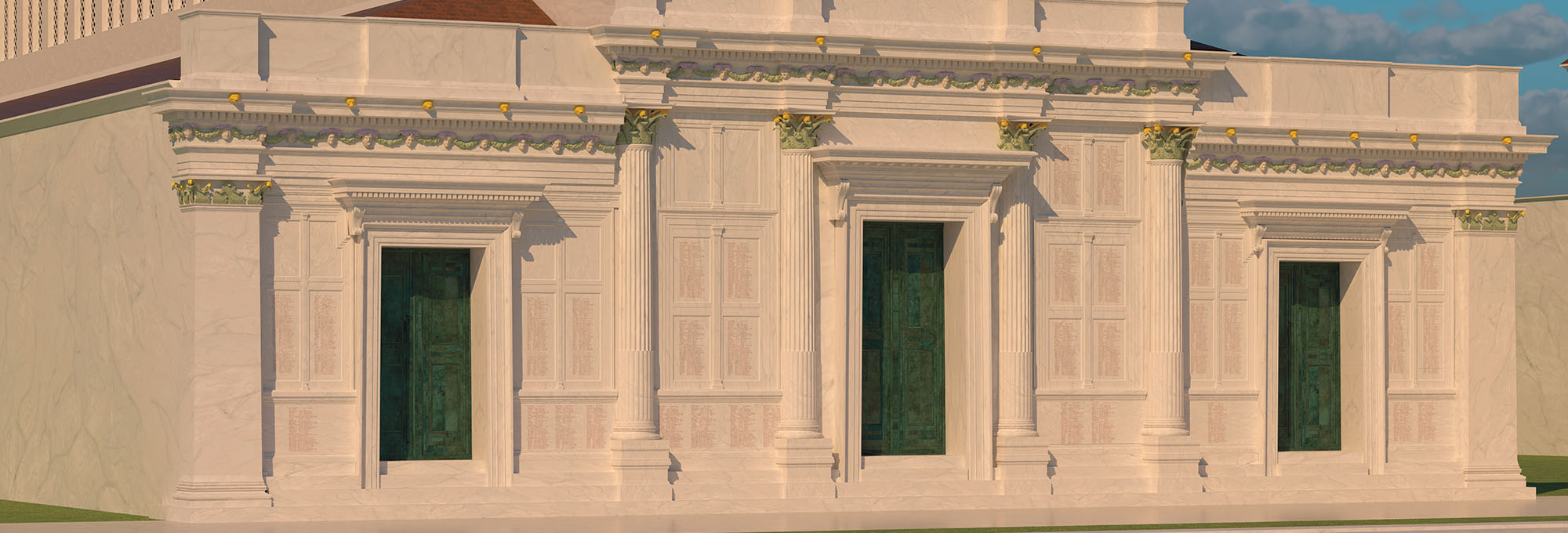 Ece Savaş and Philip Stinson
 -
Features January/February 2026
The Birds of Amarna
An Egyptian princess seeks sanctuary in her private palace
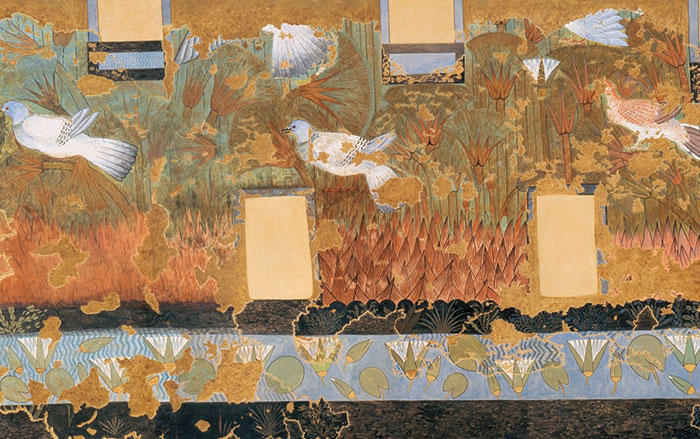 The Metropolitan Museum of Art, New York/ Rogers Fund, 1930
 -
Features January/February 2026
Taking the Measure of Mesoamerica
Archaeologists decode the sacred mathematics embedded in an ancient city’s architecture
 Courtesy Claudia I. Alvarado-León
 -
Features January/February 2026
Stone Gods and Monsters
3,000 years ago, an intoxicating new religion beckoned pilgrims to temples high in the Andes
 Courtesy John Rick