Small Bone from Possible War Elephant Identified in Spain

News February 4, 2026

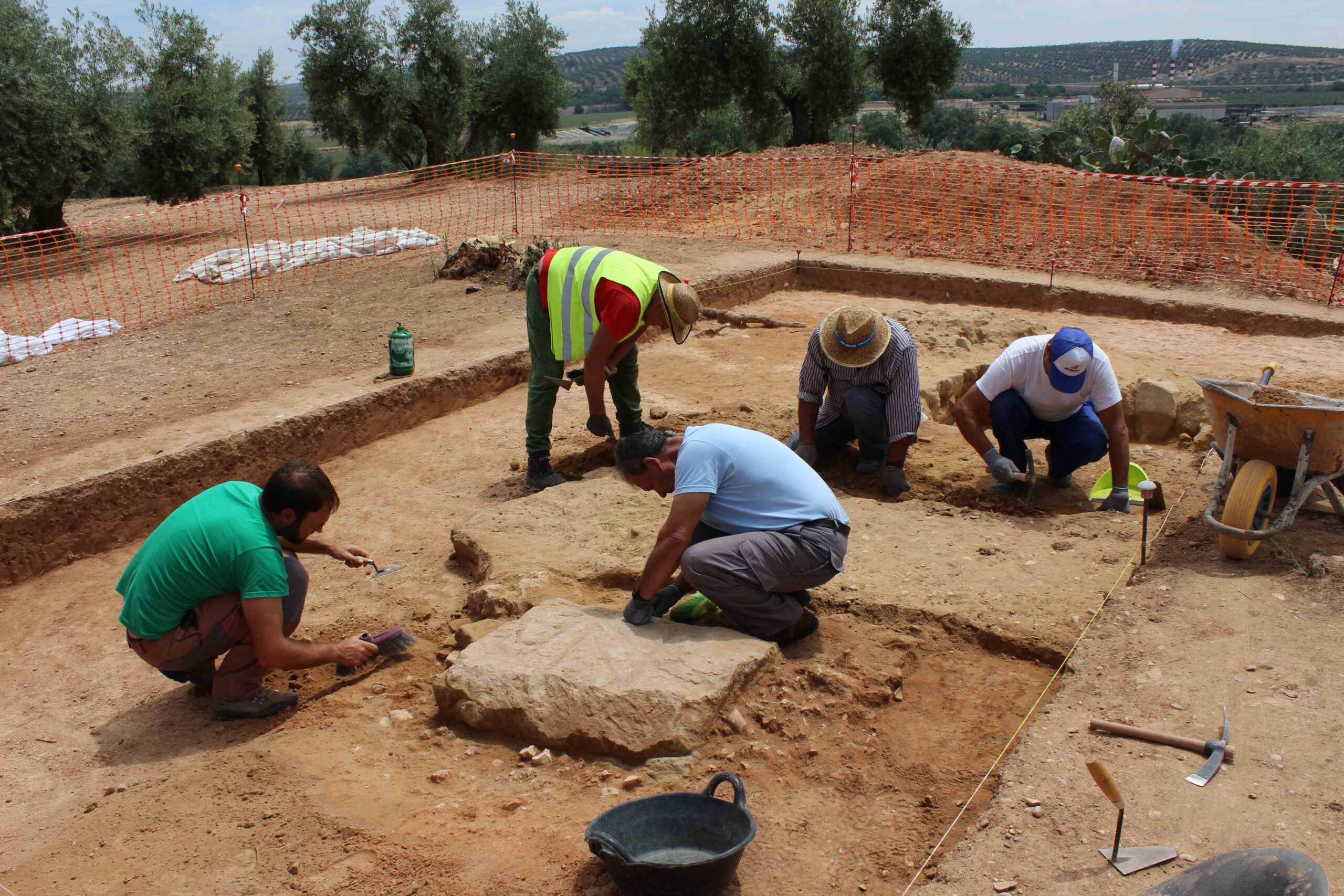
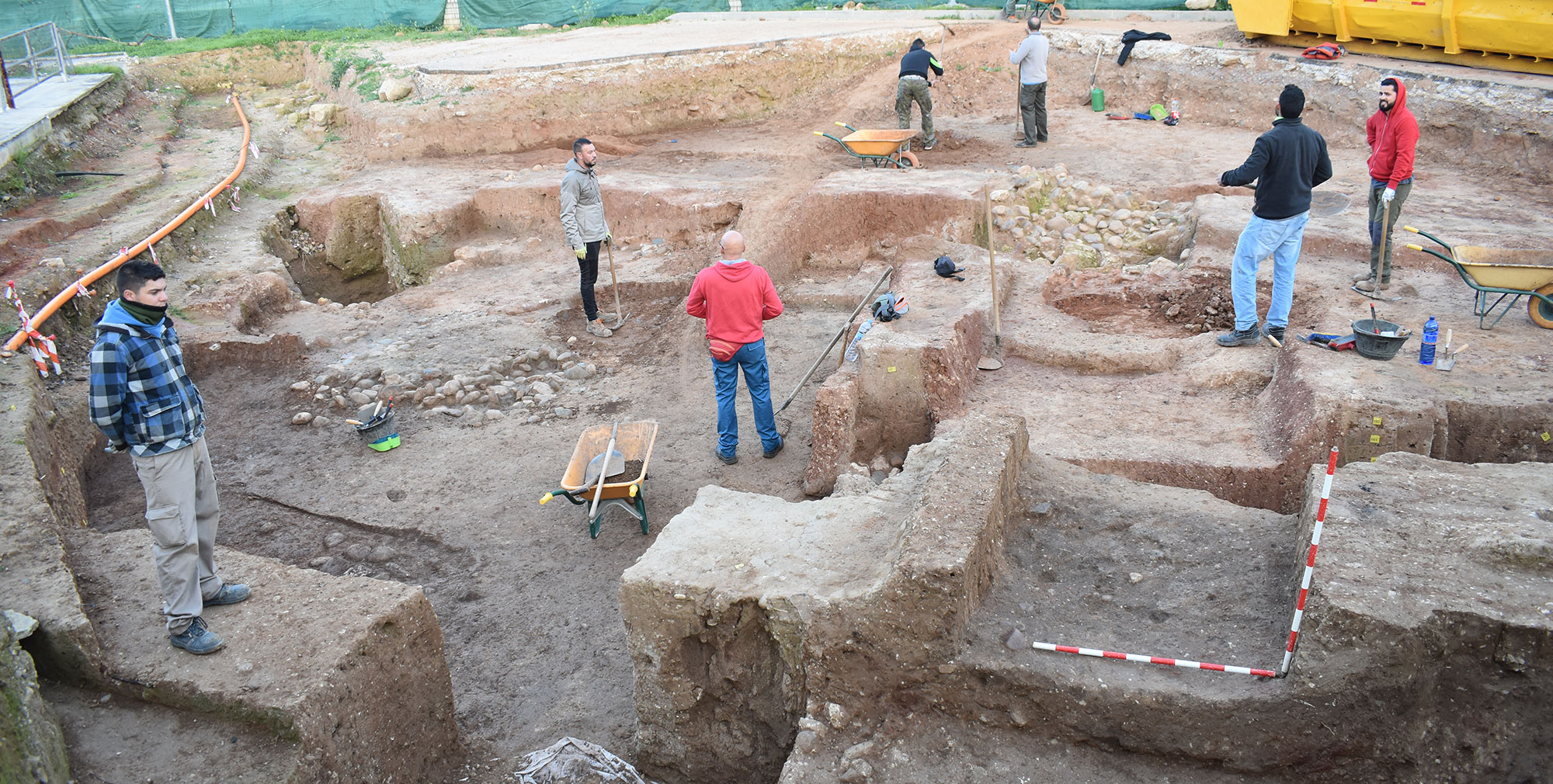
Excavation of ancient village, Colina de los Quemados, Spain
Agustín López Jiménez
SHARE:

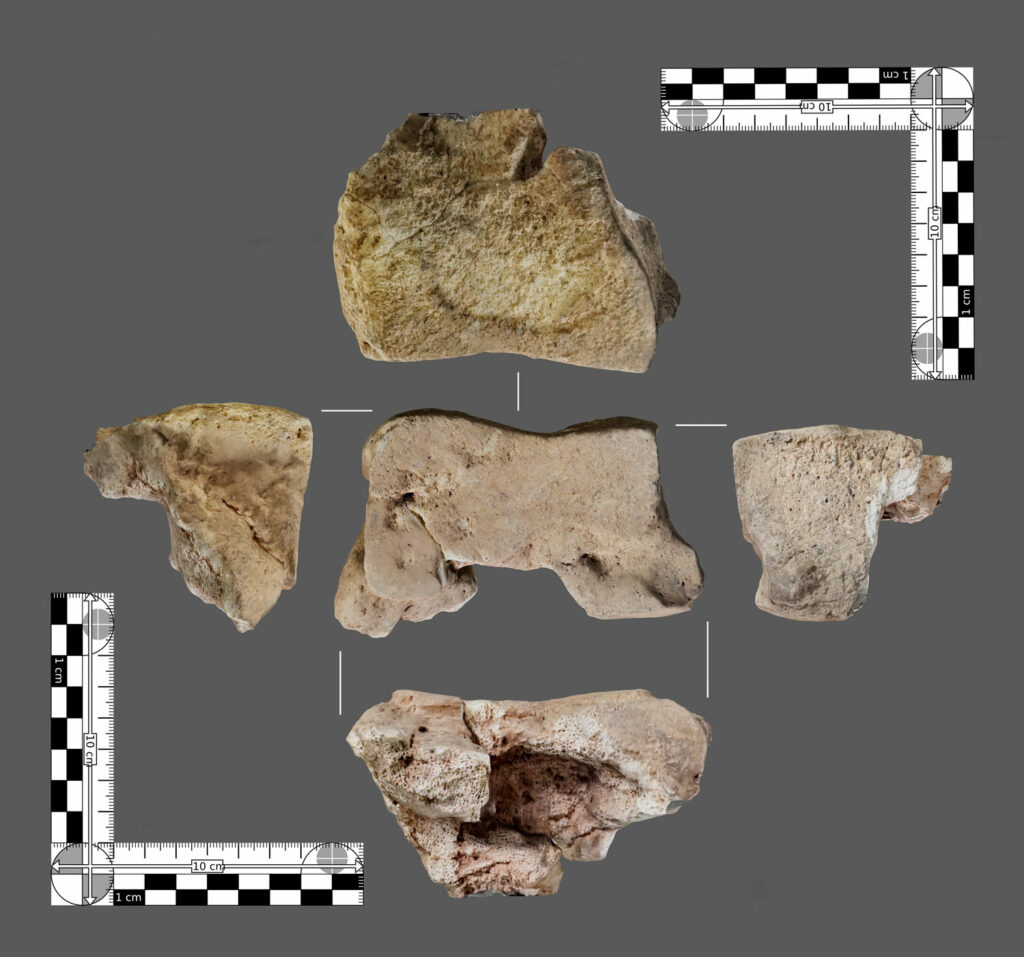
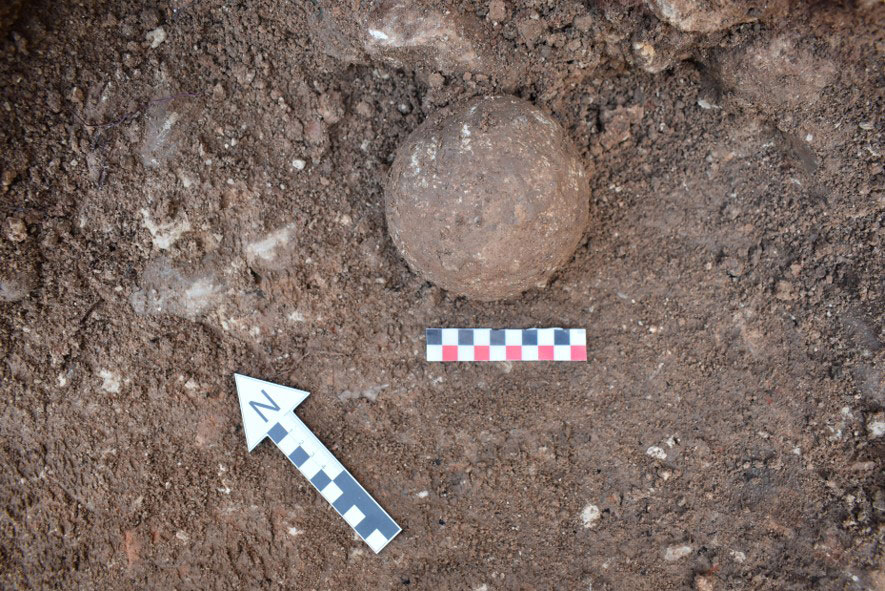
CÓRDOBA, SPAIN—According to a Live Science report, a 2,250-year-old bone unearthed in 2019 during excavations directed by Agustín López Jiménez of Arqueobetica SL at the site of a fortified village in southern Spain came from the leg of an unidentified species of elephant. Rafael Martínez Sánchez of the University of Córdoba and his colleagues think that the creature may have been a war elephant during the Second Punic War, which was fought by the Romans and the Carthaginians between 218 and 201 B.C. for control of the Mediterranean. This animal may have been killed in a battle at the village, where 12 spherical stones that may have been used as catapult ammunition were also found. No other elephant bones have been recovered, however. Martínez Sánchez said that this bone, which is about the size of a baseball, might have been preserved because a wall had collapsed on it. He acknowledges that it may also have been carried away from another place as a souvenir of a so-called “tank of antiquity.” To read about the war's aftermath, go to "Spain's Silver Boom."

  • Features January/February 2026

    The Birds of Amarna

    An Egyptian princess seeks sanctuary in her private palace

    Read Article
    The Metropolitan Museum of Art, New York/ Rogers Fund, 1930
  • Features January/February 2026

    Taking the Measure of Mesoamerica

    Archaeologists decode the sacred mathematics embedded in an ancient city’s architecture

    Read Article
    Courtesy Claudia I. Alvarado-León
  • Features January/February 2026

    Stone Gods and Monsters

    3,000 years ago, an intoxicating new religion beckoned pilgrims to temples high in the Andes

    Read Article
    The ritual center of Chavín de Huántar flourished in northern Peru.
    Courtesy John Rick
  • Letter from France January/February 2026

    Neolithic Cultural Revolution

    How farmers came together to build Europe’s most grandiose funerary monuments some 7,000 years ago

    Read Article
    © Laurent Juhel, Inrap