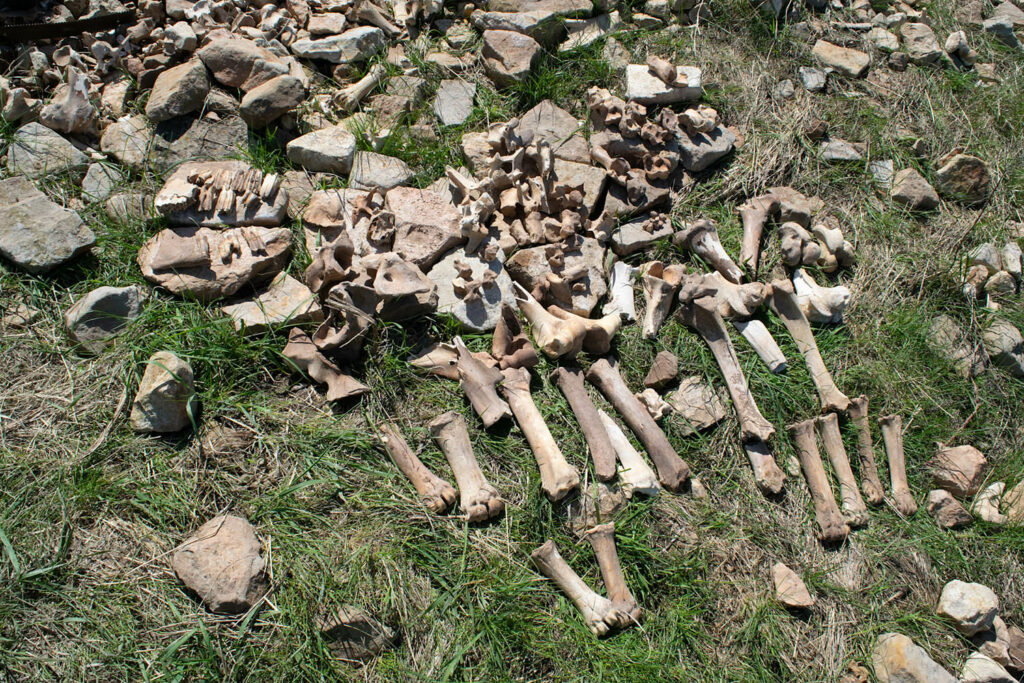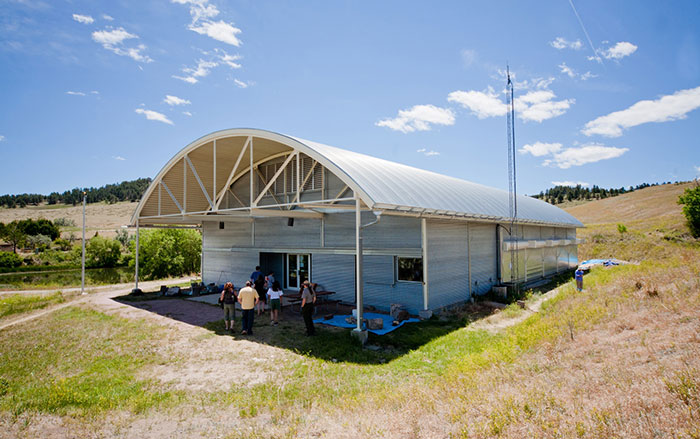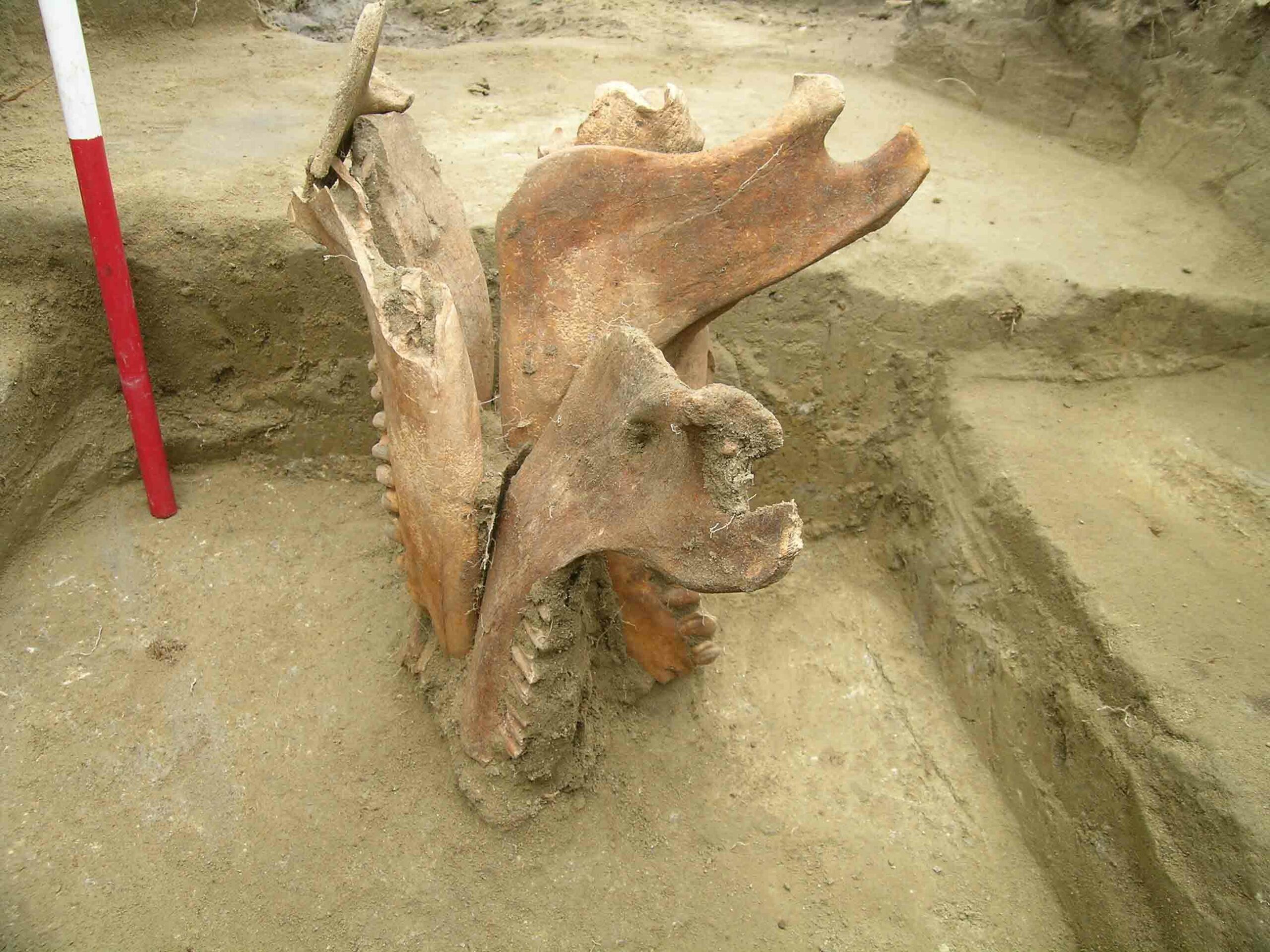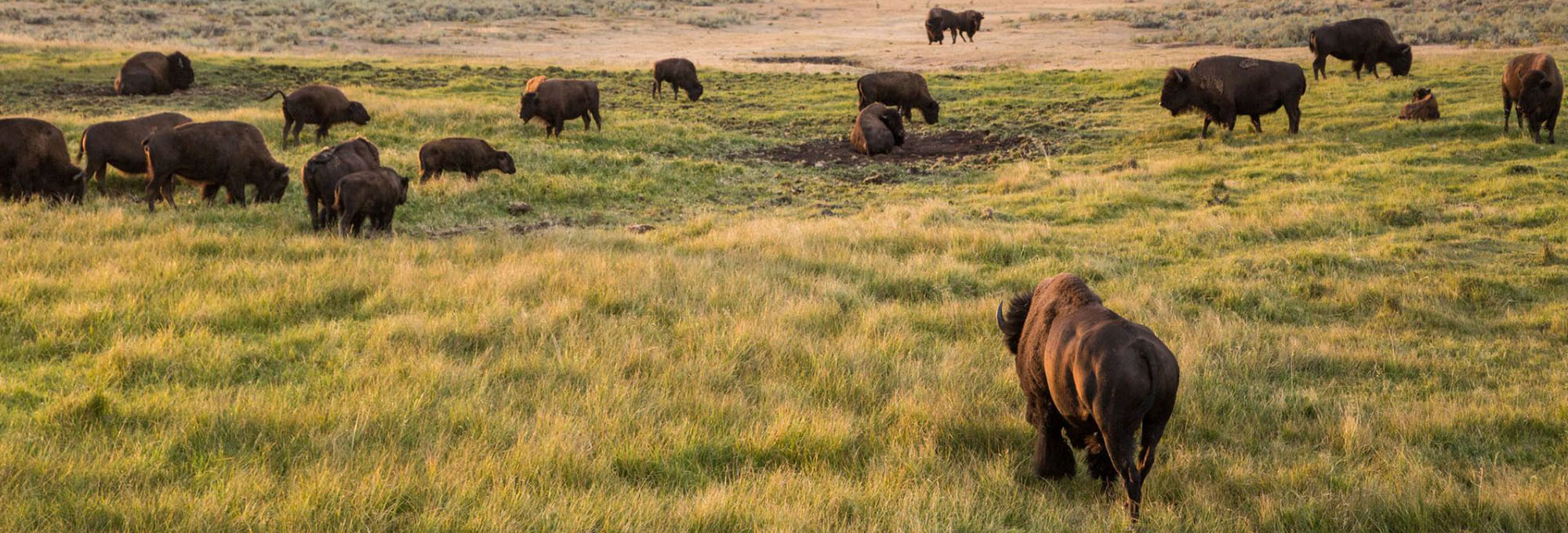
GARNEILL, MONTANA—For around 700 years, Native people of the American Great Plains hunted bison at a site in central Montana that archaeologists call Bergstrom. Then, around 1,100 years ago, humans abandoned the site even though bison remained abundant in the area, according to a statement released by Frontiers. “The Bergstrom site presented a puzzle,” paleoecologist John Wendt of New Mexico State University said. “Why would hunters stop using a site that had worked for so long?” In 2019, Wendt’s team began digging and investigating three-foot-by-three-foot excavation pits to try to better understand the Bergstrom site’s use and eventual disuse. Researchers collected animal bone and pollen samples, radiocarbon dated charcoal fragments, tracked herbivore paths, and reconstructed possible climate patterns. The Bergstrom site, they found, was an ideal hunting ground. During drought periods in the region, hunters reorganized from smaller, more mobile bands into larger groups that occupied sites for longer periods and built infrastructure. Some of these sites had natural advantages, such as cliffs for bison jumps and formations that aided in herding. “These larger operations were based on large kills and could produce surplus for trade and winter storage, but they also meant more dependence on specific resources like water, forage for larger herds, and fuel for processing fires,” Wendt said. The repeated droughts at Bergstrom caused by climate fluctuations eventually shuttered the site, the researchers concluded. Although bison remained plentiful, water used to process the animals in a nearby creek reached unsustainable lows, and hunters appear to have moved on for good. Read the original scholarly article about this research in Frontiers in Conservation Science. To read more about prehistoric buffalo jumps and hunting culture near the Rocky Mountains, go to “Letter from Montana: The Buffalo Chasers.”