Construction Work in Northern England Yields Historic Cannon

News February 17, 2026

Courtesy Hull City Council
SHARE:

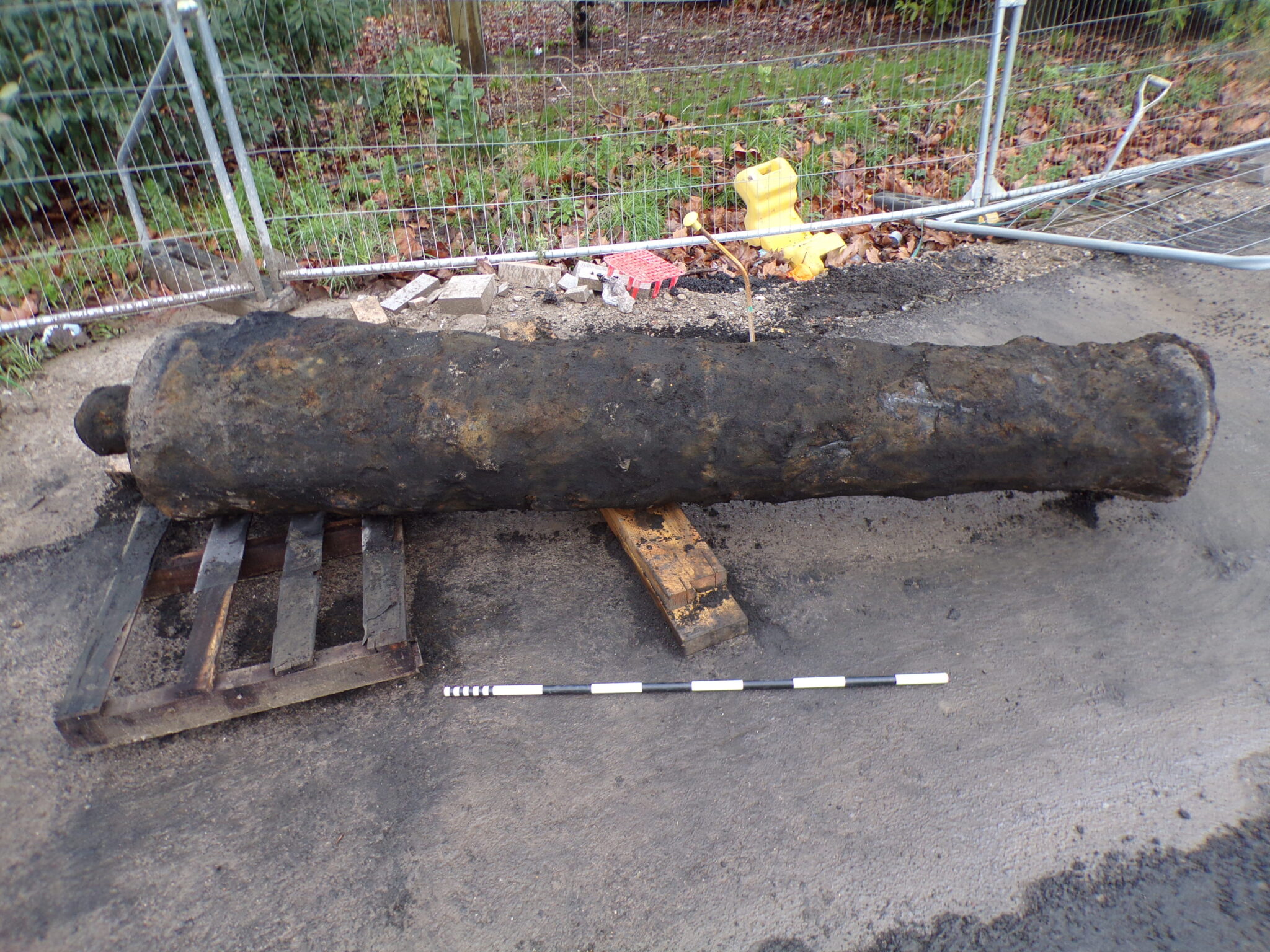
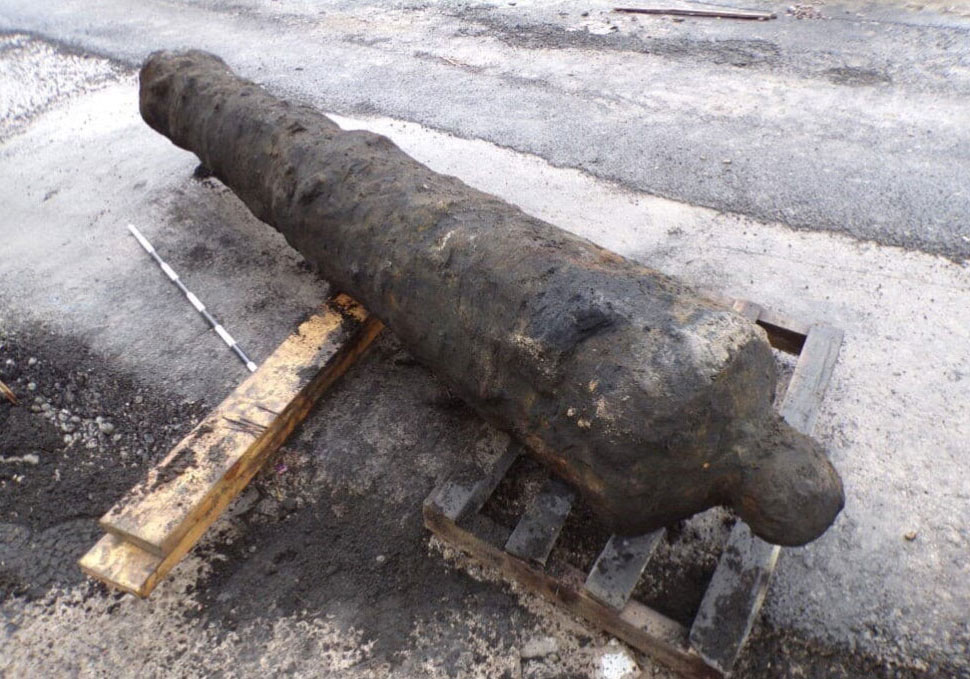
HULL, ENGLAND—According to a statement released by the Hull City Council, a cast iron cannon was unearthed in the city’s Queen’s Gardens. A team of local contractors had been excavating a space for a stormwater tank in the park when they encountered the eight-foot-long weapon. After an initial examination, researchers from Humber Field Archaeology suggest that the cannon dates to the seventeenth or eighteenth century. Its nozzle had been capped, indicating that it had been decommissioned. The location of the discovery suggests that the cannon had been reused as a mooring post before the historic dock area where it was found was filled. “This is a fascinating discovery that offers a glimpse into Hull’s maritime and military past,” said archaeologist Peter Connelly. “Our archaeology team is now carrying out detailed assessments and we’ll be able to share more once their work is complete,” he concluded. To read more about archaeological discoveries in northern England, go to "Stronghold of the Kings in the North."
  • Features January/February 2026

    The Cost of Doing Business

    Piecing together the Roman empire’s longest known inscription—a peculiarly precise inventory of prices

    Read Article
    A digital reconstruction shows how the Civil Basilica in the city of Aphrodisias in southwestern Anatolia would have appeared with the Edict of Maximum Prices inscribed on its facade.
    Ece Savaş and Philip Stinson
  • Features January/February 2026

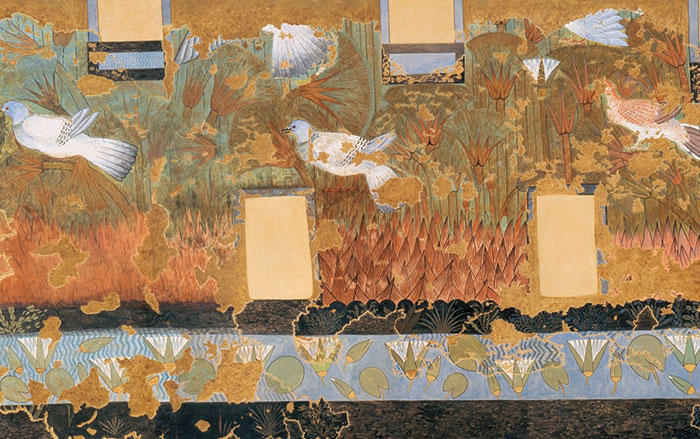
    The Birds of Amarna

    An Egyptian princess seeks sanctuary in her private palace

    Read Article
    The Metropolitan Museum of Art, New York/ Rogers Fund, 1930
  • Features January/February 2026

    Taking the Measure of Mesoamerica

    Archaeologists decode the sacred mathematics embedded in an ancient city’s architecture

    Read Article
    Courtesy Claudia I. Alvarado-León
  • Features January/February 2026

    Stone Gods and Monsters

    3,000 years ago, an intoxicating new religion beckoned pilgrims to temples high in the Andes

    Read Article
    The ritual center of Chavín de Huántar flourished in northern Peru.
    Courtesy John Rick