Old Kingdom Tombs Discovered in Upper Egypt

News February 26, 2026

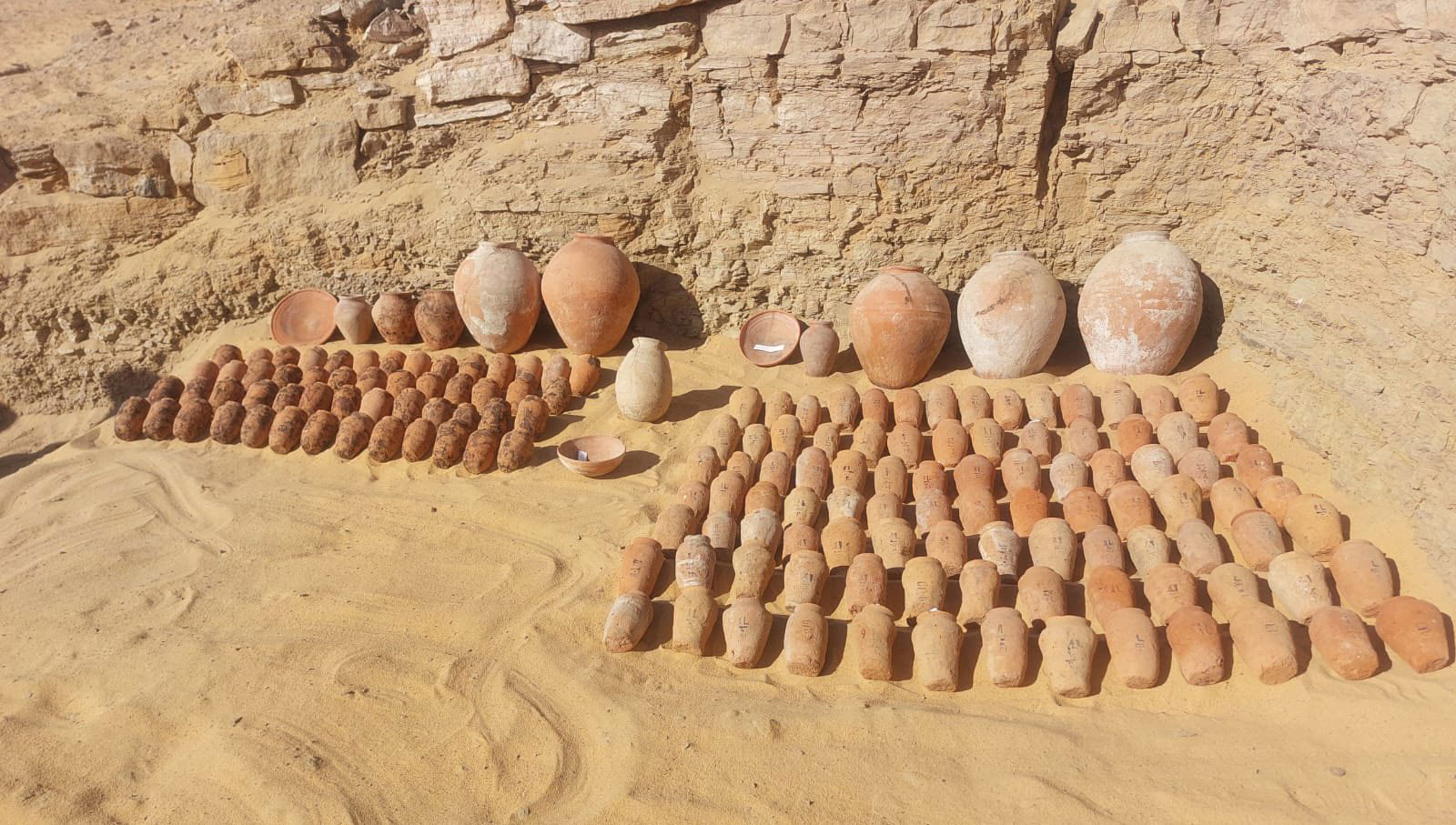
Pottery recovered from a tomb at Qubbet el-Hawa, Egypt
Egyptian Ministry of Tourism and Antiquities
SHARE:

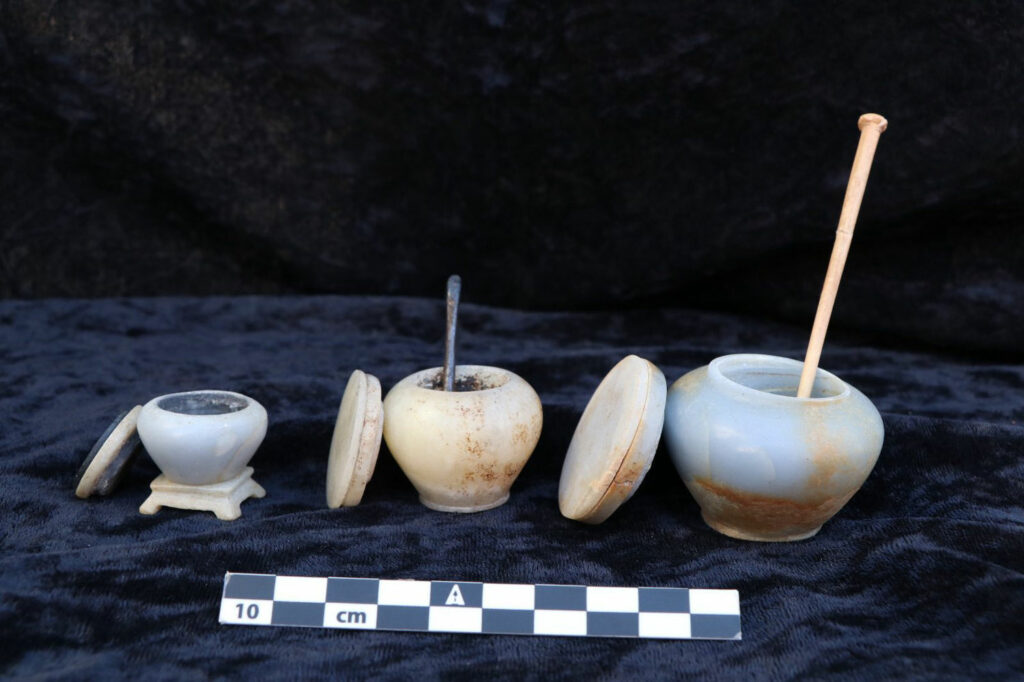
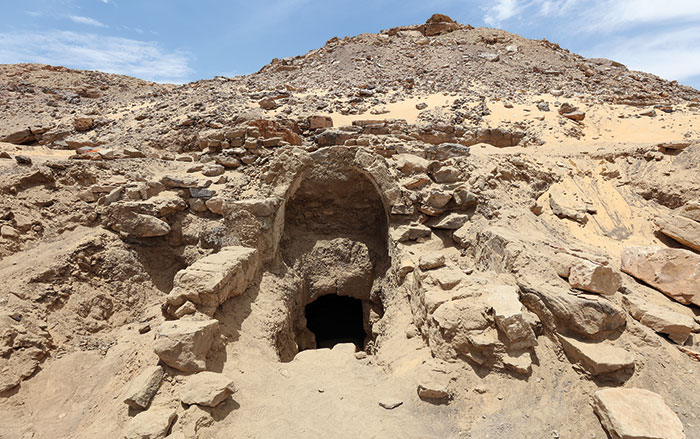
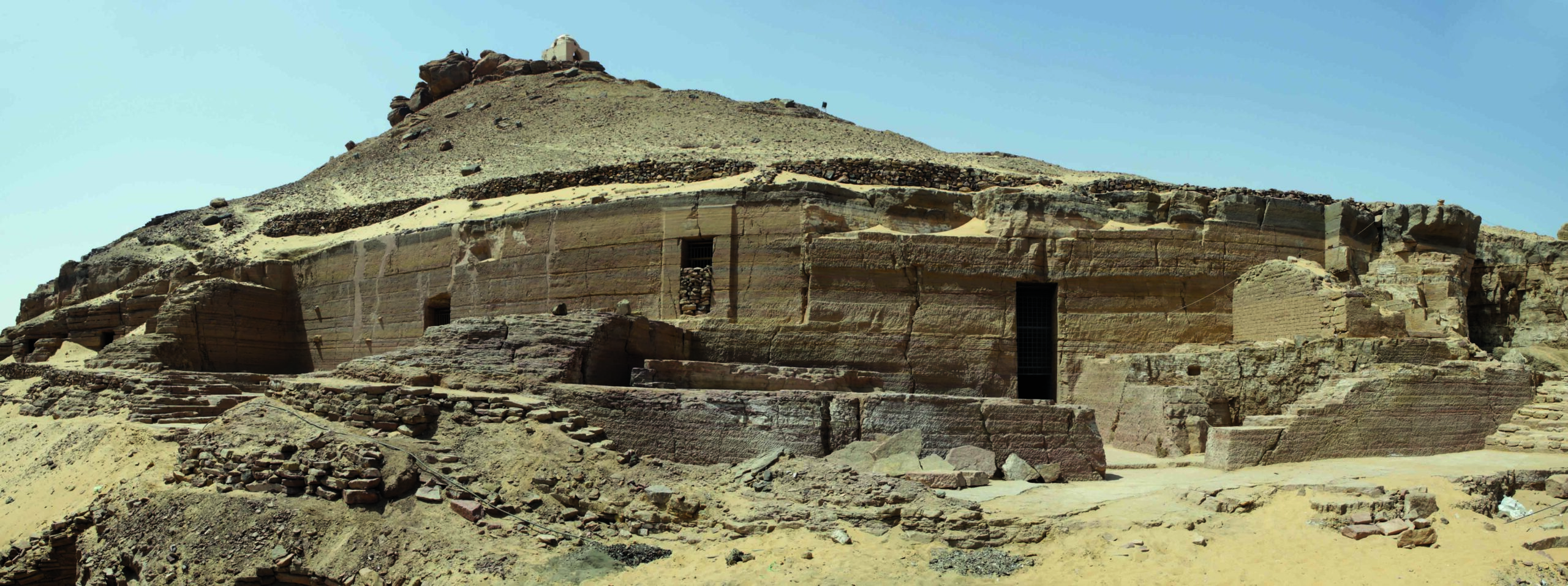
CAIRO, EGYPT—According to an Ahram Online report, rock-cut tombs dated to Egypt’s Old Kingdom (ca. 2649–2150 B.C.) have been discovered in the Qubbet el-Hawa necropolis at Aswan. The tombs, which feature burial shafts and chambers, were reused during the First Intermediate Period (ca. 2150–2030 B.C.) and the Middle Kingdom (ca. 2030–1640 B.C.). Hisham El-Leithy of Egypt’s Supreme Council of Antiquities said that two of the burial chambers contained some 160 pottery vessels inscribed with hieratic script. These vessels are thought to have been used to store liquids and grains. Bronze mirrors, alabaster kohl containers, bead necklaces, and Middle Kingdom amulets were recovered from an outer courtyard, he added. To read about another burial at the site that researchers believe is the oldest Egyptian tomb oriented toward the winter solstice sunrise, go to "Winter Light."
  • Features January/February 2026

    The Cost of Doing Business

    Piecing together the Roman empire’s longest known inscription—a peculiarly precise inventory of prices

    Read Article
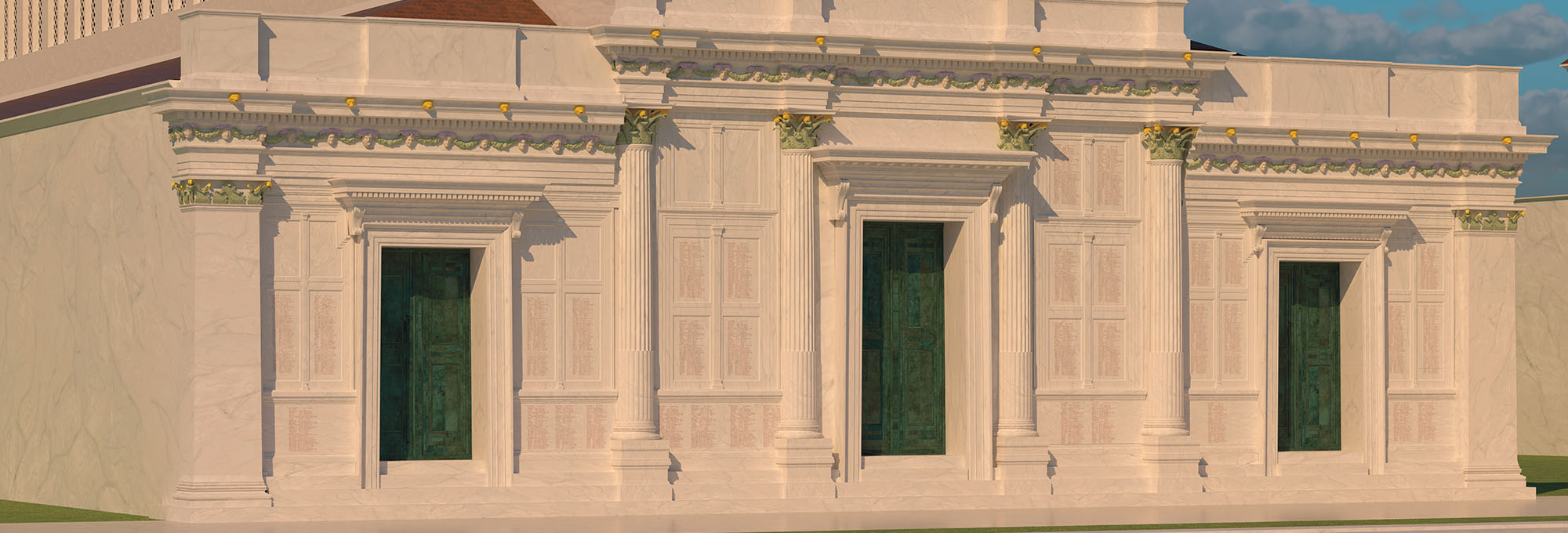
    A digital reconstruction shows how the Civil Basilica in the city of Aphrodisias in southwestern Anatolia would have appeared with the Edict of Maximum Prices inscribed on its facade.
    Ece Savaş and Philip Stinson
  • Features January/February 2026

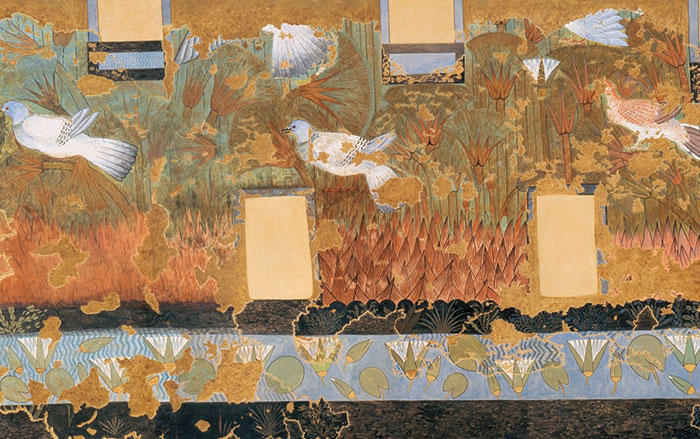
    The Birds of Amarna

    An Egyptian princess seeks sanctuary in her private palace

    Read Article
    The Metropolitan Museum of Art, New York/ Rogers Fund, 1930
  • Features January/February 2026

    Taking the Measure of Mesoamerica

    Archaeologists decode the sacred mathematics embedded in an ancient city’s architecture

    Read Article
    Courtesy Claudia I. Alvarado-León
  • Features January/February 2026

    Stone Gods and Monsters

    3,000 years ago, an intoxicating new religion beckoned pilgrims to temples high in the Andes

    Read Article
    The ritual center of Chavín de Huántar flourished in northern Peru.
    Courtesy John Rick