

TOKYO, JAPAN—According to a Science News report, paleoanthropologists Katsuhiro Sano of Tohoku University and Gen Suwa of the University of Tokyo have identified a 1.4-million-year-old hand ax made from a hippo’s leg bone at Ethiopia’s Konso-Gardula site. Tools at the site are thought to have been crafted by the human ancestor Homo erectus. The study suggests that the ax's oval shape was crafted by striking off the leg bone with one blow from a stone or bone hammer, and then chipped into its final shape with additional blows. Wear on the ax indicates it was used to cut or saw. The researchers explained that when combined with the variety of stone tools recovered from other Homo erectus sites in East Africa, the bone hand ax suggests that Homo erectus technology could have been more sophisticated and versatile than previously thought. To read about the recent find of the last known members of Homo erectus, go to "Around the World: Indonesia."
1.4-Million-Year-Old Bone Hand Ax Identified
News July 13, 2020
Recommended Articles
Digs & Discoveries March/April 2026
The Path Not Taken
Digs & Discoveries July/August 2025
The Bone Toolkit

Digs & Discoveries November/December 2021
China's New Human Species
Digs & Discoveries January/February 2021
The Bone Collector
More to Discover
Features May/June 2020
Weapons of the Ancient World
How people of the past developed arms to master the challenges of their time
-
Features May/June 2020
A Path to Freedom
At a Union Army camp in Kentucky, enslaved men, women, and children struggled for their lives and fought to be free
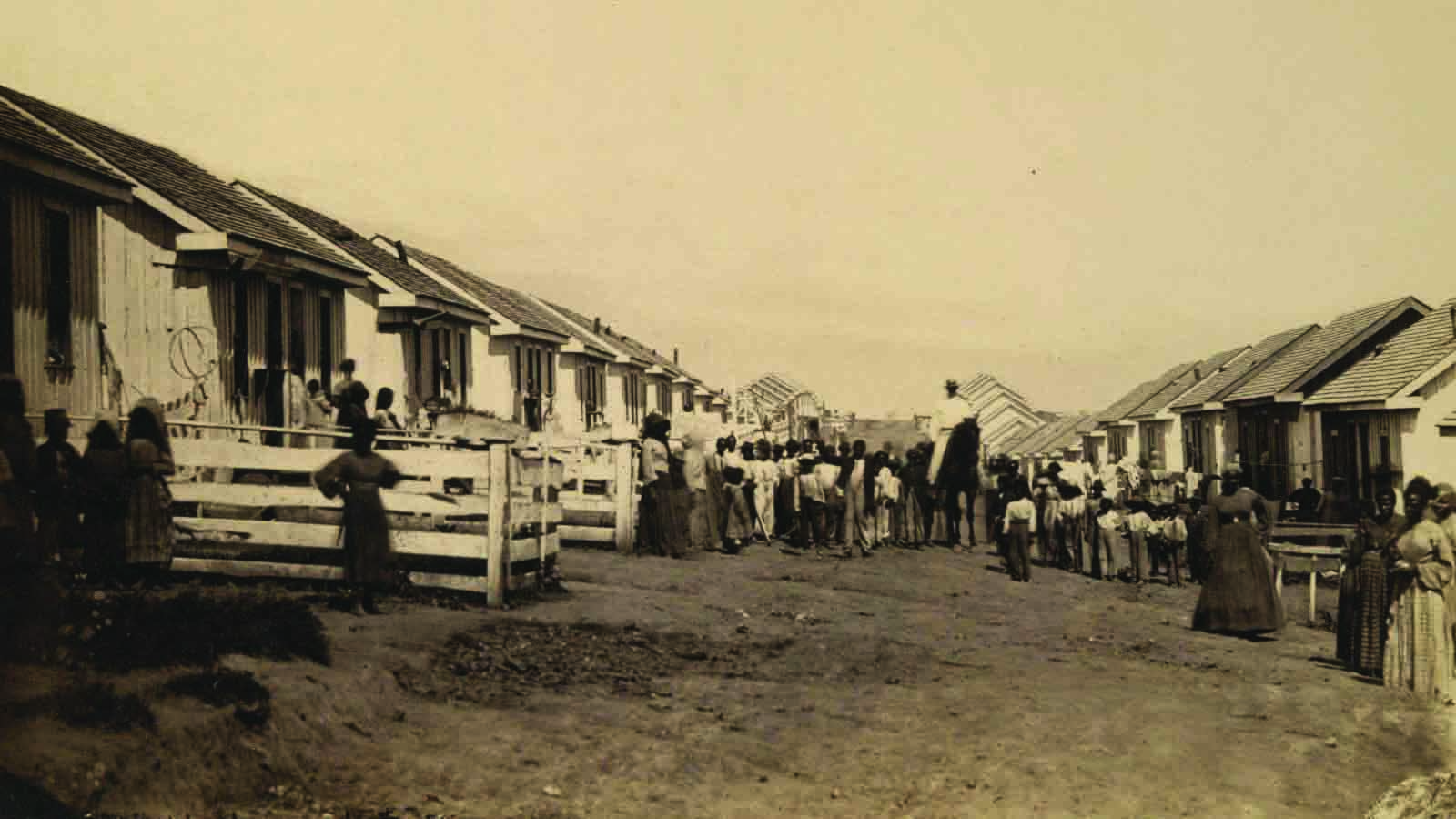 (National Archives Records Administration, Washington, DC)
 -
Features May/June 2020
Villages in the Sky
High in the Rockies, archaeologists have discovered evidence of mountain life 4,000 years ago
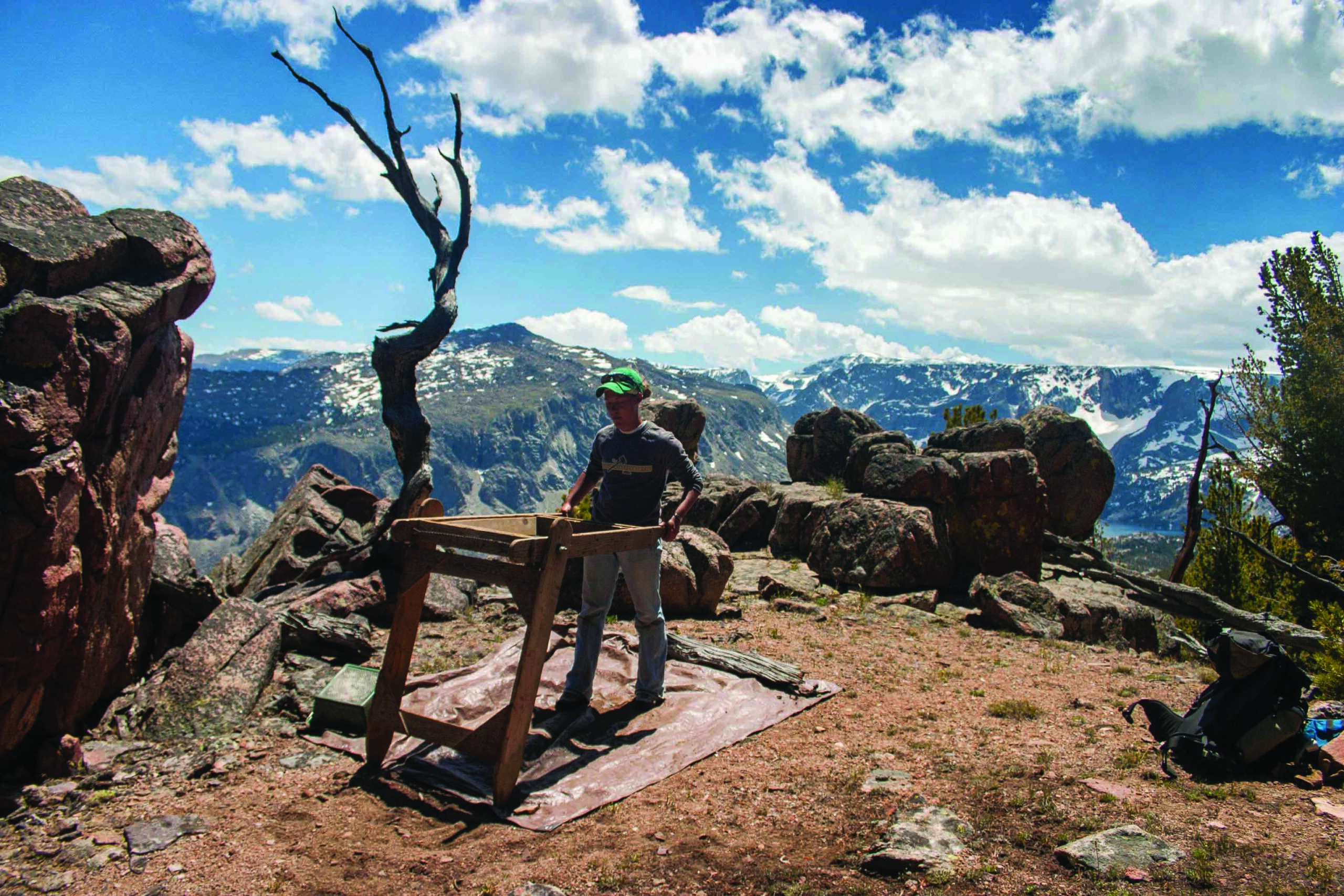 (Matt Stirn)
 -
Letter from Morocco May/June 2020
Splendor at the Edge of the Sahara
Excavations of a bustling medieval city tell the tale of a powerful Berber dynasty
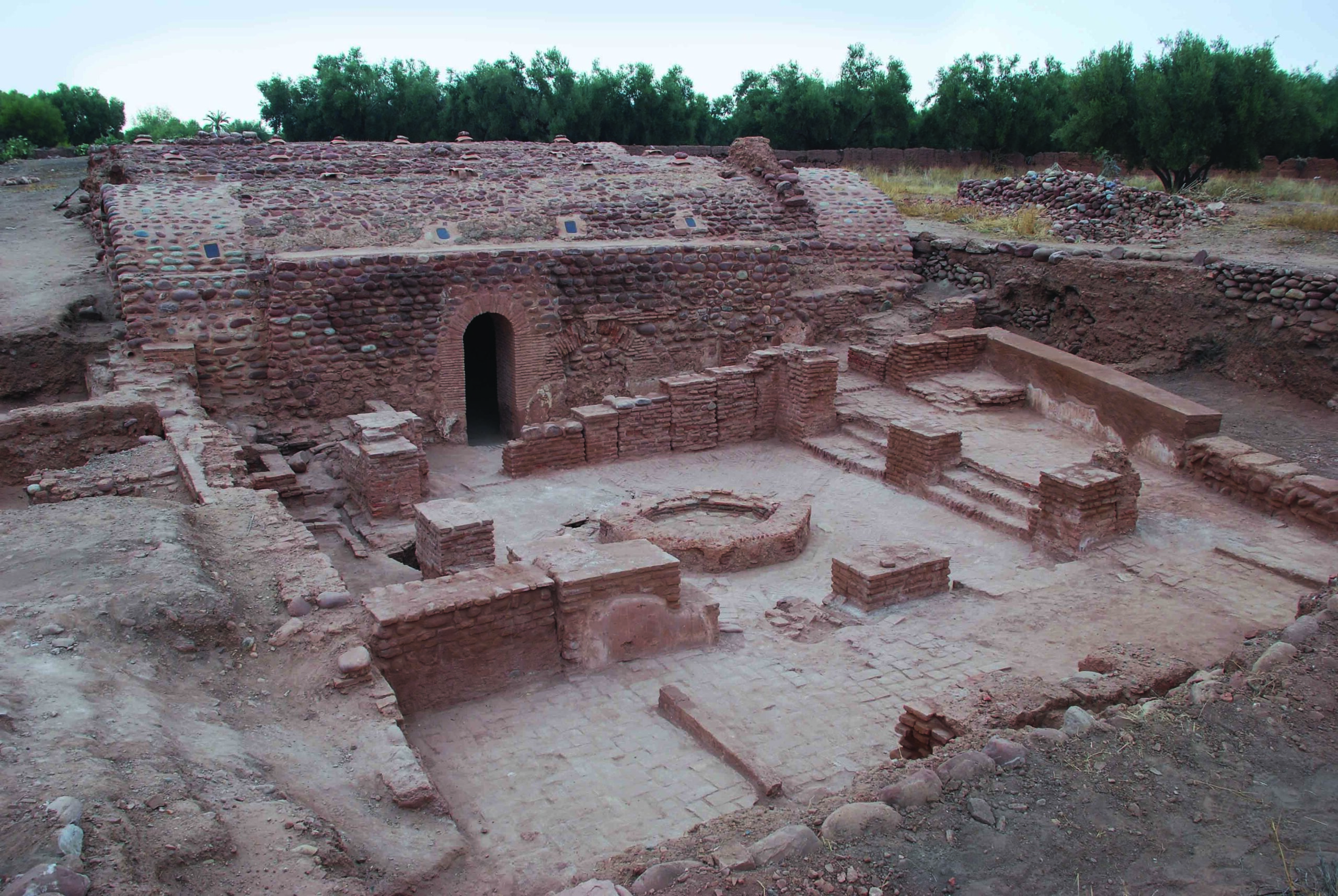 (Photo Courtesy Chloé Capel)
 -
Artifacts May/June 2020
Torah Shield and Pointer
 (Courtesy Michał Wojenka/Jagiellonian University Institute of Archaeology)