

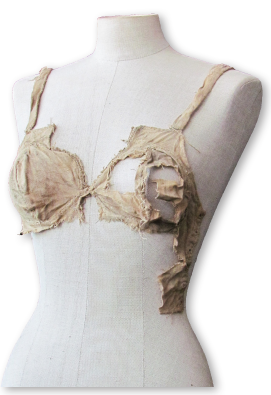
When archaeologists pulled up the floorboards during extensive restoration work at Lengberg Castle in Austria, they found a space filled with dry organic material, including branches and straw, processed wood, leather, shoes, yarn, rope, and more than 2,700 textile fragments. Among the textiles were 17 linen shirts, a complete pair and a fragment of men’s underwear, and four lace-decorated linen bras—which push back the earliest date for this type of women’s undergarment more than 500 years. Using both their archaeological context—the fill layer was likely created during a fifteenth-century renovation of the castle—and radiocarbon analysis of fibers from two of the bras, Beatrix Nutz of the University of Innsbruck dated the garments to between A.D. 1390 and 1485. There are numerous medieval written sources that describe bras as “breastbags,” but until this discovery no one had any idea what these garments looked like. According to Nutz, we also know from contemporary sources that women likely made the garments themselves and did not rely on male tailors. The discovery will enable archaeologists and clothing historians to learn more about tailoring by women.
Medieval Fashion Statement
Recommended Articles
Off the Grid September/October 2026
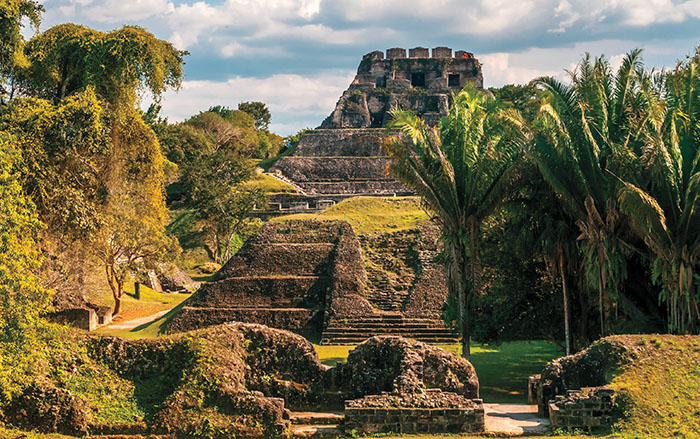
Xunantunich, Belize
Learning to draw monkeys at an ancient Maya art academy
Letter from Ireland September/October 2026
A War Between Friends
How IRA volunteers survived the Irish Civil War in a secret mountain hideout

Features September/October 2026
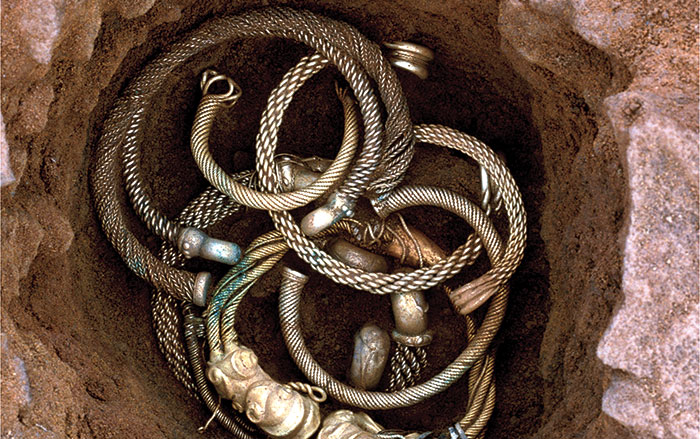
A Change in Fashion
Hoards of lavish gold and silver neck rings buried on an English hill reflect dramatic social change
Features September/October 2026
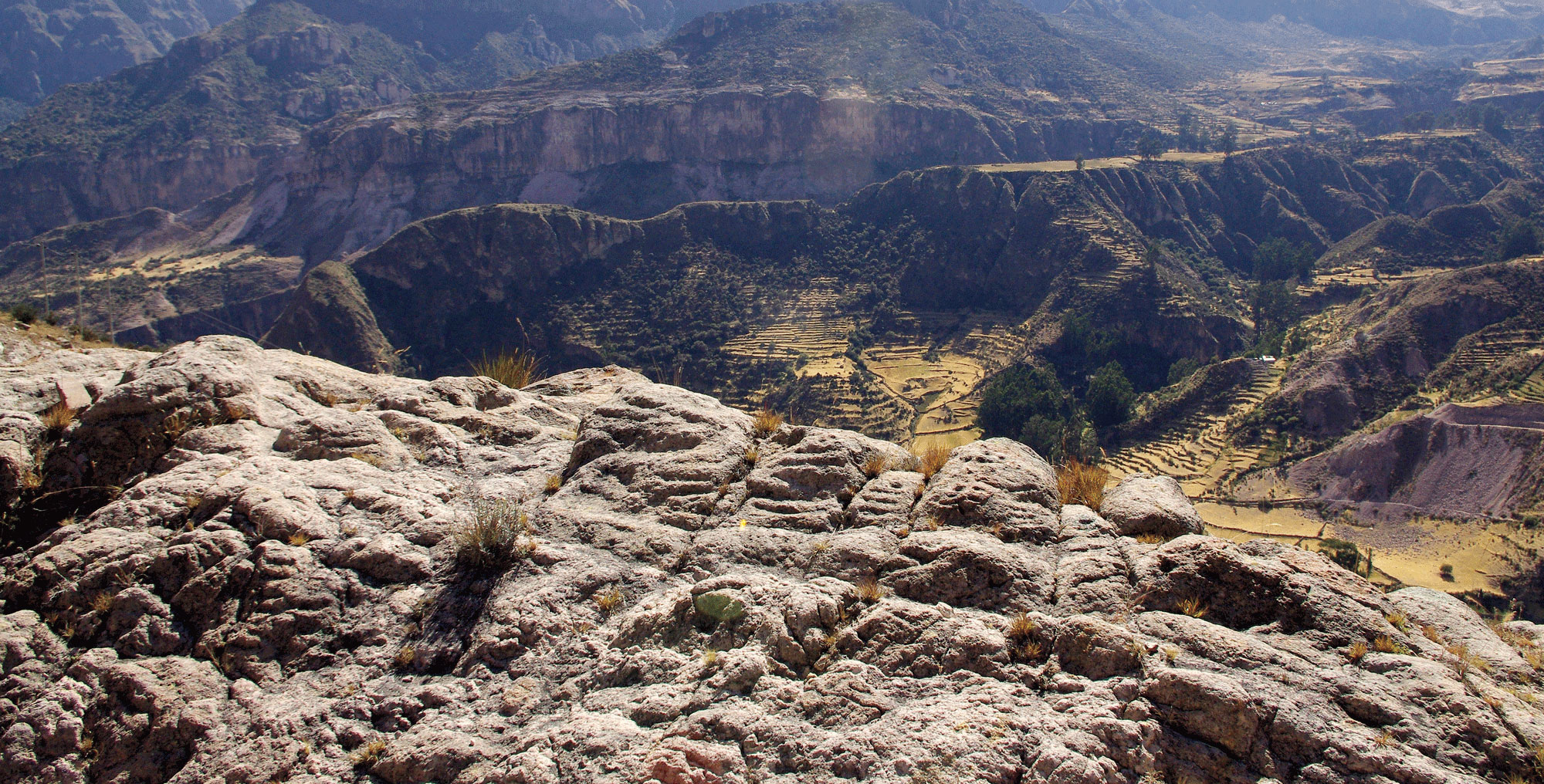
Cultivating Fields of Stone
Peru’s ancient farmers used intricate rock maps to plan for the future
More to Discover
Features November/December 2012
The Maya Sense of Time
As one Maya calendar reaches the end of a cycle, we take a look at how an ancient people understood their place in the cosmos

-
Features November/December 2012
Zeugma After the Flood
New excavations continue to tell the story of an ancient city at the crossroads between east and west
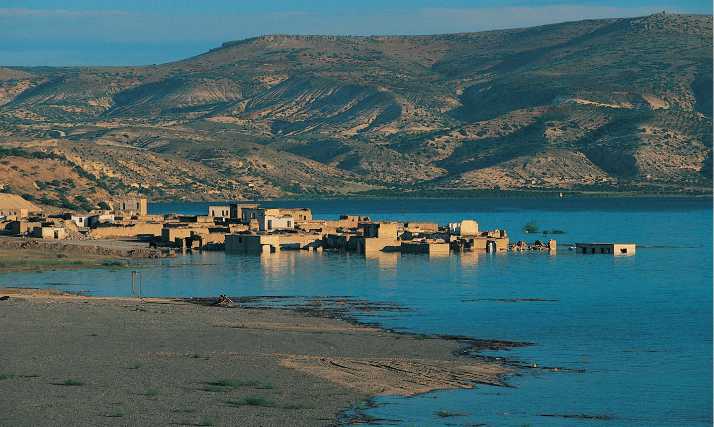 (Hasan Yelken/Images & Stories)
 -
Letter from India November/December 2012
Living Heritage at Risk
Searching for a new approach to development, tourism, and local needs at the grand medieval city of Hampi
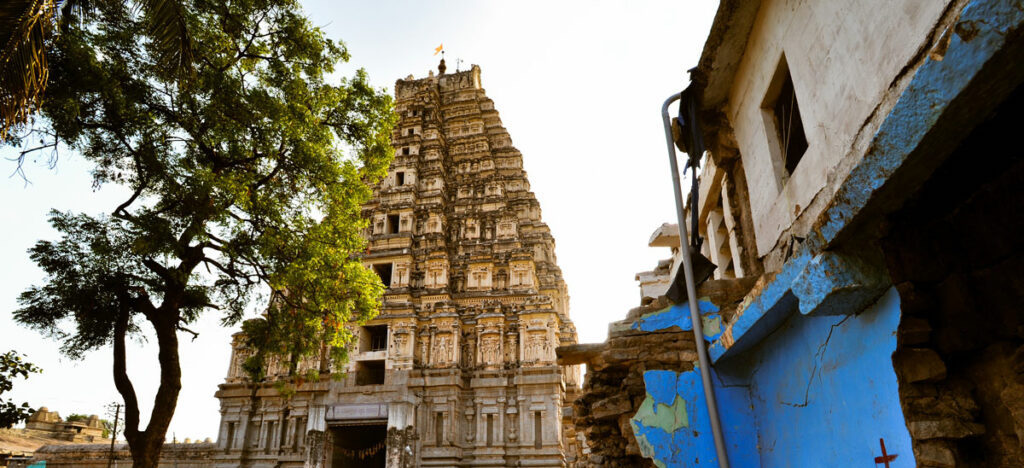 (Gethin Chamberlain)
 -
Artifacts November/December 2012
Beaker Vessels
Ceramic beakers were the vessels of choice for the so-called “Black Drink” used at Cahokia by Native Americans in their purification rituals
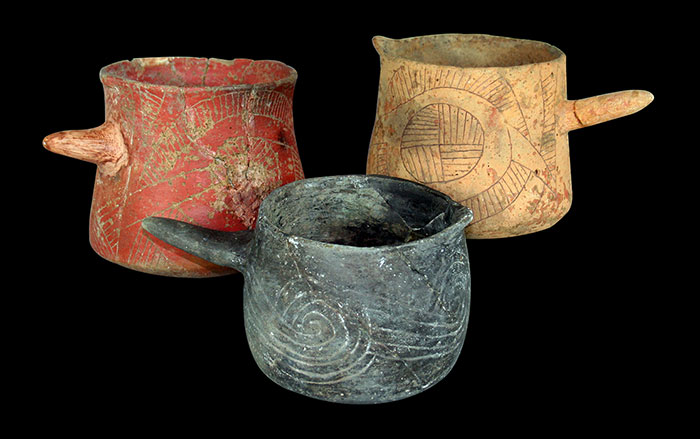 (Linda Alexander, photographer, use with permission of the Illinois State Archaeological Society)
 -
Digs & Discoveries November/December 2012
The Desert and the Dead
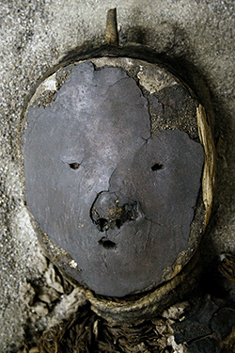 (Courtesy Bernardo Arriaza)