The Precious

Digs & Discoveries January/February 2012

SHARE:

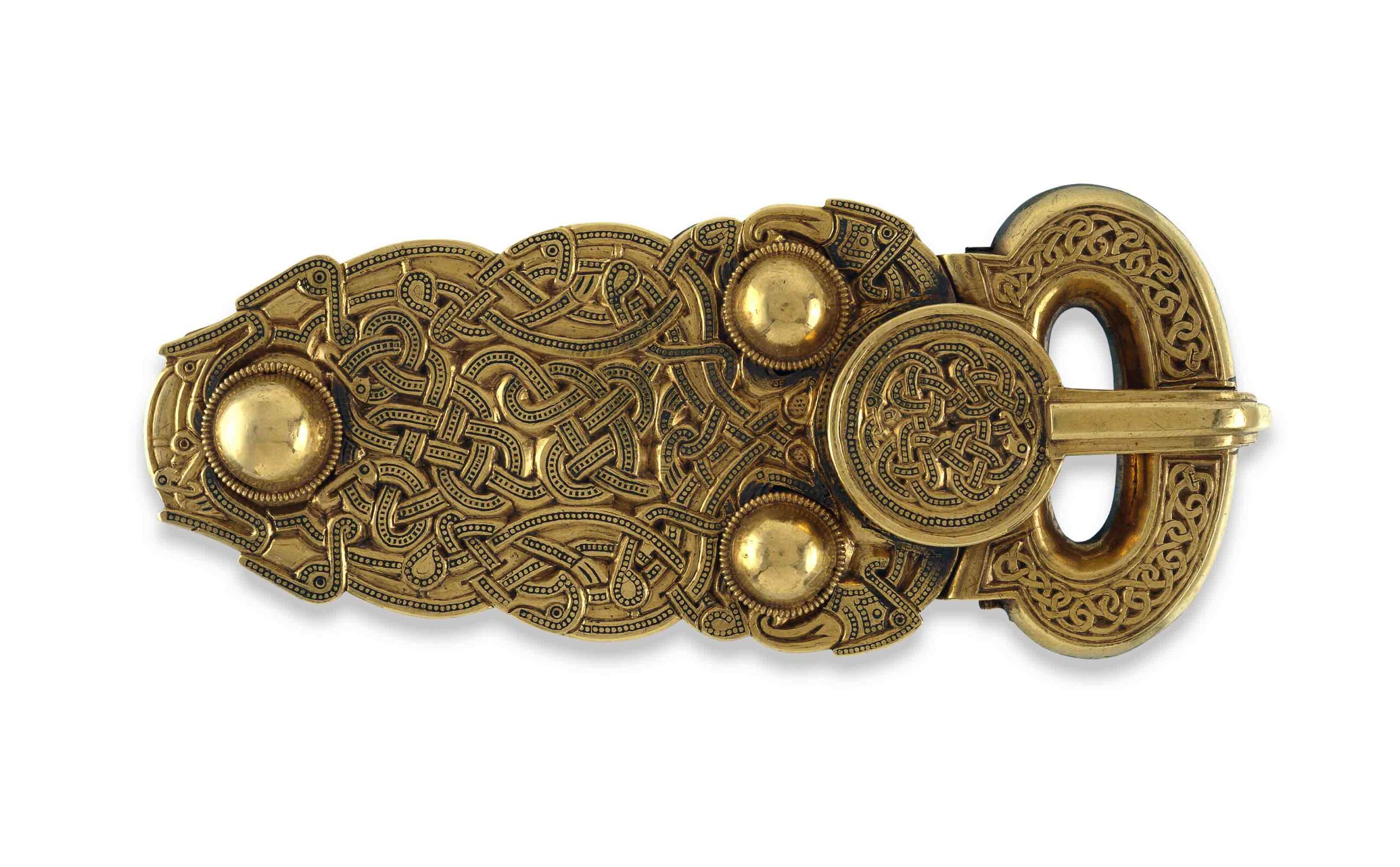
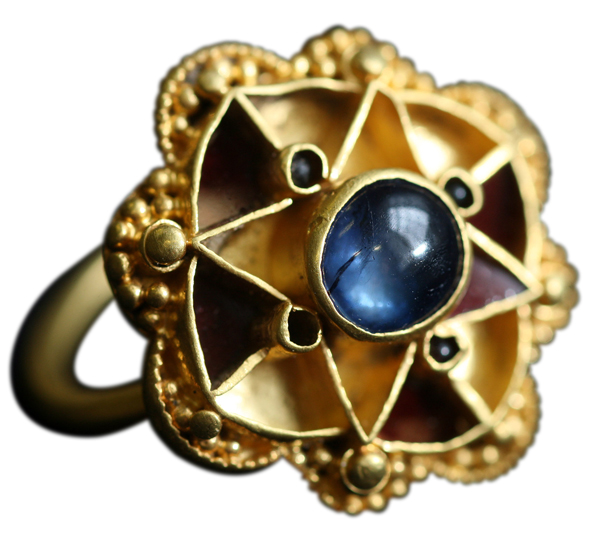
In the medieval period, wearing sapphires was a privilege reserved for royalty, nobility, and high-ranking clergy. Then, as now, sapphires were thought to bring good fortune, mental clarity, and spiritual enlightenment to the wearer. The intricate gold beading combined with the use of sapphire on this ring found in York, England, could date it to the Viking period (tenth to eleventh centuries A.D.). However, the jewelry more likely dates to between the seventh and ninth centuries A.D. The use of gold inlaid with red and blue glass is typical of jewelry from East Anglia, a kingdom in eastern England first settled in the fifth century A.D. To make the ring more impressive and suitable for royalty, a jeweler used precious stones instead of red or blue glass.


  • Features January/February 2012

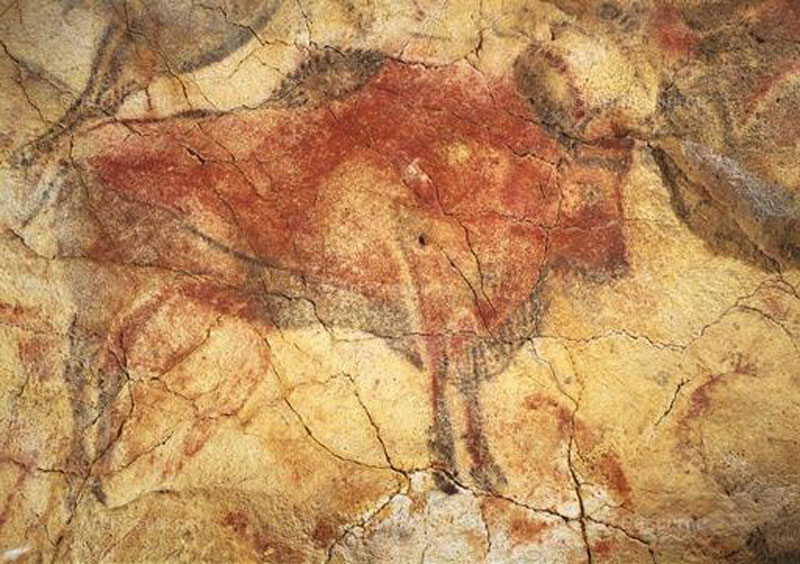
    Altamira Cave - Spain

    a policy article published in the journal Science in October 2011, Spanish scientists argued against the reopening of Altamira Cave, a UNESCO World Heritage Site. The cave contains multicolored cave paintings featuring several red bison, dating back 14,000 years to the Upper Paleolithic.

    Read Article
  • Features January/February 2012

    Texas - United States

    From October 2010 to the end of September 2011, Texas received the smallest amount of rainfall ever recorded over a 12-month period. he receding waters are affecting local ARCHAEOLOGY, exposing sites that have been underwater for decades.

    Read Article
  • Features January/February 2012

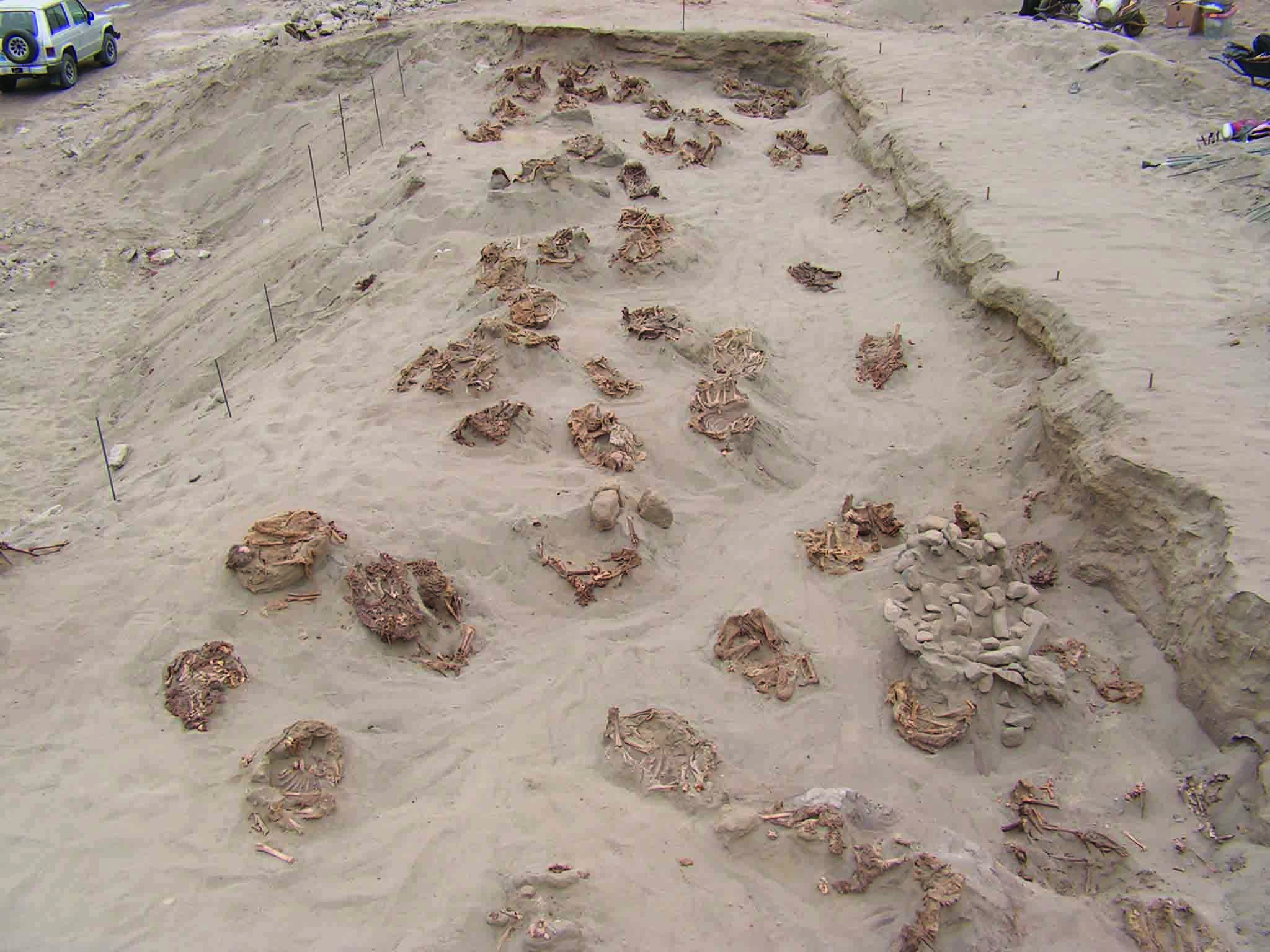
    A Society's Sacrifice

    Why the Chimú people of ancient Peru offered what was most valuable to them

    Read Article
    (Courtesy Angiolina Abugattas)
  • Features January/February 2012

    Mountaintop Rescue

    ARCHAEOLOGY, coal, and activism collide in the Appalachian Mountains at the site of America's largest labor conflict.

    Read Article