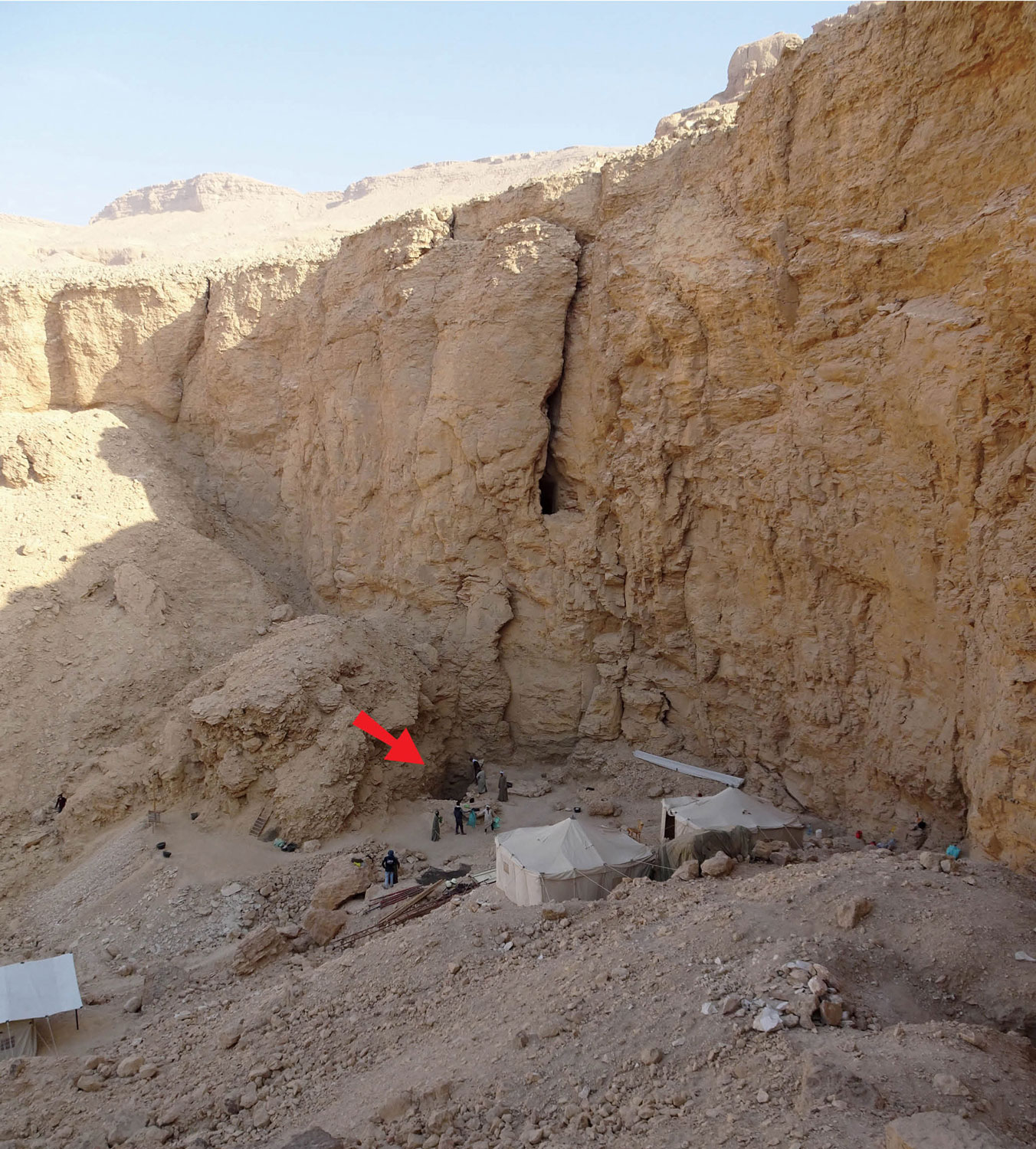
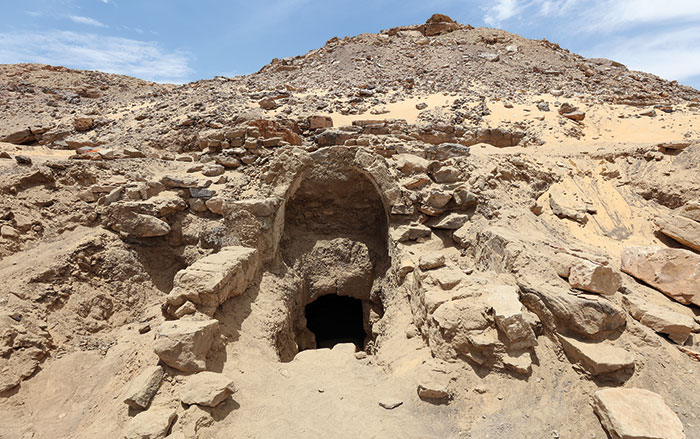
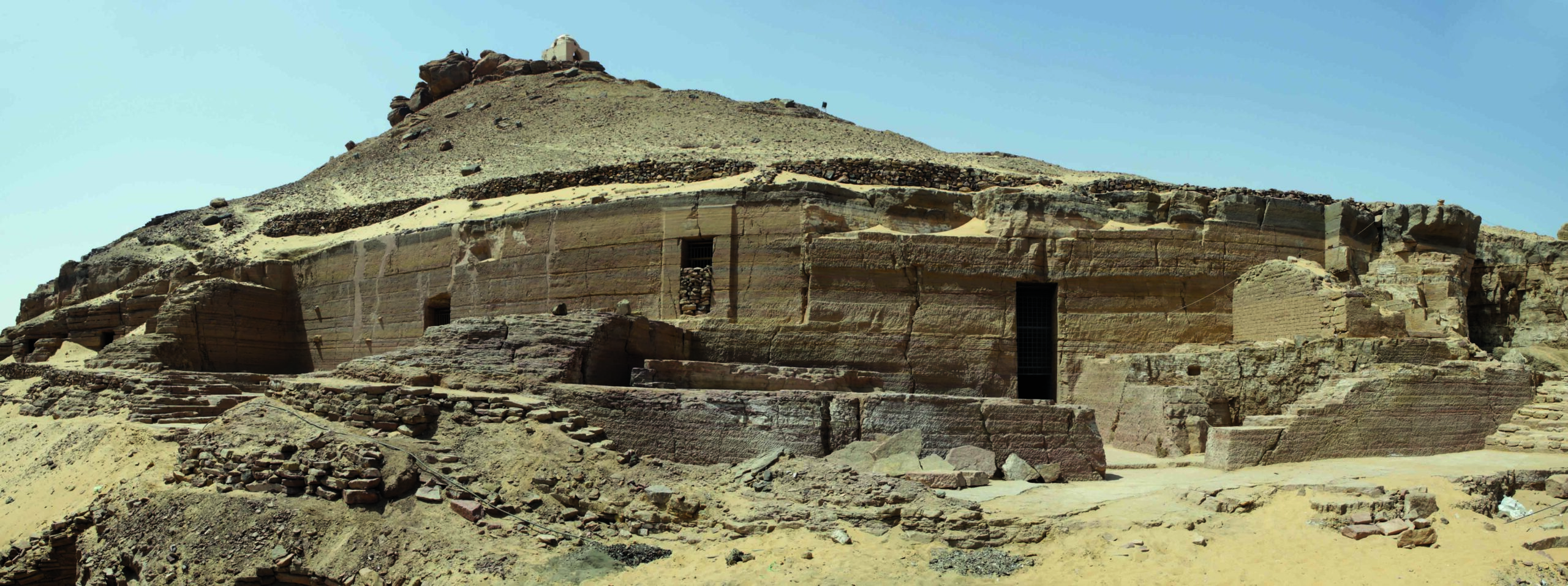
At first, the team thought they had found a woman’s tomb at the end of the 30-foot-long corridor filled nearly to the ceiling with fallen rock and flood debris. As they excavated the tomb chamber, however, they slowly amassed evidence indicating that wasn’t the case. “We never dreamt that we had found a king’s tomb, let alone the tomb of an Eighteenth Dynasty pharaoh,” says Egyptologist Piers Litherland of the New Kingdom Research Foundation Mission to the Western Wadis.
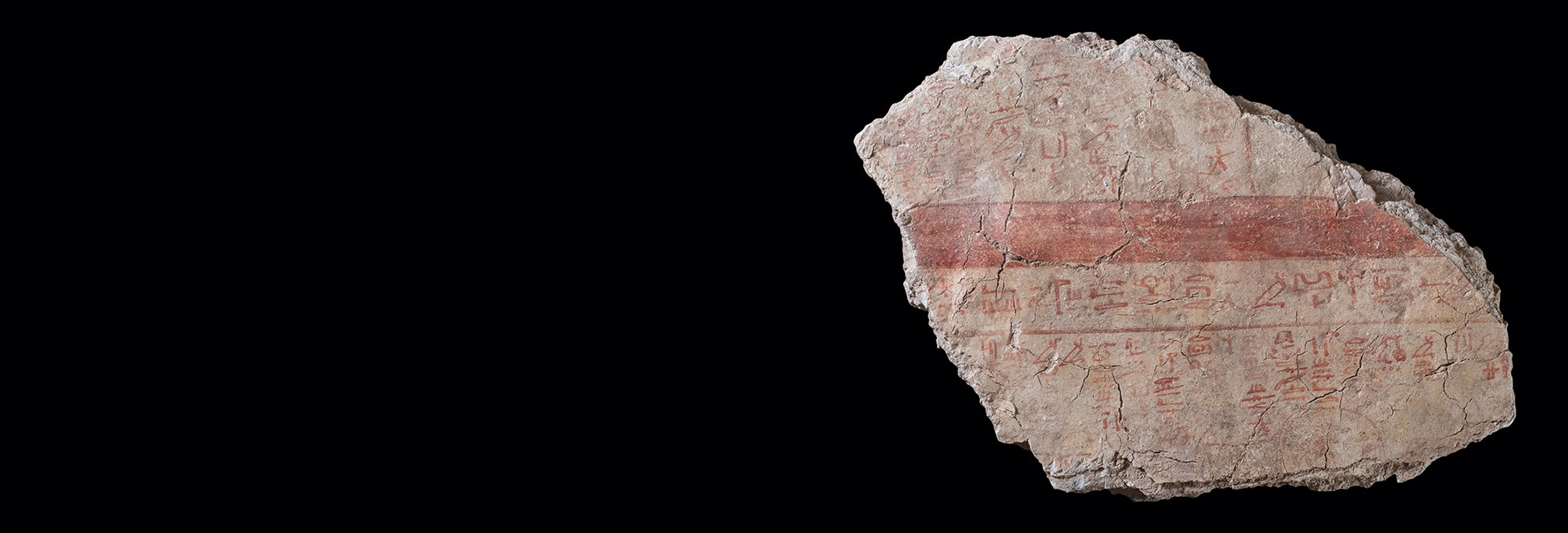
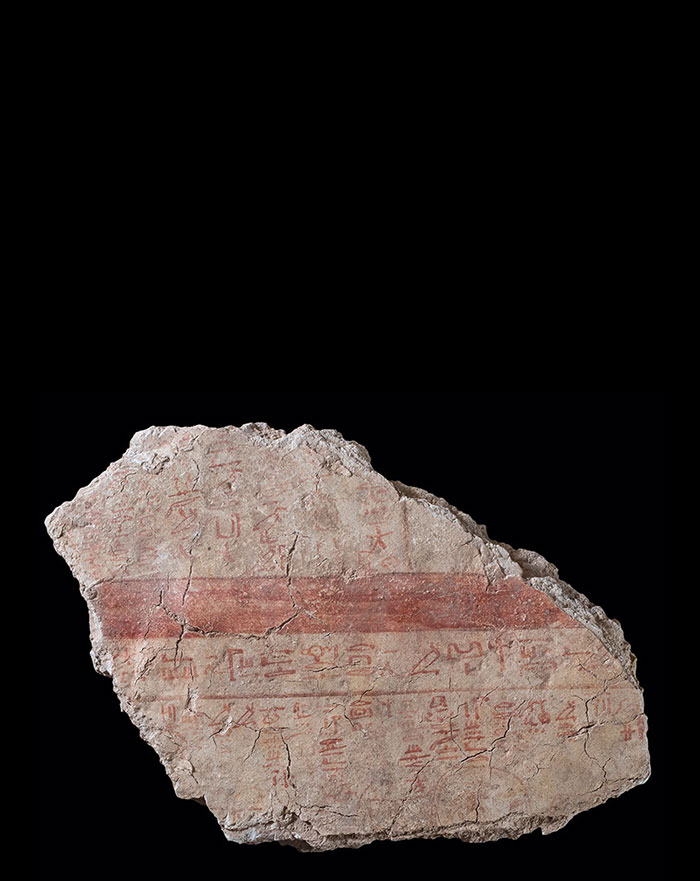
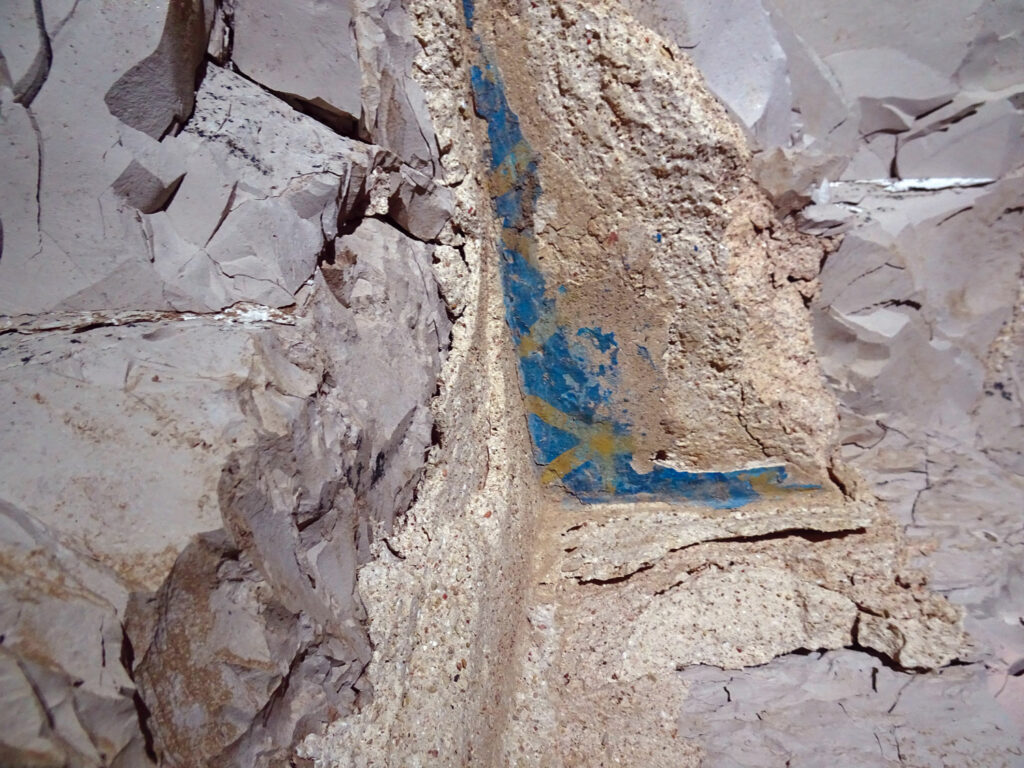
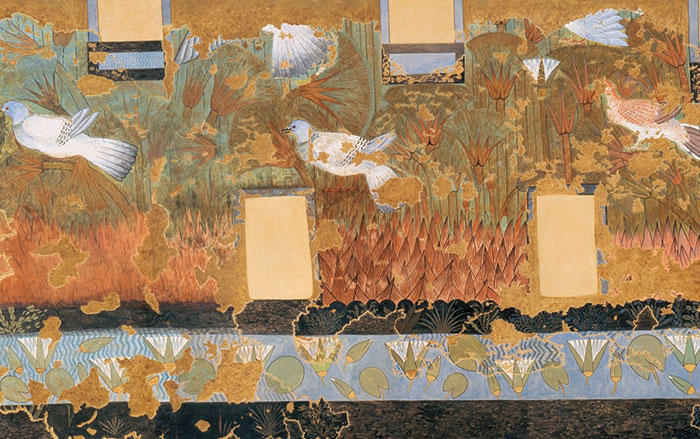
Archaeologists saw small patches of painted plaster on the chamber’s walls, and, in one corner, a tiny area of ceiling painted blue with yellow stars. Yet royal women’s tombs from the 18th Dynasty (ca. 1550–1295 b.c.) were never decorated, and starred ceilings in particular were reserved for kings. On the chamber walls, the team also uncovered parts of the Amduat—a text that guided deceased pharaohs on their dangerous nighttime journey to reunite with the sun at dawn. During the 18th Dynasty, tomb illustrations of the Amduat were also the sole prerogative of pharaohs. Nonetheless, team members were hesitant to conclude that they had discovered a pharaoh’s burial. “We initially explained the decorations as probably being exceptions to the rules which Egyptologists lay down,” says Litherland. “I can’t stress enough how reluctant one is to accept something as unusual as this. Your mind looks for any other explanation, because the implications of thinking this was a king’s tomb are too immense.”
Starred ceiling, Tomb of Thutmose II, Thebes, Egypt
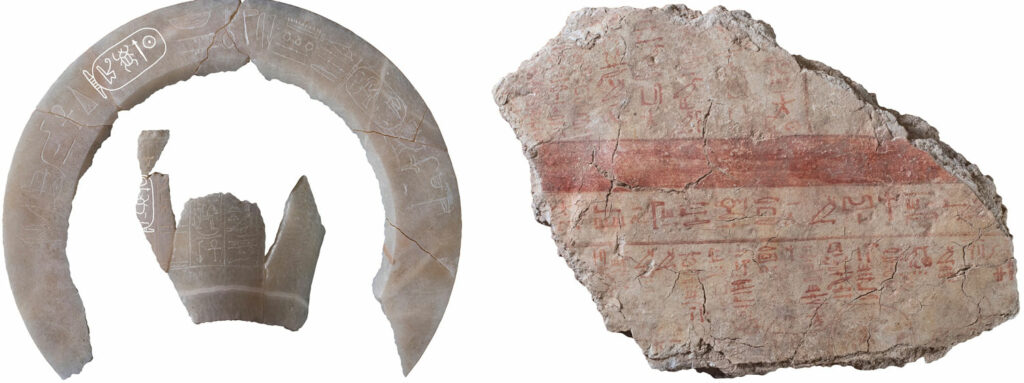
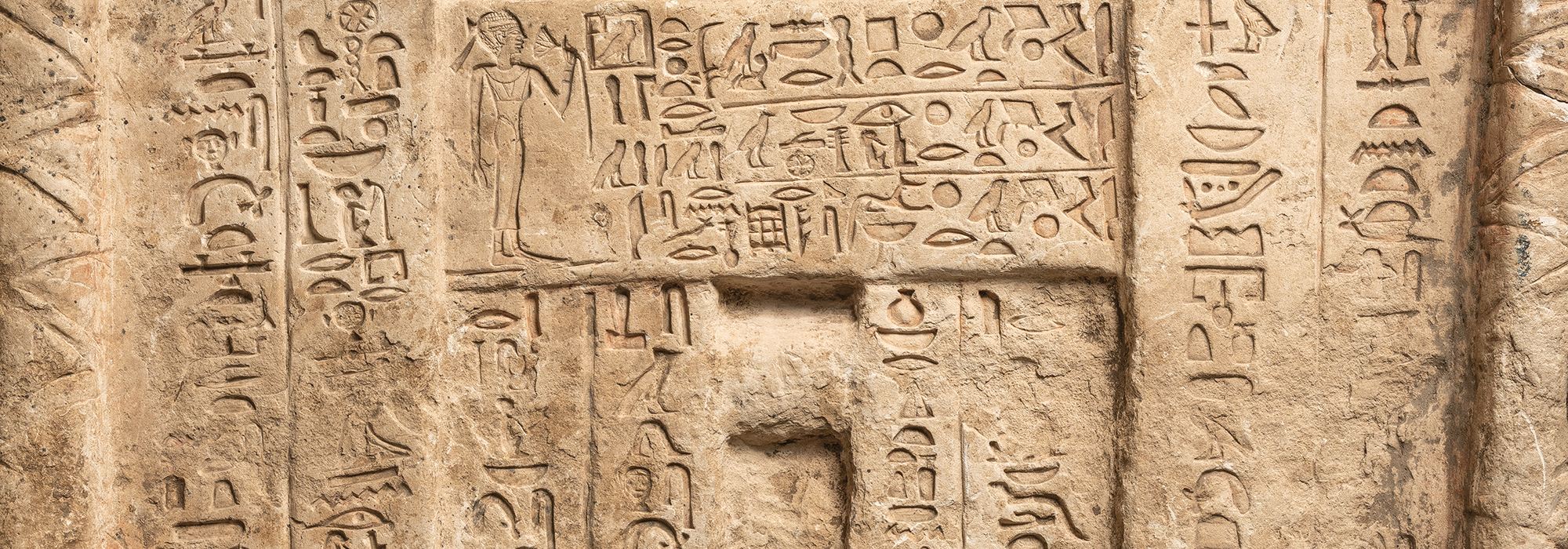
It took one more piece of evidence for the team to be certain they had discovered not just any pharaoh’s tomb, but that of Thutmose II (reigned ca. 1492–1479 b.c.), the fourth ruler of the dynasty that included the pharaohs Amenhotep III, Akhenaten, and Tutankhamun. They were able to reassemble fragments of an alabaster jar that includes a dedication reading the “great chief wife, his beloved…Hatshepsut made this monument for her brother, the king of Upper and Lower Egypt, Aa-khpere-en-re, true of voice.” The only pharaoh to have been married to Hatshepsut was her half-brother Thutmose II. Later, the archaeologists found the curved rim of another alabaster jar that contained a nearly identical dedication from the queen to her husband. The last undiscovered tomb of an 18th Dynasty pharaoh had finally been found.
Rim of alabaster jar with name of Thutmose II and fragments of alabaster jar with names of Thutmose II and Hatshepsut (left); fragment of the Amduat from Tomb of Thutmose II (right)
3,000 years ago, an intoxicating new religion beckoned pilgrims to temples high in the Andes
Read Article
Courtesy John Rick
NEVER MISS AN UPDATE
Sign up for our monthly e-Update which includes highlights of the current issue, links to special collections from the magazine’s archive, and opportunities available only for subscribers.