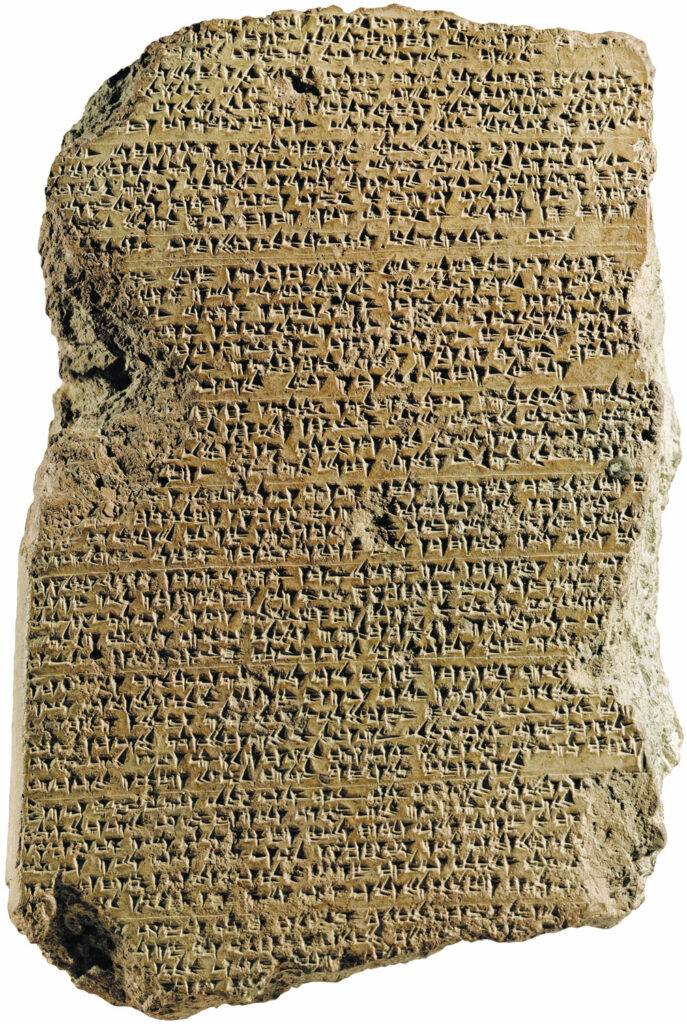
Ever since eighteenth-century scholars recognized that Latin, Greek, and Sanskrit all descended from a common language, researchers have been consumed with determining who first spoke this ancient tongue. Known as Proto-Indo-European, it is the common ancestor of all the languages that belong to the Indo-European language family, which include English, Hindi, Persian, and hundreds of others. Today, almost half the planet’s population speaks one of these languages. An early form of Proto-Indo-European also contributed to the language that eventually became Hittite, which was spoken in Anatolia during the Bronze Age (ca. 3000
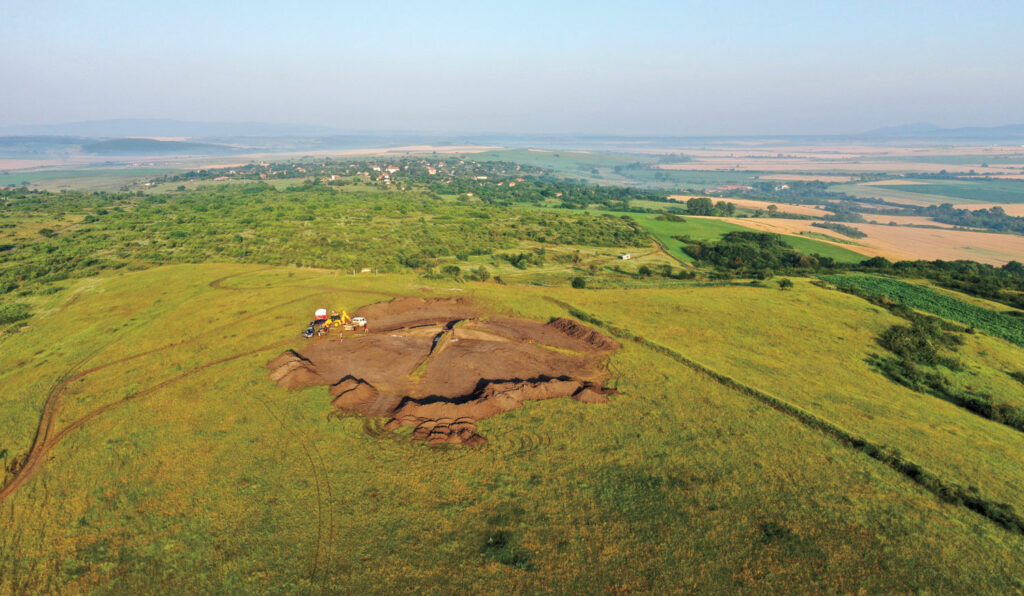
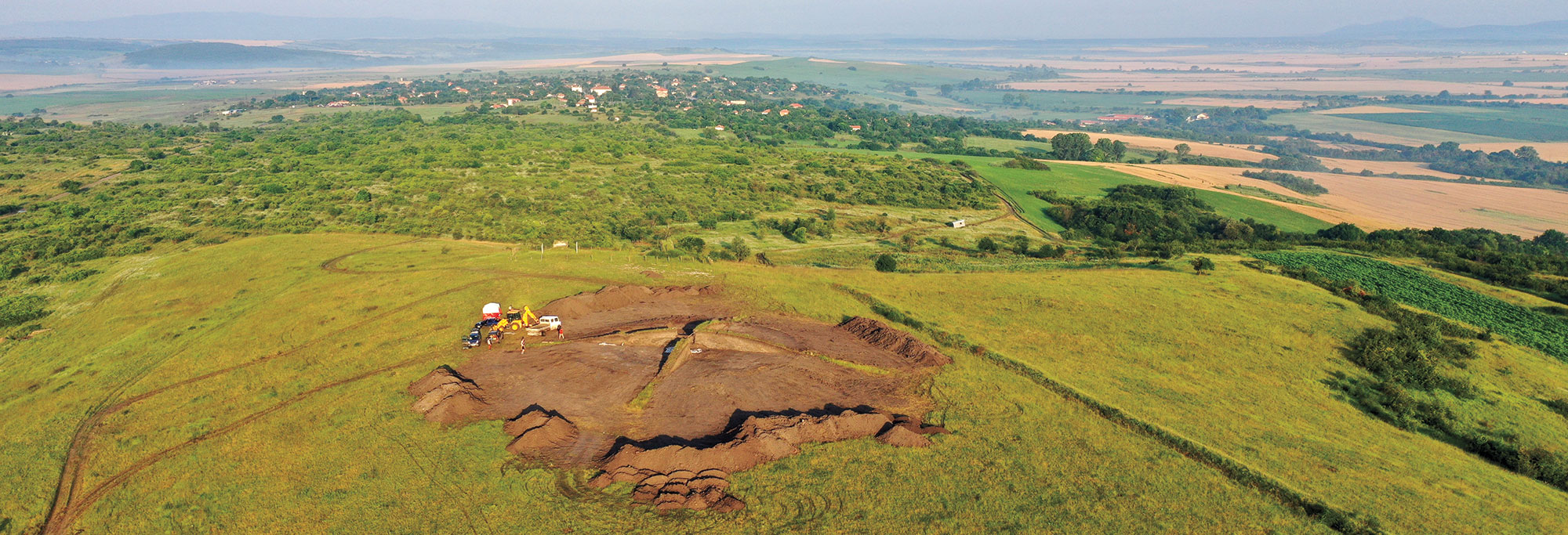
Archaeological, linguistic, and genetic evidence suggests that a nomadic Bronze Age culture called the Yamnaya, who built massive burial mounds known as kurgans in the steppe north of the Black Sea, spoke a form of Proto-Indo-European. Beginning around 3100 b.c., the Yamnaya migrated as far as Bulgaria and western Siberia, spreading their language with them. But their links to the Hittite speakers of Anatolia have long been mysterious, especially as previous genetic studies had established no links between the two cultures.
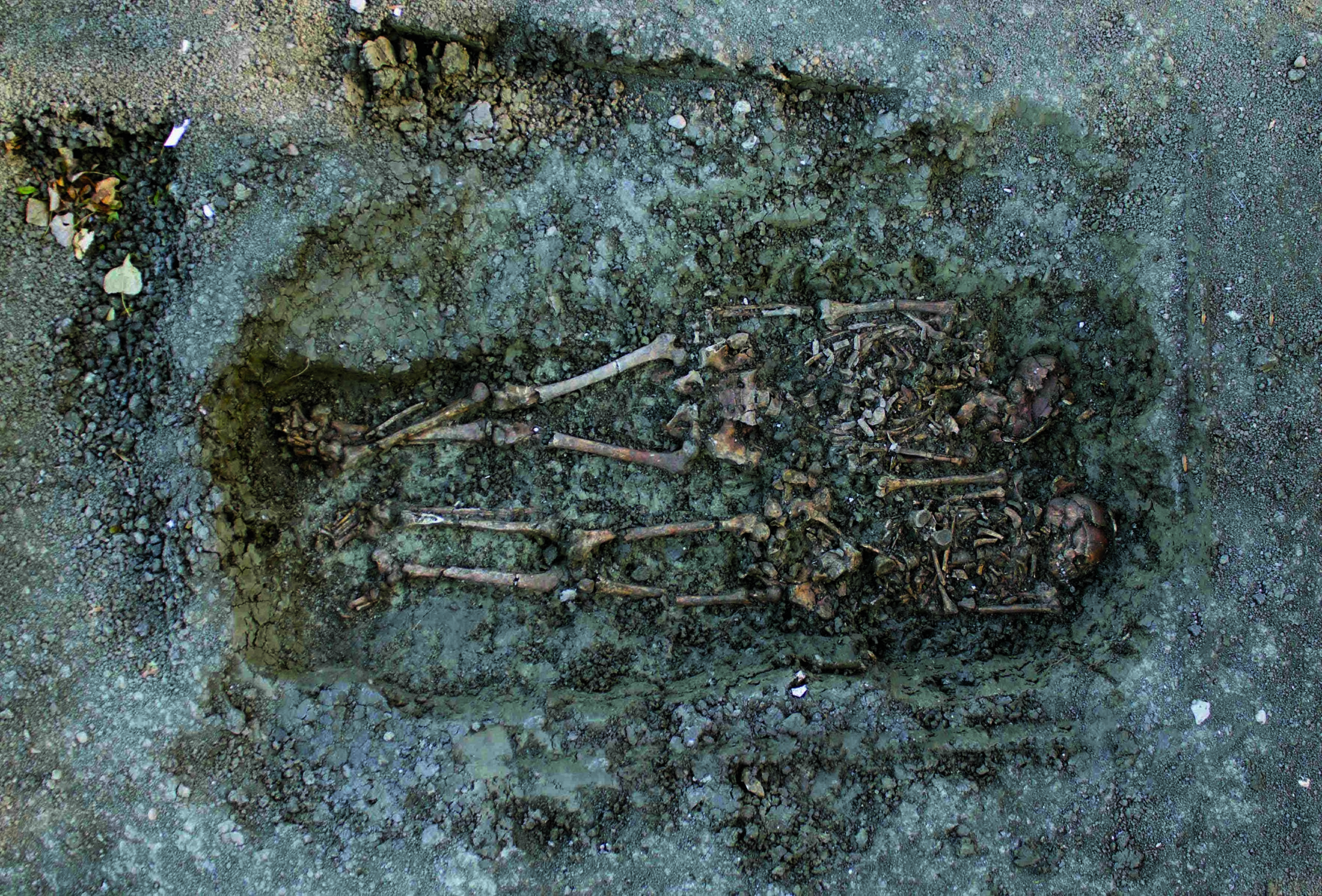
A new DNA study of more than 400 ancient people from eastern Ukraine and southern Russia shows that both the Yamnaya and ancestral Hittite speakers descended from an eclectic Eneolithic, or Copper Age (ca. 4500