JORDAN

Around the World September 1, 2011

SHARE:

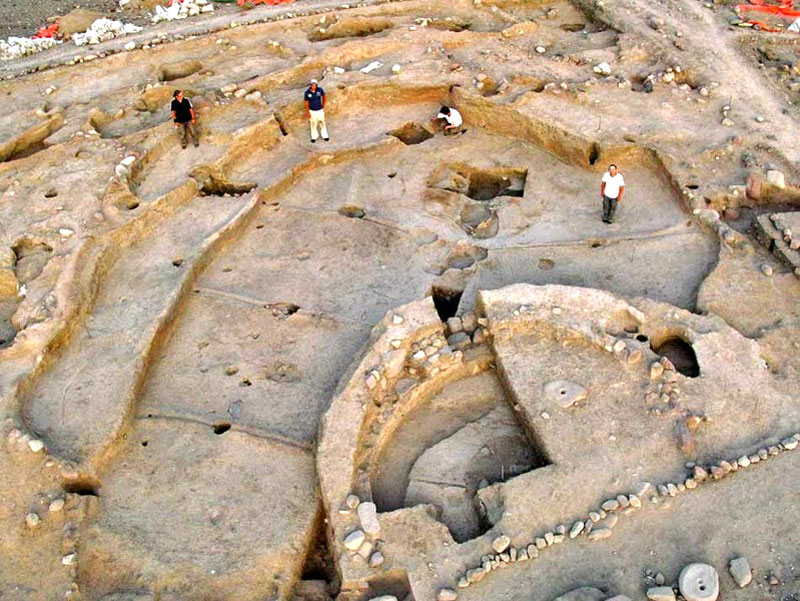
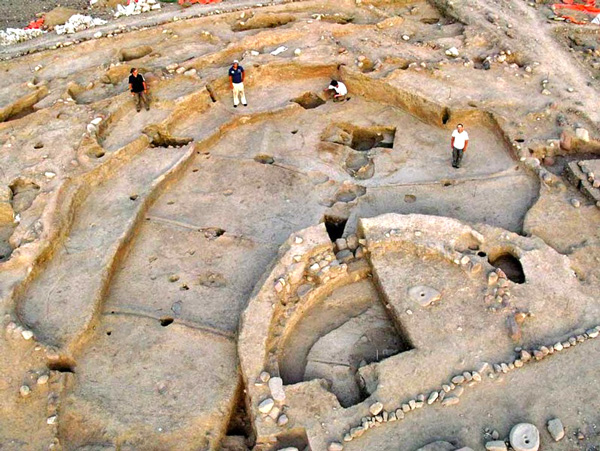
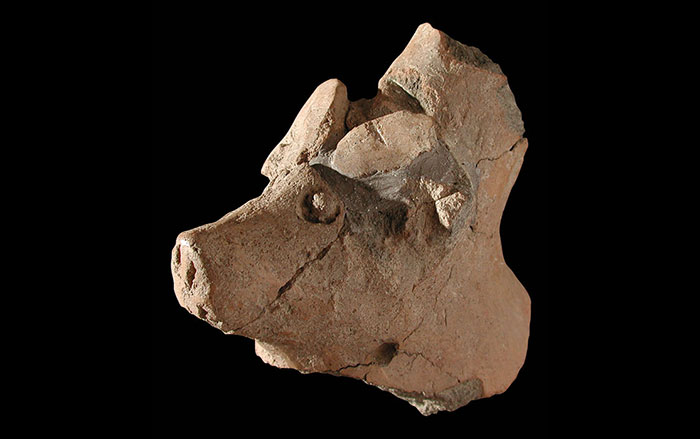
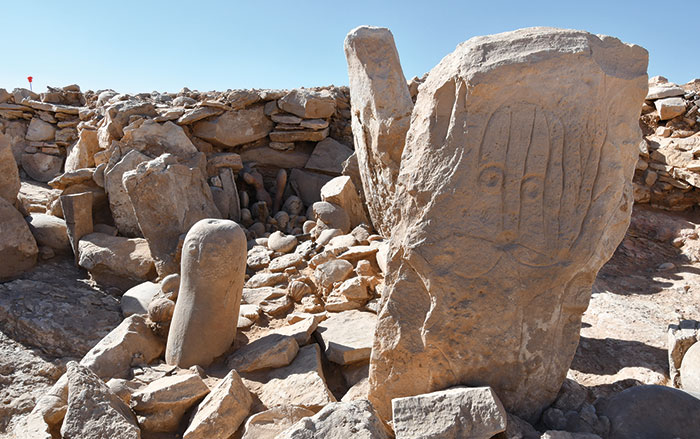
JORDAN: At Wadi Faynan, excavations of a site belonging to the Pre-Pottery Neolithic A culture suggest that the first buildings weren't necessarily homes or ritual spaces—but rather community centers for shared work. An oval-shaped mud building at the site, which dates to over 11,000 years ago, had mortars set into the floor, perhaps to process cultivated wild plants. Archaeologists believe there was little distinction between domestic and ritual spaces. Such divisions would come later, alongside the advent of agriculture.
  • Features January/February 2026

    The Cost of Doing Business

    Piecing together the Roman empire’s longest known inscription—a peculiarly precise inventory of prices

    Read Article
    A digital reconstruction shows how the Civil Basilica in the city of Aphrodisias in southwestern Anatolia would have appeared with the Edict of Maximum Prices inscribed on its facade.
    Ece Savaş and Philip Stinson
  • Features January/February 2026

    The Birds of Amarna

    An Egyptian princess seeks sanctuary in her private palace

    Read Article
    The Metropolitan Museum of Art, New York/ Rogers Fund, 1930
  • Features January/February 2026

    Taking the Measure of Mesoamerica

    Archaeologists decode the sacred mathematics embedded in an ancient city’s architecture

    Read Article
    Courtesy Claudia I. Alvarado-León
  • Features January/February 2026

    Stone Gods and Monsters

    3,000 years ago, an intoxicating new religion beckoned pilgrims to temples high in the Andes

    Read Article
    The ritual center of Chavín de Huántar flourished in northern Peru.
    Courtesy John Rick