PALAU

Around the World January 1, 2011

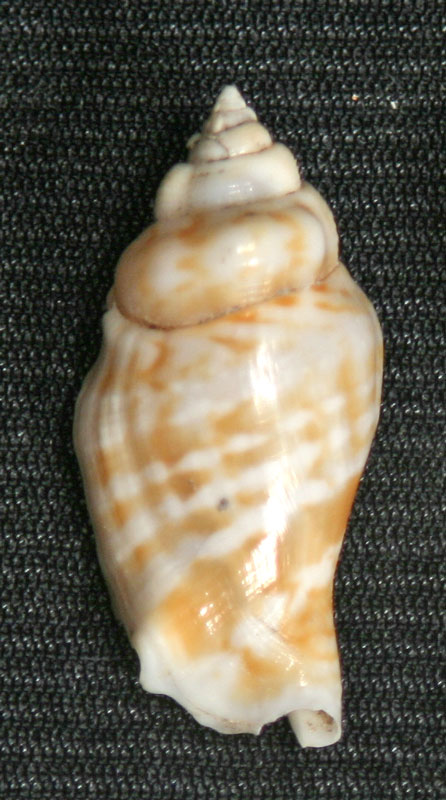
Think of a heavily fished lake—few fish survive to grow to full size. Human presence might have had the opposite effect on the humped conch, a small sea snail that has been eaten for thousands of years.
SHARE:

PALAU: When humans hunt or harvest an animal, individuals of that species often get smaller. Think of a heavily fished lake—few fish survive to grow to full size. Human presence might have had the opposite effect on the humped conch, a small sea snail that has been eaten for thousands of years. As human population has grown, the average size of the conchs has—in defiance of conventional wisdom—crept upward. This might be caused by human activity and agriculture adding nutrients to the water. 

  • Features January/February 2026

    Taking the Measure of Mesoamerica

    Archaeologists decode the sacred mathematics embedded in an ancient city’s architecture

    Read Article
    Courtesy Claudia I. Alvarado-León
  • Features January/February 2026

    Stone Gods and Monsters

    3,000 years ago, an intoxicating new religion beckoned pilgrims to temples high in the Andes

    Read Article
    The ritual center of Chavín de Huántar flourished in northern Peru.
    Courtesy John Rick
  • Features November/December 2025

    Secrets of the Seven Wonders

    How archaeologists are rediscovering the ancient world's most marvelous monuments

    Read Article
    © The Trustees of the British Museum
  • Features November/December 2025

    Acts of Faith

    Evidence emerges of the day in 1562 when an infamous Spanish cleric tried to destroy Maya religion

    Read Article
    Adriana Rosas/Alamy