Skuldelev Ships

History's 10 Greatest Wrecks... March 1, 2013

Denmark
(The Bridgeman Art Library)
SHARE:

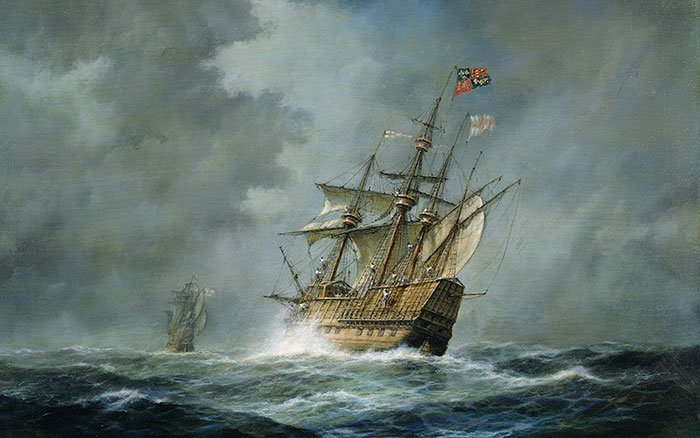
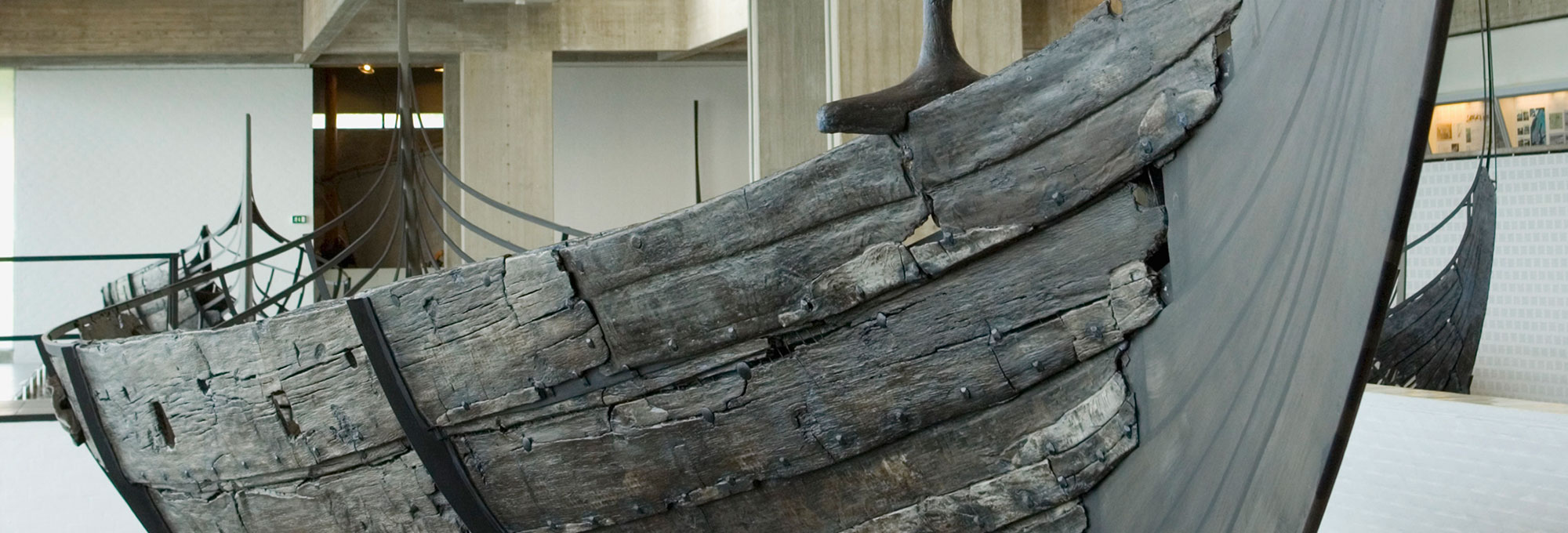
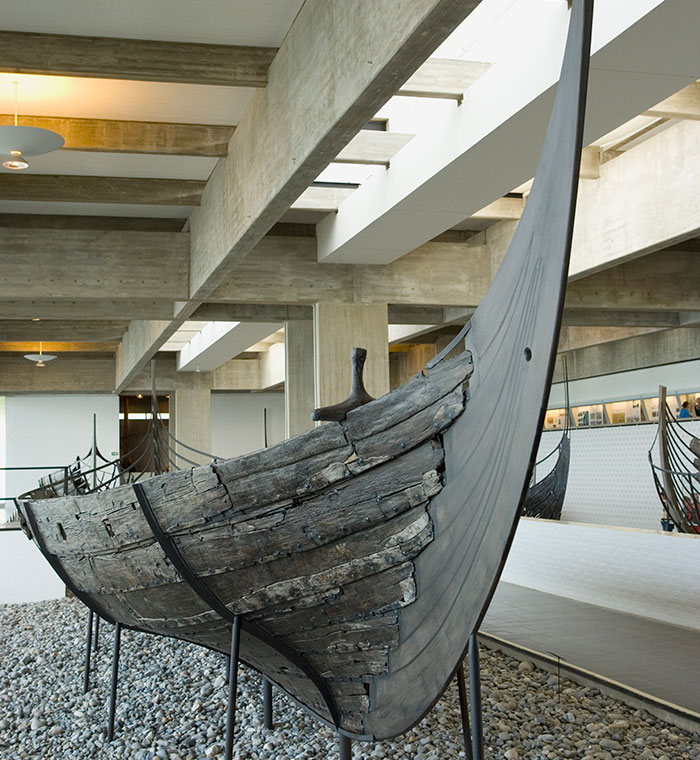
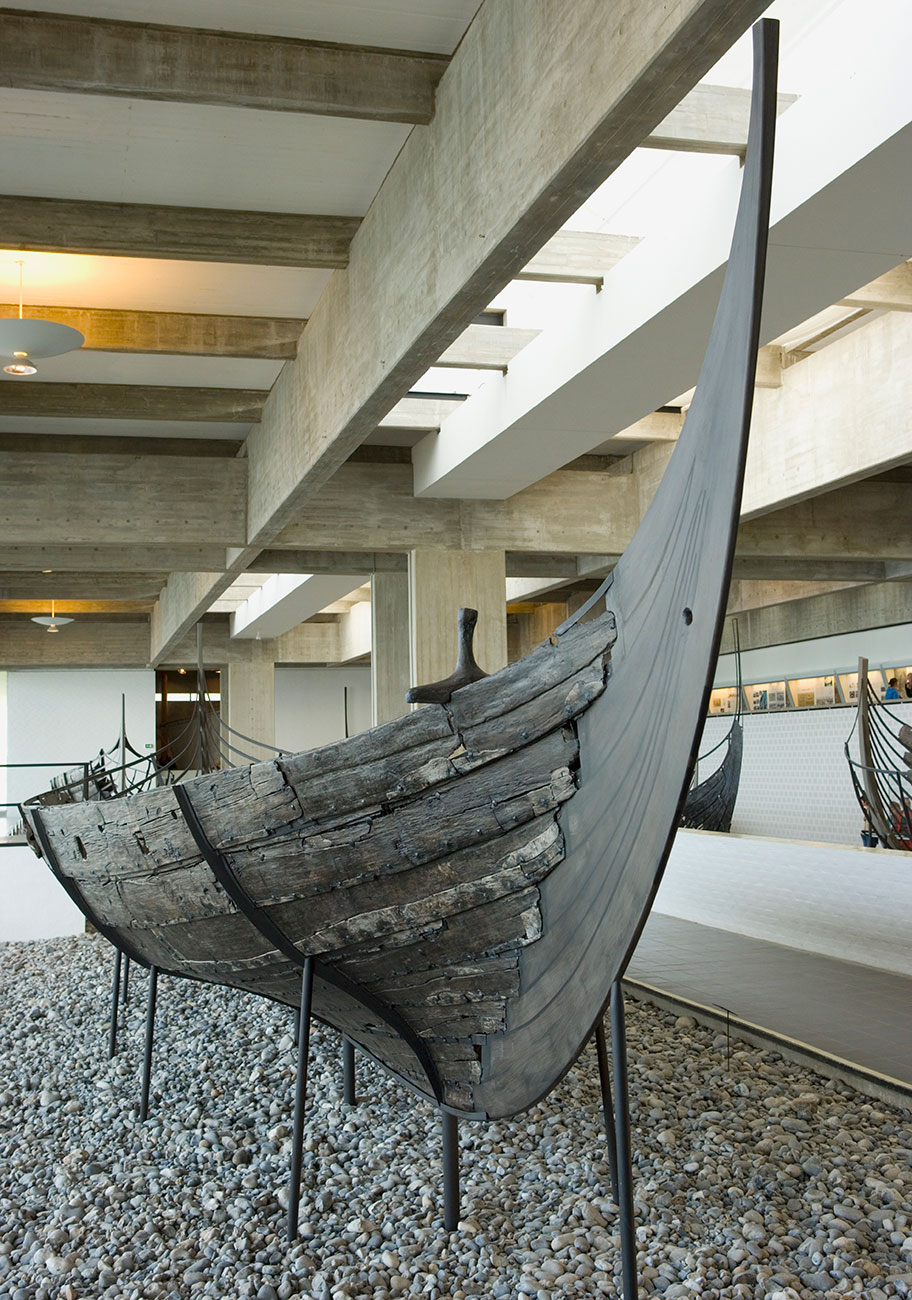
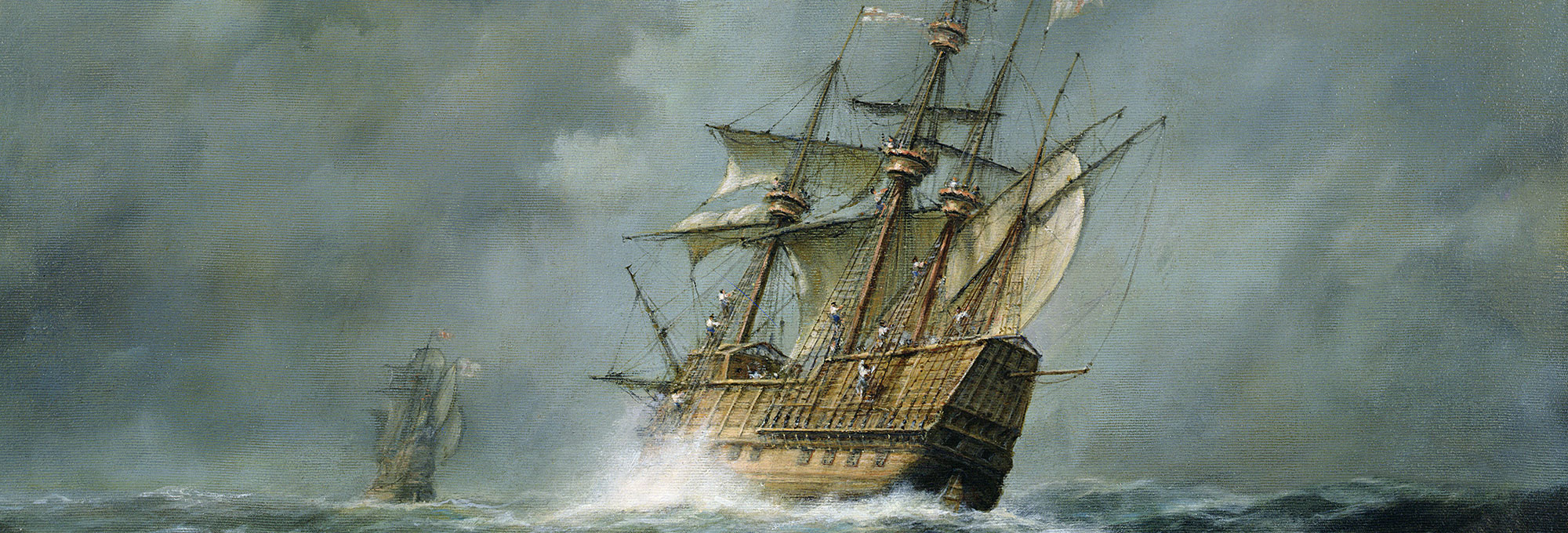
Starting in 1962 and continuing with more recent recoveries, a group of eleventh-century Viking ships have been lifted out of the shallow waters off Roskilde, a former capital of Denmark. The ships, ranging from common cargo carriers to warships, had been filled with stone and sunk to block a sea channel from invaders. The finds, and the analysis and reconstruction of the ships led by the late Ole Crumlin-Pedersen, provided the world with its first detailed look at a range of Viking craft separate from the more ornate royal craft discovered in ship burials on land. The Skuldelev ships speak to sophisticated shipbuilding as well as extensive specialization. Their discovery has helped to overturn the commonly held stereotype of a “Viking ship” as a large dragon-beaked warship lined with shields. The work on the Skuldelev ships has included the creation of sailing replicas and helped drive resurgent interest in the Vikings as diverse and skilled traders, explorers, and warriors with a command of the seas. Starting with Skuldelev and continuing with finds in former Viking ports such as Dublin, Ireland, archaeology has rewritten Viking maritime history.

MORE FROM History's 10 Greatest Wrecks...

  • History's 10 Greatest Wrecks... March 1, 2013

    Khubilai Khan Fleet

    Japan

    Read Article
    (Private Collection/Ancient Art and Architecture Collection Ltd.)
  • History's 10 Greatest Wrecks... March 1, 2013

    Mary Rose and Vasa

    England/Sweden

    Read Article
    (Private Collection/Bridgeman Art Library)
  • Features January/February 2026

    The Cost of Doing Business

    Piecing together the Roman empire’s longest known inscription—a peculiarly precise inventory of prices

    Read Article
    A digital reconstruction shows how the Civil Basilica in the city of Aphrodisias in southwestern Anatolia would have appeared with the Edict of Maximum Prices inscribed on its facade.
    Ece Savaş and Philip Stinson
  • Features January/February 2026

    The Birds of Amarna

    An Egyptian princess seeks sanctuary in her private palace

    Read Article
    The Metropolitan Museum of Art, New York/ Rogers Fund, 1930
  • Features January/February 2026

    Taking the Measure of Mesoamerica

    Archaeologists decode the sacred mathematics embedded in an ancient city’s architecture

    Read Article
    Courtesy Claudia I. Alvarado-León
  • Features January/February 2026

    Stone Gods and Monsters

    3,000 years ago, an intoxicating new religion beckoned pilgrims to temples high in the Andes

    Read Article
    The ritual center of Chavín de Huántar flourished in northern Peru.
    Courtesy John Rick