Stop, Tomb Thief!

Digs & Discoveries January/February 2026

Courtesy Michelle Langley
SHARE:

The first known ancient Egyptian bone whistle has been identified in Akhetaten (modern Amarna), the capital city of the pharaoh Akhenaten (reigned ca. 1349–1336 b.c.). Researchers suggest the 2.5-inch-long whistle, which was made from a cow’s toe bone and has a single drilled hole, was used by guards to sound an alert when the situation demanded. Archaeologists unearthed the instrument in a settlement in the desert to the east of the city center called the Stone Village, which is thought to have housed workers who supported construction of tombs in the nearby royal cemetery. “From the village, you can see straight to the entrance of the wadi where the royal tombs for the pharaoh and his family were being built,” says Griffith University archaeologist Michelle Langley of the Amarna Project. “That was a very sacred space, so it was restricted to those who needed to be there.”

The area includes a network of roadways, some of which are thought to have been used by foot patrols monitoring the approach to the royal cemetery. Evidence of police activity in Akhetaten has been found in the tomb of Mahu, the city’s chief of police. Wall paintings show guards stationed along what appear to be roadways similar to those near the Stone Village and outside small structures that may be checkpoints. Archaeologists have found similar stone structures in the vicinity of the Stone Village that may have been guard posts. “They’re just big enough for one or two people to stand in with a very good vantage point,” says Langley. “They look very much like where someone would stand guard.”

  • Features January/February 2026

    Taking the Measure of Mesoamerica

    Archaeologists decode the sacred mathematics embedded in an ancient city’s architecture

    Read Article
    Courtesy Claudia I. Alvarado-León
  • Features January/February 2026

    Stone Gods and Monsters

    3,000 years ago, an intoxicating new religion beckoned pilgrims to temples high in the Andes

    Read Article
    The ritual center of Chavín de Huántar flourished in northern Peru.
    Courtesy John Rick
  • Features January/February 2026

    Top 10 Discoveries of 2025

    ARCHAEOLOGY magazine’s editors reveal the year’s most exciting finds

    Read Article
    Courtesy of the Caracol Archaeological Project, University of Houston
  • Letter from France January/February 2026

    Neolithic Cultural Revolution

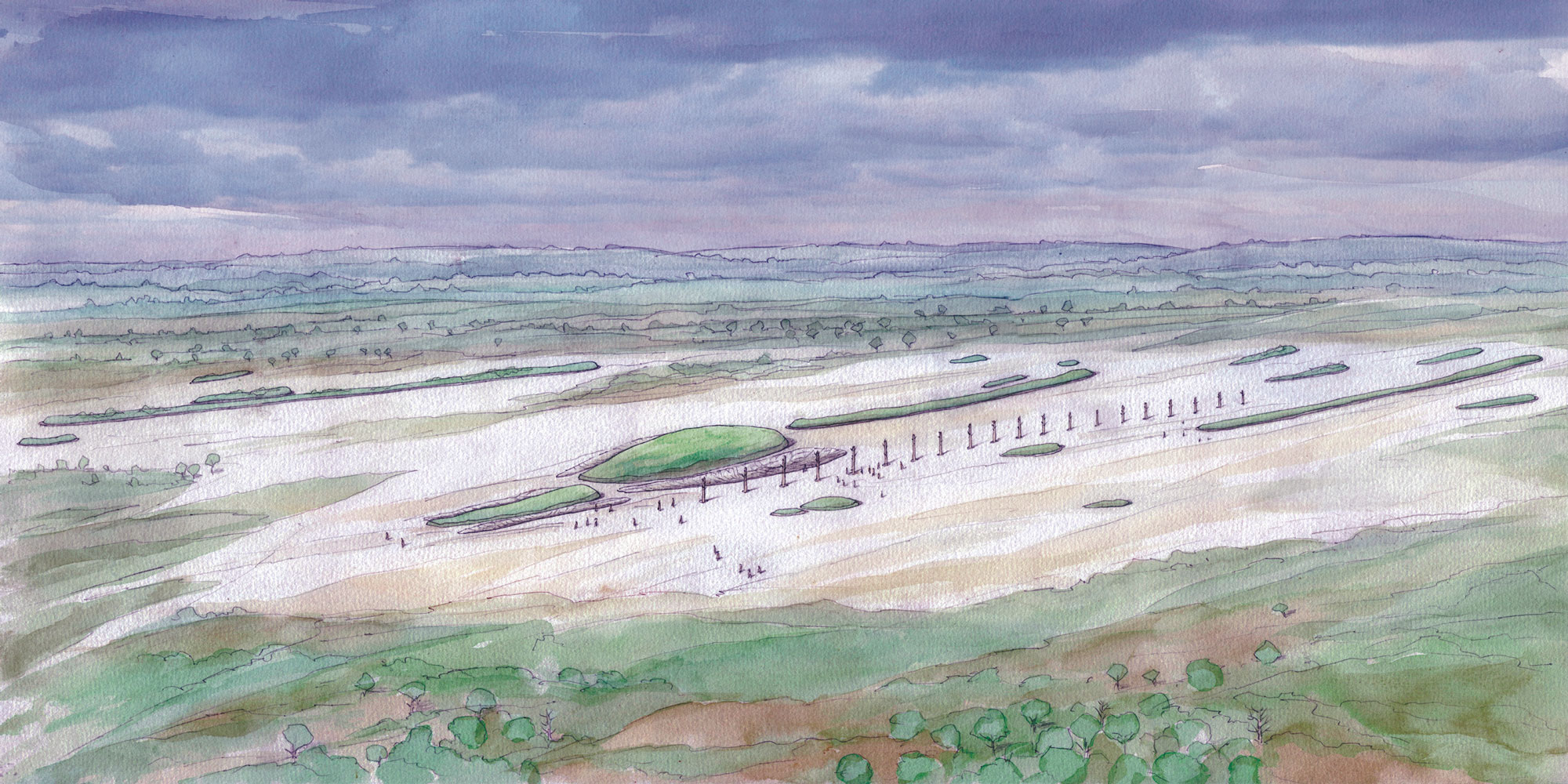
    How farmers came together to build Europe’s most grandiose funerary monuments some 7,000 years ago

    Read Article
    © Laurent Juhel, Inrap