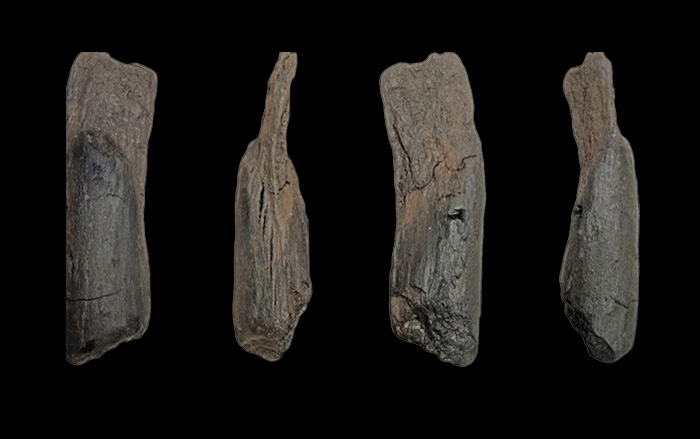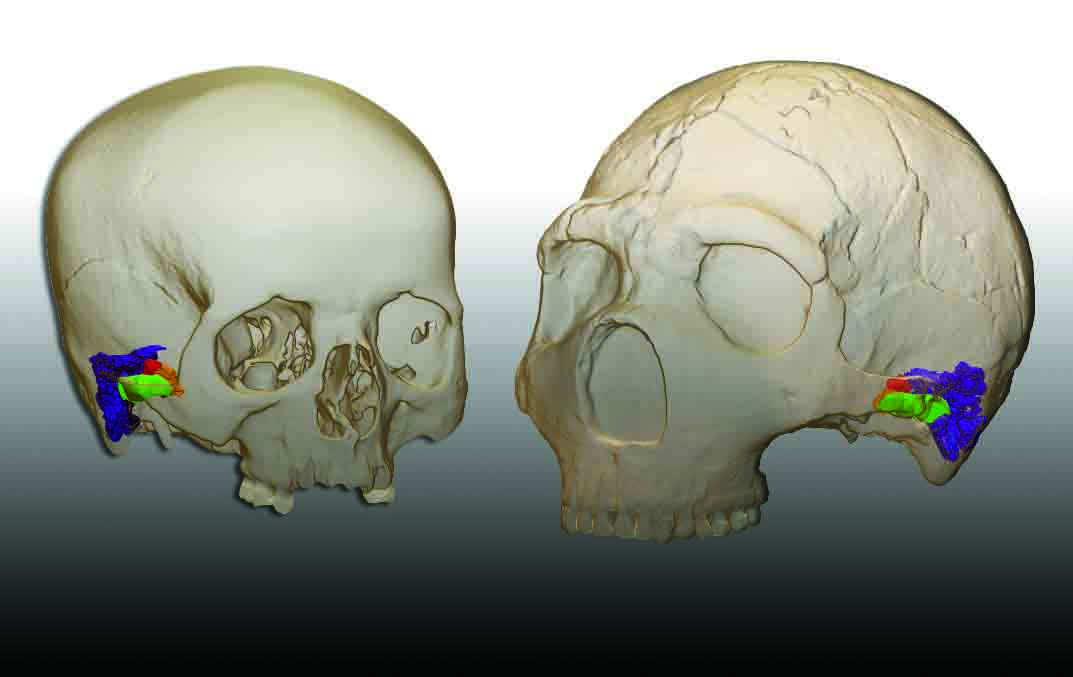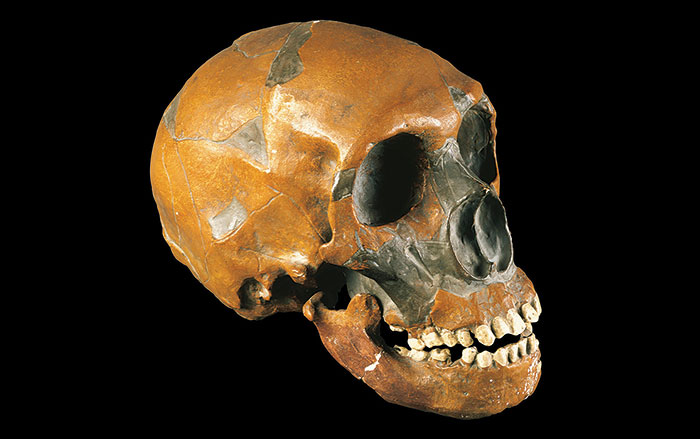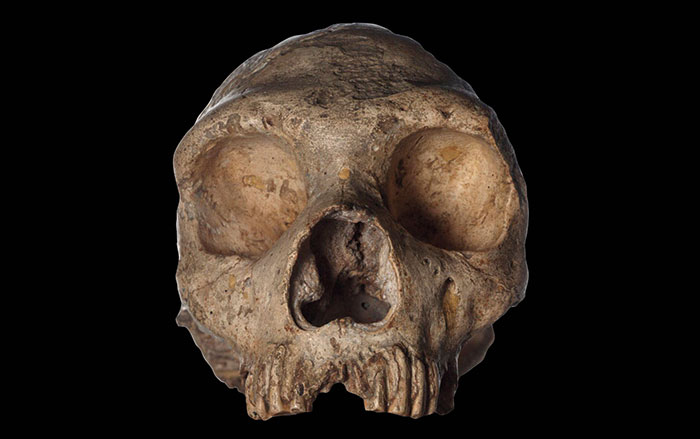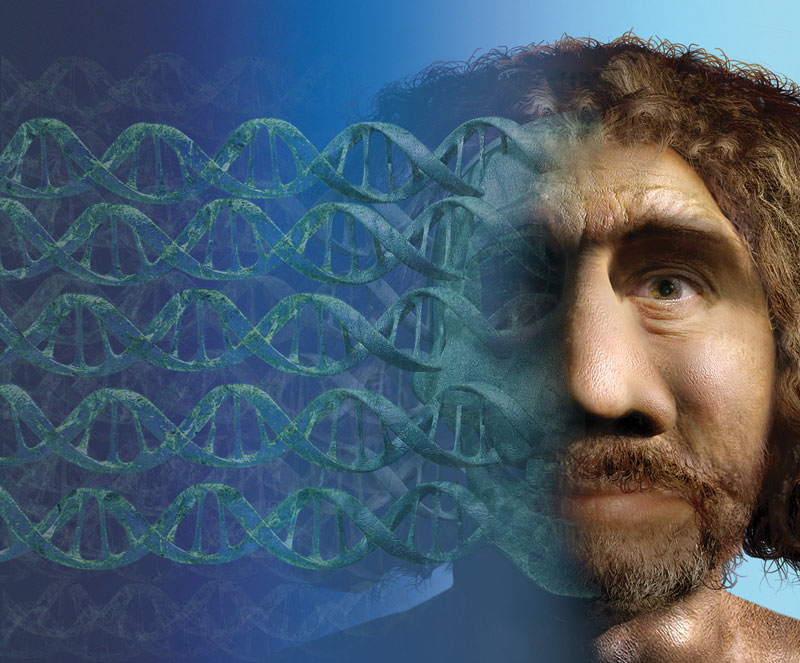
This past year will always be remembered as the year we found out that the Neanderthals survived and they are us. Following years of tantalizing announcements from the Max Planck Institute of Evolutionary Anthropology in Leipzig, a research group led by genetic anthropologist Svante Pääbo completed a first-draft DNA sequence of a Neanderthal. Although this sequence includes only 60 percent of the Neanderthal genome, it does provide some interesting insights into the biology of this distinctive human species. The sequence showed that variations in just one gene might account for the differences in the shape of the skull, rib cage, and shoulder joint between Neanderthals and modern humans.
A major insight came when researchers compared the Neanderthal DNA to the DNA of three modern people (one French, one Han Chinese, and one Polynesian). The team found that all three had inherited between 1 and 4 percent of their DNA from Neanderthals. They also compared the Neanderthal sequence to two African individuals (one Yoruba and one San) and found no indication that they had inherited genes from Neanderthals, who are known to have evolved outside Africa. The research supports the idea that Neanderthals interbred with Homo sapiens between 100,000 and 80,000 years ago as our anatomically modern ancestors left Africa and spread across the globe.