Taking the Measure of Mesoamerica

Features January/February 2026

Archaeologists decode the sacred mathematics embedded in an ancient city’s architecture
UAEM-3Ríos Archives
SHARE:

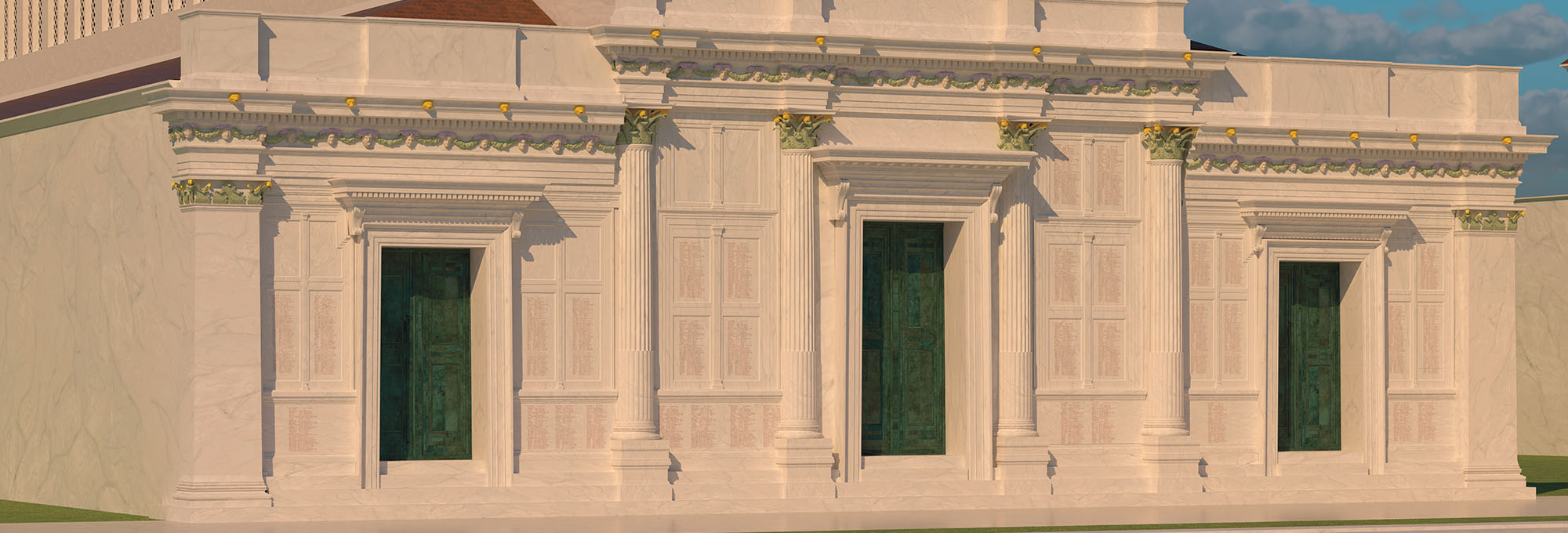
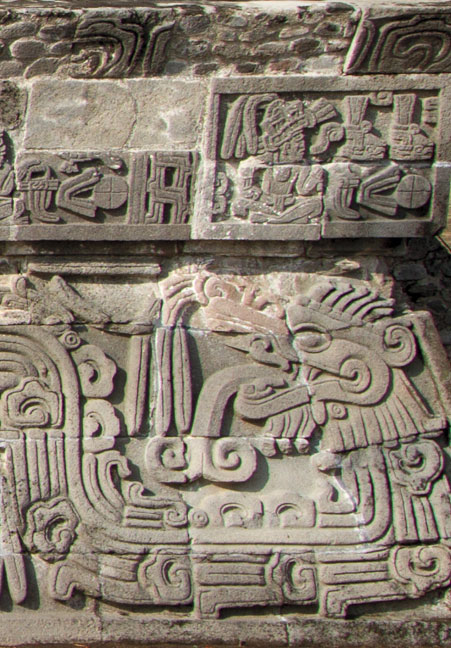
The central Mexican city of Xochicalco was established around a.d. 670 atop a 400-foot-tall hill. At the city’s highest level, which was only accessible through three defended porticoes, stands its most important structure, the nearly square Pyramid of the Feathered Serpents.

For hundreds of years early in the first millennium a.d., Teotihuacan controlled the most powerful empire in central Mexico. At its height, the city covered some eight square miles and was home to upwards of 150,000 pe
Become a Digital Subscriber Today

Get full access to all content on the ARCHAEOLOGY website and our PDF archive going back to the first publication in March 1948.

Already a Subscriber? Sign In

  • Features January/February 2026

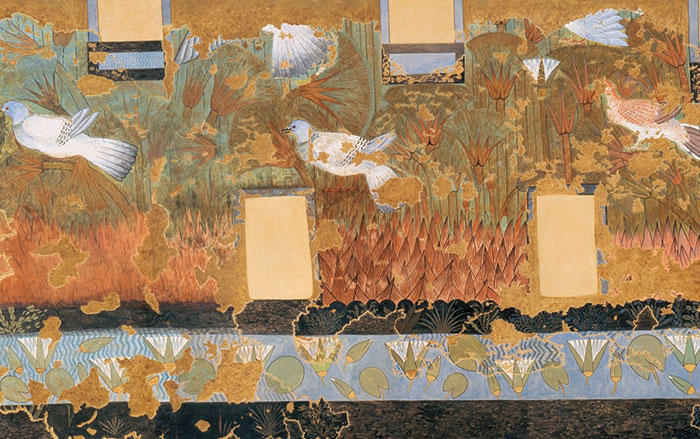
    The Birds of Amarna

    An Egyptian princess seeks sanctuary in her private palace

    Read Article
    The Metropolitan Museum of Art, New York/ Rogers Fund, 1930
  • Features January/February 2026

    Stone Gods and Monsters

    3,000 years ago, an intoxicating new religion beckoned pilgrims to temples high in the Andes

    Read Article
    The ritual center of Chavín de Huántar flourished in northern Peru.
    Courtesy John Rick
  • Features January/February 2026

    Top 10 Discoveries of 2025

    ARCHAEOLOGY magazine’s editors reveal the year’s most exciting finds

    Read Article
    Courtesy of the Caracol Archaeological Project, University of Houston
  • Letter from France January/February 2026

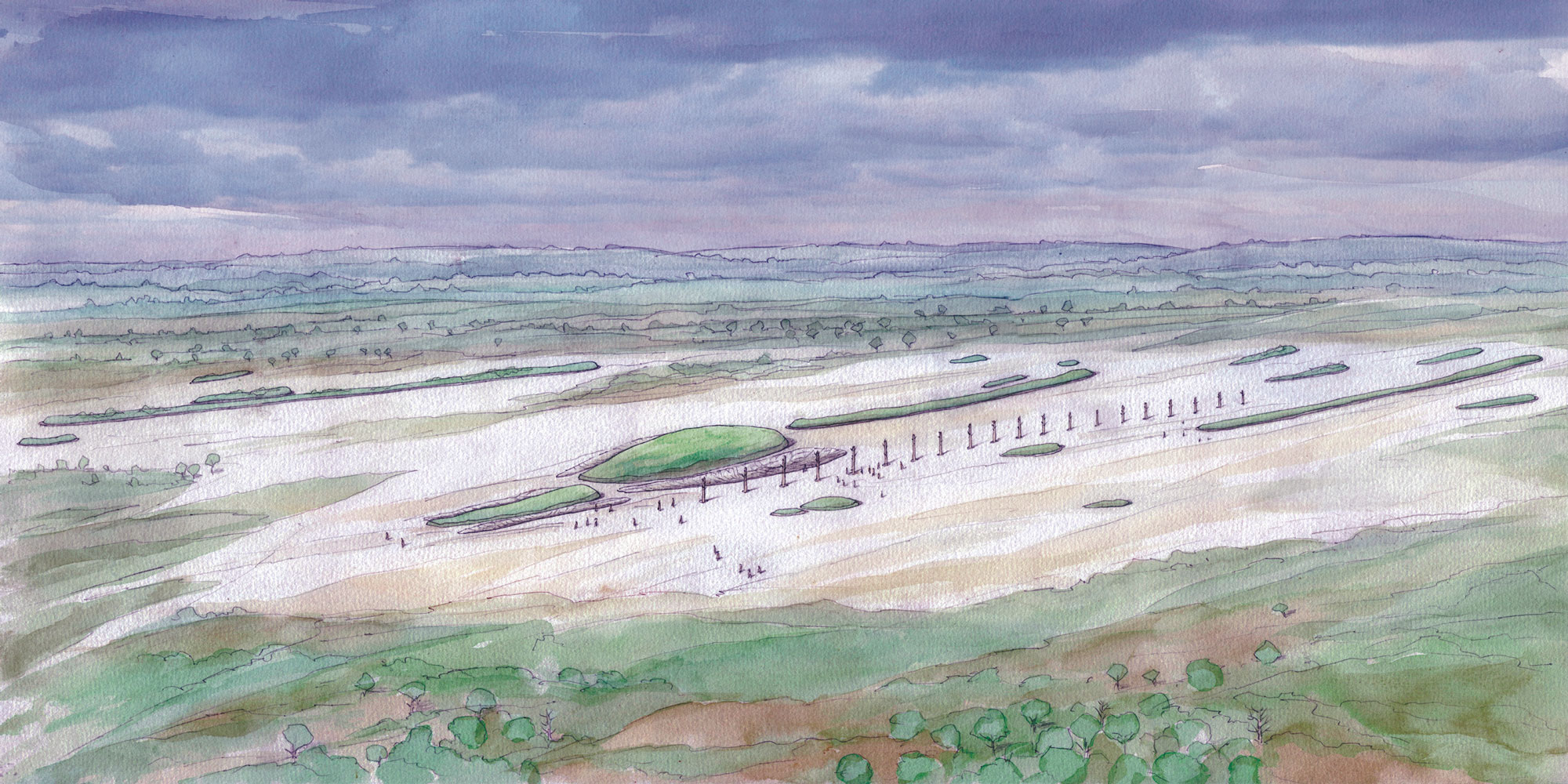
    Neolithic Cultural Revolution

    How farmers came together to build Europe’s most grandiose funerary monuments some 7,000 years ago

    Read Article
    © Laurent Juhel, Inrap