GARCHES, FRANCE—A new study of a preserved human head at University Hospital R. Poincaré suggests that Europe’s medieval doctors may have been more advanced in their thinking than had been thought. The head’s veins and arteries had been filled with a mixture of beeswax, lime, and cinnabar mercury to help preserve it and color its circulatory system. Radiocarbon dating indicates that the body was dissected and prepared between 1200 and 1280 A.D., a time known as the “Dark Ages.” But historian James Hannam thinks this label originated with anti-Catholic sentiments after the Reformation. “There was considerable scientific progress in the later Middle Ages, in particular from the thirteenth century onward,” he said.
Europe’s Not-So-Dark Ages
News March 5, 2013
Recommended Articles
Features July/August 2026
Egypt's First Queen
How a trailblazing ruler pulled her realm back from the brink
Features July/August 2026
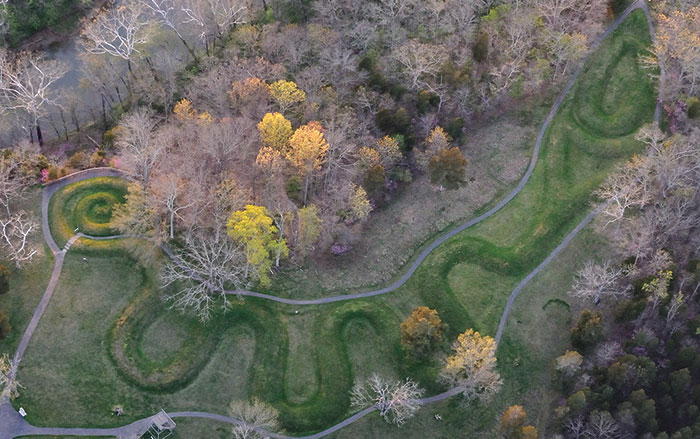
Secrets of the Serpent
Is a Native American origin story embedded in Ohio’s colossal earthwork?
Features July/August 2026
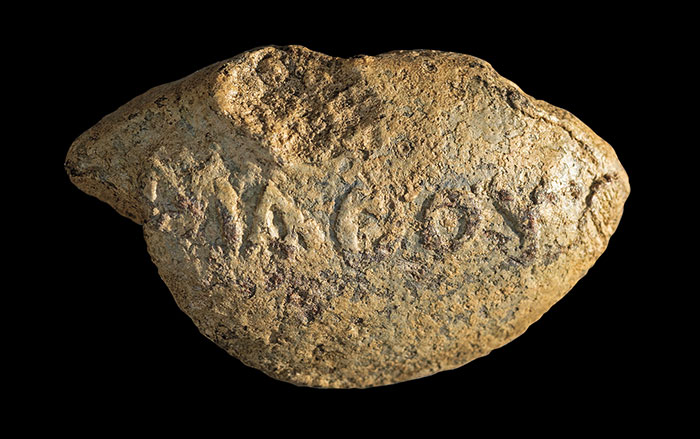
Slinging Insults
Greek and Roman soldiers fired pointed barbs at their enemies
Features July/August 2026
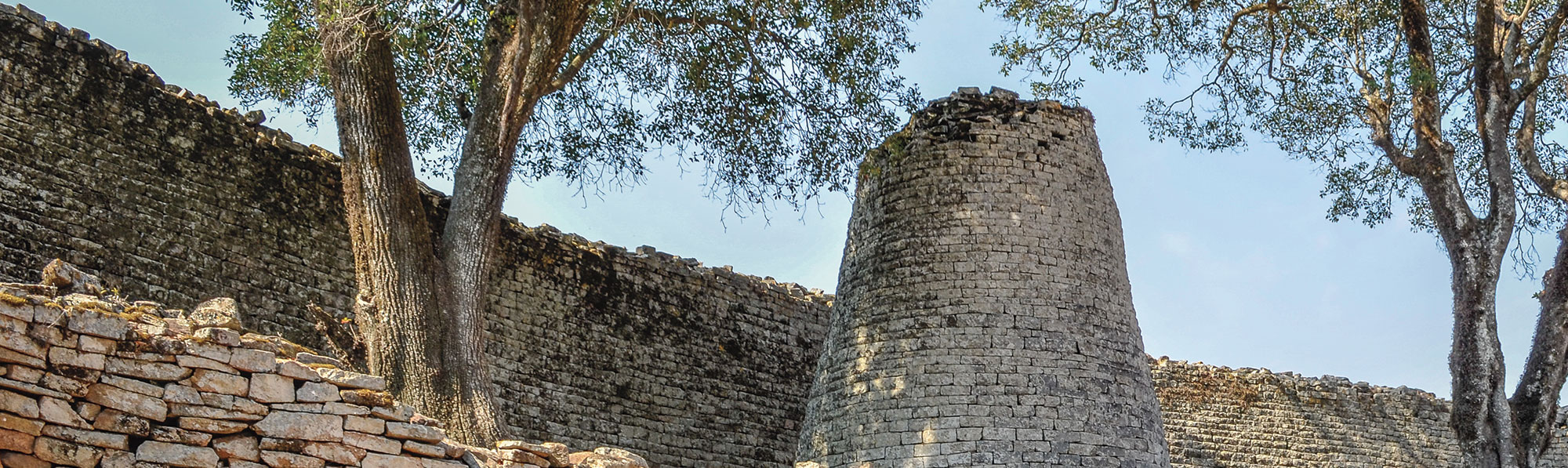
Inside Africa’s Houses of Stone
Archaeologists are rethinking how kings shared power beyond the great capitals of medieval Zimbabwe
-
Features January/February 2013
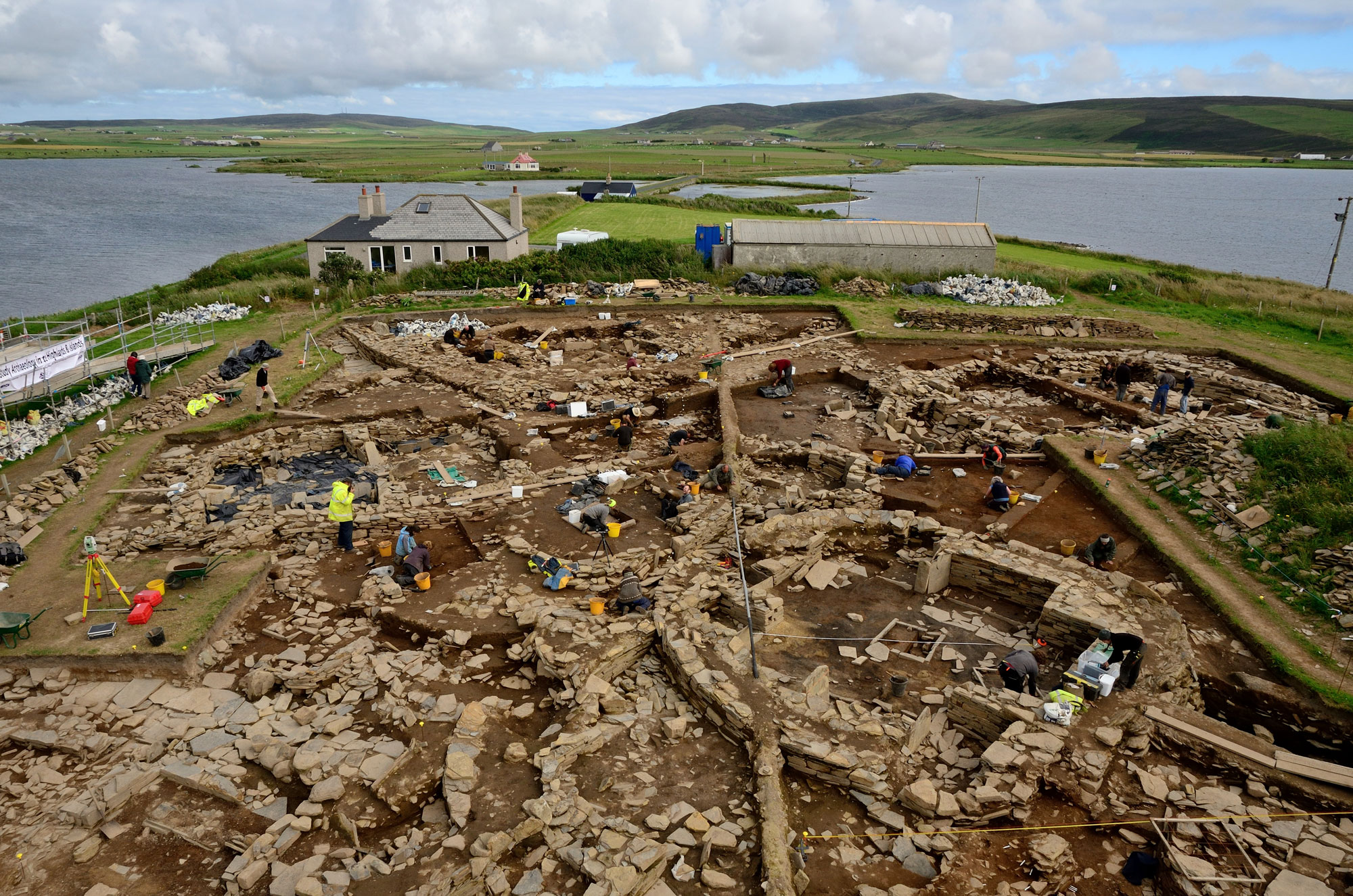
Neolithic Europe's Remote Heart
One thousand years of spirituality, innovation, and social development emerge from a ceremonial center on the Scottish archipelago of Orkney
Adam Stanford/Aerial Cam -
Features January/February 2013
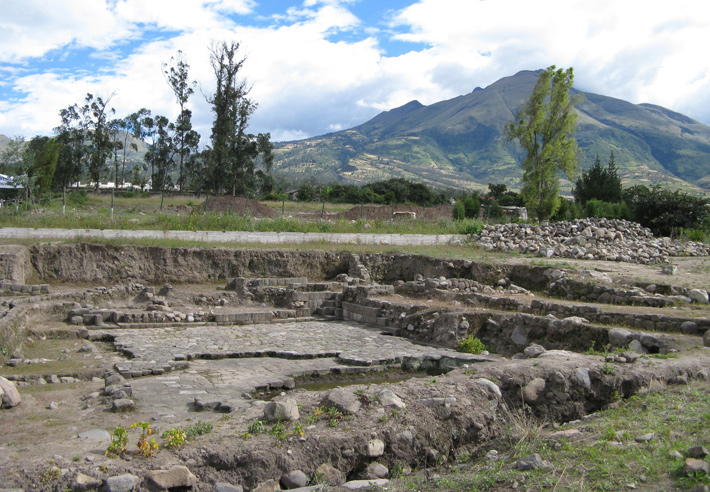
The Water Temple of Inca-Caranqui
Hydraulic engineering was the key to winning the hearts and minds of a conquered people
(Courtesy Tamara L. Bray) -
Letter from France January/February 2013
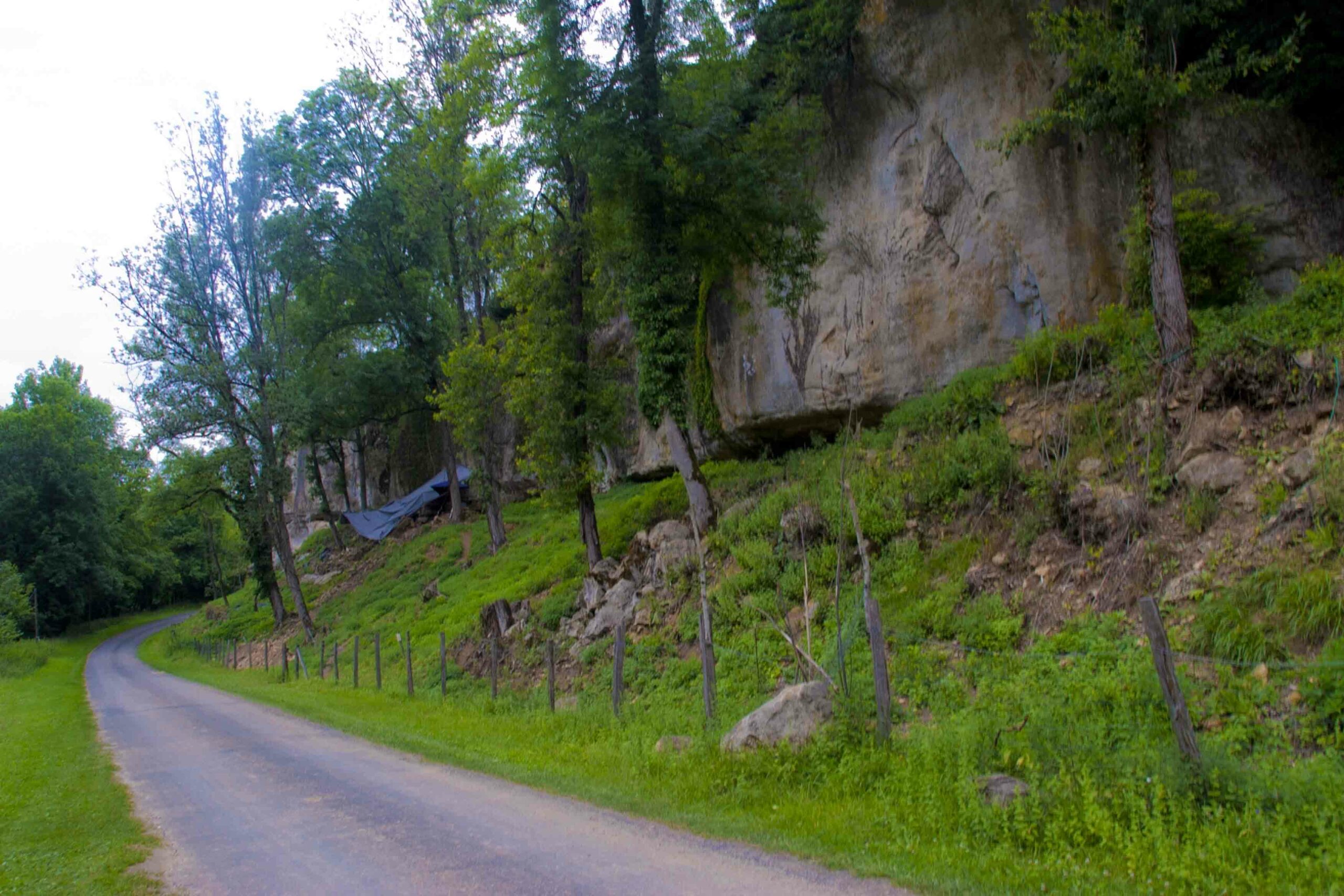
Structural Integrity
Nearly 20 years of investigation at two rock shelters in southwestern France reveal the well-organized domestic spaces of Europe's earliest modern humans
-
Artifacts January/February 2013
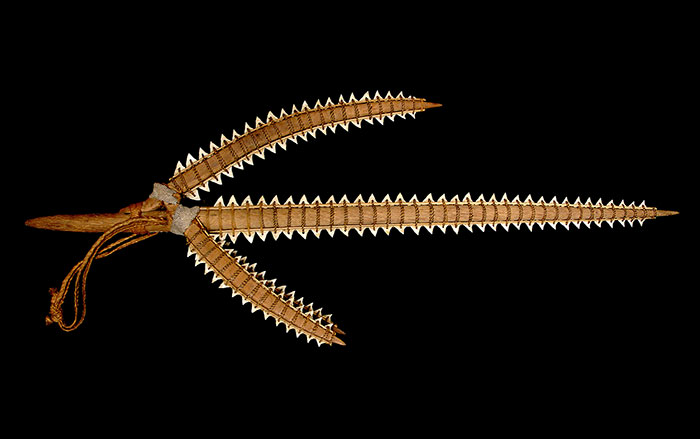
Pacific Islands Trident
A mid-nineteenth-century trident illustrates a changing marine ecosystem in the South Pacific
(Catalog Number 99071 © The Field Museum, [CL000_99071_Overall], Photographer Christopher J. Philipp)