U.S. Repatriates Artifacts to Egypt

News January 7, 2026

Ptolemaic artifacts repatriated to Egypt
Ministry of Foreign Affairs, Emigration and Egyptian Expatriates
SHARE:

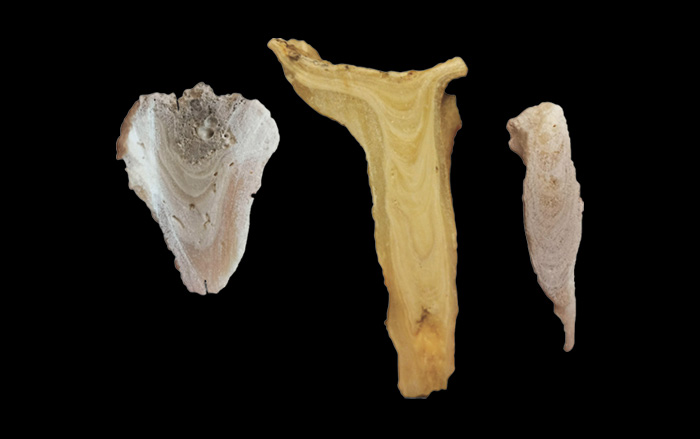
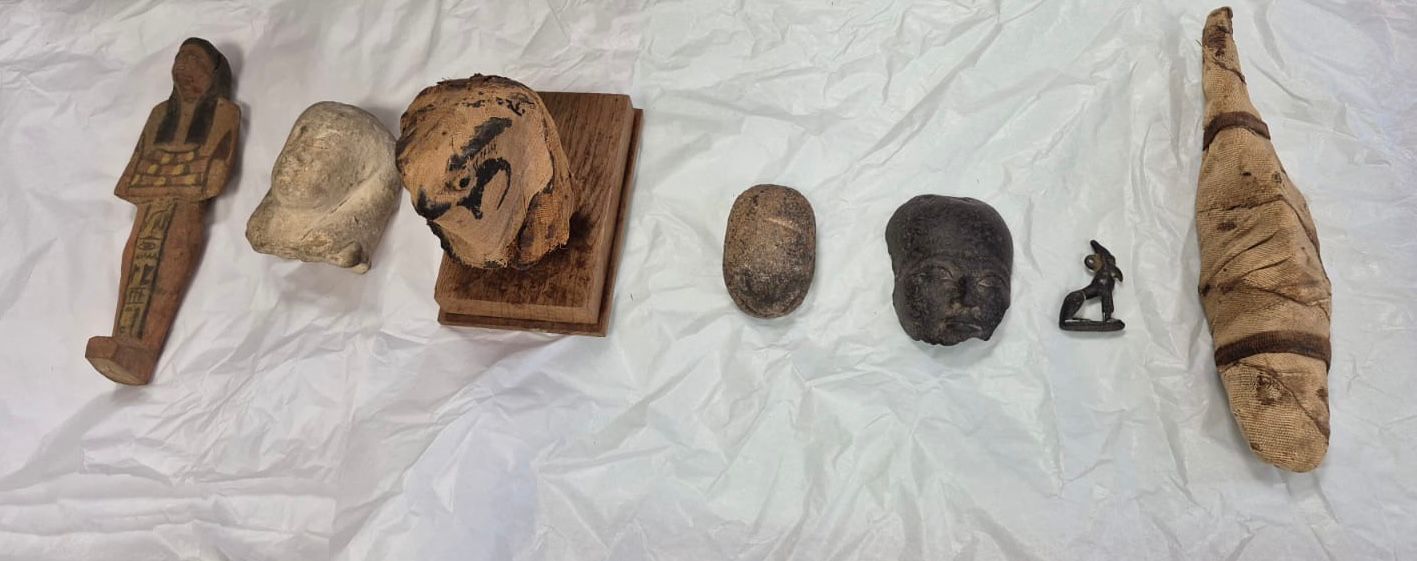
CAIRO, EGYPT—According to an Ahram Online report, the U.S. has repatriated seven artifacts to Egypt. Shaaban Abdel Gawad of Egypt’s Repatriation of Antiquities Department said that the objects include two mummified fish and a falcon head dated to the Ptolemaic period (304–30 b.c.). These artifacts were seized by U.S. customs in 2017. In 2018, investigating U.S. officials recovered a bronze amulet of Set, a basalt heart-shaped scarab, and a carving of a human face, which had all been illegally smuggled into the country. A painted ushabti figurine and a stone head turned into the Egyptian embassy in Washington by an American citizen were also returned. To read about a recent Ptolemaic-era discovery in Egypt's Eastern Desert, go to "Miners' Misfortune."
  • Features January/February 2026

    The Cost of Doing Business

    Piecing together the Roman empire’s longest known inscription—a peculiarly precise inventory of prices

    Read Article
    A digital reconstruction shows how the Civil Basilica in the city of Aphrodisias in southwestern Anatolia would have appeared with the Edict of Maximum Prices inscribed on its facade.
    Ece Savaş and Philip Stinson
  • Features January/February 2026

    Taking the Measure of Mesoamerica

    Archaeologists decode the sacred mathematics embedded in an ancient city’s architecture

    Read Article
    Courtesy Claudia I. Alvarado-León
  • Features January/February 2026

    Stone Gods and Monsters

    3,000 years ago, an intoxicating new religion beckoned pilgrims to temples high in the Andes

    Read Article
    The ritual center of Chavín de Huántar flourished in northern Peru.
    Courtesy John Rick
  • Letter from France January/February 2026

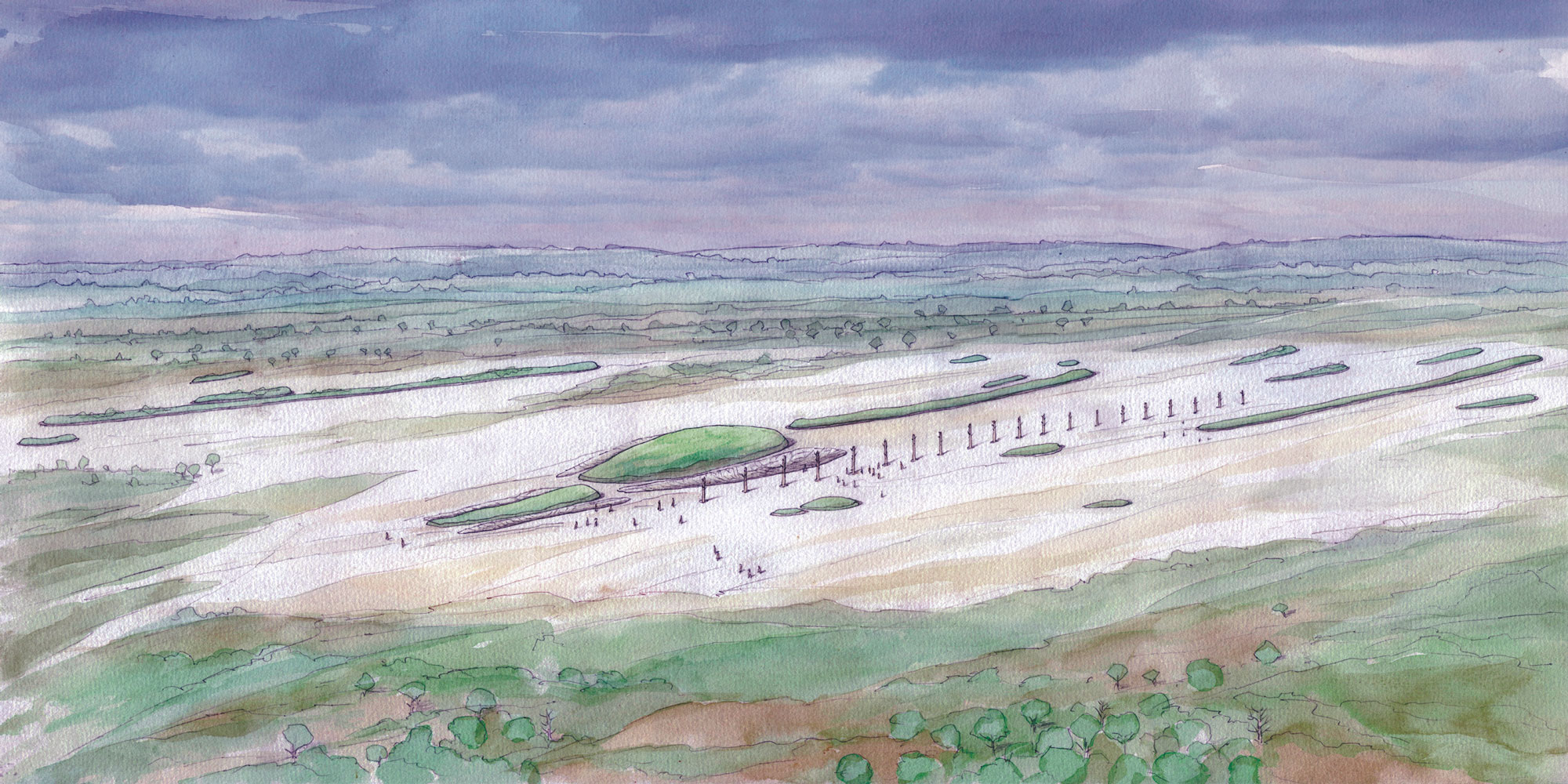
    Neolithic Cultural Revolution

    How farmers came together to build Europe’s most grandiose funerary monuments some 7,000 years ago

    Read Article
    © Laurent Juhel, Inrap