

EDINBURGH, SCOTLAND—According to a statement released by the University of Edinburgh, analysis of tooth enamel samples collected from the remains of people buried in England between the end of Roman rule in Britain around A.D. 400 and the arrival of the Normans around 1100 indicates that migration to the island was continuous throughout the period. Tooth enamel is laid down during childhood and carries chemical markers of the local environment. Sam Leggett of the University of Edinburgh, Susanne Hakenbeck of the University of Cambridge, and their colleagues examined more than 700 chemical signatures in the samples, and determined that people came to England from the Mediterranean, northwestern Europe, Wales, and Ireland. Most of the travelers were men, but women were found to have moved into England’s North East, Kent, and Wessex regions. The chemical signatures in the tooth enamel also showed that people traveled to England from colder regions during the sixth and seventh centuries, an era characterized by climate fluctuations known as the Late Antique Little Ice Age. There was also a spike in migration during the seventh and eighth centuries. “We didn’t expect to see a spike in mobility in the seventh and eighth centuries—well after the period of the so-called Anglo-Saxon migrations [in the fifth century],” Hakenbeck said. Read the original scholarly article about this research in Medieval Archaeology. To read more about the turmoil caused by the Late Antique Little Ice Age, go to "The Visigoths' Imperial Ambitions."
Medieval Migration to England Tracked in Tooth Enamel Study
News January 13, 2026
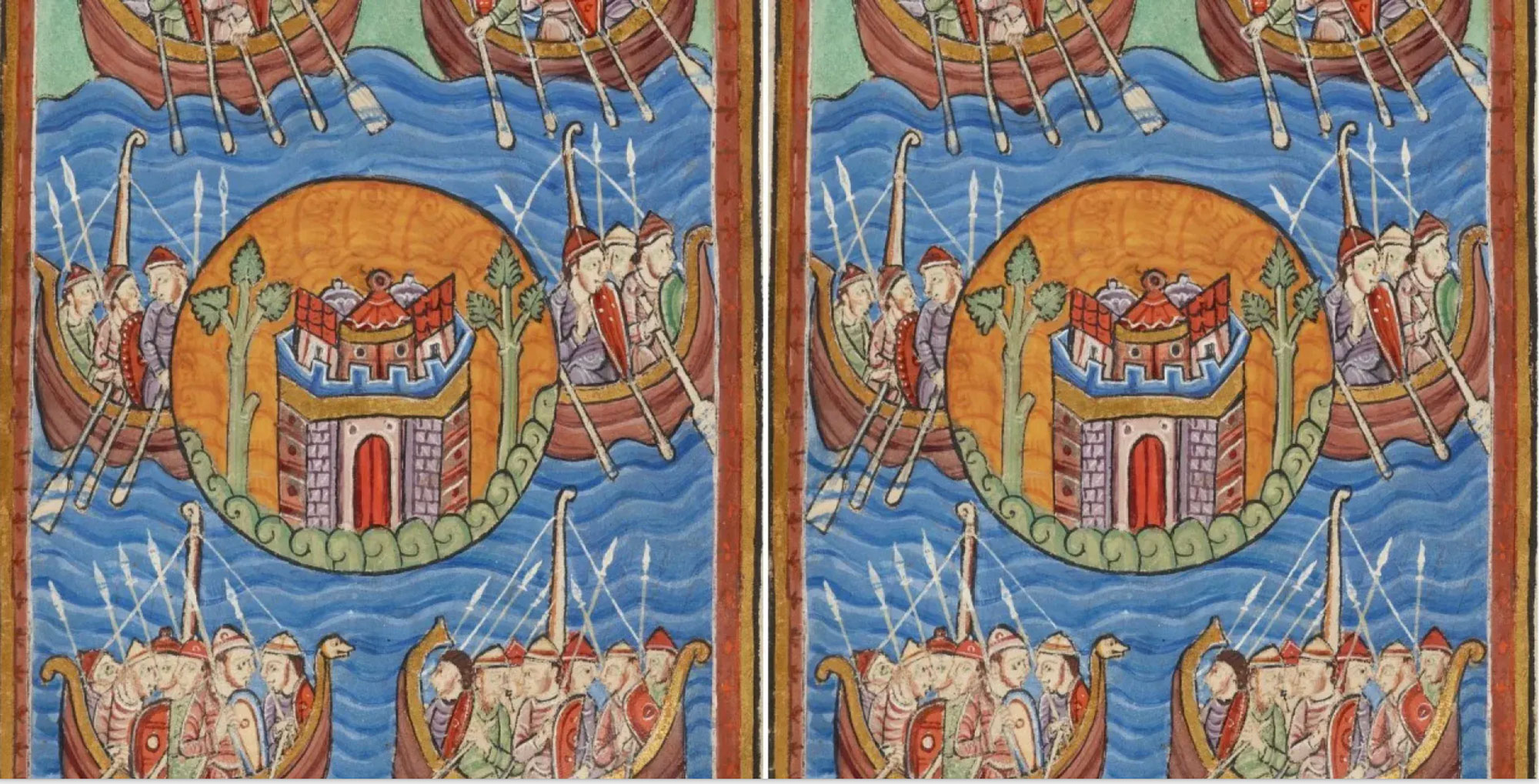
Recommended Articles
Features January/February 2025
Medieval England’s Coveted Cargo
Archaeologists dive on a ship laden with marble bound for the kingdom’s grandest cathedrals
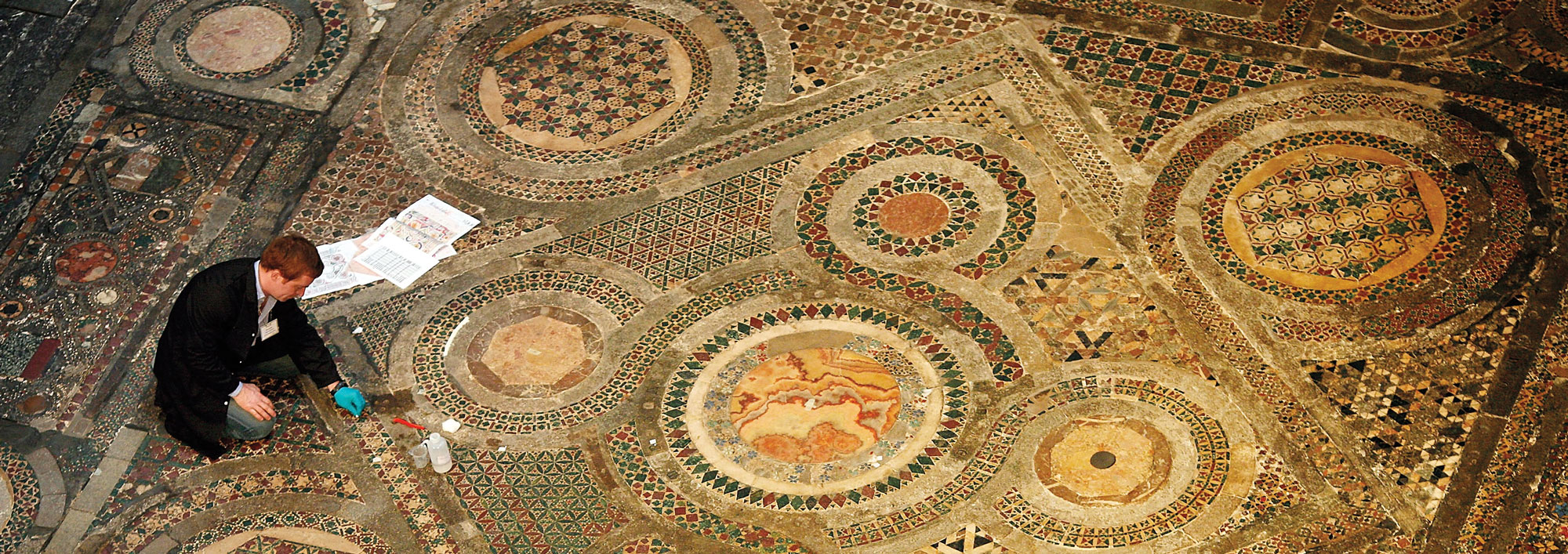
Digs & Discoveries November/December 2021
The Age of Glass
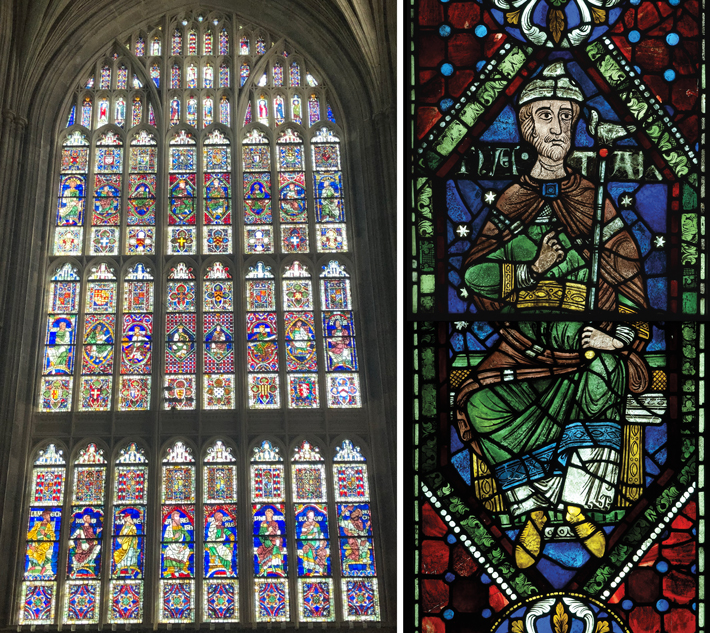
Digs & Discoveries July/August 2021
Laws of the Land
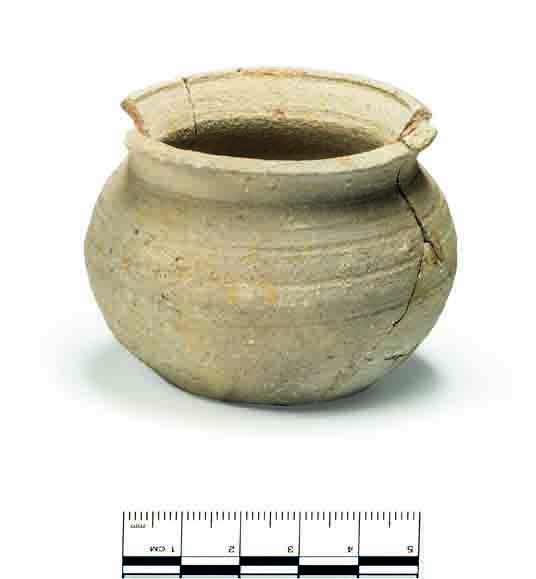
Digs & Discoveries March/April 2021
An Enduring Design
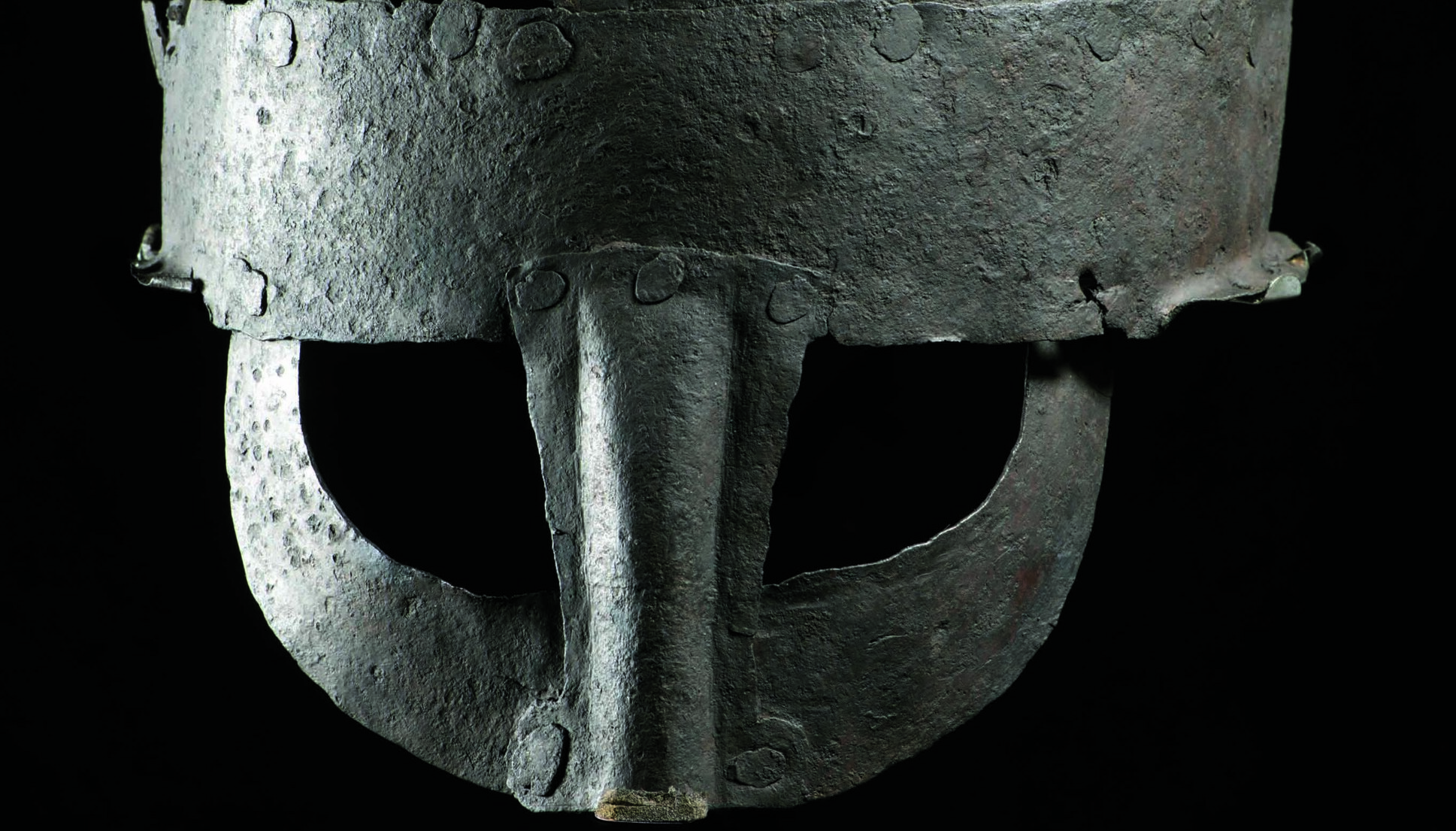
More to Discover
Features January/February 2026
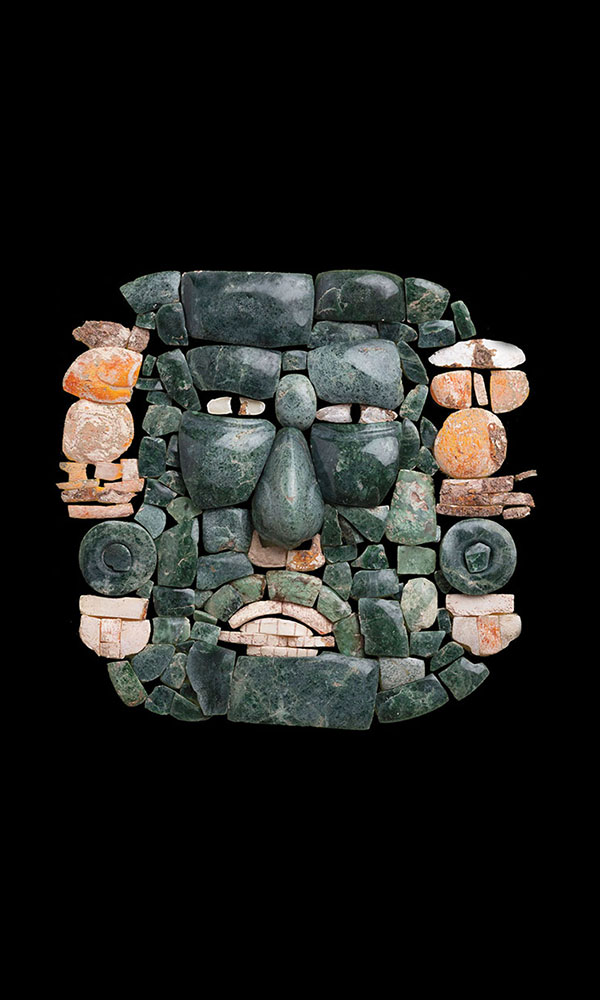
Top 10 Discoveries of 2025
ARCHAEOLOGY magazine’s editors reveal the year’s most exciting finds

-
Features January/February 2026
The Cost of Doing Business
Piecing together the Roman empire’s longest known inscription—a peculiarly precise inventory of prices
 Ece Savaş and Philip Stinson
 -
Features January/February 2026
The Birds of Amarna
An Egyptian princess seeks sanctuary in her private palace
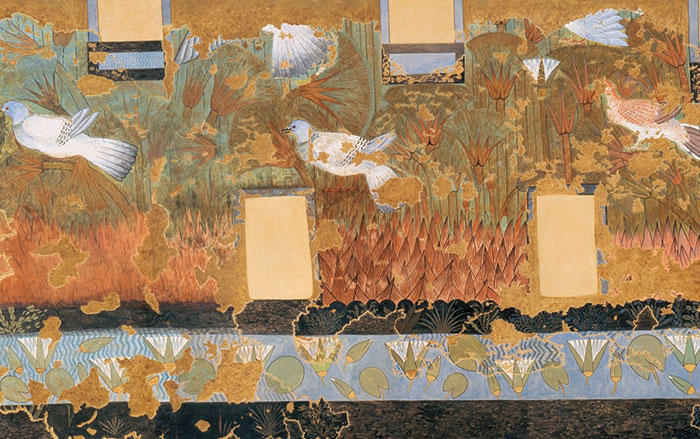 The Metropolitan Museum of Art, New York/ Rogers Fund, 1930
 -
Features January/February 2026
Taking the Measure of Mesoamerica
Archaeologists decode the sacred mathematics embedded in an ancient city’s architecture
 Courtesy Claudia I. Alvarado-León
 -
Features January/February 2026
Stone Gods and Monsters
3,000 years ago, an intoxicating new religion beckoned pilgrims to temples high in the Andes
 Courtesy John Rick