Medieval Mass Grave Identified in Germany

News January 15, 2026

SHARE:

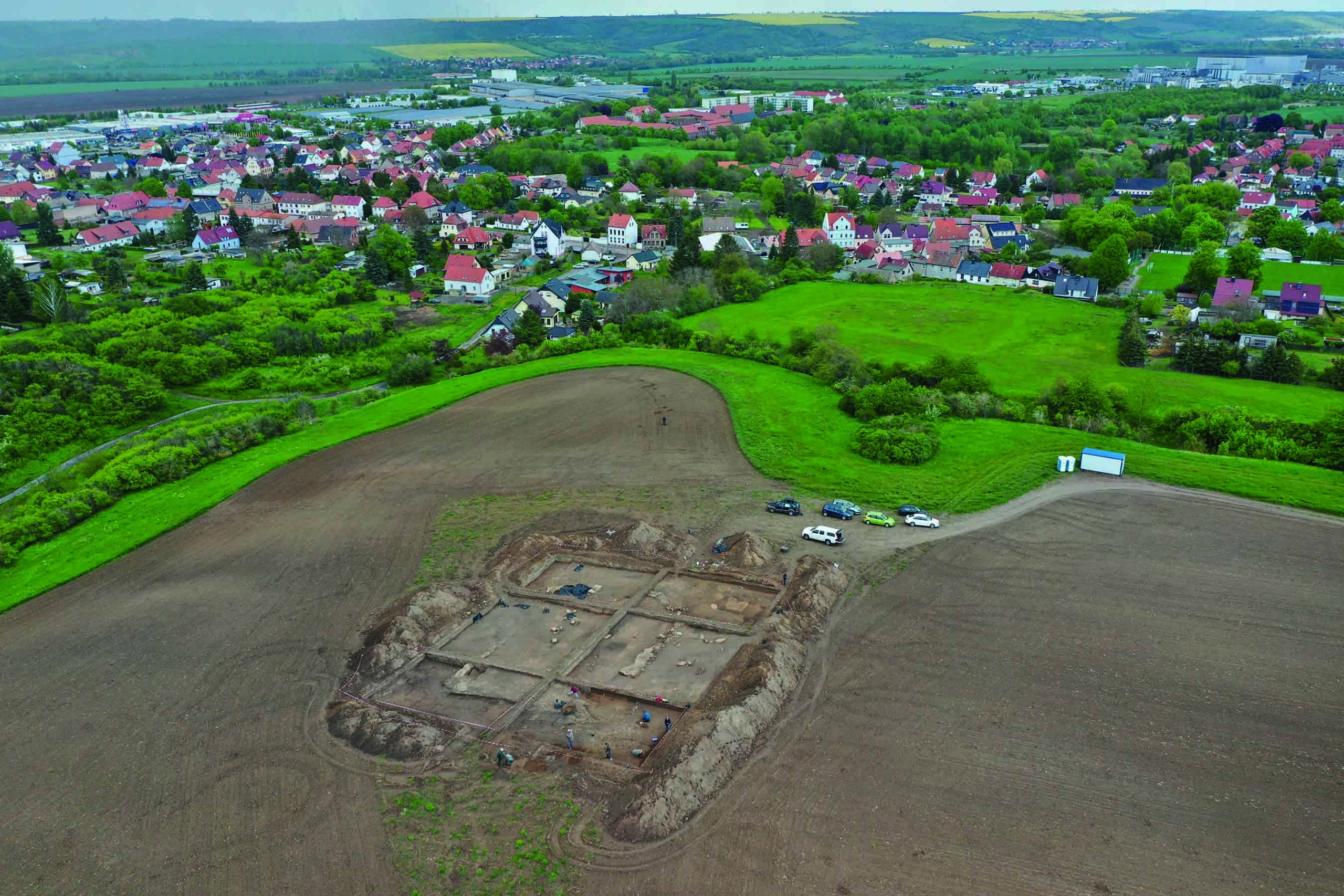
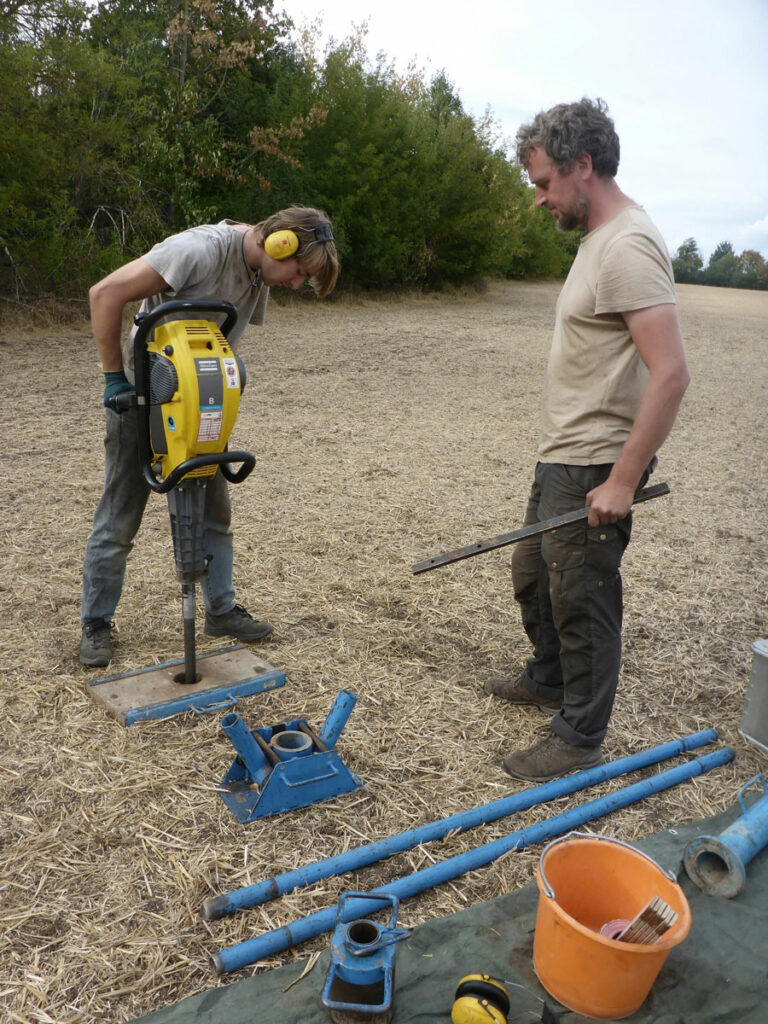
ERFURT, GERMANY—A possible mass grave containing the remains of victims of the Black Death has been found near the site of the medieval village of Neuses in central Germany, according to a statement released by Leipzig University. Historic records from the nearby city of Erfurt indicate that in 1350, when the Black Plague struck the region, some 12,000 people were buried in 11 large pits outside the city. Using resistivity mapping and sediment coring, the team members, led by Michael Hein of Leipzig University, identified a large, underground structure holding mixed sediments and fragments of human remains. Radiocarbon dating of these bone samples shows that the remains date to the fourteenth century. “Our results strongly suggest that we have pinpointed one of the plague mass graves described in the Erfurt chronicles,” Hein said. Read the original scholarly article about this research in PLOS One. To read about a curious economic effect possibly caused by the Black Death, go to "Off With Their Heads."
  • Features January/February 2026

    The Cost of Doing Business

    Piecing together the Roman empire’s longest known inscription—a peculiarly precise inventory of prices

    Read Article
    A digital reconstruction shows how the Civil Basilica in the city of Aphrodisias in southwestern Anatolia would have appeared with the Edict of Maximum Prices inscribed on its facade.
    Ece Savaş and Philip Stinson
  • Features January/February 2026

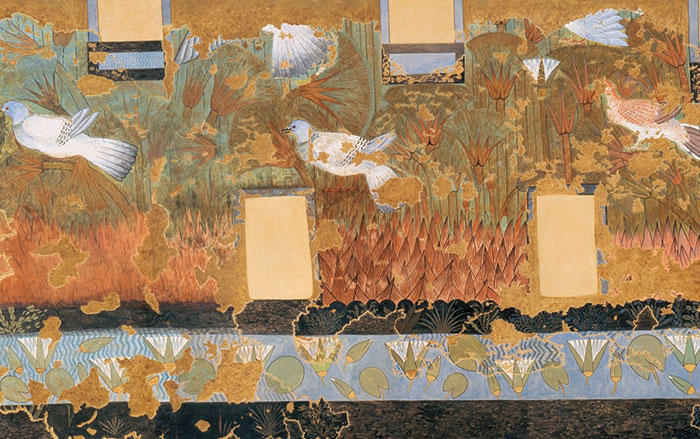
    The Birds of Amarna

    An Egyptian princess seeks sanctuary in her private palace

    Read Article
    The Metropolitan Museum of Art, New York/ Rogers Fund, 1930
  • Features January/February 2026

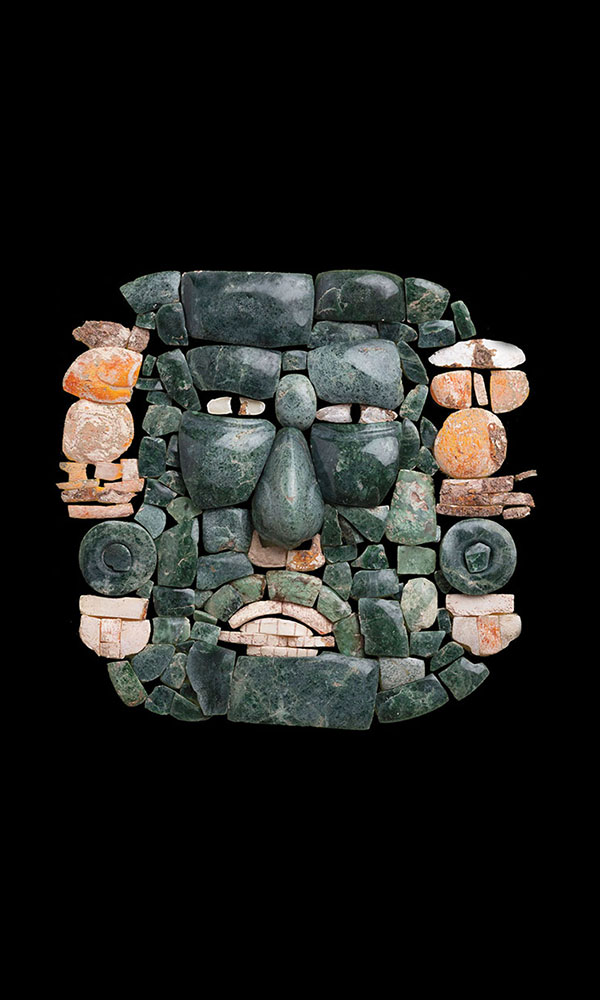
    Taking the Measure of Mesoamerica

    Archaeologists decode the sacred mathematics embedded in an ancient city’s architecture

    Read Article
    Courtesy Claudia I. Alvarado-León
  • Features January/February 2026

    Stone Gods and Monsters

    3,000 years ago, an intoxicating new religion beckoned pilgrims to temples high in the Andes

    Read Article
    The ritual center of Chavín de Huántar flourished in northern Peru.
    Courtesy John Rick