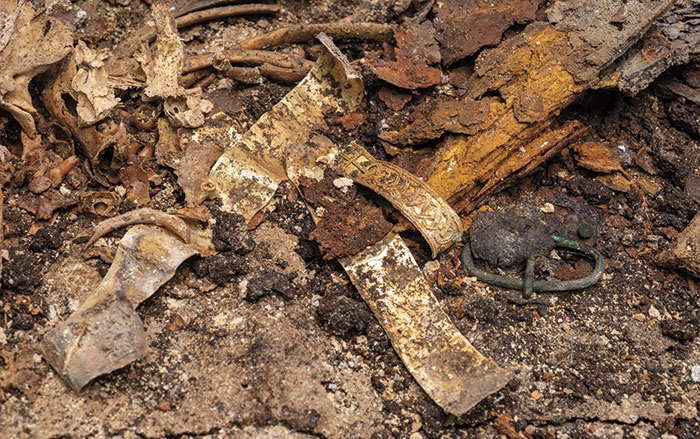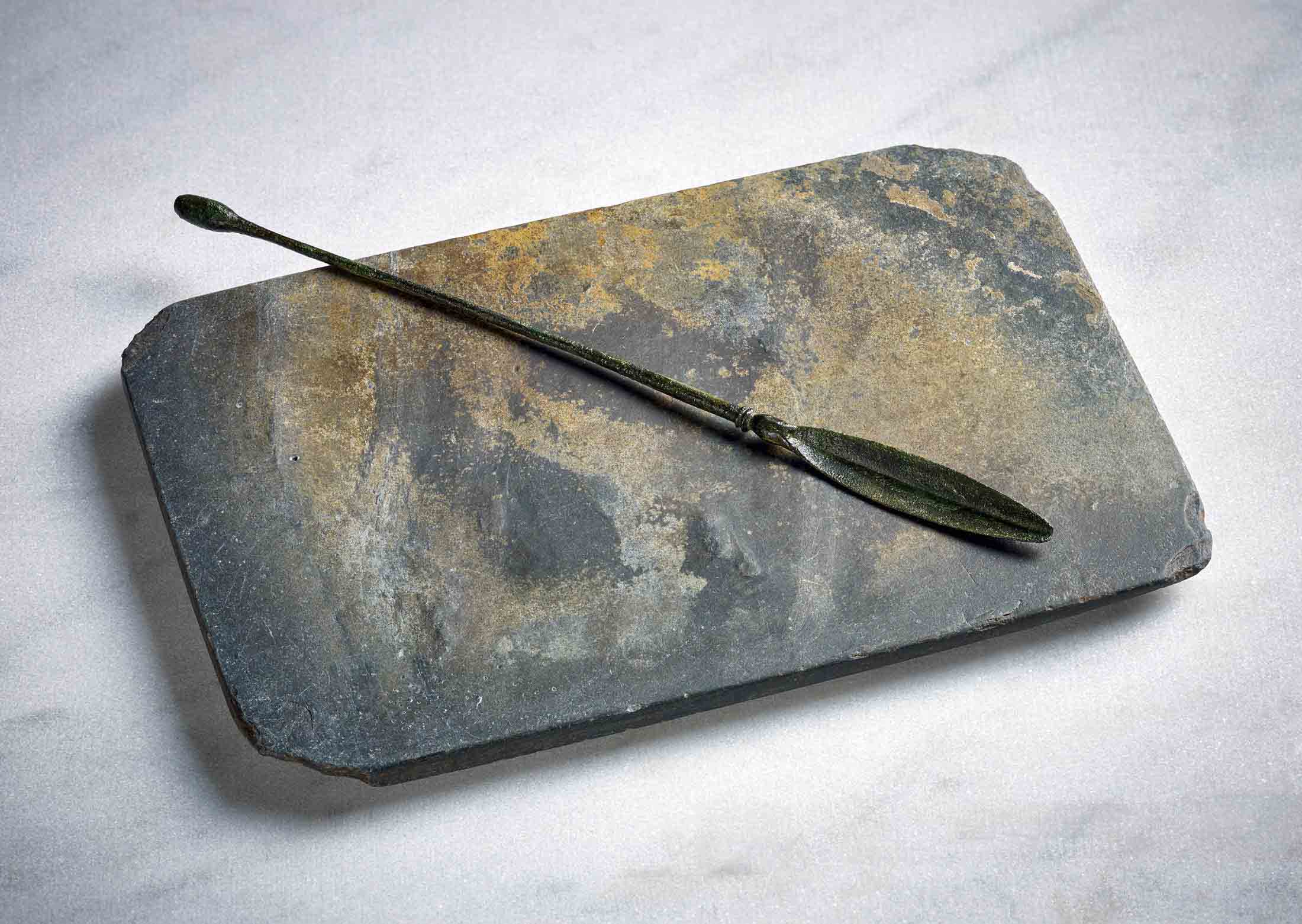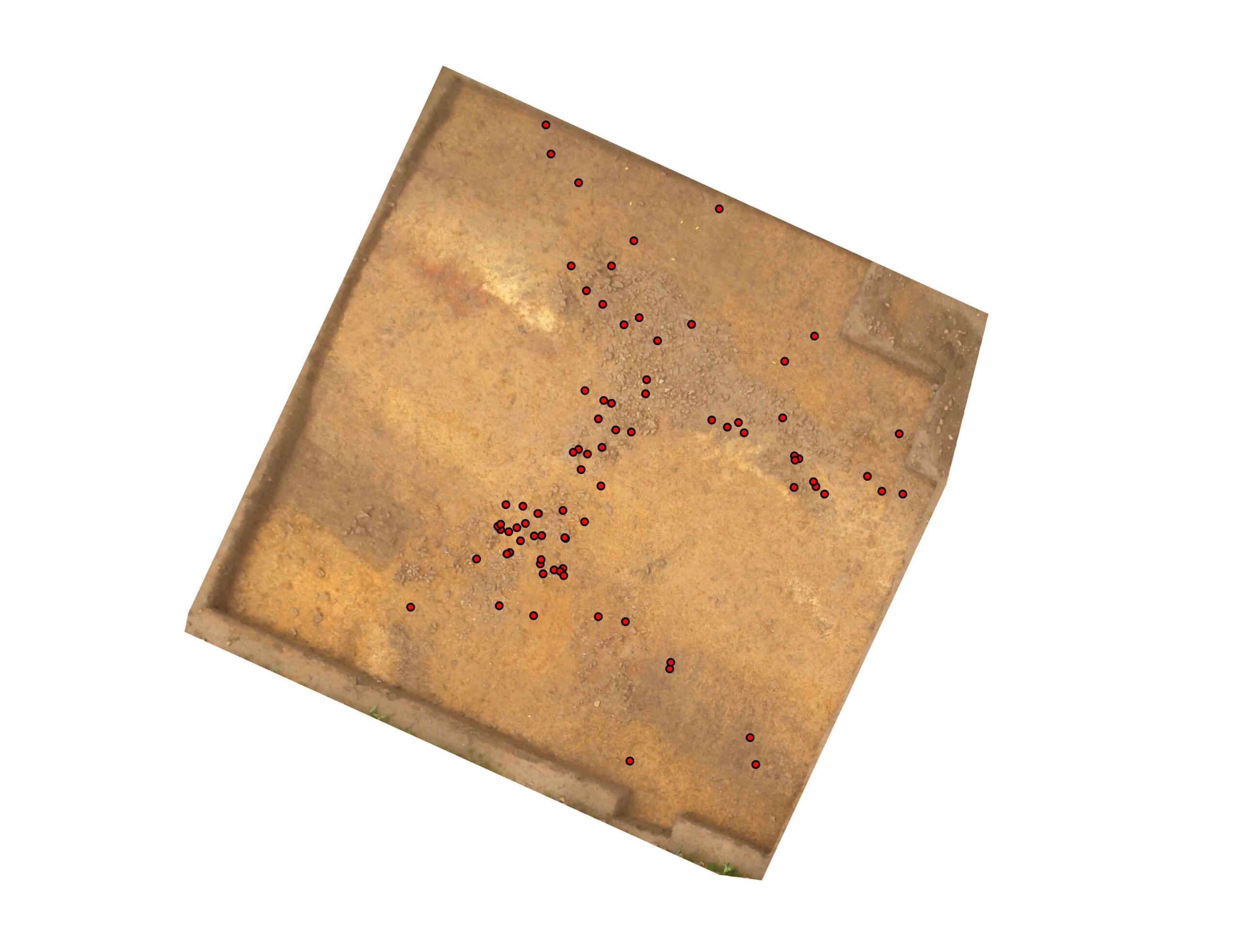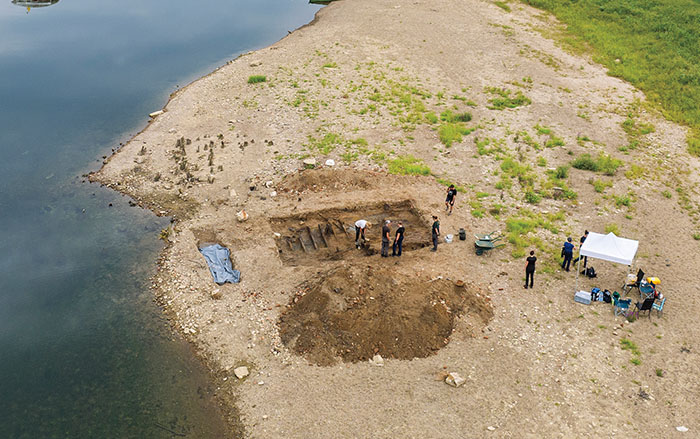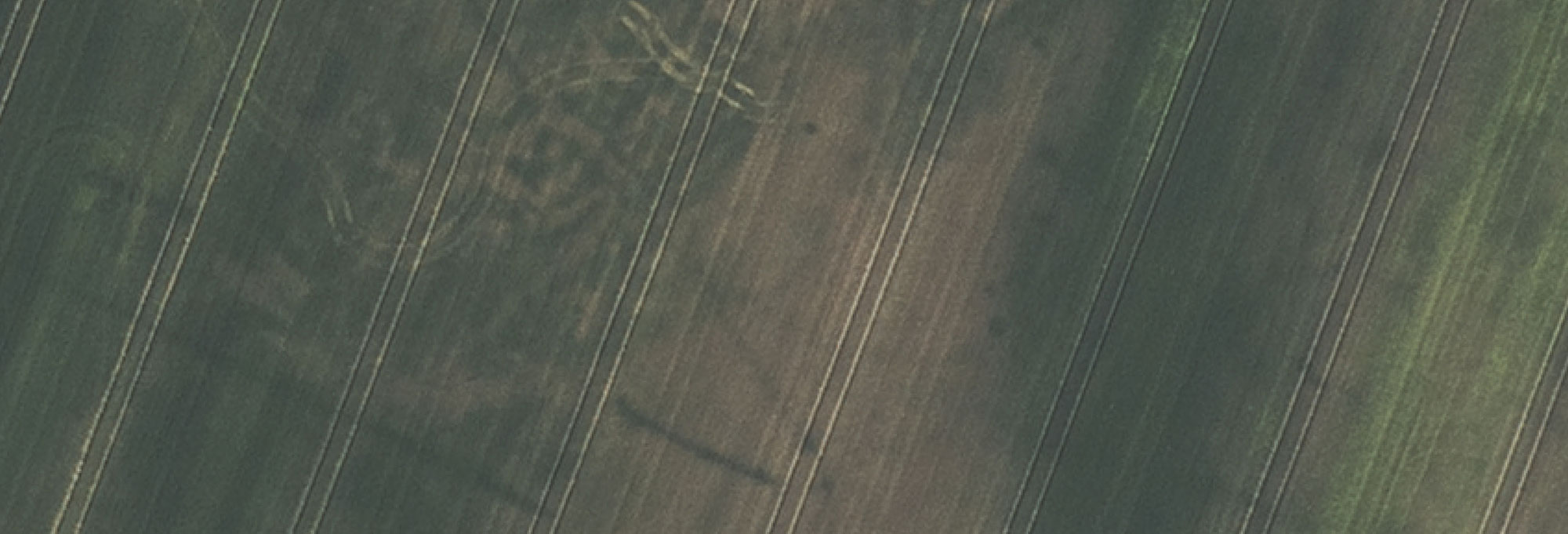
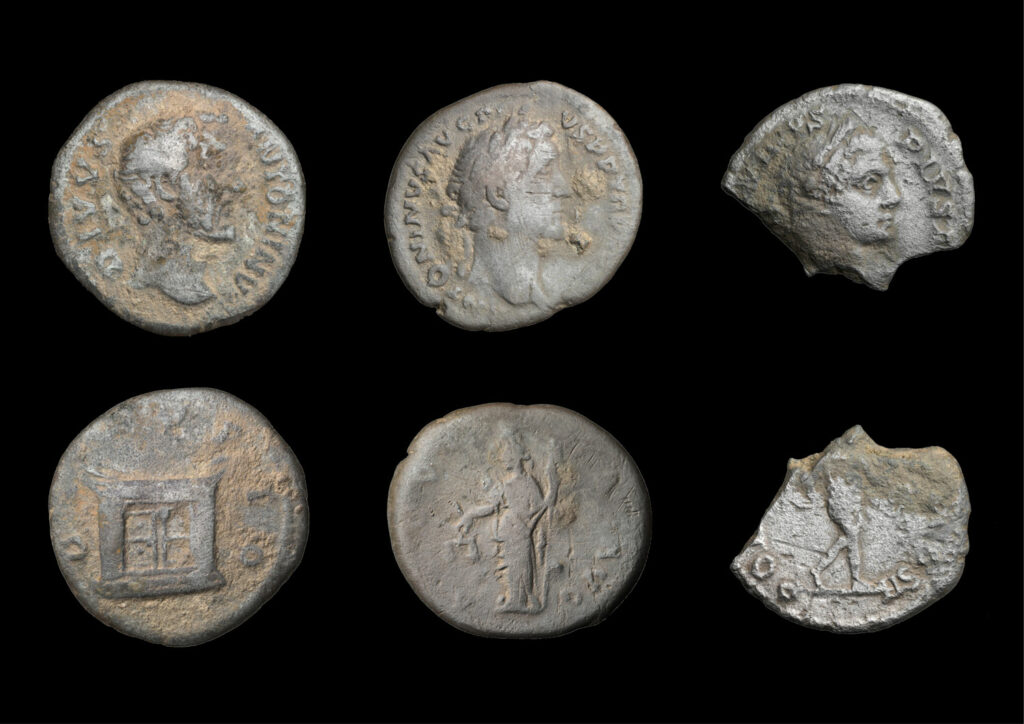
SAXONY-ANHALT, GERMANY—Four Roman marching camps were discovered in east-central Germany during a survey of aerial and satellite imagery conducted by archaeologists from the State Office for Heritage Management and Archaeology Saxony-Anhalt and volunteers, according to a Live Science report. Ground surveys, metal detecting, and excavations were used to confirm the sites, resulting in the recovery of more than 1,500 metal artifacts such as hobnails from soldiers’ sandals and coins dated to the second half of the second century and the early third century A.D. These standardized camps were rectangular with rounded corners, with main camp roads laid out at right angles. Headquarter buildings were placed at the intersections. A ditch with a defensive wall, known as a titulum, was built in front of the gate passages. These camps are thought to be linked to military campaigns under the Roman emperor Caracalla (reigned a.d. 198–217), who intended to expand Roman territory north, along the Elbe River to the North Sea. To read about excavations of an ancient Roman city near Frankfurt, go to "The Road Almost Taken."