

CHENNAI, INDIA—The Times of India reports that a well-preserved, eight-foot iron spear dated to some 5,300 years ago has been found in a burial at the site of Thirumalapuram, which is located in India’s southernmost state of Tamil Nadu. The spear, which is rounded at one end, is said to be the longest iron implement dated to the Iron Age to be unearthed in India. “We found two spears placed in an ‘X’ formation next to an urn,” said archaeologist K. Vasanthakumar of the Tamil Nadu state department of archaeology. “One was eight feet long and the other 6.5 feet. There were also gold objects inside the urn,” he added. The spears may have been used in battle, but it is also possible that the eight-foot spear was used as a ceremonial object reflecting the status of the person whose remains were buried in the urn, explained archaeologist R.K. Mohanty of Deccan College. To read about another discovery from Tamil Nadu, go to "India's Temple Island."
Iron Age Spear Excavated in Southern India
News January 29, 2026
Recommended Articles
Letter from the Levant March/April 2025
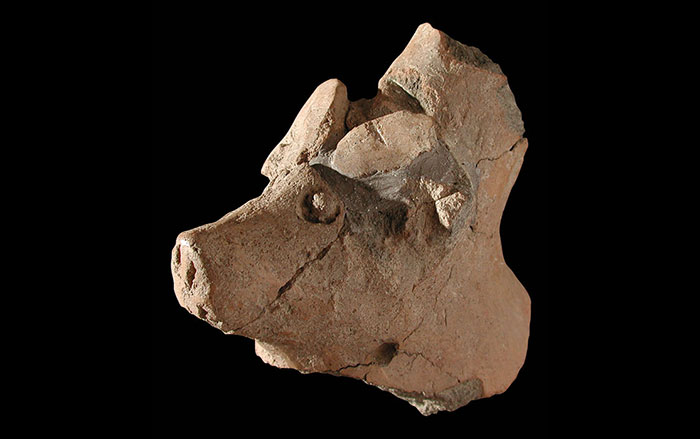
On the Origin of the Pork Taboo
Exploring ancient people’s shifting beliefs about rearing and eating pigs
Searching for Lost Cities May/June 2024
Which Island Is it Anyway?
Unidentified Island, English Channel

Off the Grid January/February 2023
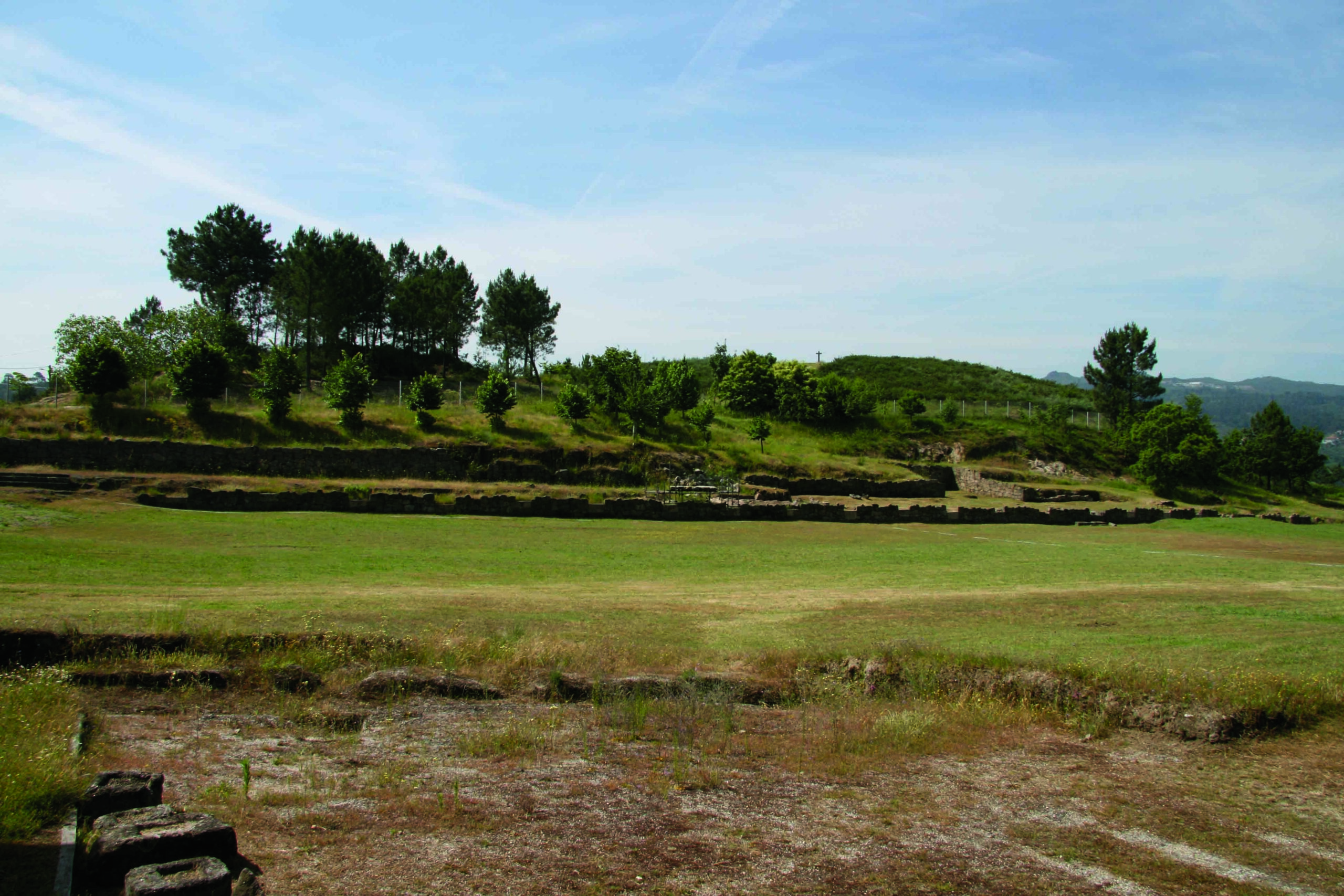
Tongobriga, Portugal
Digs & Discoveries September/October 2022
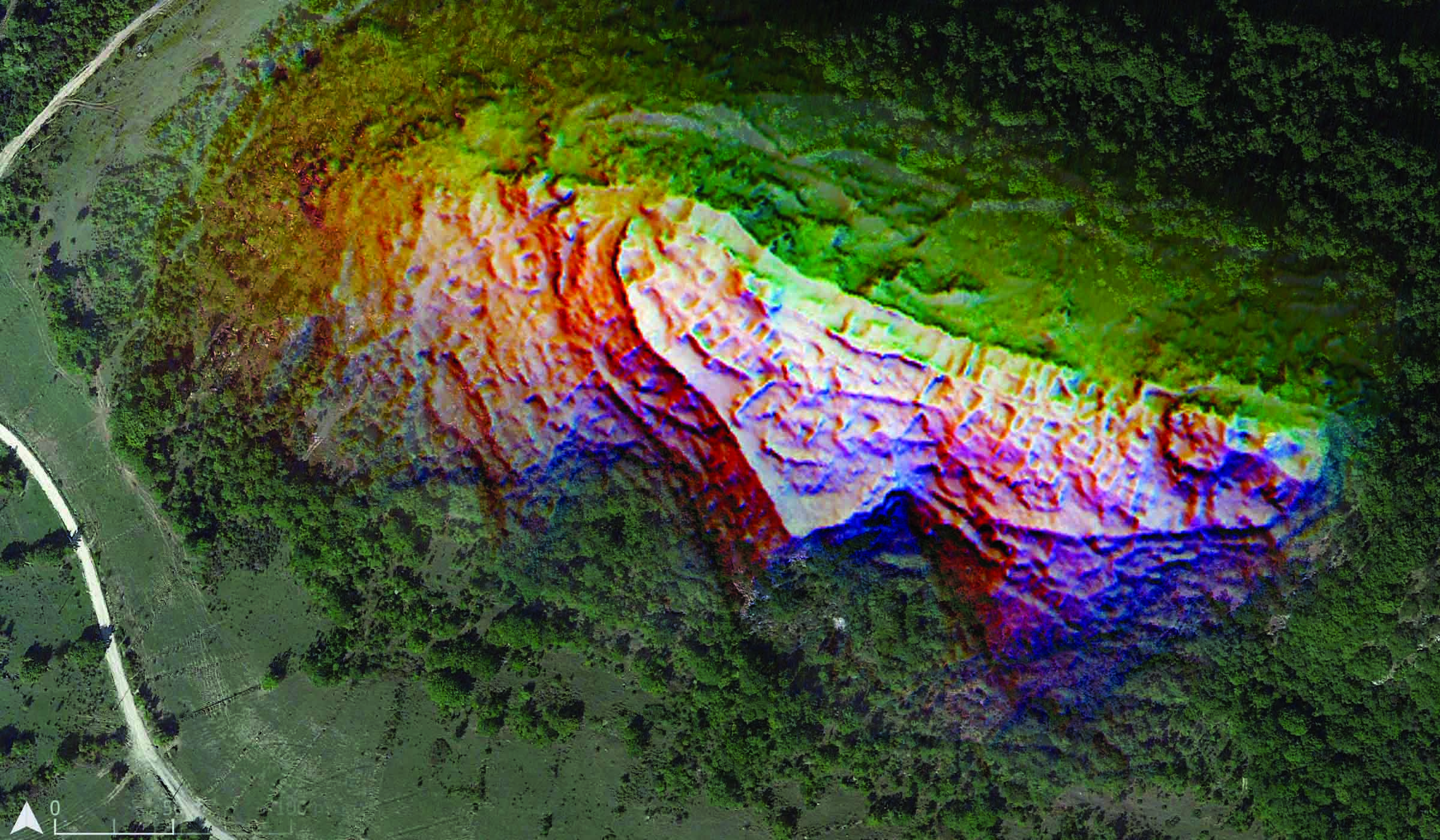
Surveying Samnium
More to Discover
Features January/February 2026
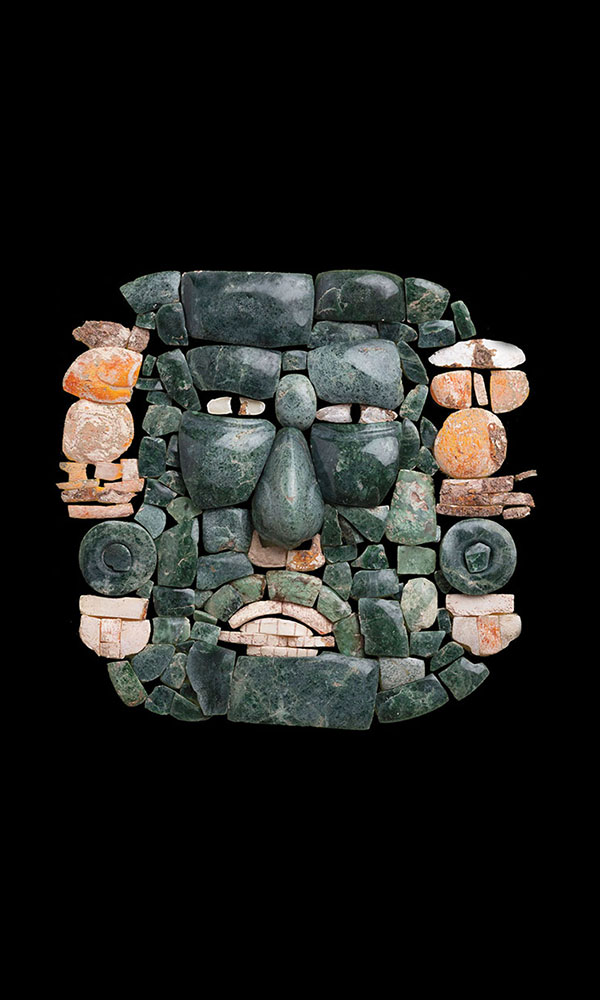
Top 10 Discoveries of 2025
ARCHAEOLOGY magazine’s editors reveal the year’s most exciting finds

-
Features January/February 2026
The Cost of Doing Business
Piecing together the Roman empire’s longest known inscription—a peculiarly precise inventory of prices
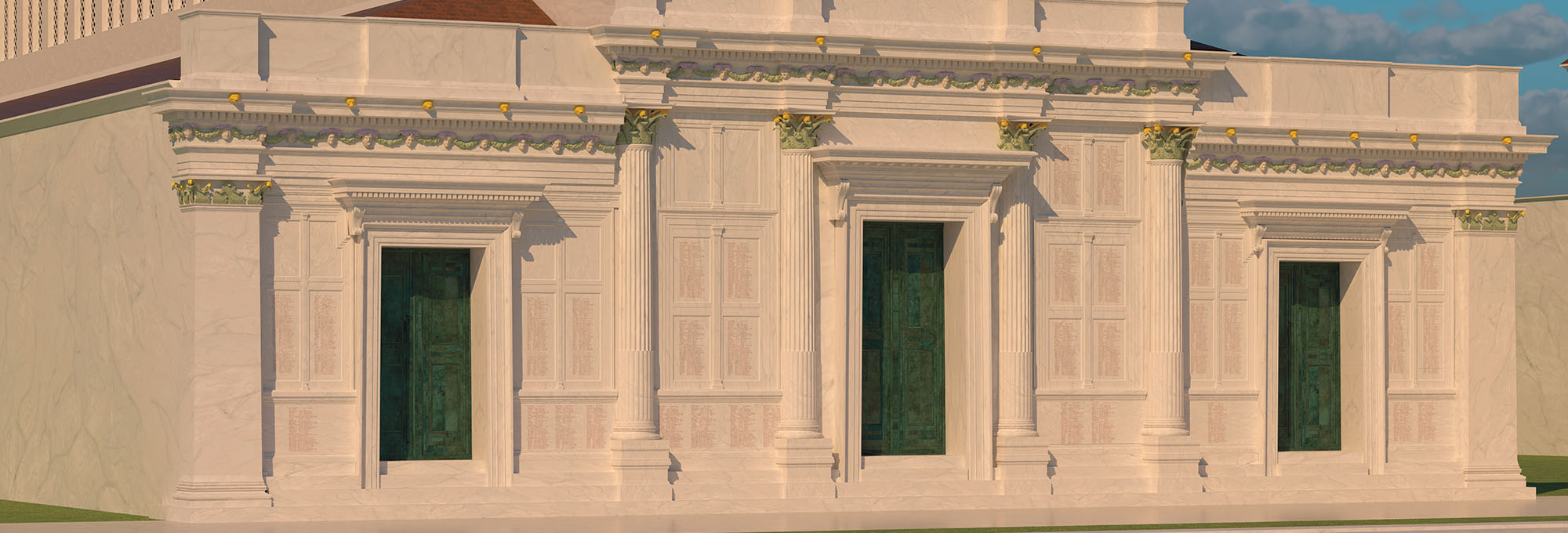 Ece Savaş and Philip Stinson
 -
Features January/February 2026
The Birds of Amarna
An Egyptian princess seeks sanctuary in her private palace
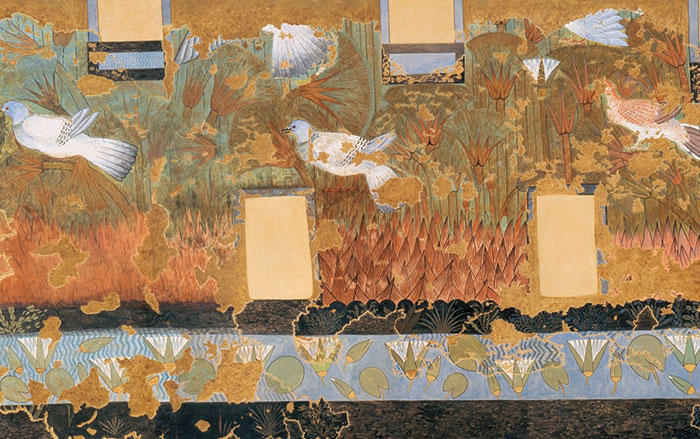 The Metropolitan Museum of Art, New York/ Rogers Fund, 1930
 -
Features January/February 2026
Taking the Measure of Mesoamerica
Archaeologists decode the sacred mathematics embedded in an ancient city’s architecture
 Courtesy Claudia I. Alvarado-León
 -
Features January/February 2026
Stone Gods and Monsters
3,000 years ago, an intoxicating new religion beckoned pilgrims to temples high in the Andes
 Courtesy John Rick