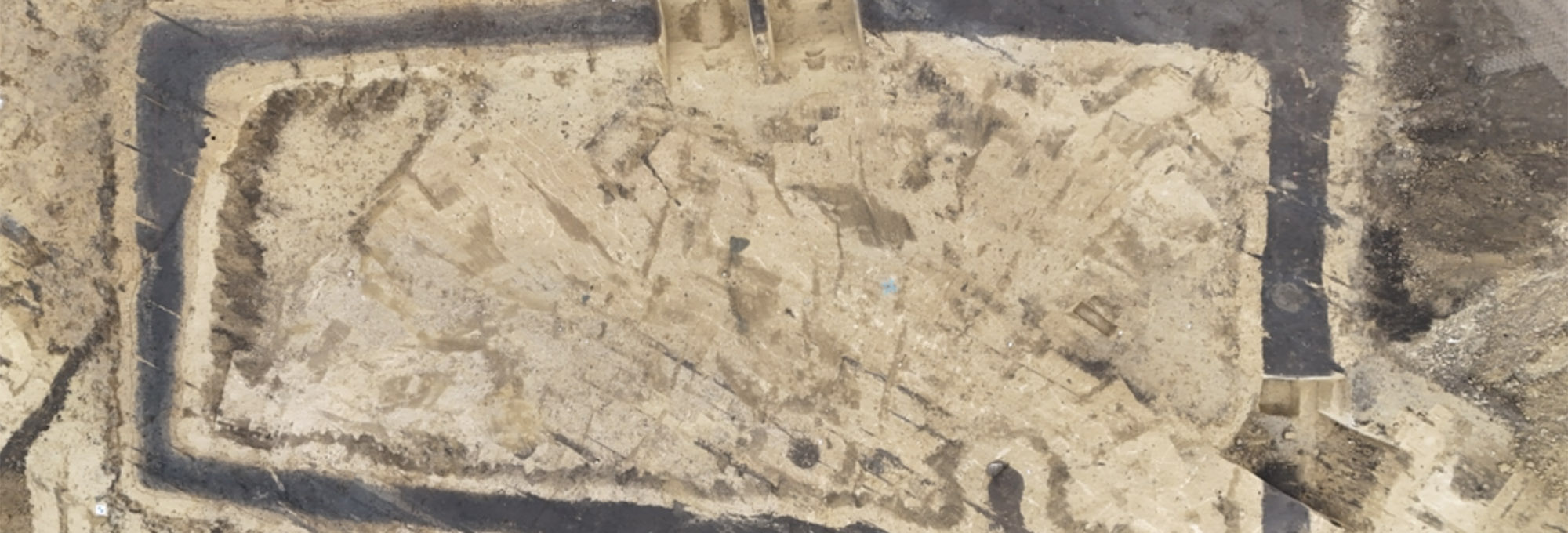
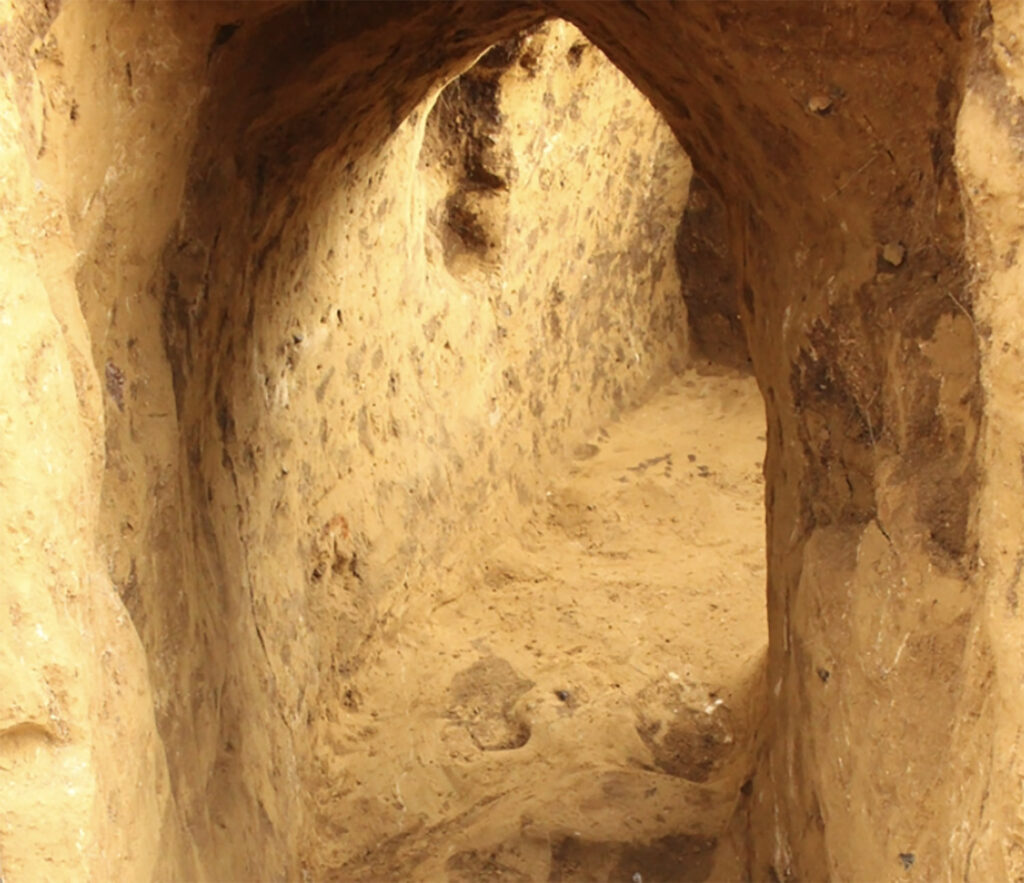
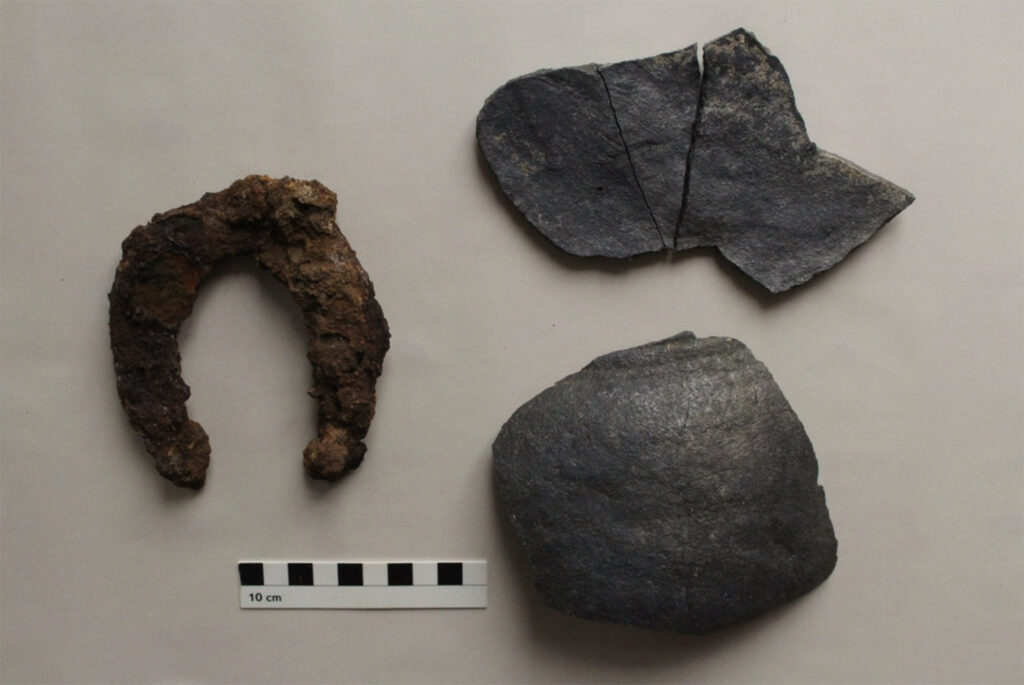
REINSTEDT, GERMANY—According to a La Brujula Verde report, archaeologists from the State Office for Heritage Management and Archaeology of Saxony-Anhalt discovered a series of peculiar and enigmatic overlapping structures dating from the late Middle Ages to the fourth millennium B.C. Before the construction of wind turbines in late 2025, they identified a trapezoidal ditch characteristic of funerary monuments created by a Neolithic people known as the Baalberg culture. The archaeologists also located later Neolithic burials from the third millennium B.C. and a possible Bronze Age burial mound belonging to the second millennium B.C. Most surprising, however, was the discovery of a much later feature called an erdstall, or “earth cellar.” Throughout medieval central Europe, people tunneled these underground chambers and galleries, usually narrow and with low ceilings, near churches, cemeteries, and the basements of farmhouses. Their function remains uncertain. The team found that the entrance of this erdstall had been carved directly into one side of the Neolithic earthwork. The pit was initially thought to be a grave, but further excavation deeper into the loess subsoil revealed a curving underground tunnel with a pitched ceiling, 3.3 to 4.1 feet high and 1.6 to 2.3 feet wide. Although an erdstall often yields no artifacts, here the archaeologists found a horseshoe, a fox skeleton, small mammal bones, and ceramic fragments. The researchers suggest that the Neolithic pagan grave monument may have been avoided by the medieval population—thus making the location particularly attractive as a secret place for performing rituals or simply lying low. To read about how farmers in Germany built the world’s oldest known wooden structures 7,000 years ago, go to “The Neolithic Toolkit.”