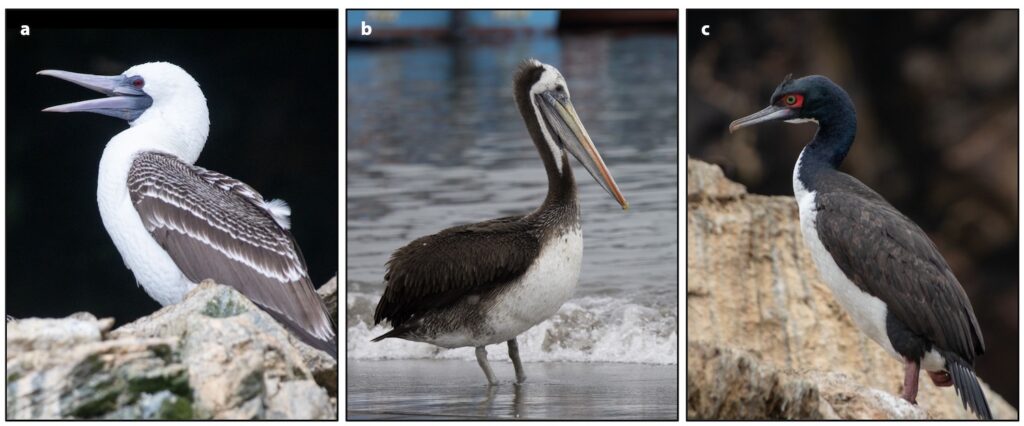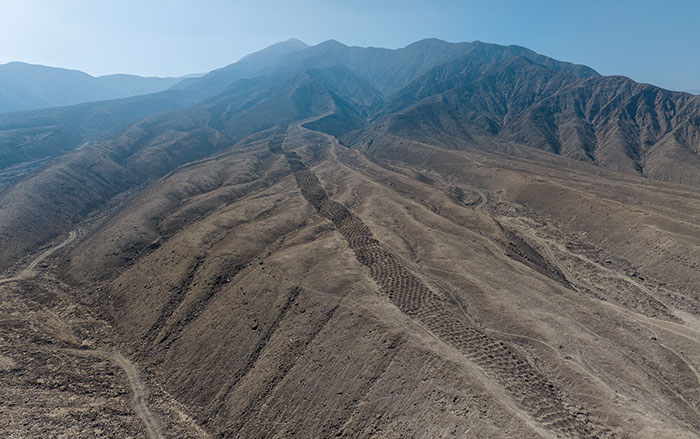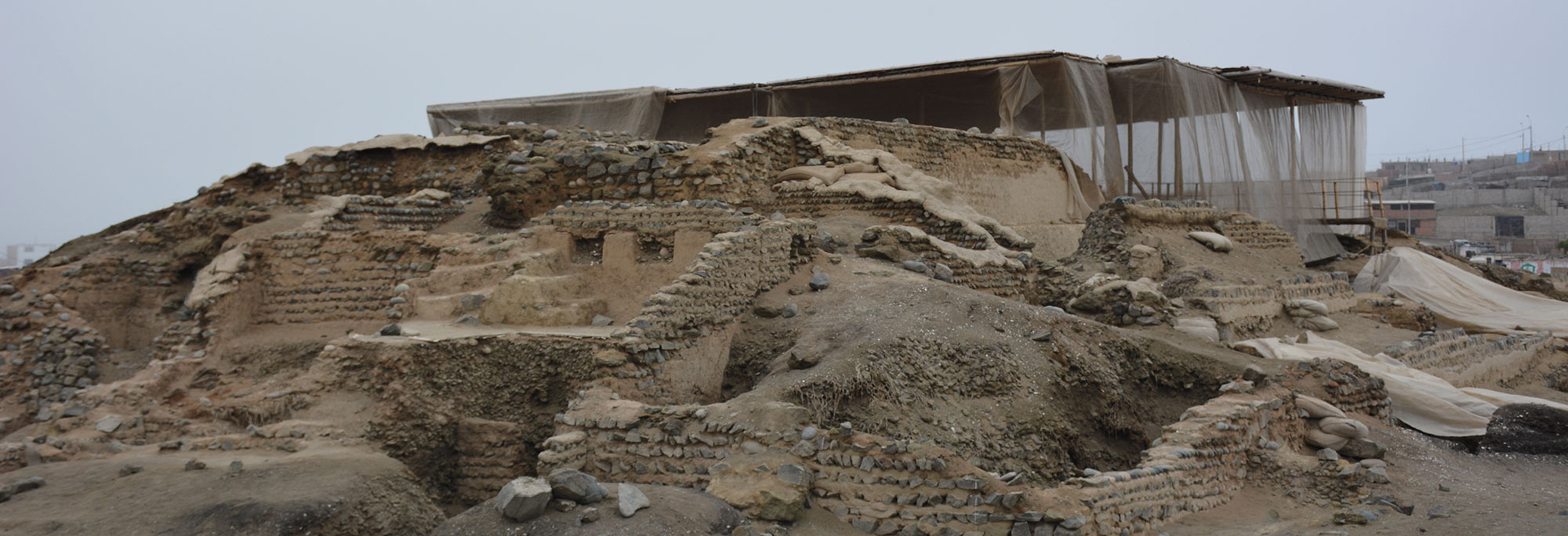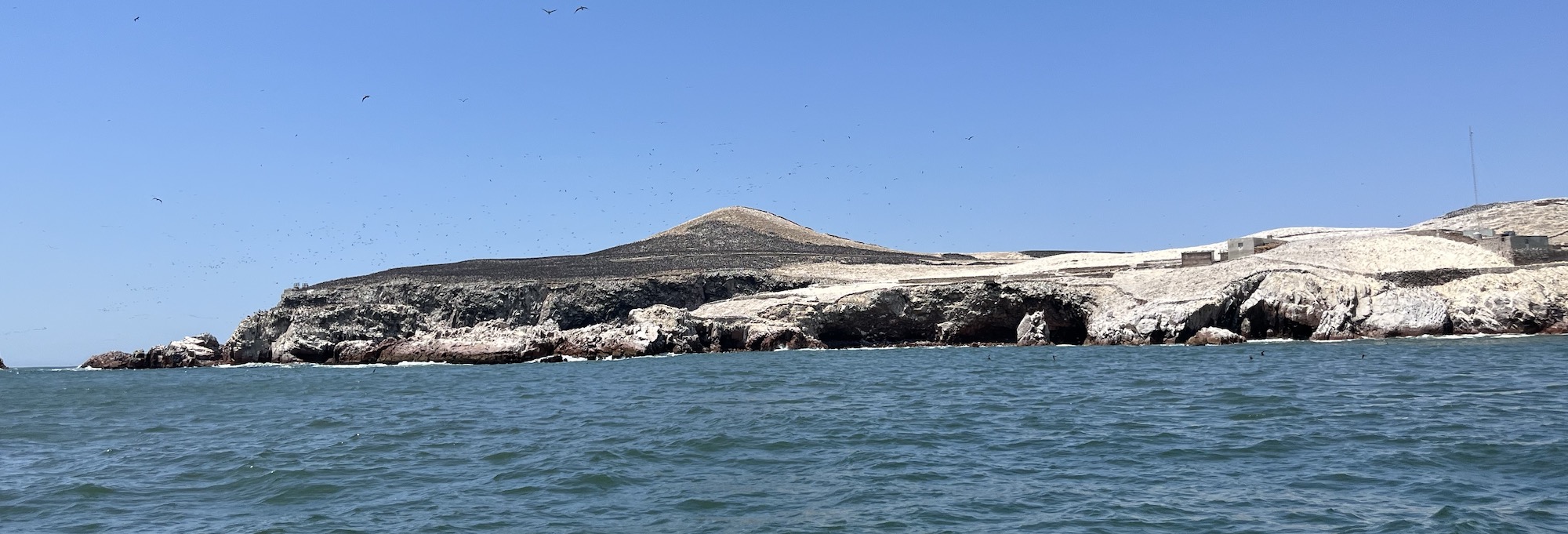
CHINCHA VALLEY, PERU—According to a statement released by the University of Sydney, seabird guano may have been a major factor in the rise of Peru’s precolonial Chincha Kingdom, a powerful coastal polity that reached an estimated 100,000 people. Yet archaeologists have often wondered how they were able to support a population that large, since they inhabited one of the driest regions on earth. However, analysis of 35 maize samples recovered from tombs revealed the plants had surprisingly high nitrogen levels, far beyond what was found in the region's natural soil. Researchers now believe that in order to create optimal farming conditions, the Chincha people were harvesting seabird guano from offshore islands and fertilizing their agricultural fields with it. Due to the birds' marine diet, their droppings were enriched with nitrogen and made for excellent fertilizer. “Guano dramatically boosted the production of maize (corn), and this agricultural surplus crucially helped fuel the Chincha Kingdom’s economy, driving their trade, wealth, population growth and regional influence, and shaped their strategic alliance with the Inca Empire,” said University of Sydney archaeologist Jacob Bongers. “In ancient Andean cultures, fertilizer was power.” Read the original scholarly article about this research in PLOS One. To read about an enigmatic mile-long pattern that the Chincha people created in Peru's coastal desert, go to "Return to Serpent Mountain."