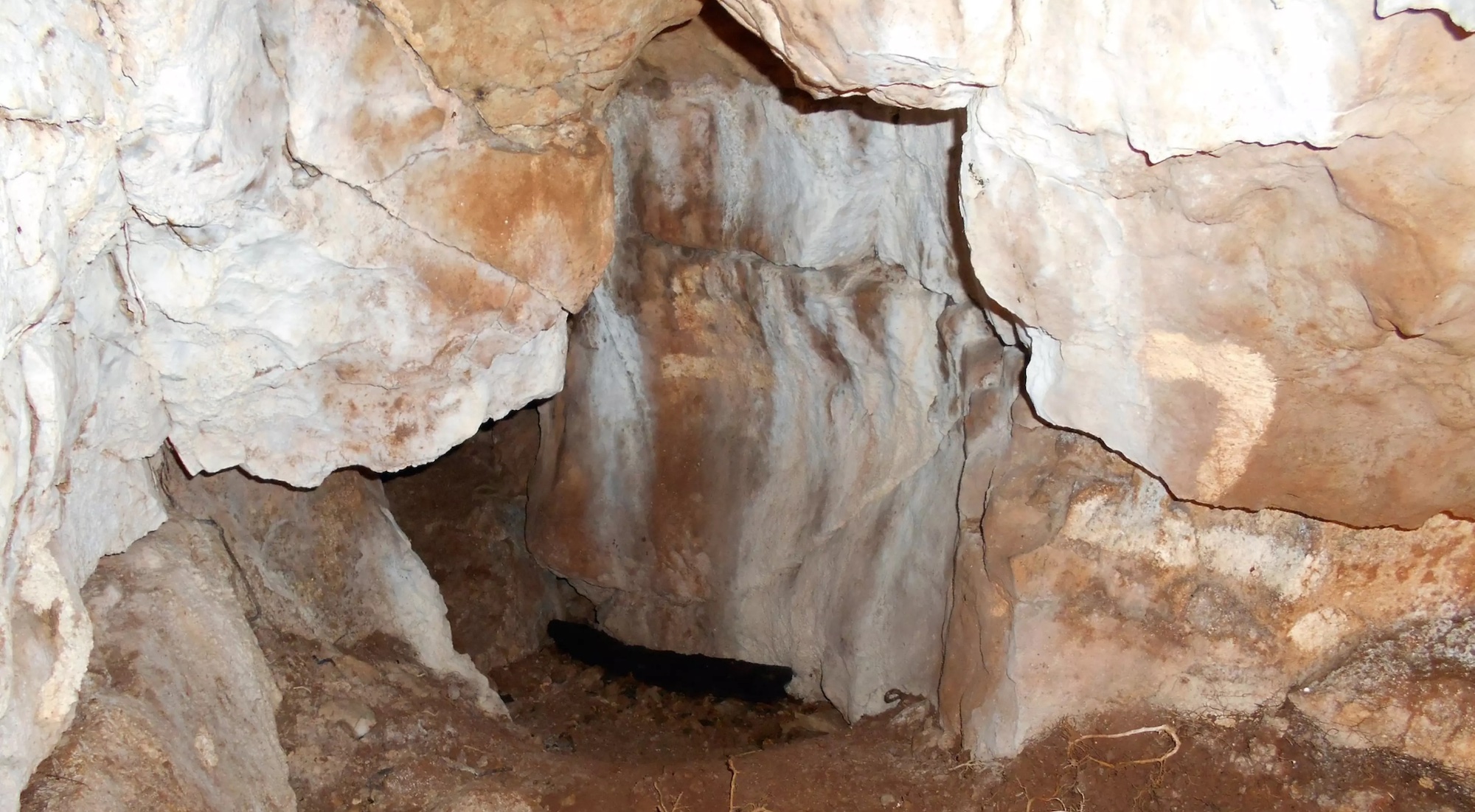
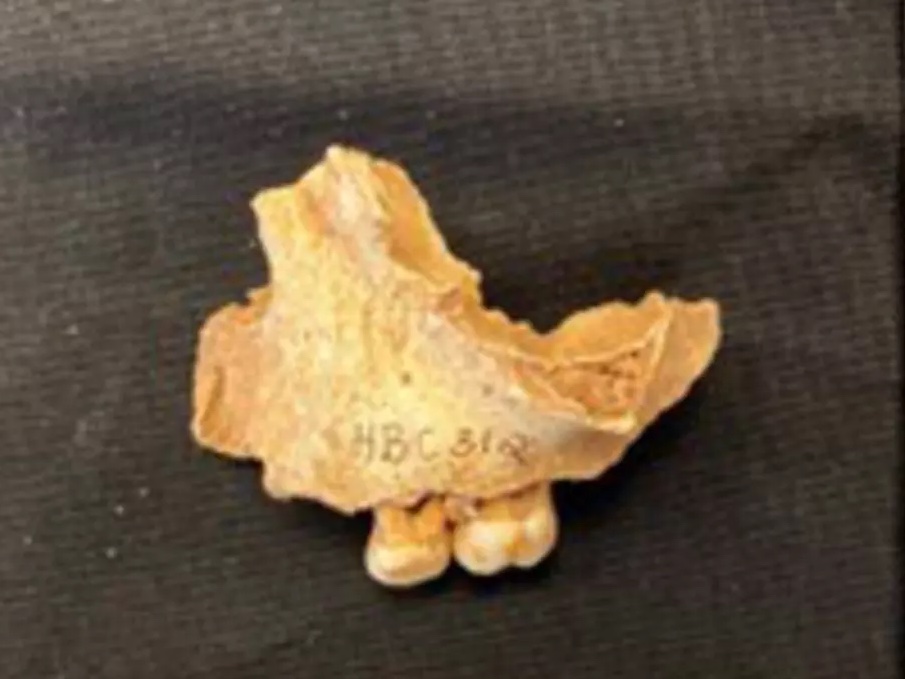
GREAT URSWICK, ENGLAND—The Independent reports that human skeletal remains found deep within the Heaning Wood Bone Cave in Great Urswick, Cumbria, represent evidence of Britain’s oldest known “northerner.” When the cranial fragments were first discovered in 2023, it was believed that they belonged to a male individual. However, further analysis recently conducted by researchers at the University of Lancashire concluded that they instead came from a young girl between two-and-a-half and three-and-a-half years of age. Not only that, radiocarbon dating indicated that she lived at least 11,000 years ago during the Mesolithic period, making her the oldest known human to have lived and been buried in this region. “To put it in perspective, the last Ice Age lasted until about 11,600 years ago," said University of Lancashire archaeologist Rick Peterson. "After that period, the global temperature warmed rapidly over about 100 years to give us the climate we’ve got today. These people are just about as early as we could expect them to be—the pioneers reoccupying the land after the Ice Age.” A single periwinkle shell bead was found alongside her remains. Archaeologists have nicknamed the child the “Ossick Lass,” meaning Urswick girl in the local dialect. Read the original scholarly article about this research in Proceedings of the Prehistoric Society. To read about traces of a Mesolithic world submerged beneath the North Sea, go to "Letter from Doggerland: Mapping a Vanished Landscape."