Mosaic Flooring Discovered in Central Athens

News March 9, 2026

ATHENS, GREECE—According to the Greek Reporter, an ancient mosaic was discovered in central Athens during construction work on Evripidou Street. Large sections of the floor appear to remain intact. Archaeologists are examining the mosaic in an effort to date it and determine if the floor belonged to a private residence or a public area. To read about lead curse tablets unearthed at Athens' Kerameikos necropolis, go to "The Cursing Well."

Maya Wooden Structures Excavated at Belize Wetlands Site

News March 9, 2026

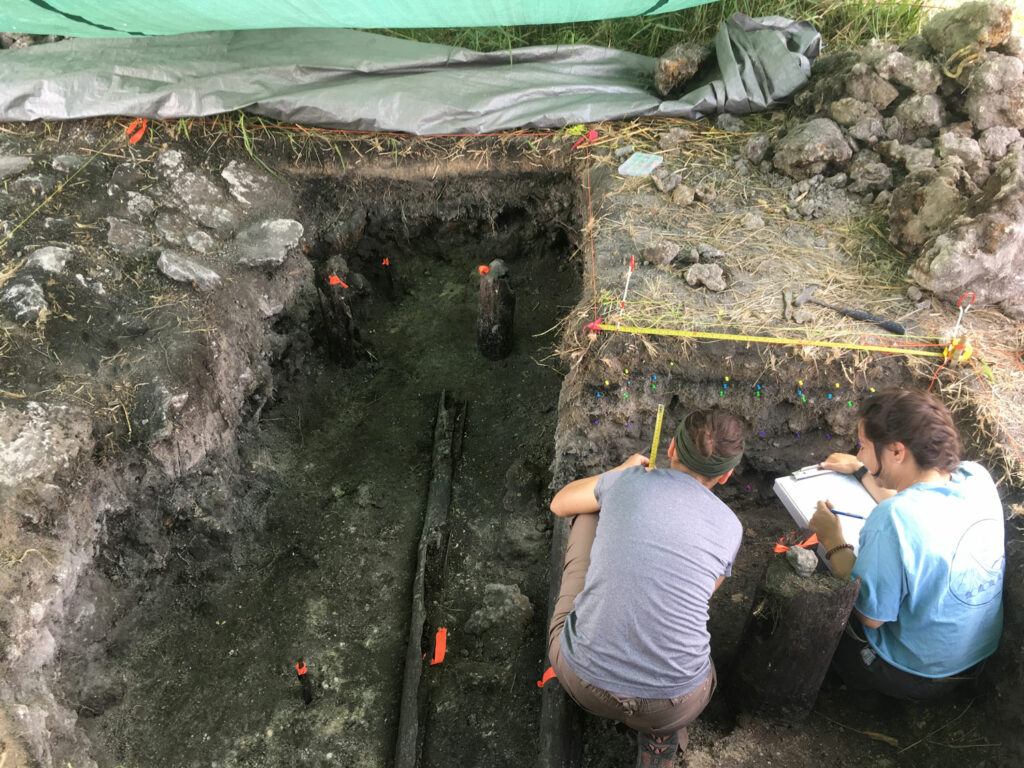
Archaeologists excavate preserved Maya wooden architecture at the Birds of Paradise wetland field complex in northwestern Belize
Timothy Beach

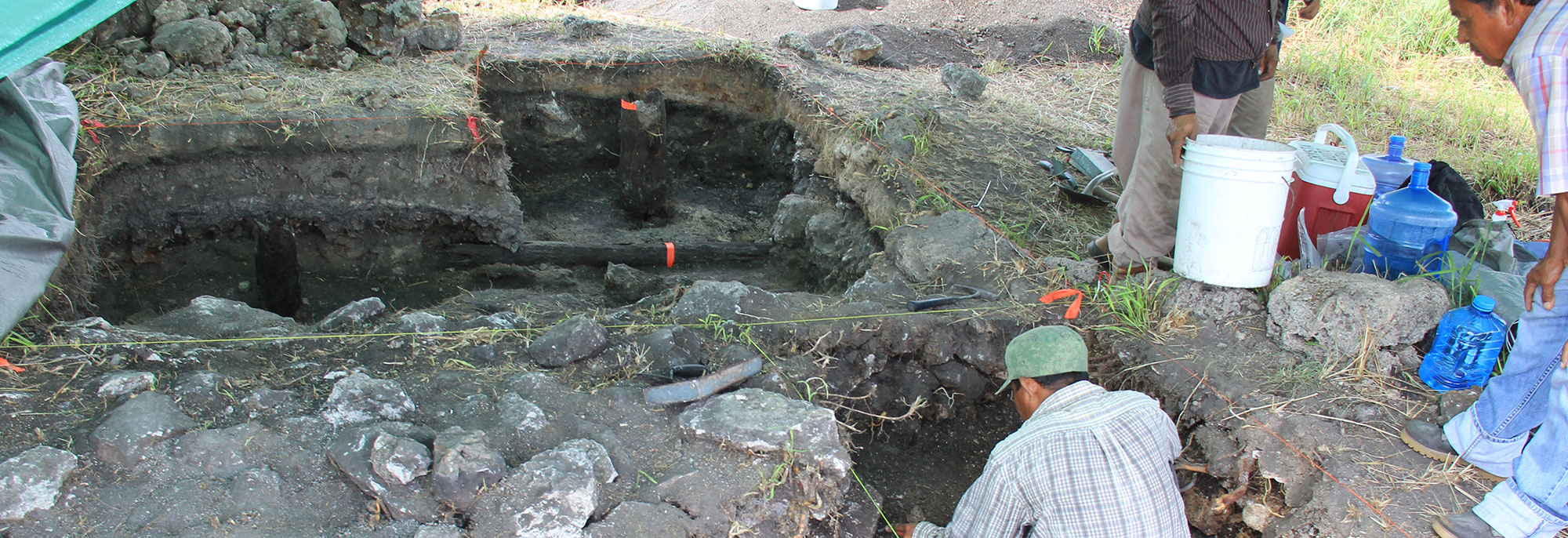
NEW YORK, NEW YORK—An excavation team at the Birds of Paradise wetland field complex in northwestern Belize has uncovered a Maya site occupied between a.d. 800 and 1500, after Maya urban centers had been abandoned, according to a statement released by New York University (NYU). “Our most exciting finding is the remarkable preservation of wooden architecture in a tropical wetland,” said NYU archaeologist Lara Sánchez-Morales. She and her colleagues found these wooden structures after using lidar equipment to map the area. They identified eight earthen mounds, which likely supported large structures, and a large limestone platform. “We still don’t know how large this wetland population was or how it functioned,” Sánchez-Morales said. “Our next steps include expanding excavations to understand how the Maya built with rare woods, how they fed themselves, and how this wetland settlement fit into a region undergoing widespread abandonment,” she added. Read the original scholarly article about this research in Proceedings of the National Academy of Sciences. To read about a Maya ruler's tomb unearthed at the site of Caracol in Belize, go to "Return of the King," one of ARCHAEOLOGY's Top 10 Discoveries of 2025.

Possible Early Human Ancestor Femur Uncovered in the Balkans

News March 9, 2026

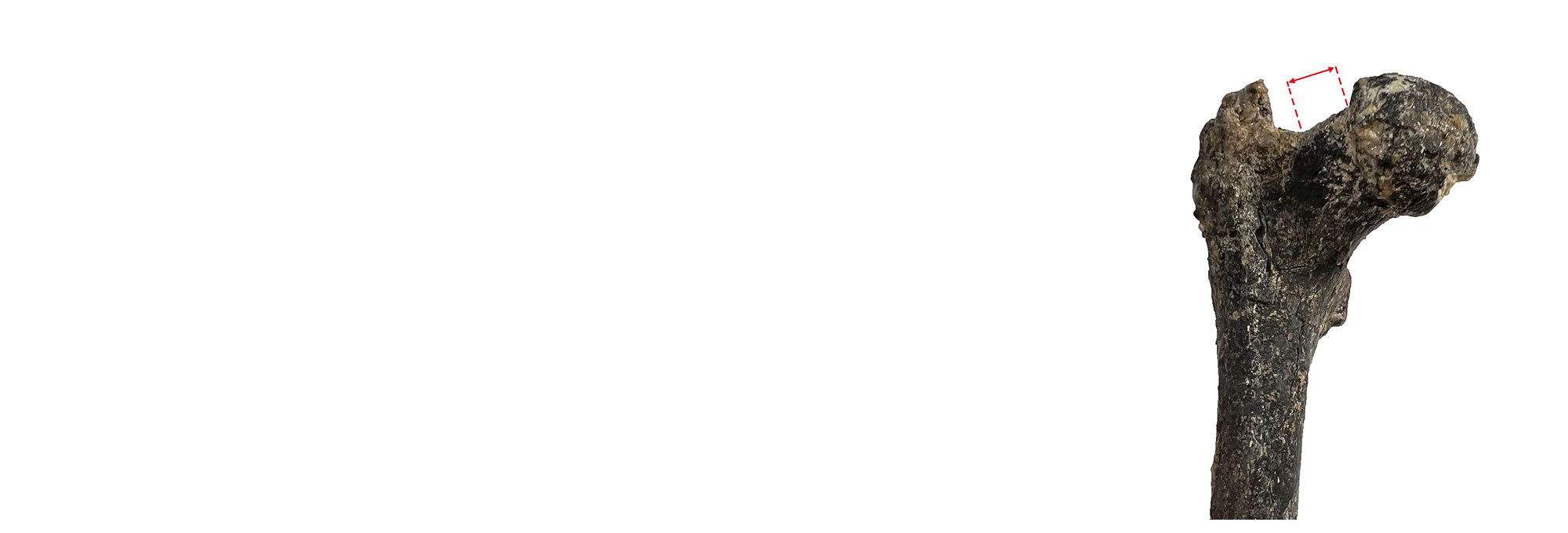
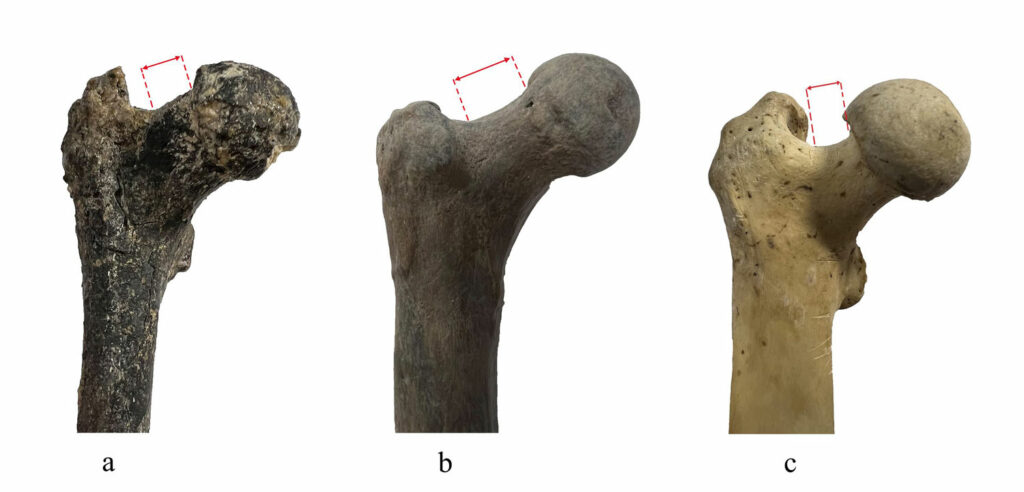
Graecopithecus femur
N. Spassov, D. Youlatos, M. Böhme, R. Bogdanova, L. Hristova, D. Begun

TÜBINGEN, GERMANY—According to a statement released by the University of Tübingen, an international team of researchers who evaluated a fossil femur unearthed at the site of Azmaka in southern Bulgaria suggests that it could belong to a human ancestor. “At 7.2 million years old, this ancestor, which we classify as belonging to the genus Graecopithecus, could be the oldest known human,” said paleoanthropologist David Begun of the University of Toronto. Graecopithecus was first identified by a fragment of a lower jaw unearthed near Athens. The researchers examined the shape of the tooth roots from the jaw and concluded that Graecopithecus could represent an early human ancestor. The femur from Bulgaria is thought to have come from a female who weighed about 50 pounds. “A number of external and internal morphological features, such as the elongated, upward-pointing neck between the femur shaft and head, special attachment points for the gluteal muscles, and the thickness of the outer bone layer, have similarities with bipedal fossil human ancestors and humans,” explained paleontologist Nikolai Spassov of the Bulgarian National Museum of Natural History. Climate change in the eastern Mediterranean and western Asia between eight and six million years ago may have triggered waves of Eurasian mammals, including Graecopithecus, to migrate southward to Africa, where early human ancestors such as Australopithecus eventually emerged, added paleontologist Madelaine Böhme of the University of Tübingen. Read the original scholarly article about this research in Palaeobiodiversity and Palaeoenvironments. To read about a recent study of the musculoskeletal system of the australopithecine skeleton known as Lucy, go to "Around the World: Ethiopia."

Burials Discovered in Rome's Ostiense Necropolis

News March 6, 2026

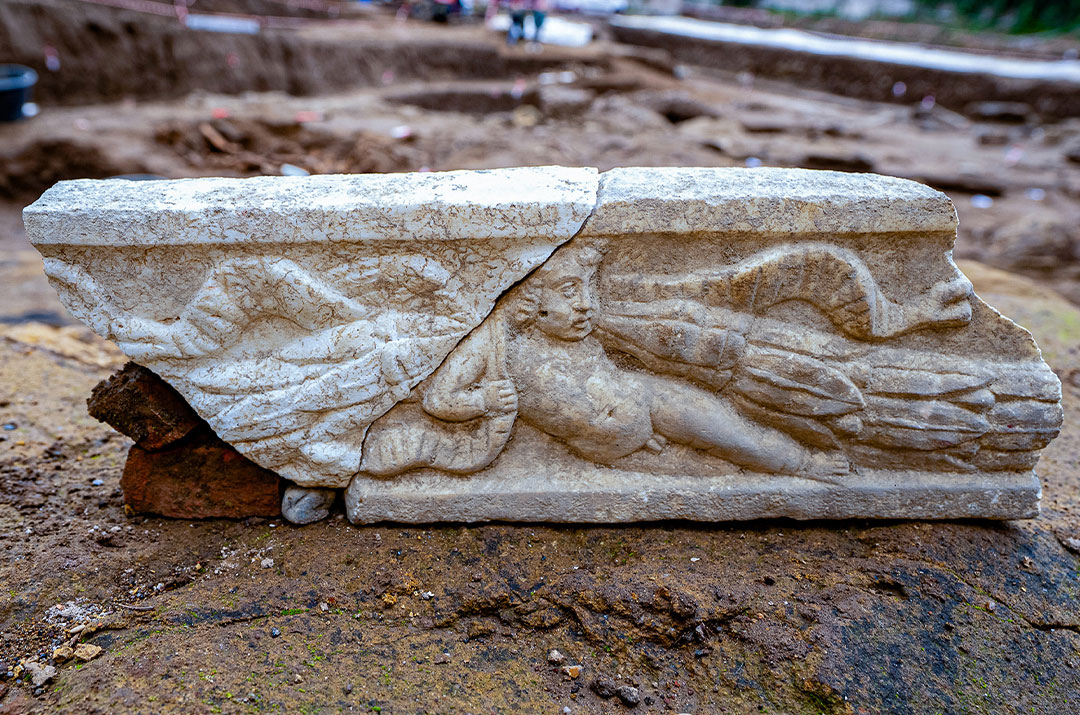
Carved marble sculpture uncovered at the Ostiense Necropolis, Rome, Italy
Italian Ministry of Culture

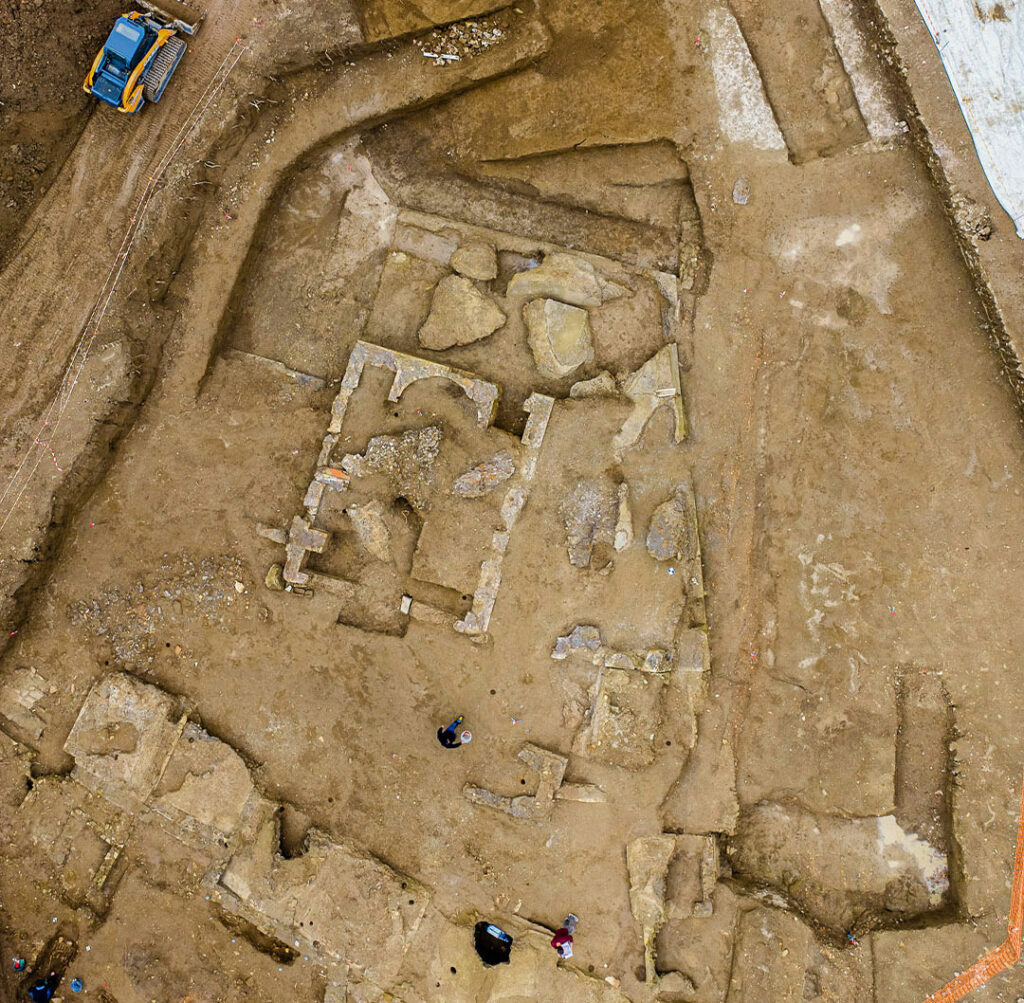
ROME, ITALY—La Brújula Verde reports that an excavation along the Via Ostiense, the ancient road that connected Rome and its river port, Ostia, has uncovered a previously unknown area of the Ostiense Necropolis. Diletta Menghinello of the Special Superintendence for Archaeology, Fine Arts and Landscape of Rome said that five funerary buildings with vaulted roofs from the imperial period have been uncovered. These buildings were aligned northeast-southwest. Two smaller buildings were found in front of them. Another structure, oriented perpendicularly to the main axis, suggests that the funerary buildings may have been placed around a central courtyard or open area. The walls of these buildings were decorated with frescoes featuring colored bands; vegetal motifs; praying female figures known as orantes; and Winged Victories, which are linked to the hope of transcendence and triumph over death, Menghinello explained. She thinks that these funerary structures may have served as columbaria, or chambers with niches for housing cremation urns. Grave goods, inscriptions, and the original flooring may also be preserved at the site, she added. Archaeologists found a later necropolis behind these imperial structures. Burials there were simple pits containing few grave goods, perhaps reflecting changing social and economic conditions. To read about the ancient seaport of Portus near Ostia, go to "Rome's Imperial Port."

Prehistoric Europeans Ate a Varied Diet

News March 6, 2026

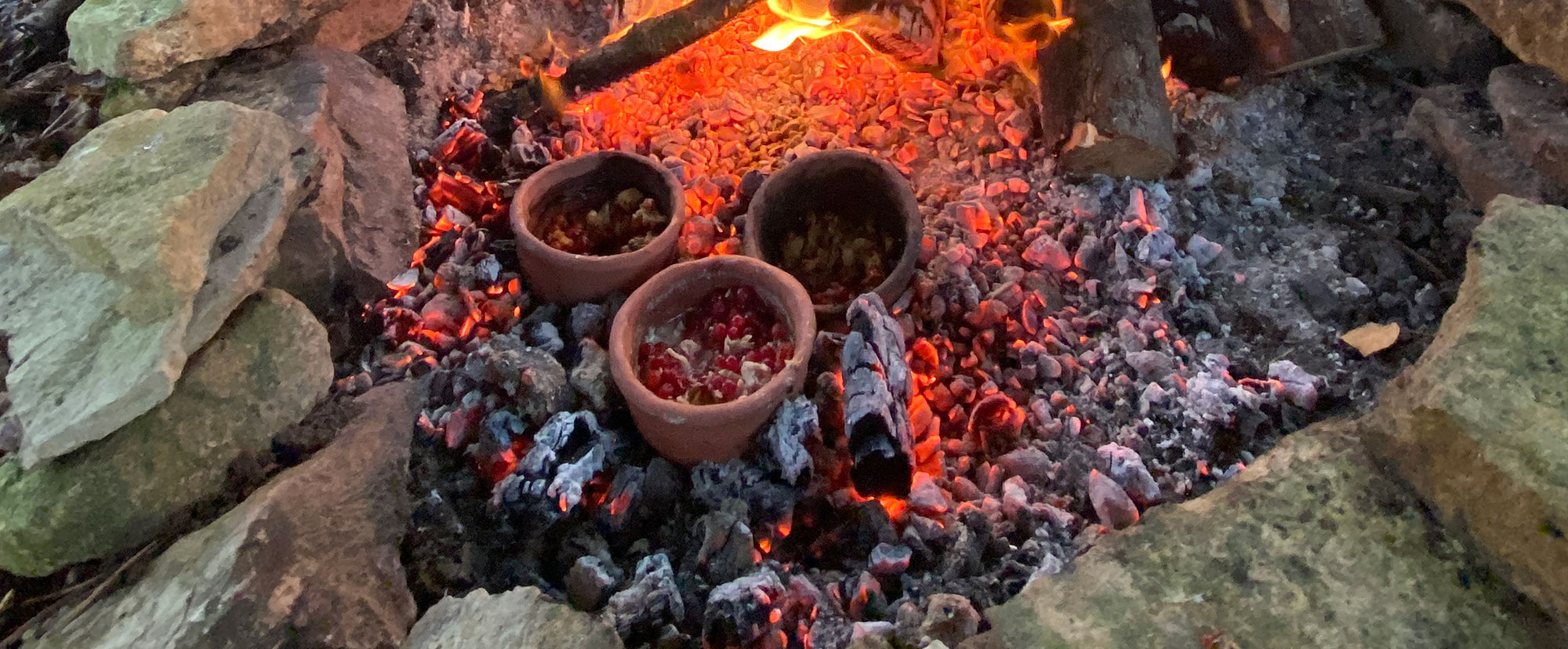
Experimental cooking with modern replica pottery vessels to recreate prehistoric recipes
Lara González Carretero

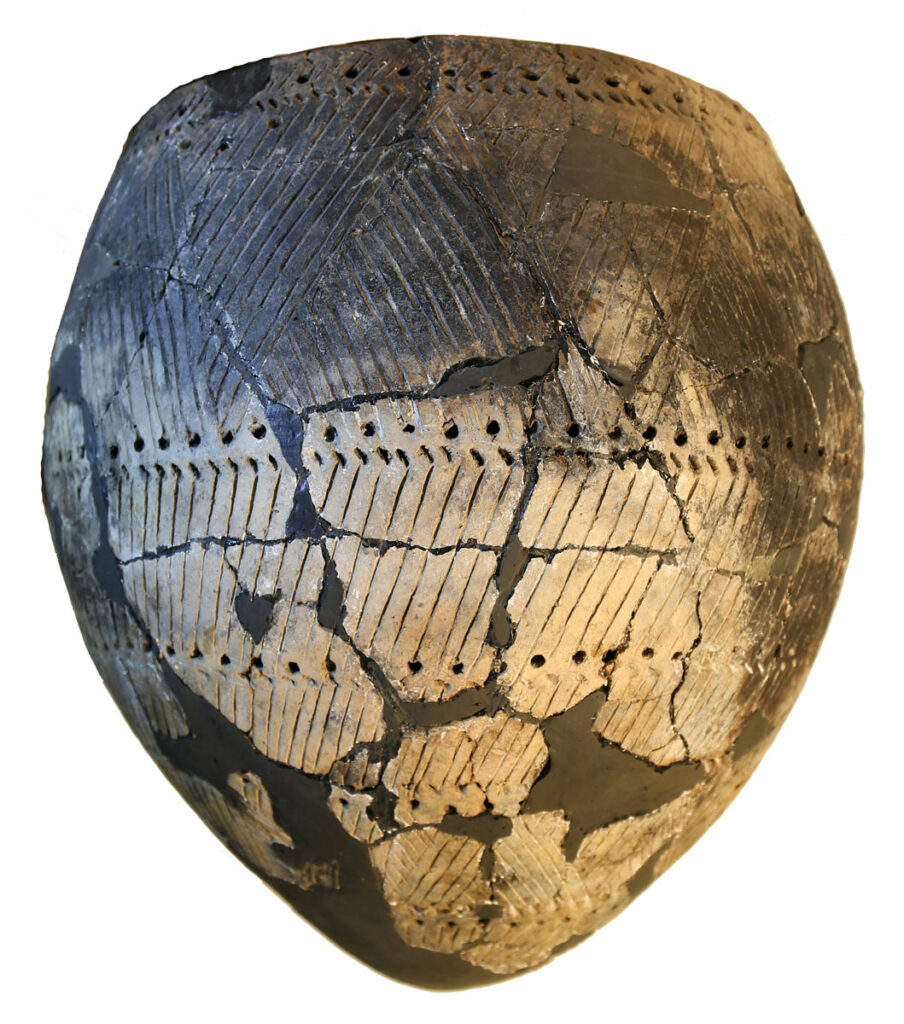
YORK, ENGLAND—According to a statement released by the Public Library of Science, Lara González Carretero of the University of York and her colleagues analyzed residues in 58 pieces of pottery unearthed at 13 different archaeological sites in northern and eastern Europe. The pottery was dated to between the sixth and third millennia B.C. The scientists employed scanning electron microscopy to look for traces of plants in addition to chemical analysis of fatty residues left behind by animal foods. They detected traces of a wide variety of plants, including grasses, berries, leaves, and seeds, that had been cooked with a variety of seafoods and meats. The ingredients in these complex meals varied by region according to what would have been locally available, González Carretero said. Read the original scholarly article about this research in PLOS One. To read about a study of food residues on pottery used by Indigenous Brazilians some 4,000 years ago, go to "Something's Fishy."

Lake Temperatures Linked to Michigan Mound Placement

News March 6, 2026

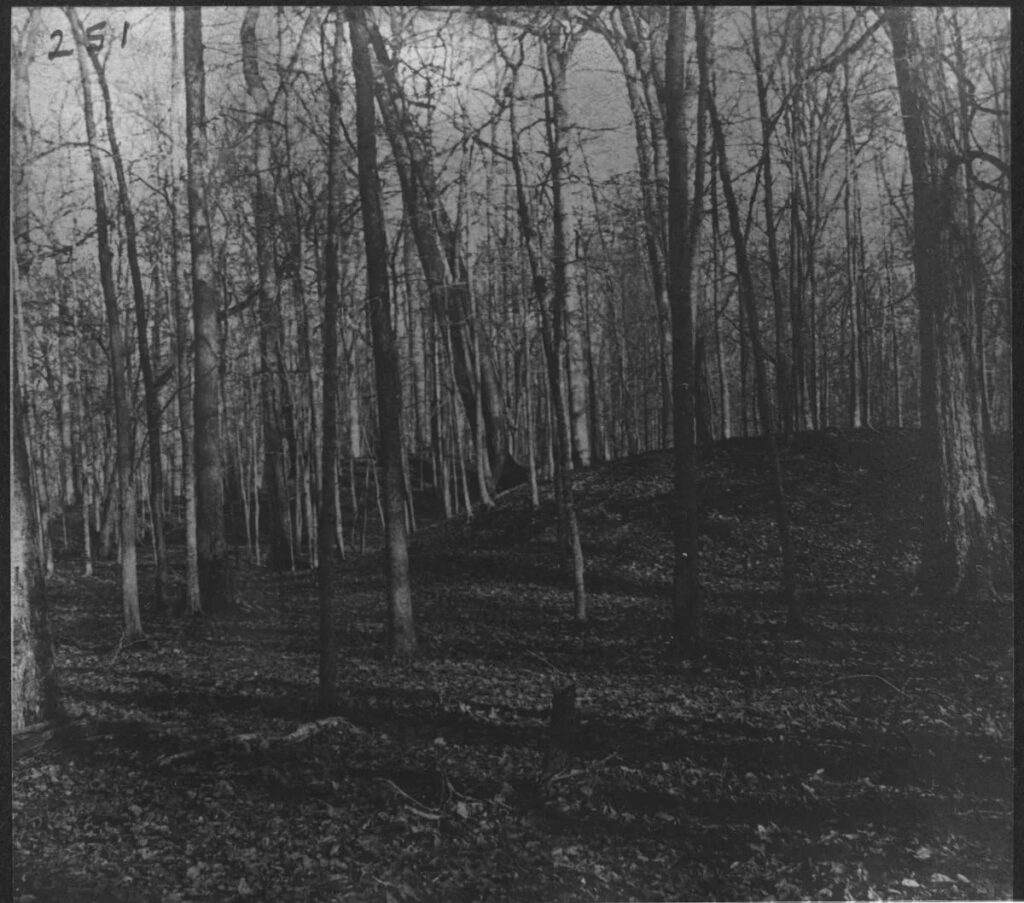
DURHAM, NEW HAMPSHIRE—According to a statement released by the University of New Hampshire, Meghan Howey and Michael Palace of the University of New Hampshire compared temperature data collected by Landsat 8 satellite thermal sensor between 2014 and 2024 and the locations of burial mounds built between A.D. 1200 and 1600 in what is now Michigan’s Lower Peninsula. The researchers discovered that the Anishinaabeg, who lived in the Great Lakes area, built burial mounds near more circular-shaped lakes that warmed later in spring and cooled later in fall. Placement of the mounds may therefore have been associated with a longer maize growing season, the scientists suggest. “It’s a cool example of taking a free global data tool developed for an ecological application and using it for archaeological research,” Howey said of the study. To read about recent study of mounds in southern Wisconsin, go to "Mounds in the Family."

Neolithic Burials in Hungary Suggest Some Fluidity in Gender Roles

News March 6, 2026

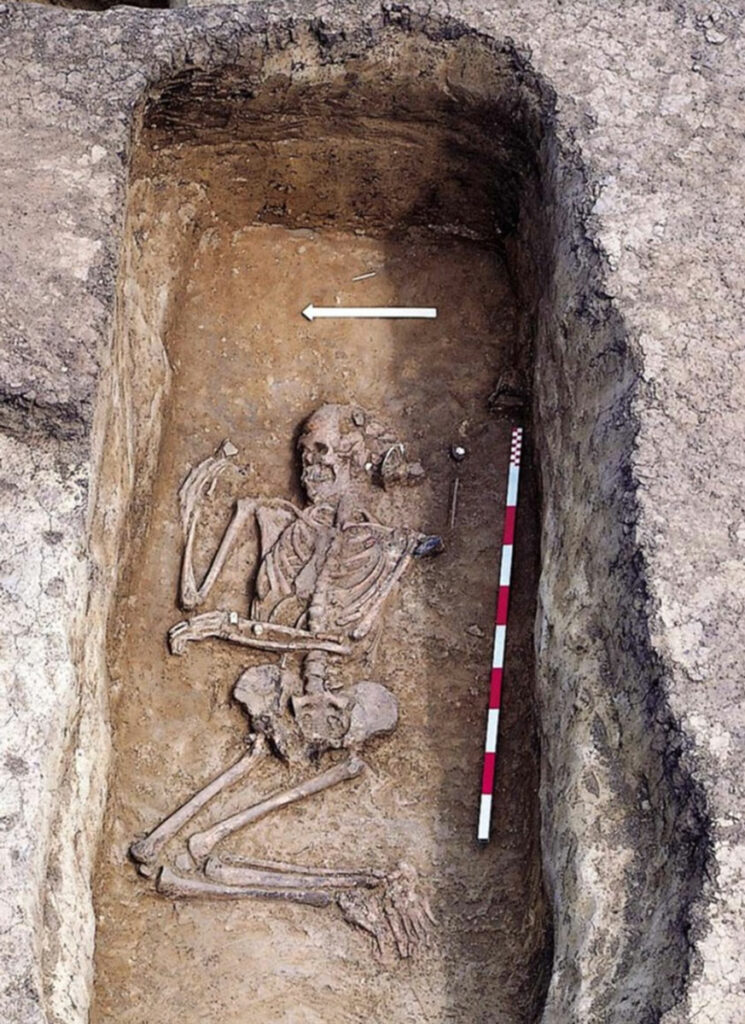
PARIS, FRANCE—An international team of researchers including Sébastien Villotte of the French National Center for Scientific Research examined 125 skeletons unearthed in two Neolithic cemeteries in eastern Hungary, according to a Live Science report. The burials were dated to between 5300 and 4650 B.C. Villotte and his colleagues recorded changes to the skeletons brought about by physical exertion, such as upper-limb overuse and toe hyperextension, which can be caused by working in a kneeling posture. Examination of the remains suggests that all of the men and women in the study engaged in heavy physical work, including activities involving kneeling. Men, however, were found to have signs of right-sided upper-limb overuse, which may have been caused by throwing movements. Men and women were also found to have been buried differently. Most of the women had been buried on their left sides with shell bead belts, while most of the men were found on their rights sides and had been buried with polished stone tools. Yet the burials of two of the men and five of the women did not align with this practice. In particular, the remains of one older woman were found with a polished stone tool, and the wear on her bones suggests that her activity pattern was more like the men who had been buried in the cemetery. “This is the period in Central Europe when people began to express previously existing gender roles in a new arena,” Villotte commented. Read the original scholarly article about this research in the American Journal of Biological Anthropology. To read about burials in a fifth-century a.d. cemetery in western Hungary, go to "Head Space."

Mosquitoes Hint at Homo Erectus Migration

News March 5, 2026

NASHVILLE, TENNESSEE—According to a statement released by the Nature Publishing Group, Anopheles leucosphyrus mosquitoes may have evolved to feed on humans in Southeast Asia. Upasana Shyamsunder Singh of Vanderbilt University, Catherine Walton of the University of Manchester, and their colleagues sequenced DNA from 38 modern-day mosquitoes from 11 species in the leucosphyrus group. Then the researchers employed computer models and estimates of DNA mutation rates to reconstruct the evolution of these mosquitoes. The study suggests that the bugs switched from feeding on non-human primates to early humans in the region of Sundaland, an area including the Malay Peninsula, Borneo, Sumatra, and Java, between 2.9 and 1.6 million years ago. This timeline supports the limited fossil evidence indicating that Homo erectus lived in Southeast Asia some 1.8 million years ago, the researchers concluded. Read the original scholarly article about this research in Scientific Reports. To read about the arrival of Homo sapiens to the region, go to "Settling Southeast Asia."

Roman Gold Mining Operation Identified in Spain

News March 5, 2026

Stone blocks in excavated dam, Girona, Spain
Sanjurjo-Sánchez et al. 2025, Land

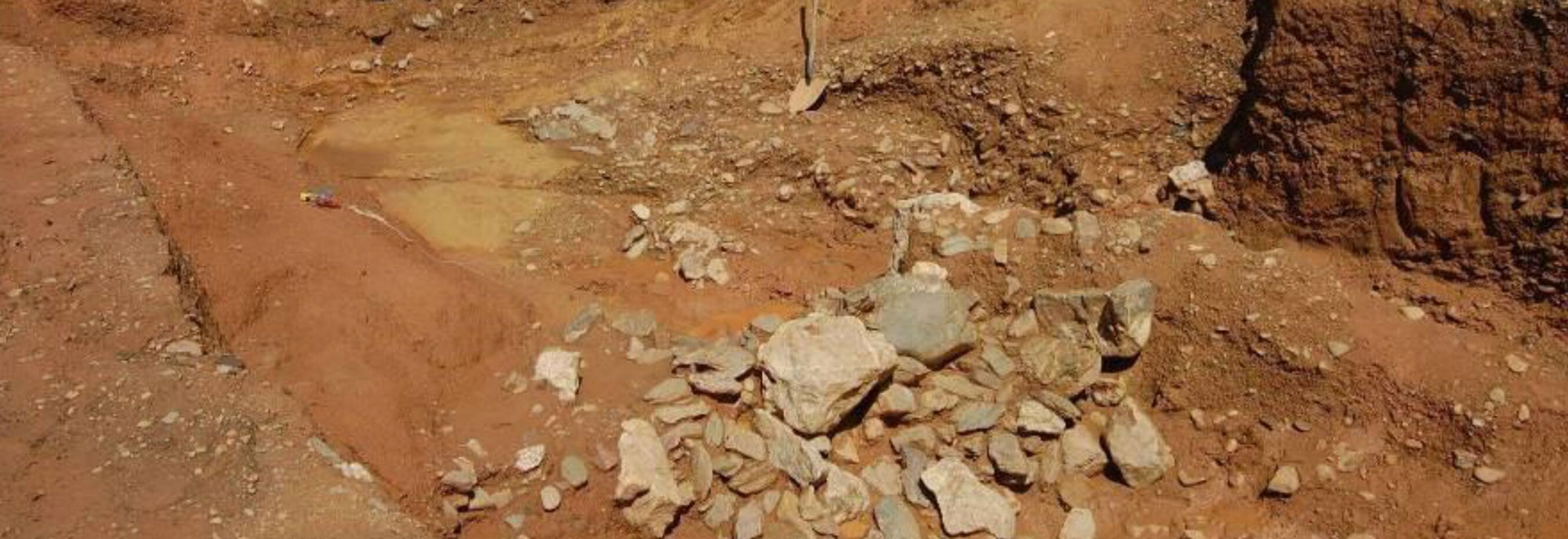
BARCELONA, SPAIN—According to a statement released by the Autonomous University of Barcelona (UAB), the Romans extracted gold from alluvial deposits in the Eastern Pyrenees. Using optically stimulated luminescence dating techniques, Oriol Olesti Vila of the UAB and Jorge Sanjurjo-Sánchez of the University of A Coruña dated two samples of fill from the remains of an ancient hydraulic structure on the Segre River to the third and fourth centuries A.D. The researchers explained that Roman miners would have eroded gold deposits from the riverbanks with water, and then washed them, either by channeling water through the sediments or flooding the sediments with pressurized water to extract the gold. The mining operation was likely supported by Iulia Livica, the only documented Roman city in the Pyrenees, which was located about six miles away. Read the original scholarly article about this research in Land. To read about Roman exploitation of Iberian silver mines, go to "Spain's Silver Boom."

Water Safety at Guatemala’s Maya City of Ucanal Analyzed

News March 5, 2026

MONTREAL, CANADA—According to a statement released by the University of Montreal, recent analysis of the water system at the Maya city of Ucanal in northern Guatemala determined that it was effective at controlling visible pollutants and bacteria, but was contaminated by mercury, which would have been undetectable. Sediments from three reservoirs in the city were tested for biological pollution and chemical contamination: Aguada 2, located in a wealthy area; Aguada 3, located in a modest neighborhood; and Piscina 2, which was connected to the city’s drainage system. Jean Tremblay and Christina Halperin of the University of Montreal found that Ucanal’s water system was free of blue-green algae, which has been detected in other Maya water systems. The Aguada 2 reservoir was on high ground, where the water was filtered by rock-filled inlet channels. The study also suggests that the basins were surrounded by shady vegetation to keep the water cool, thereby hampering the growth of cyanobacteria. Additionally, the sediments were found to lack the phosphorus associated with algae growth. Low levels of fecal matter were detected in Aguada 2 as well. Aguada 3, however, was found to have been polluted with broken ceramics and domestic waste. This basin may have been used for wastewater collection or as a reservoir for workshop use rather than for drinking water. Less contamination was detected in Piscina 2, perhaps because it was connected to a drainage canal that kept the water flowing. But sediments from all three reservoirs were found to be contaminated with mercury from the bright red pigment cinnabar. The color was applied to steles, buildings, objects, and the dead. “It wasn’t just the elites using it—everyone was exposed,” said Halperin. As the use of cinnabar expanded, the levels of mercury in the basins increased. “They had no way of knowing it was toxic,” Tremblay said. For more on Ucanal, go to "A Dynasty Born in Fire."