

EAST HADDAM, CONNECTICUT—WSHU Public Radio reports that Paleoindian channel flakes estimated to be between 11,000 and 13,000 years old have been unearthed in south-central Connecticut. Such flakes were removed from a rock in a controlled manner with percussion or pressure to craft stone tools. This site may have been used to make several spearpoints, explained archaeological team member David Leslie. “Some of this raw material looks like it’s coming from New York,” he said, while some of the materials had been sourced locally, he added. Connecticut state archaeologist Sarah Sportman explained that the camp would have been used for a short period of time by nomadic hunter-gatherers. To read about a Paleoindian campsite in southwest Michigan, go to "Around the World: Michigan."
Paleoindian Camp Uncovered in Connecticut
News March 8, 2022
Recommended Articles
Off the Grid September/October 2026
Xunantunich, Belize
Learning to draw monkeys at an ancient Maya art academy

Letter from Ireland September/October 2026
A War Between Friends
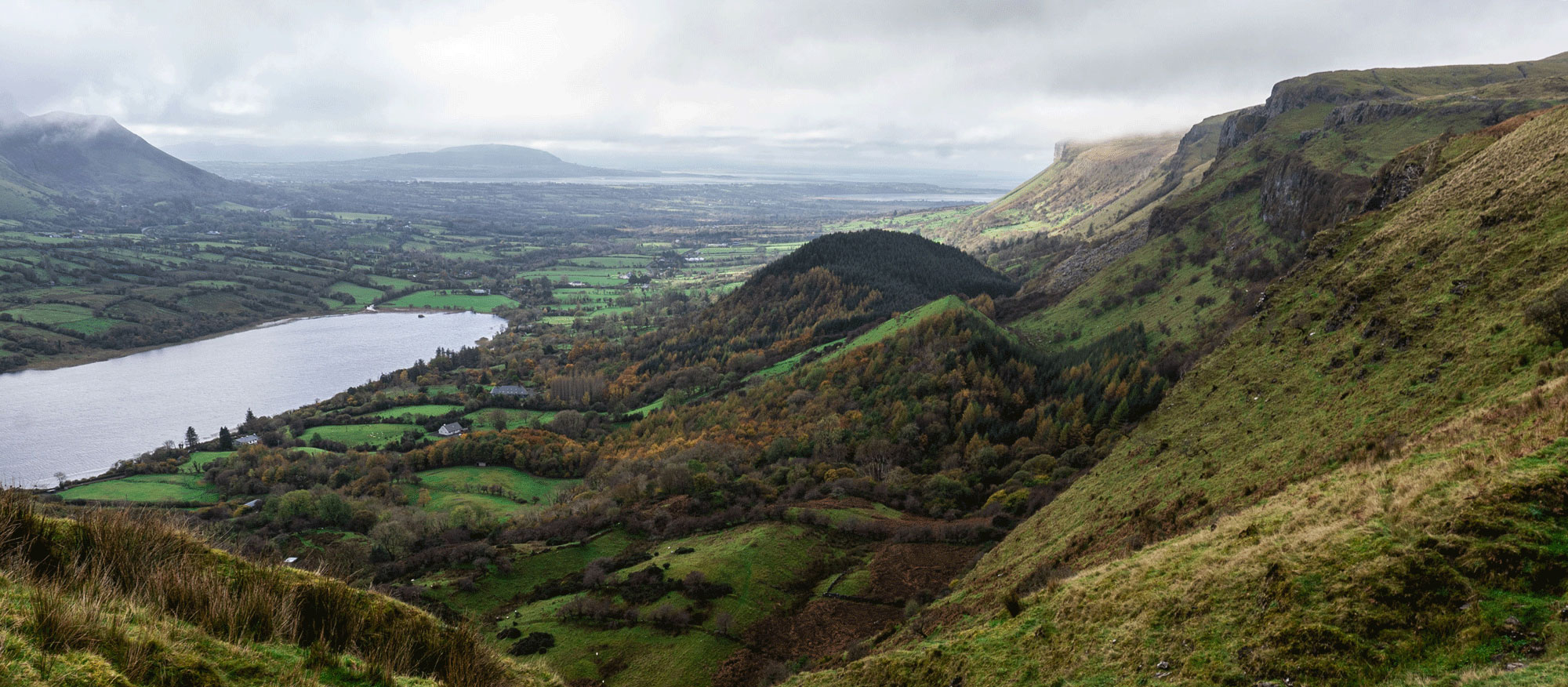
How IRA volunteers survived the Irish Civil War in a secret mountain hideout
Features September/October 2026
A Change in Fashion
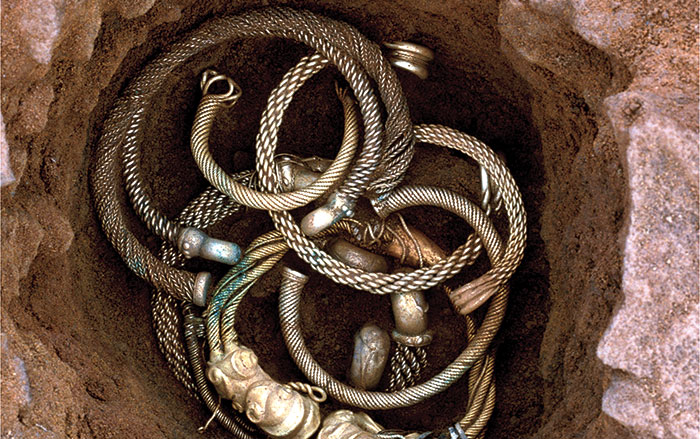
Hoards of lavish gold and silver neck rings buried on an English hill reflect dramatic social change
Features September/October 2026
Cultivating Fields of Stone
Peru’s ancient farmers used intricate rock maps to plan for the future

More to Discover
Features January/February 2022
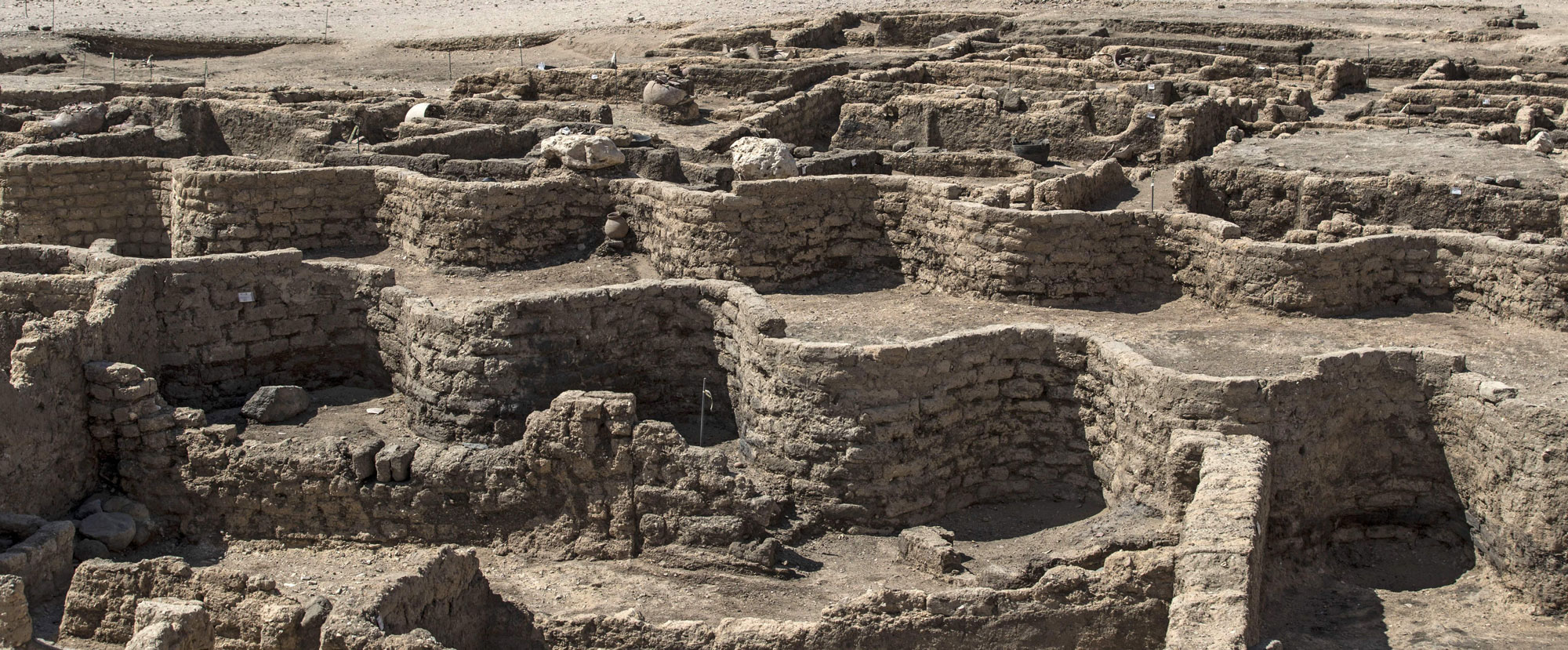
Top 10 Discoveries of 2021
ARCHAEOLOGY magazine reveals the year’s most exciting finds
-
Features January/February 2022
At Face Value
Researchers are using new scientific methods to investigate how artists in Roman Egypt customized portraits for the dead
 (© The Trustees of the British Museum)
 -
Letter from the Galapagos Islands January/February 2022
Transforming the Enchanted Isles
Archaeologists uncover the remote archipelago’s forgotten human history
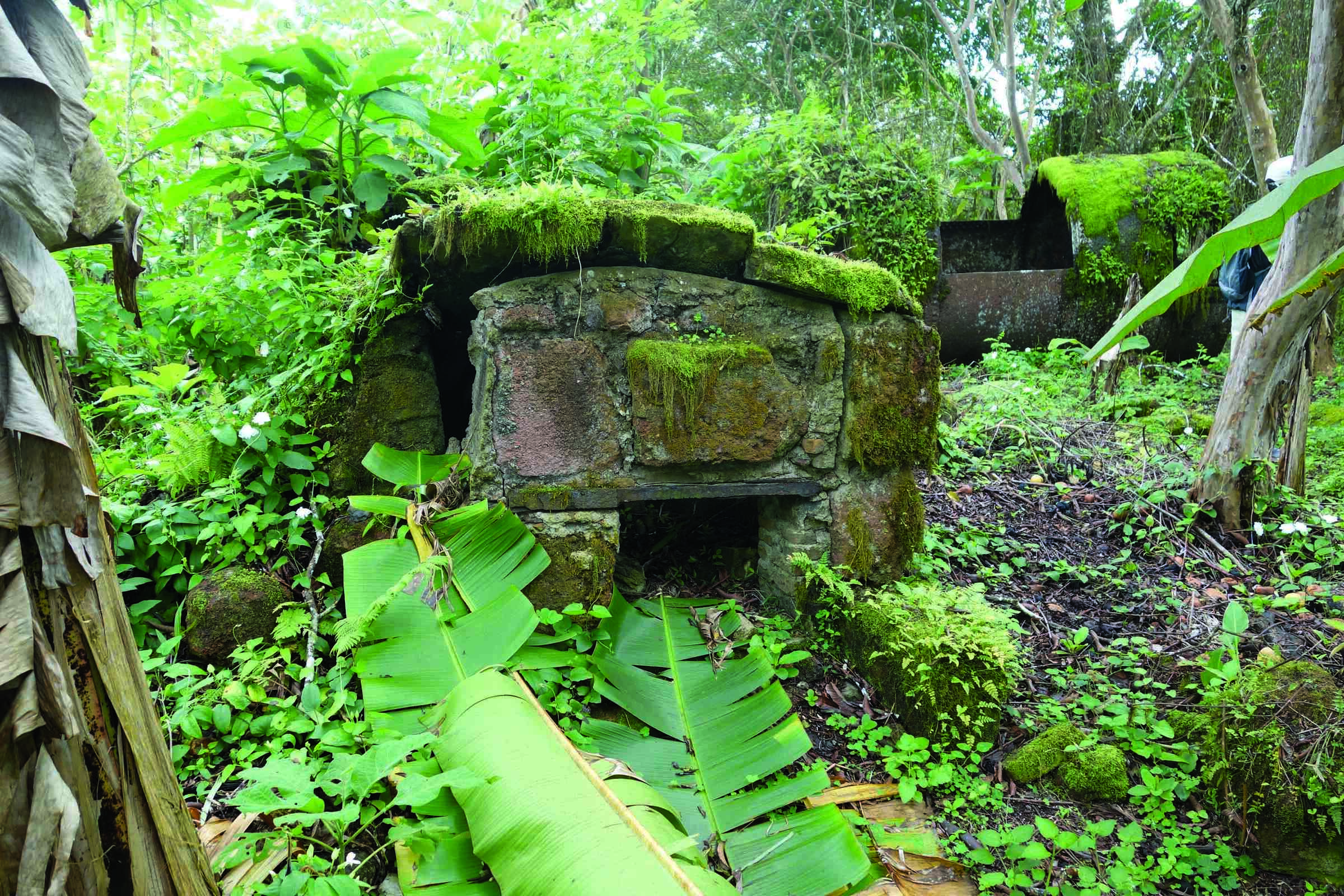 (Courtesy Historical Ecology of the Galapagos Islands Project)
 -
Artifacts January/February 2022
Roman Key Handle
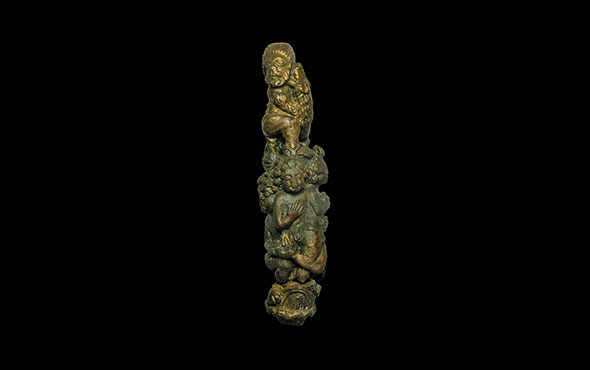 (University of Leicester Archaeological Services)
 -
Digs & Discoveries January/February 2022
The Roots of Violence
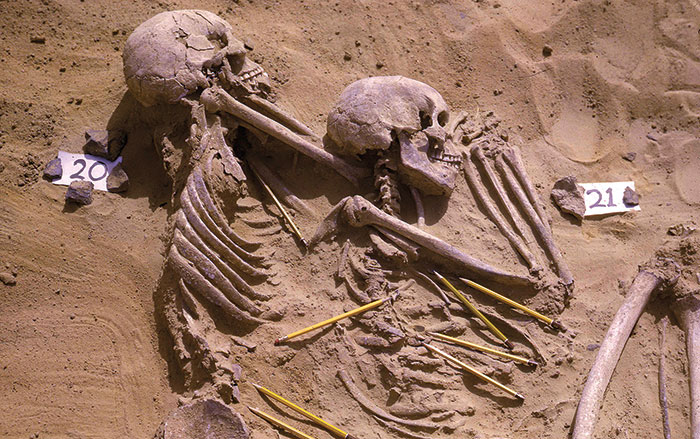 (Courtesy of the Wendorf Archives of the British Museum)