EDINBURGH, SCOTLAND—Linda Fibiger of the University of Edinburgh and her team examined 478 late Stone Age skulls found in Sweden and Denmark for signs of violence, and found that up to one in six of the skulls had been injured. Men suffered from more nonfatal wounds, but the researchers were surprised to find that women were as equally likely to die from a blow to the head as men. It had been thought that women would have been spared during raids because of their potential to bear and raise children. Now Fibiger thinks that women may have been easy targets during an attack “because you’re probably going to try and protect your children rather than being able to properly defend yourself,” she explained.

Stone Age Violence
News February 13, 2013
Recommended Articles
Features July/August 2026
Egypt's First Queen
How a trailblazing ruler pulled her realm back from the brink
Features July/August 2026
Secrets of the Serpent
Is a Native American origin story embedded in Ohio’s colossal earthwork?
Features July/August 2026
Slinging Insults
Greek and Roman soldiers fired pointed barbs at their enemies
Features July/August 2026
Inside Africa’s Houses of Stone
Archaeologists are rethinking how kings shared power beyond the great capitals of medieval Zimbabwe
-
Features January/February 2013
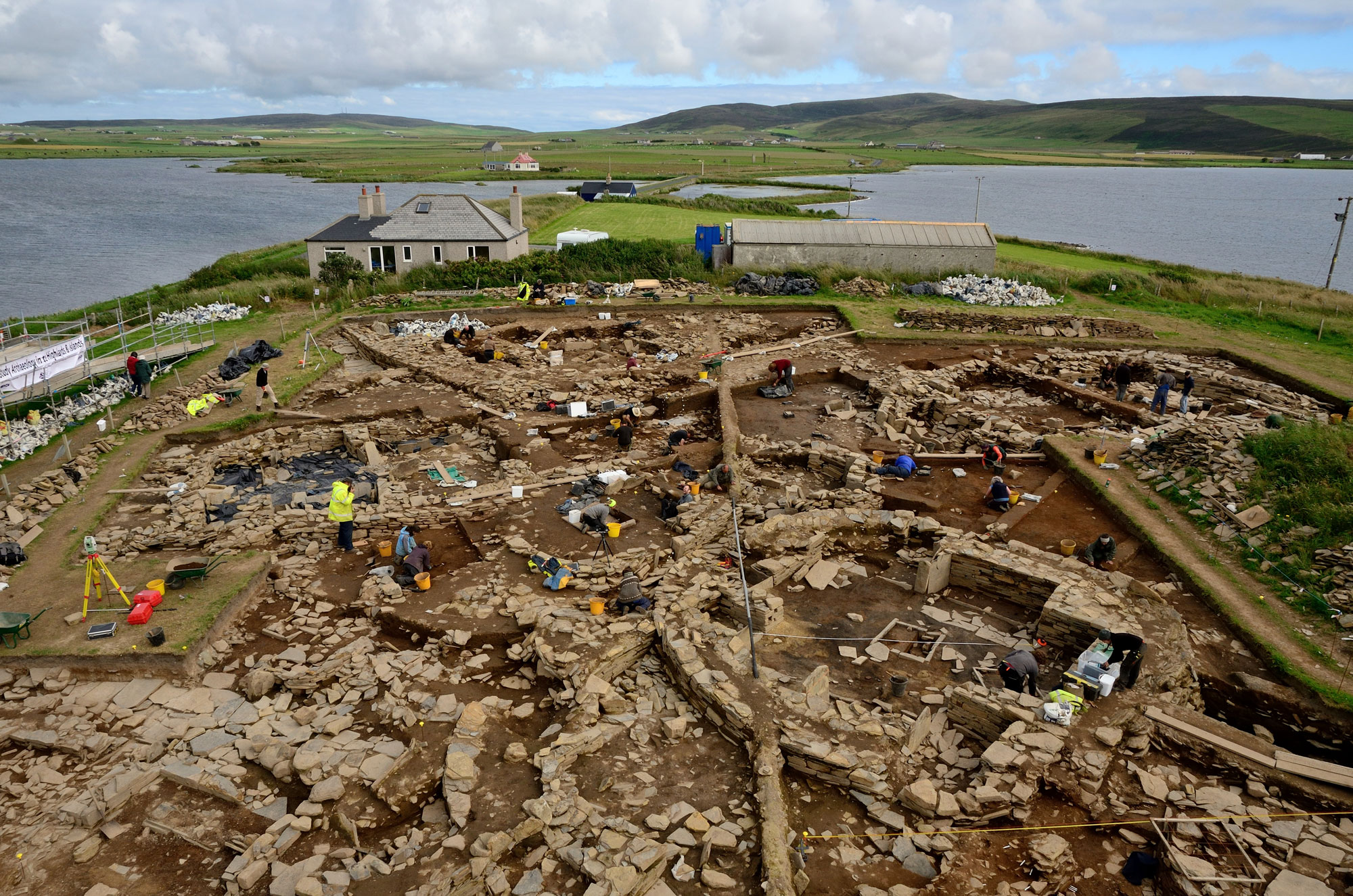
Neolithic Europe's Remote Heart
One thousand years of spirituality, innovation, and social development emerge from a ceremonial center on the Scottish archipelago of Orkney
Adam Stanford/Aerial Cam -
Features January/February 2013
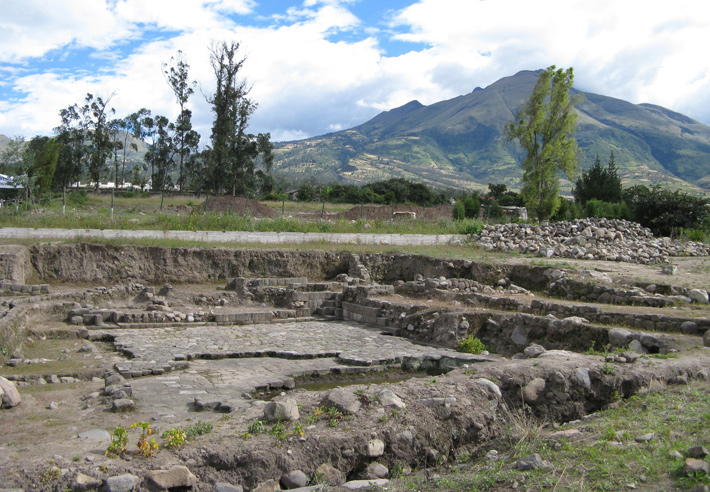
The Water Temple of Inca-Caranqui
Hydraulic engineering was the key to winning the hearts and minds of a conquered people
(Courtesy Tamara L. Bray) -
Letter from France January/February 2013
Structural Integrity
Nearly 20 years of investigation at two rock shelters in southwestern France reveal the well-organized domestic spaces of Europe's earliest modern humans
-
Artifacts January/February 2013
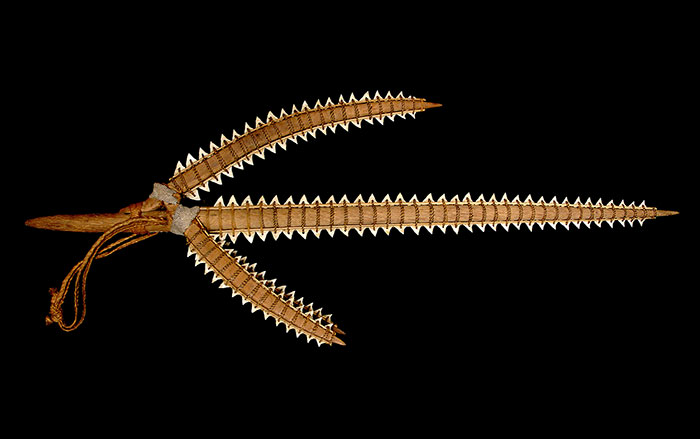
Pacific Islands Trident
A mid-nineteenth-century trident illustrates a changing marine ecosystem in the South Pacific
(Catalog Number 99071 © The Field Museum, [CL000_99071_Overall], Photographer Christopher J. Philipp)