AUSTIN, TEXAS—The administrative center known as Heit el-Ghurab, located on low ground near Egypt’s Giza Plateau, was inhabited by the workers who built the pyramids and the accountants and managers who kept the building projects running. Excavations conducted by Karl Butzer of the University of Texas uncovered layers of mud and sand that indicate the city was flooded and rebuilt ten times over a period of 45 years. Butzer thinks the building teams stayed in such a dangerous place because their pharaoh, Menkaure, may have thought a floodwall and his personal power protect the city. “He had a problem with his sense of importance. He was the divine offspring of the gods, and he thought if he prayed hard enough things would be OK. They weren’t,” Butzer explained. Menkaure’s son decided to build somewhere else.
Floods Wiped Out Pyramid Workers’ Town
News June 13, 2013
Recommended Articles
Off the Grid November/December 2026
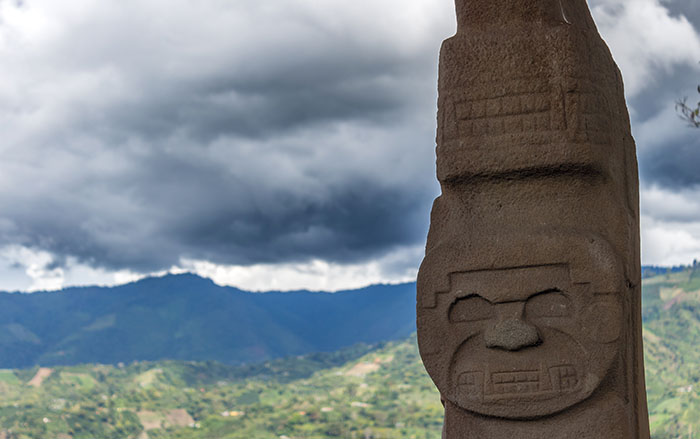
San Agustín, Colombia
Archaeologists are finally deciphering the mystery megaliths of a vanished Andean people
Letter from Cape Canaveral November/December 2026
Dawn of the Space Age
Archaeologists have made surprising discoveries spanning 3,000 years at the birthplace of American space exploration
Features November/December 2026
Kingdom of Fortresses
How diverse and far-flung Iron Age chiefdoms united to challenge the Assyrian Empire
Features November/December 2026
A Tomb of One’s Own
Life behind the scenes in Egypt’s Valley of the Kings
-
Features May/June 2013
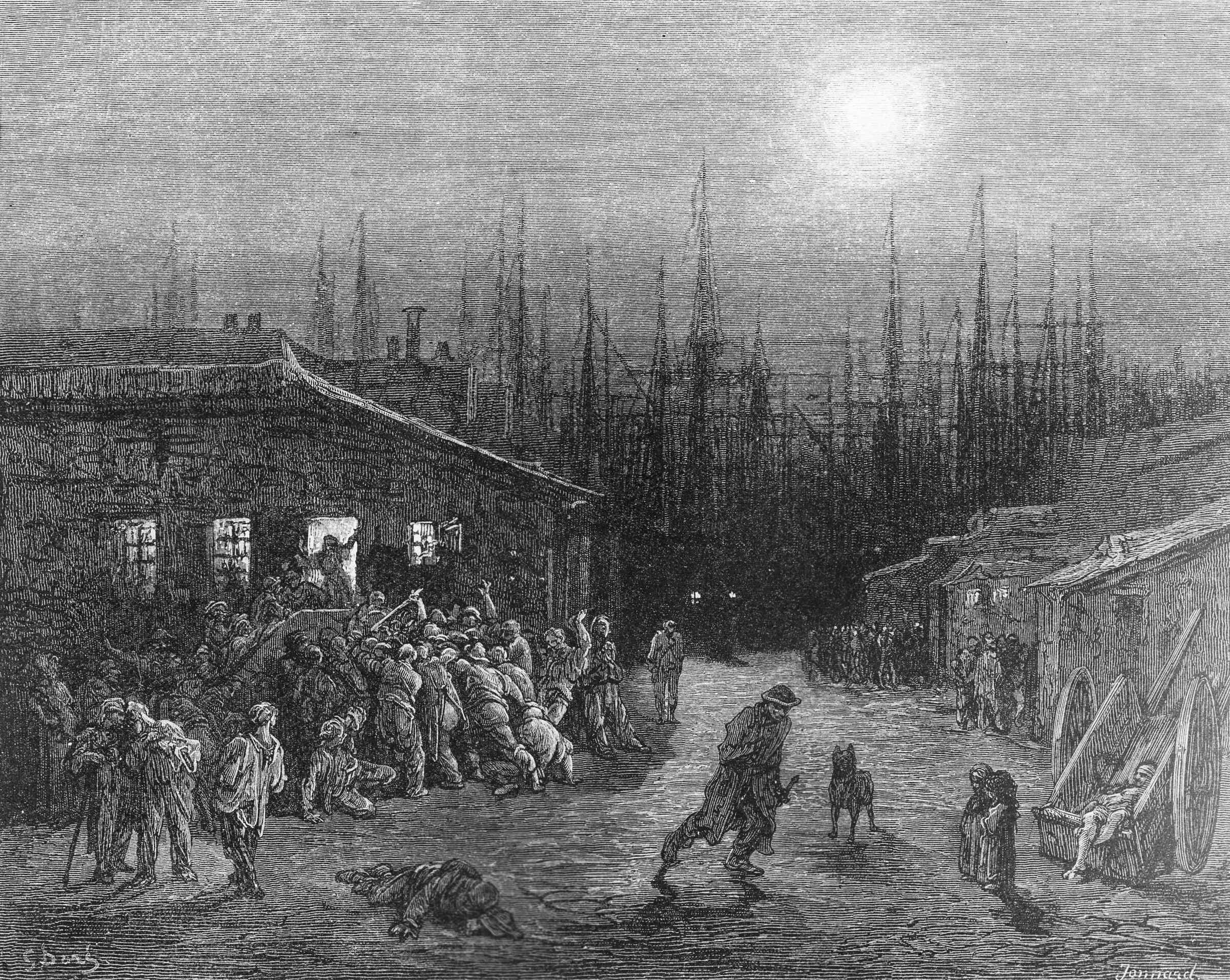
Haunt of the Resurrection Men
A forgotten graveyard, the dawn of modern medicine, and the hard life in 19th-century London
(Private Collection/The Bridgeman Art Library) -
Features May/June 2013
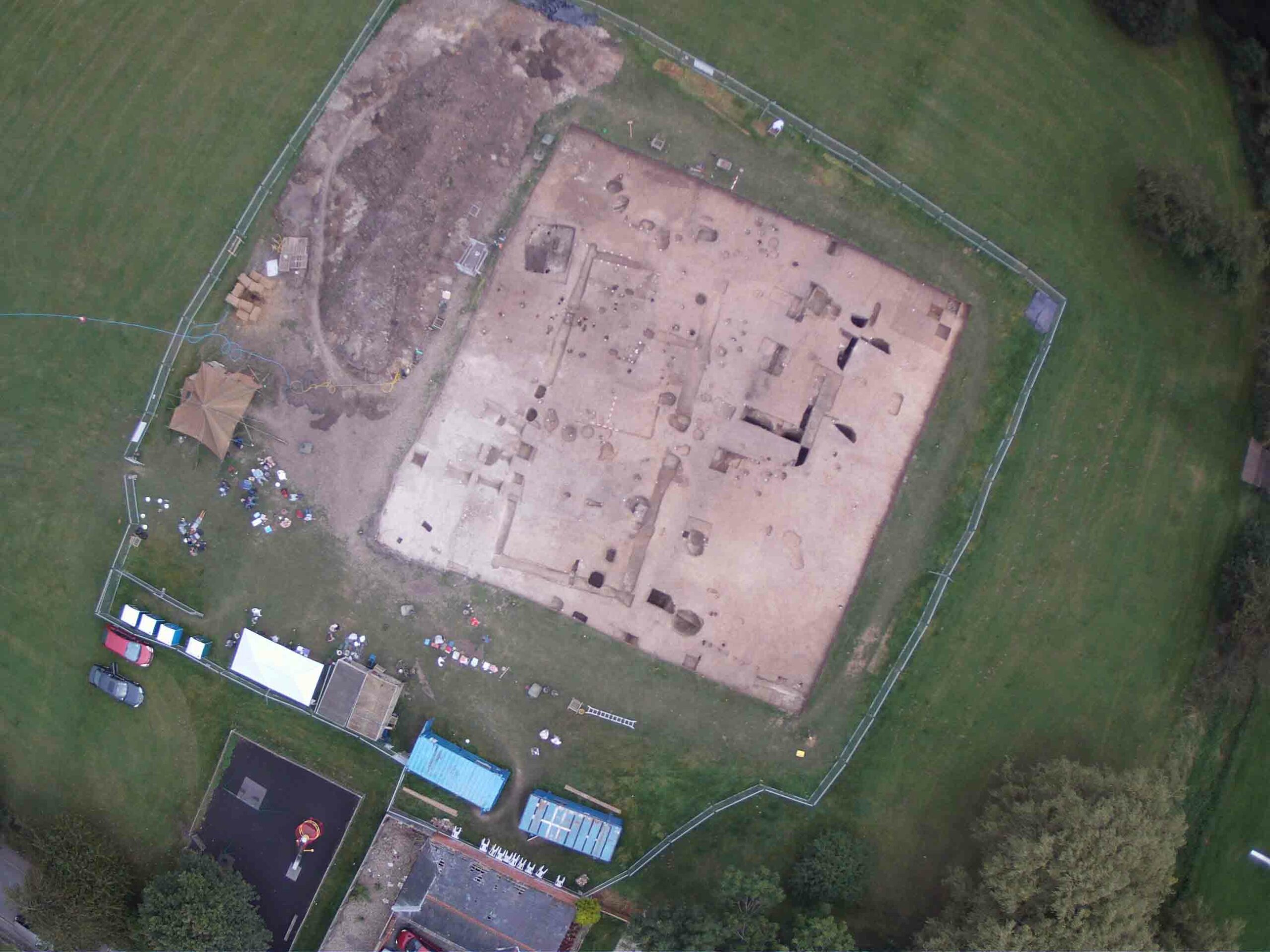
The Kings of Kent
The surprising discovery of an Anglo-Saxon feasting hall in the village of Lyminge is offering a new view of the lives of these pagan kings
(Photo by William Laing, © University of Reading) -
Letter from Turkey May/June 2013
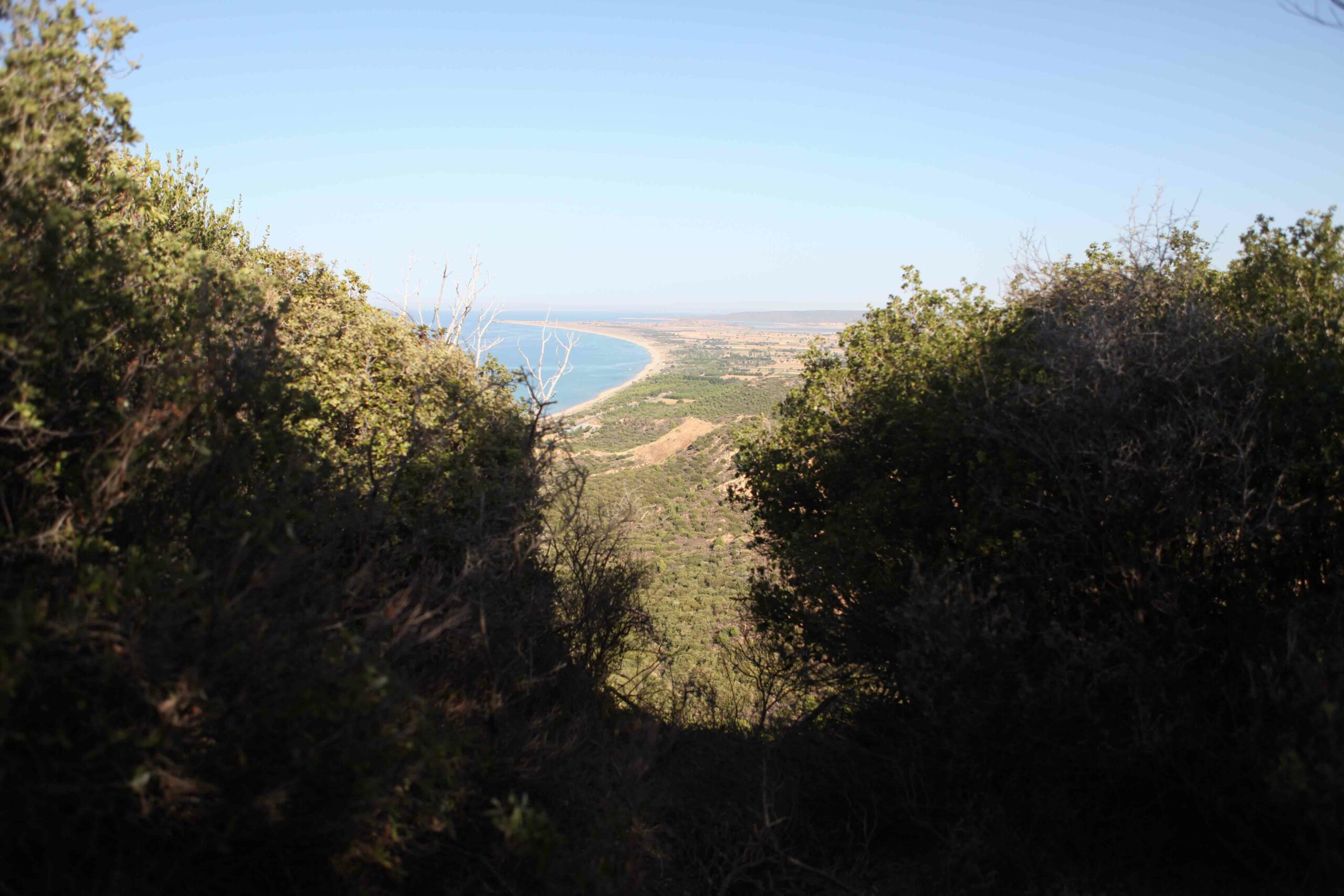
Anzac's Next Chapter
Archaeologists conduct the first-ever survey of the legendary WWI battlefield at Gallipoli
(Samir S. Patel) -
Artifacts May/June 2013
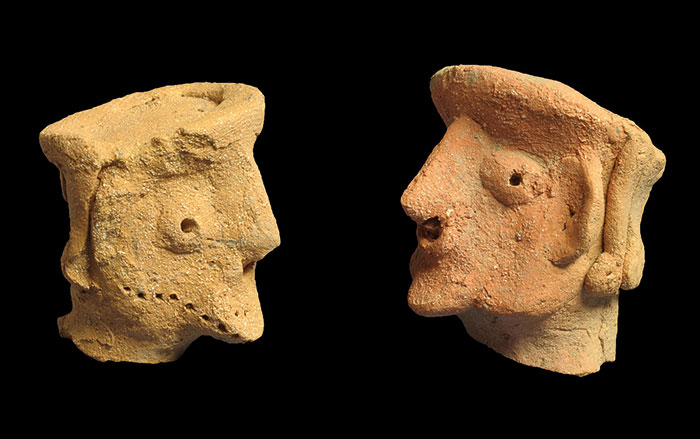
Ancient Near Eastern Figurines
Ceramic figurines were part of a cache of objects found at an Iron Age temple uncovered at the site of Tel Motza outside Jerusalem
(Clara Amit, courtesy of the Israel Antiquities Authority)