ONTARIO, CANADA—Andrew Wade and Andrew Nelson of the University of Western Ontario have studied radiological scans of 84 Egyptian mummies from museums around the world. They found that mummification practices varied widely over different times and places. The researchers also compared what they found with the accounts left by the Greek historian Herodotus, who wrote about the embalming process in 440 B.C. “Herodotus got some things right and some things wrong, but we are lucky we have his accounts at all. The mummification craft was kept within families controlled by guilds that kept hold of secrets, so we should appreciate any insight from those times that we can find,” Wade said.

New Technology vs. Ancient Egyptian Mummies
News July 23, 2013
Recommended Articles
Features July/August 2026
Egypt's First Queen
How a trailblazing ruler pulled her realm back from the brink
Features July/August 2026
Secrets of the Serpent
Is a Native American origin story embedded in Ohio’s colossal earthwork?
Features July/August 2026
Slinging Insults
Greek and Roman soldiers fired pointed barbs at their enemies
Features July/August 2026
Inside Africa’s Houses of Stone
Archaeologists are rethinking how kings shared power beyond the great capitals of medieval Zimbabwe
-
Features May/June 2013
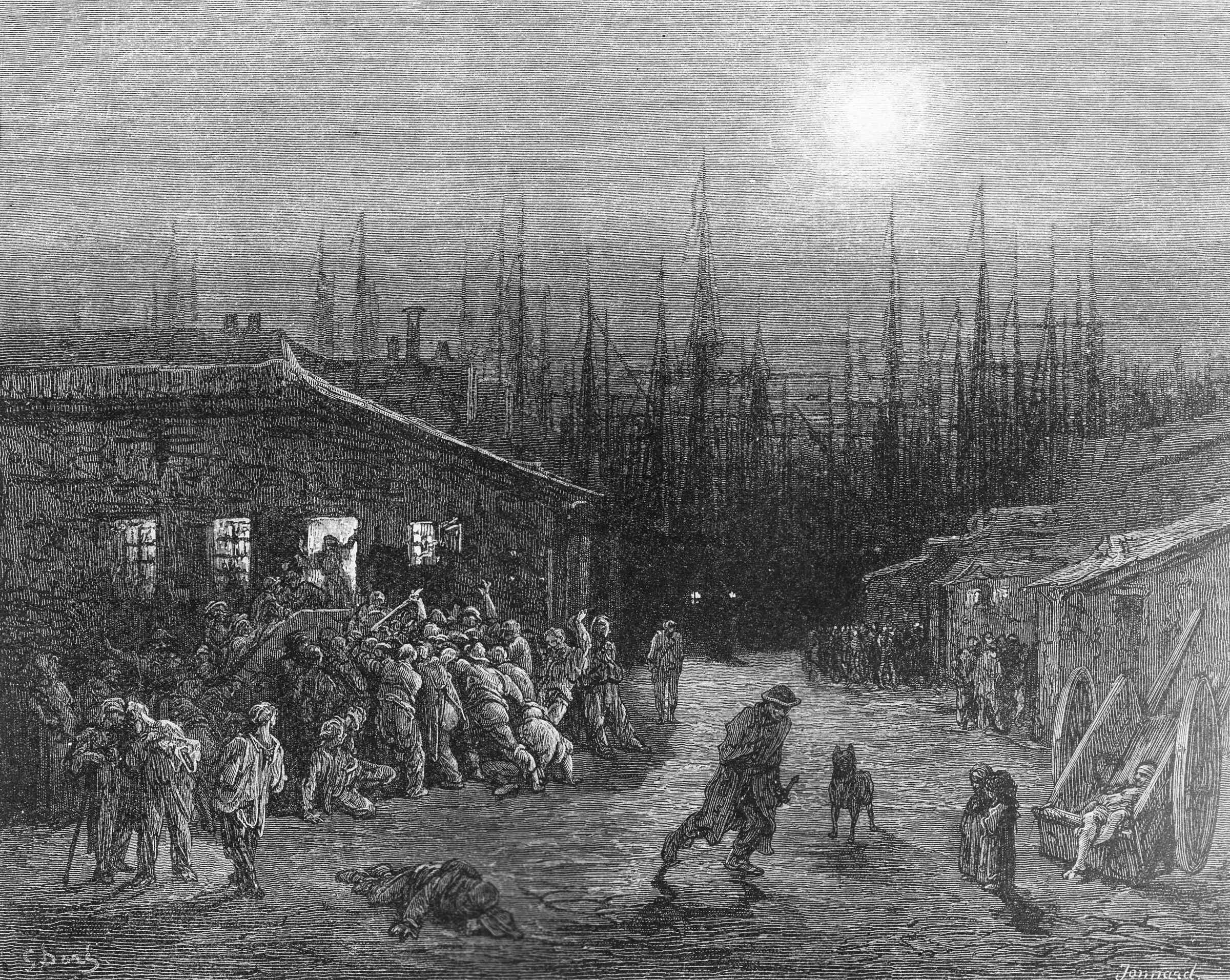
Haunt of the Resurrection Men
A forgotten graveyard, the dawn of modern medicine, and the hard life in 19th-century London
(Private Collection/The Bridgeman Art Library) -
Features May/June 2013
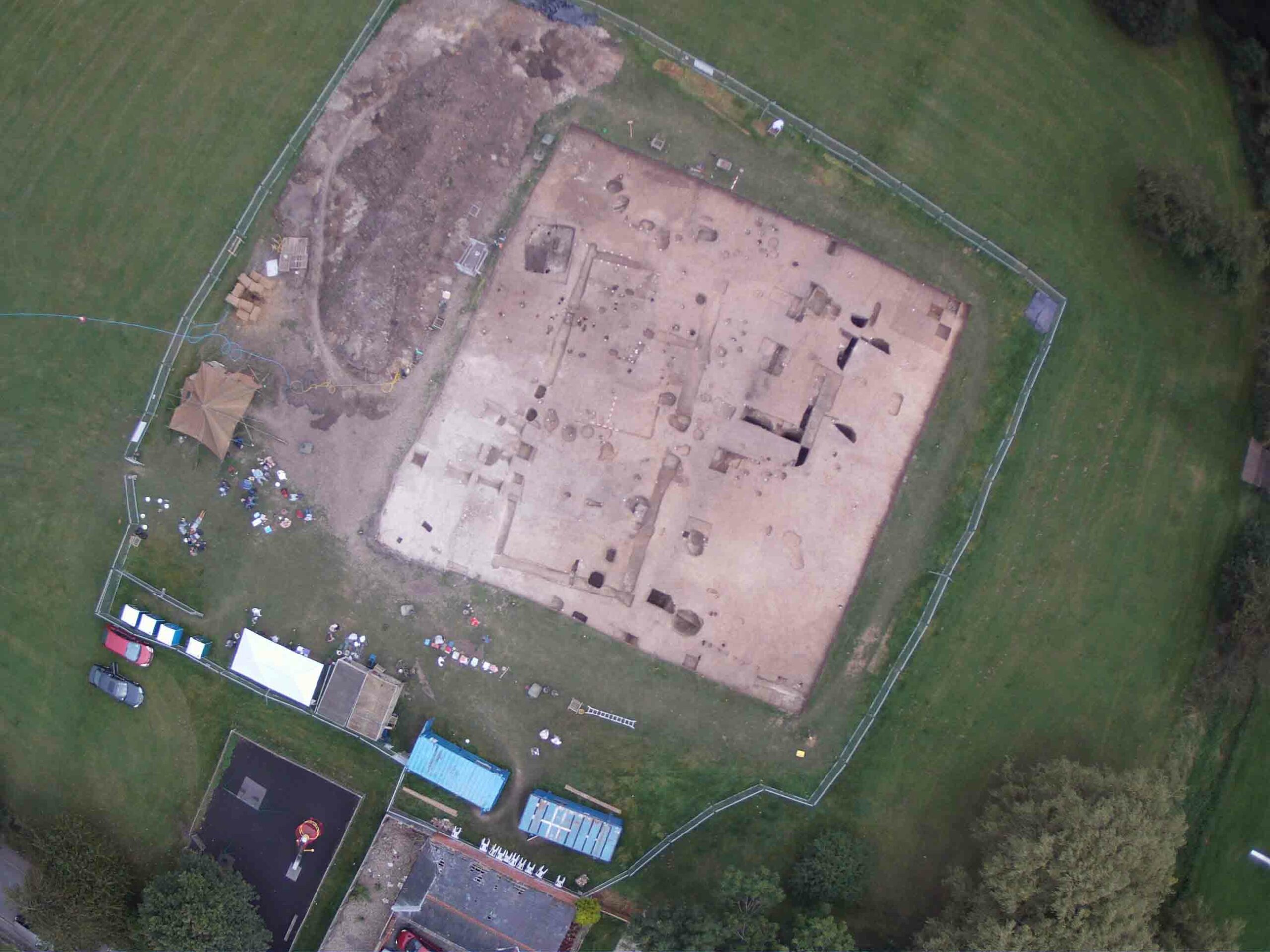
The Kings of Kent
The surprising discovery of an Anglo-Saxon feasting hall in the village of Lyminge is offering a new view of the lives of these pagan kings
(Photo by William Laing, © University of Reading) -
Letter from Turkey May/June 2013
Anzac's Next Chapter
Archaeologists conduct the first-ever survey of the legendary WWI battlefield at Gallipoli
(Samir S. Patel) -
Artifacts May/June 2013
Ancient Near Eastern Figurines
Ceramic figurines were part of a cache of objects found at an Iron Age temple uncovered at the site of Tel Motza outside Jerusalem
(Clara Amit, courtesy of the Israel Antiquities Authority)