

JERUSALEM, ISRAEL--Scientists think that epigenetic differences between modern humans and our archaic cousins may have made the difference in our survival. Epigenetics deals with how genes are turned on and off without modfying the DNA sequence. Liran Carmel, Eran Meshorer, and David Gokhman of Hebrew University, working with scientists from Germany and Spain, reconstructed the Neanderthal and Denisovan epigenomes, and compared them with the epigenome of modern humans. Science Daily reports that they found that gene activity had changed only in modern humans during our most recent evolution. Many of those changes occurred in the area of brain development, and are linked to diseases. Other changes were observed in the immune and cardiovascular systems, but the digestive system remained relatively unchanged.
What Gave Modern Humans the Advantage?
News April 24, 2014
Recommended Articles
Off the Grid September/October 2026
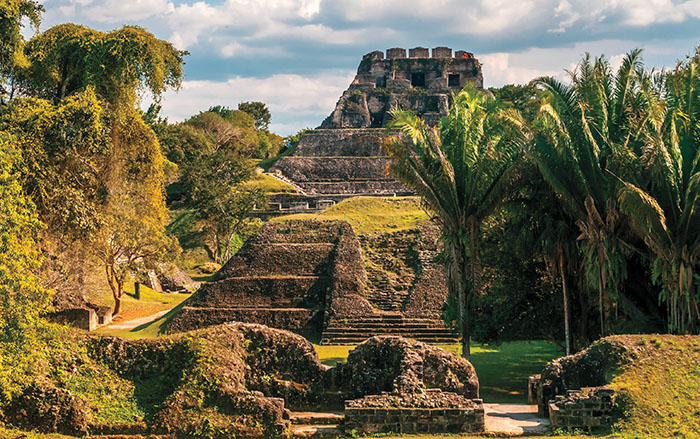
Xunantunich, Belize
Learning to draw monkeys at an ancient Maya art academy
Letter from Ireland September/October 2026
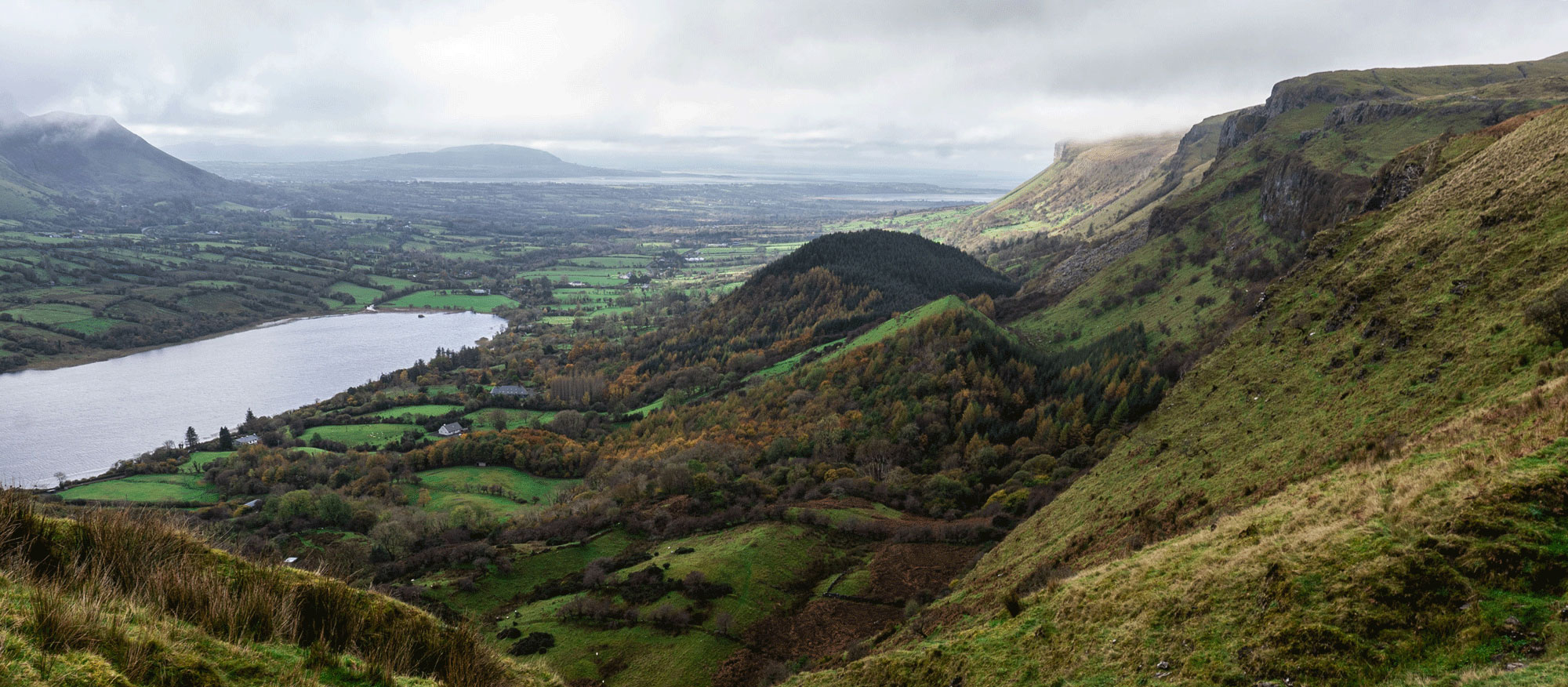
A War Between Friends
How IRA volunteers survived the Irish Civil War in a secret mountain hideout
Features September/October 2026
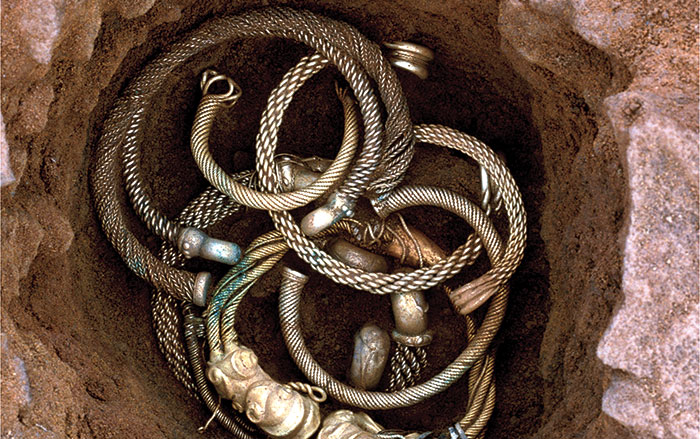
A Change in Fashion
Hoards of lavish gold and silver neck rings buried on an English hill reflect dramatic social change
Features September/October 2026
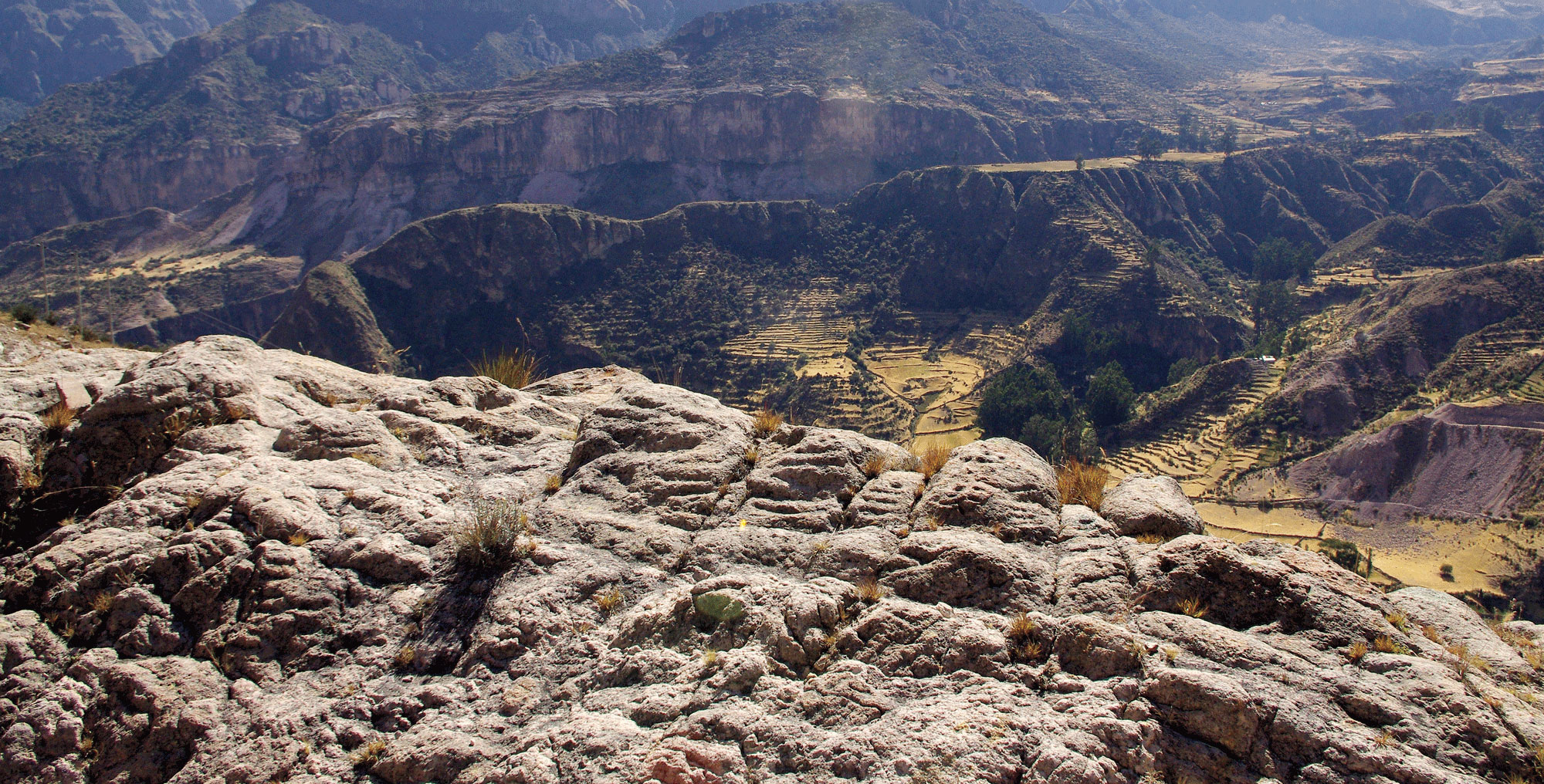
Cultivating Fields of Stone
Peru’s ancient farmers used intricate rock maps to plan for the future
More to Discover
Features March/April 2014
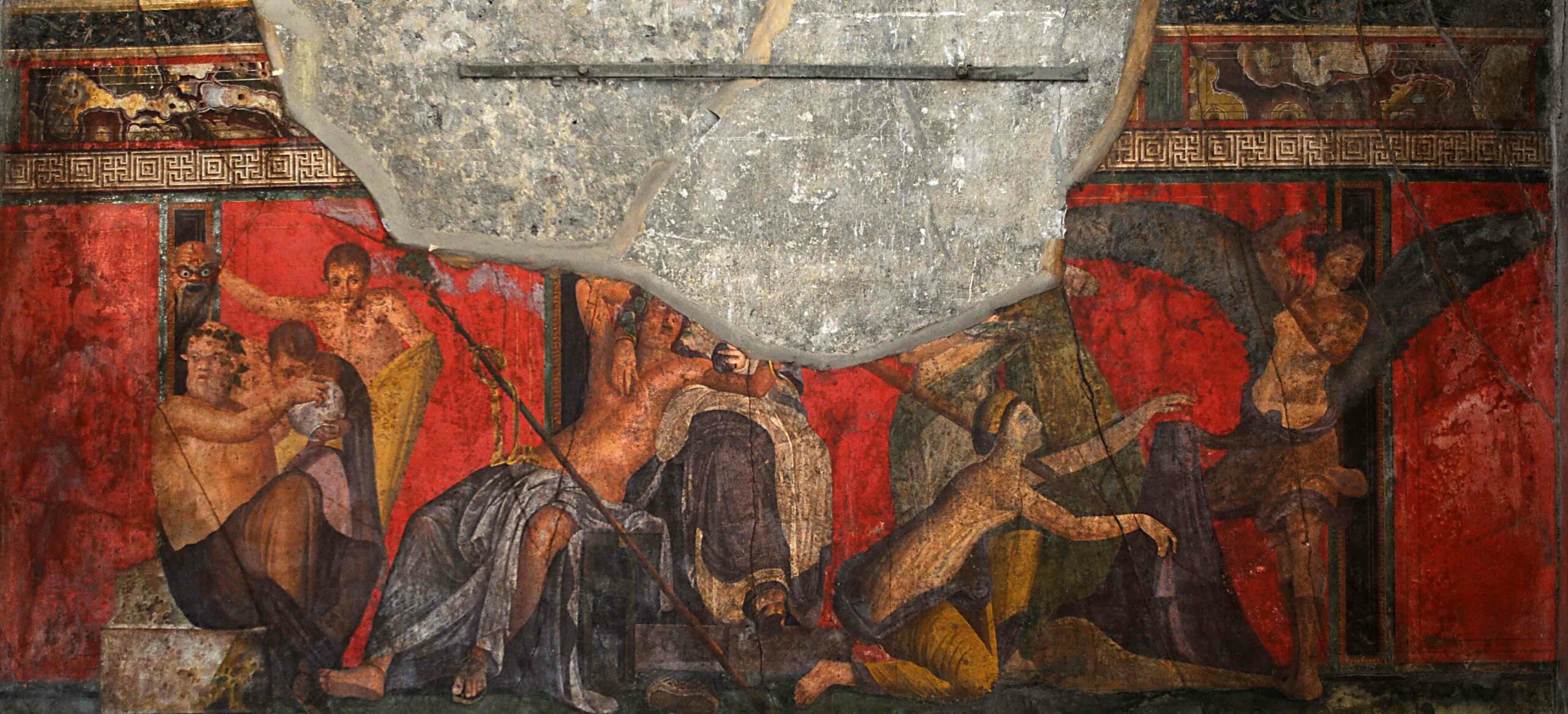
Saving the Villa of the Mysteries
Beneath the surface of Pompeii's most famous house
-
Features March/April 2014
All Hands on Deck
Inviting the world to explore a shipwreck deep in the Gulf of Mexico
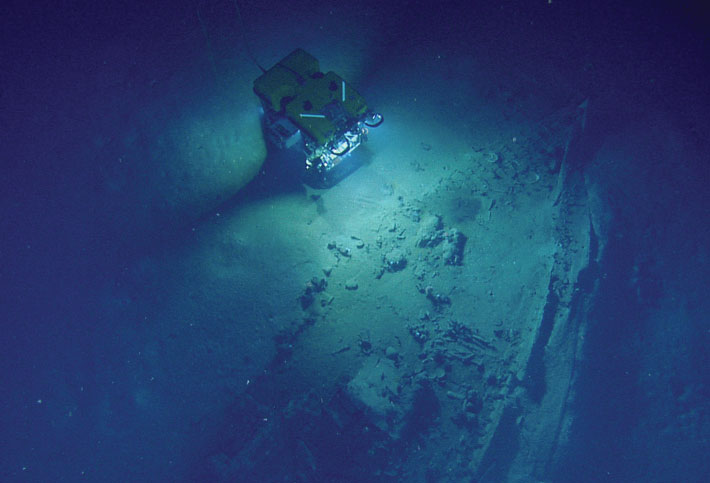 (Courtesy NOAA)
 -
Features March/April 2014
Messengers to the Gods
During a turbulent period in ancient Egypt, common people turned to animal mummies to petition the gods, inspiring the rise of a massive religious industry
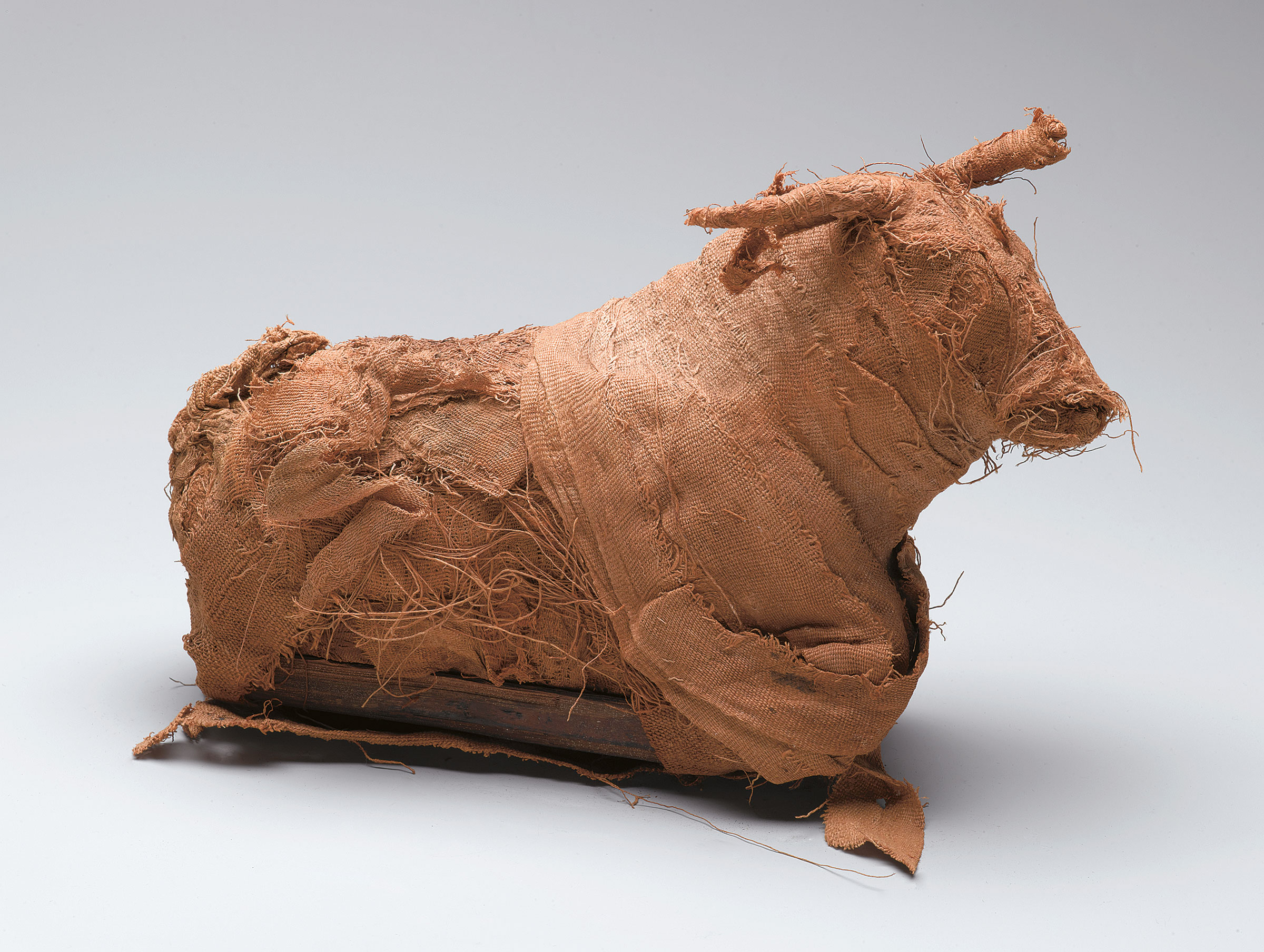 Courtesy The Brooklyn Museum
 -
Letter From Borneo March/April 2014
The Landscape of Memory
ARCHAEOLOGY, oral history, and culture deep in the Malaysian jungle
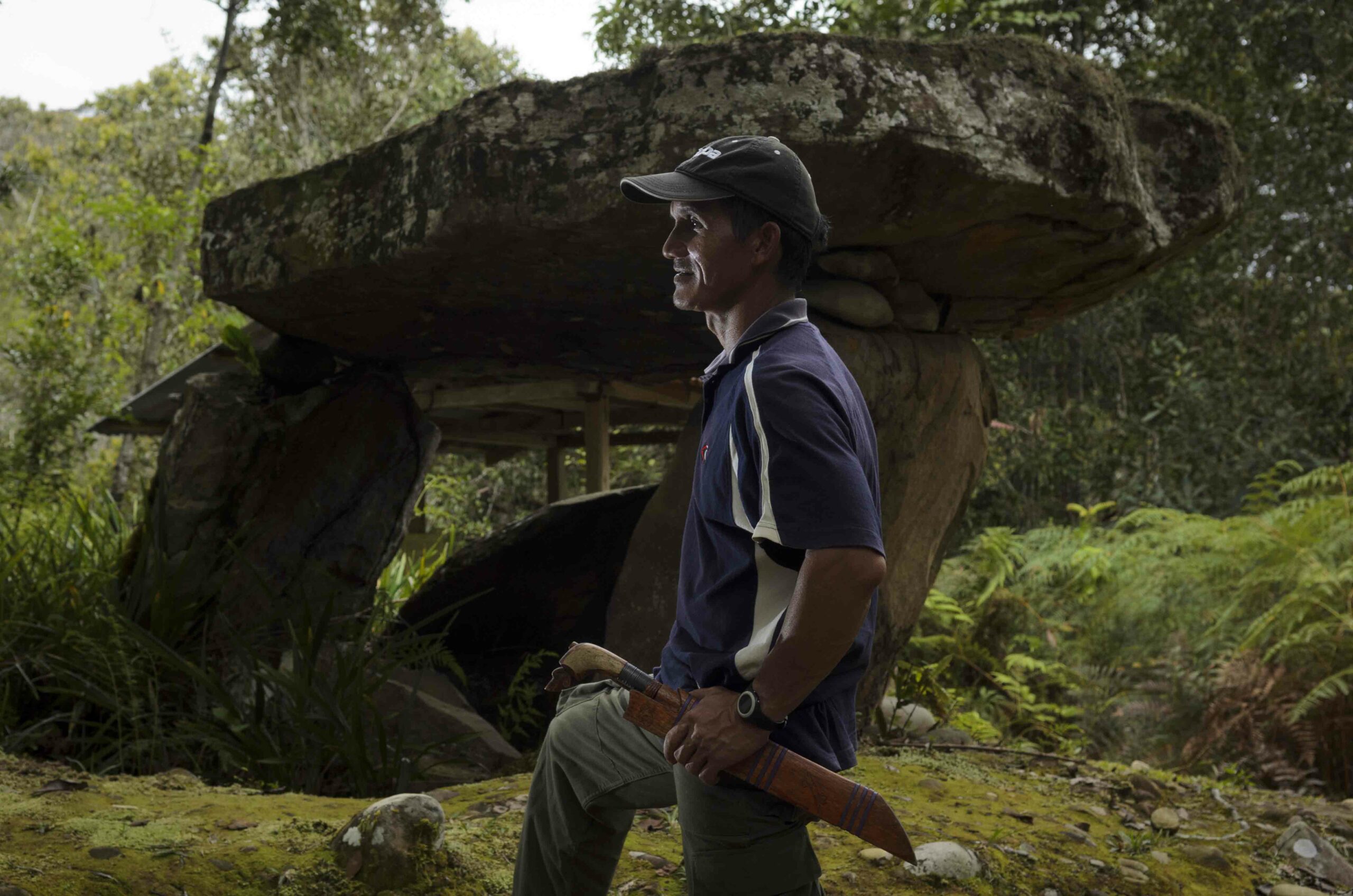 (Jerry Redfern)
 -
Artifacts March/April 2014
Chimú-Inca Funerary Idols
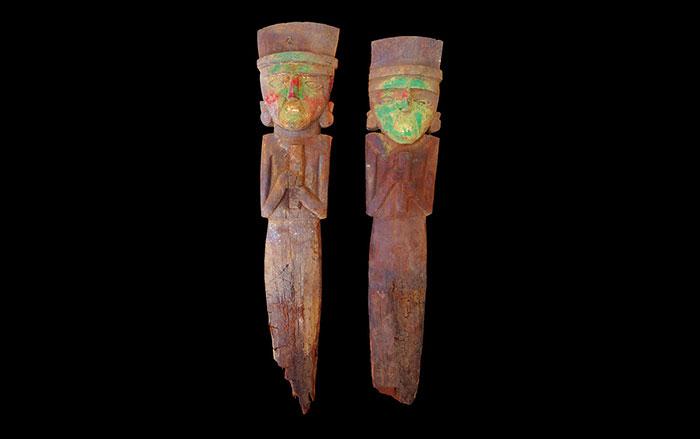 (Matthew Helmer)