
Chalice of Souls

Features November/December 2024

A Maya jade heirloom embodies an enduring sacred tradition
Jon G. Fuller, Jr./Alamy
SHARE:

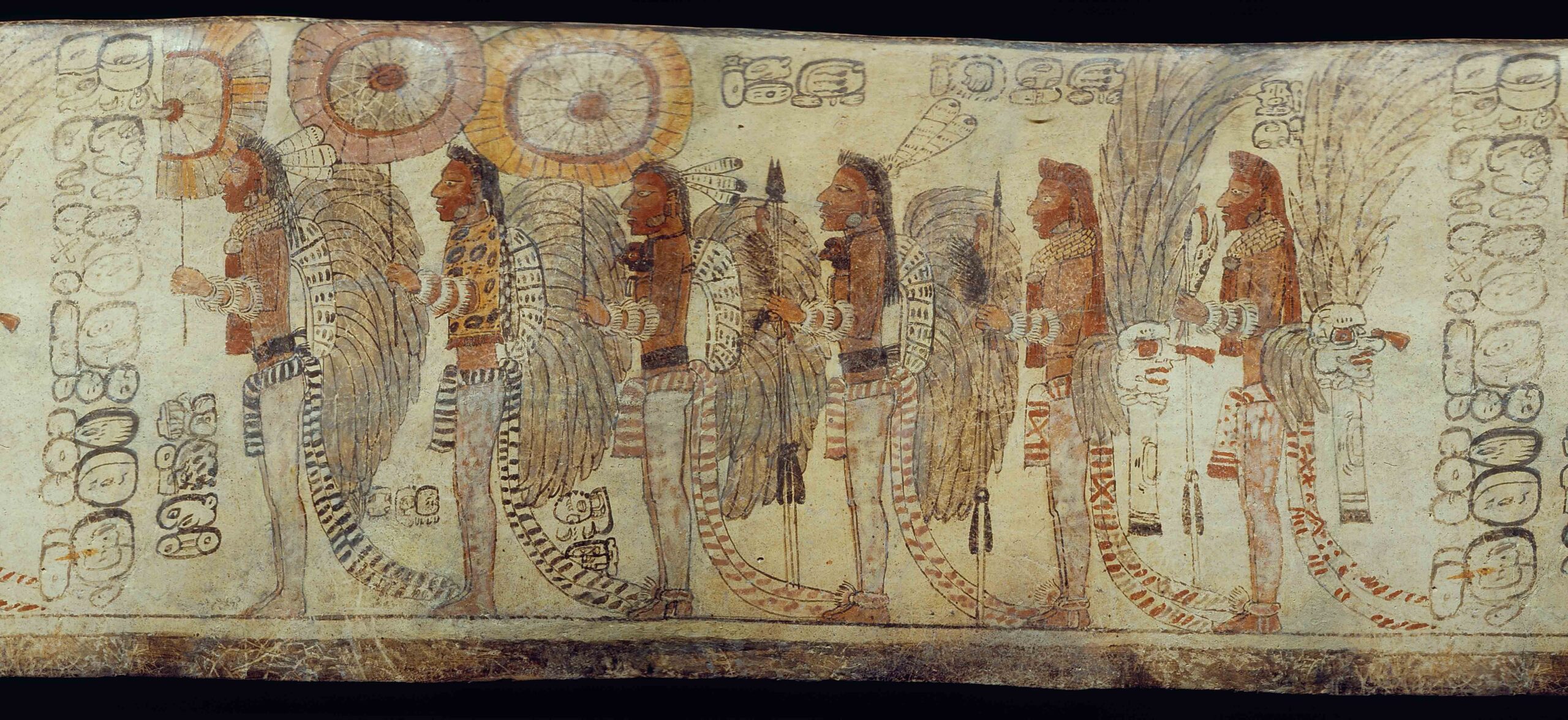
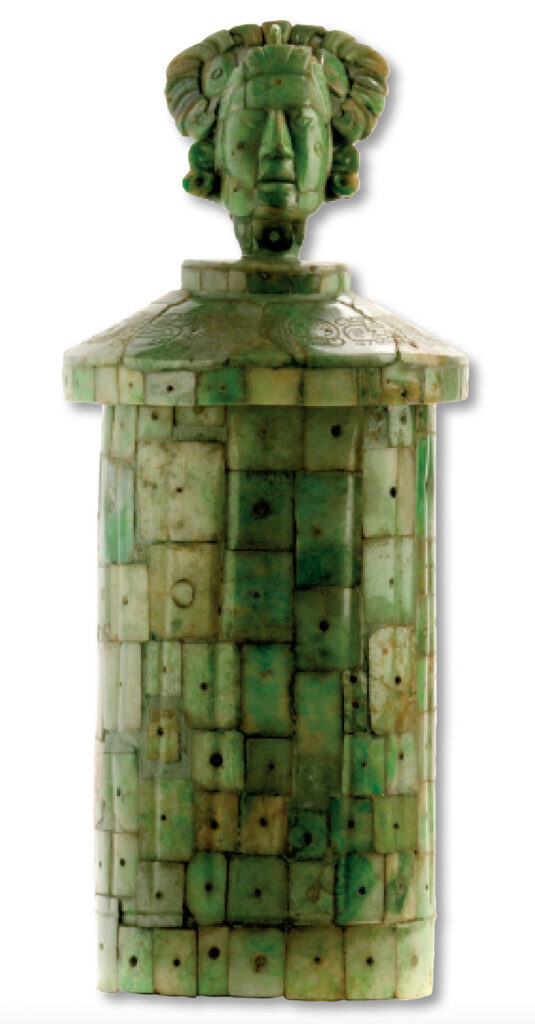
Reusing objects is a fundamental way people connect with and honor their past. Maya kings, like many who serve Thanksgiving dinner on their grandmother’s best china or pin her favorite brooch to their dress for a special occasion, employed heirlooms as a means of memorializing and hearkening back to those who came before. “Reusing an object or a material wasn’t just a practical way to maximize their utility for the Maya,” says archaeologist Juan Carlos Melendez of the research unit Archaeology of the Americas in France. “There was purpose and intention behind it.” Likely around a.d. 635, Maya artists in the city of Calakmul, capital of the Kaanul, or Snake, Dynasty (ca. a.d. 200–736) gathered greenstone, or jade, ornaments, including earspools that been worn by earlier Kaanul rulers. Such earspools were carved to resemble flowers, a motif that embodies the sweet cacao breath of the deceased and the Maya idea of the Flower World, the realm of the dead. These artists then began to carve the ornaments into about 100 small pieces, or tesserae. 
Become a Digital Subscriber Today

Get full access to all content on the ARCHAEOLOGY website and our PDF archive going back to the first publication in March 1948.

Already a Subscriber? Sign In

  • Features November/December 2024

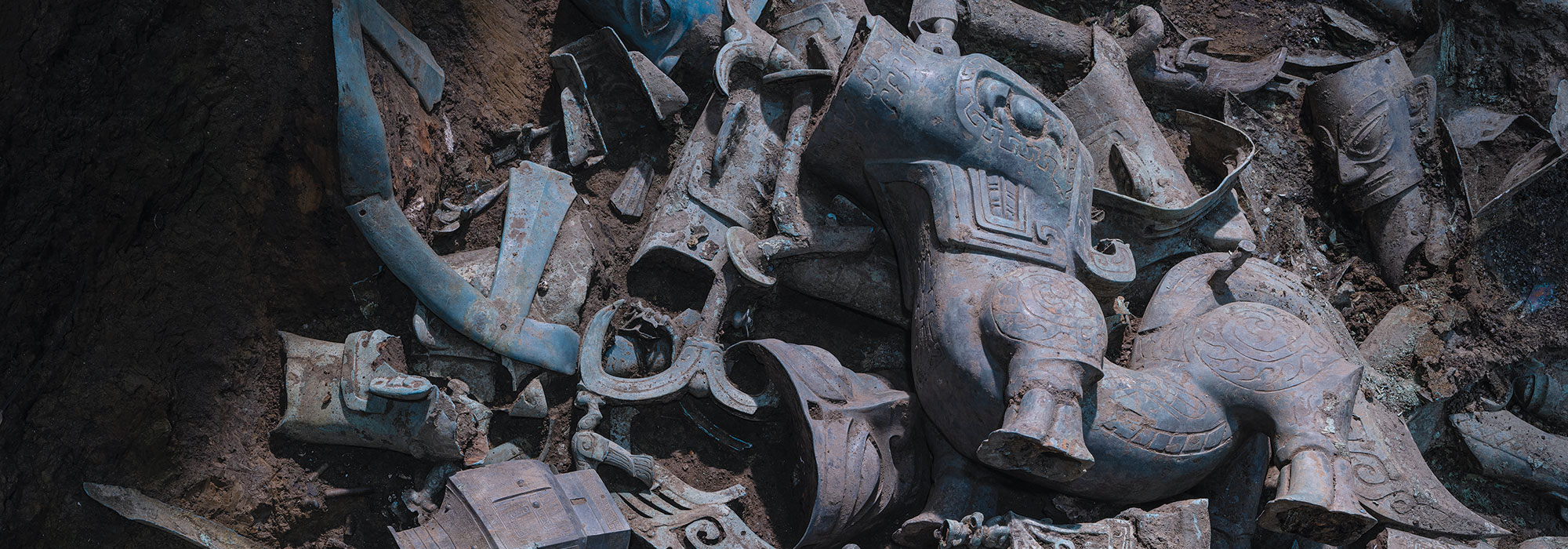
    The Many Faces of the Kingdom of Shu

    Thousands of fantastical bronzes are beginning to reveal the secrets of a legendary Chinese dynasty

    Read Article
    Courtesy Sichuan Provincial Institute of Cultural Relics and Archaeology
  • Features November/December 2024

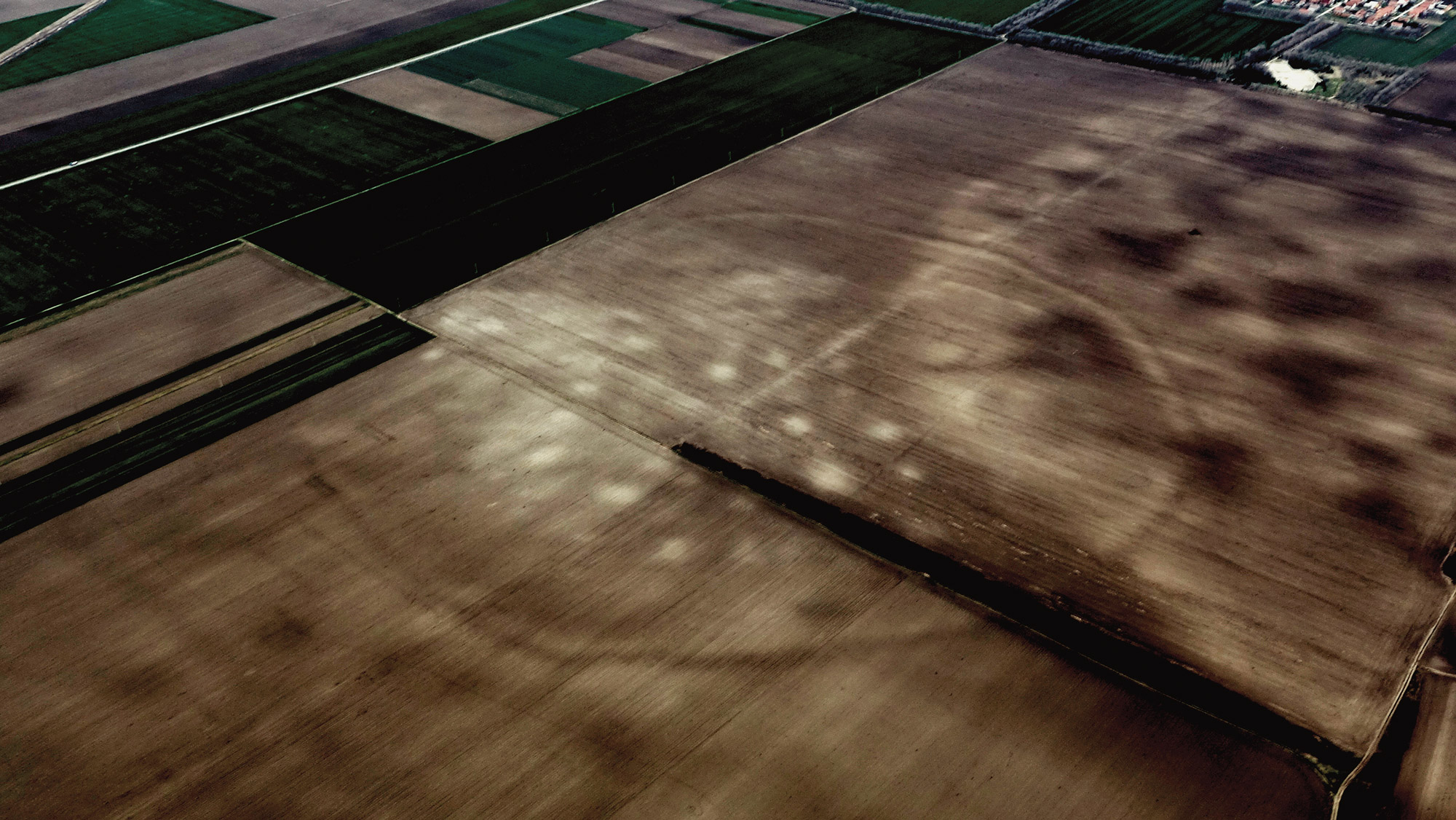
    Europe’s Lost Bronze Age Civilization

    Archaeologists have discovered more than 100 previously unknown megasites north of the Danube

    Read Article
    Courtesy Barry Molloy
  • Features November/December 2024

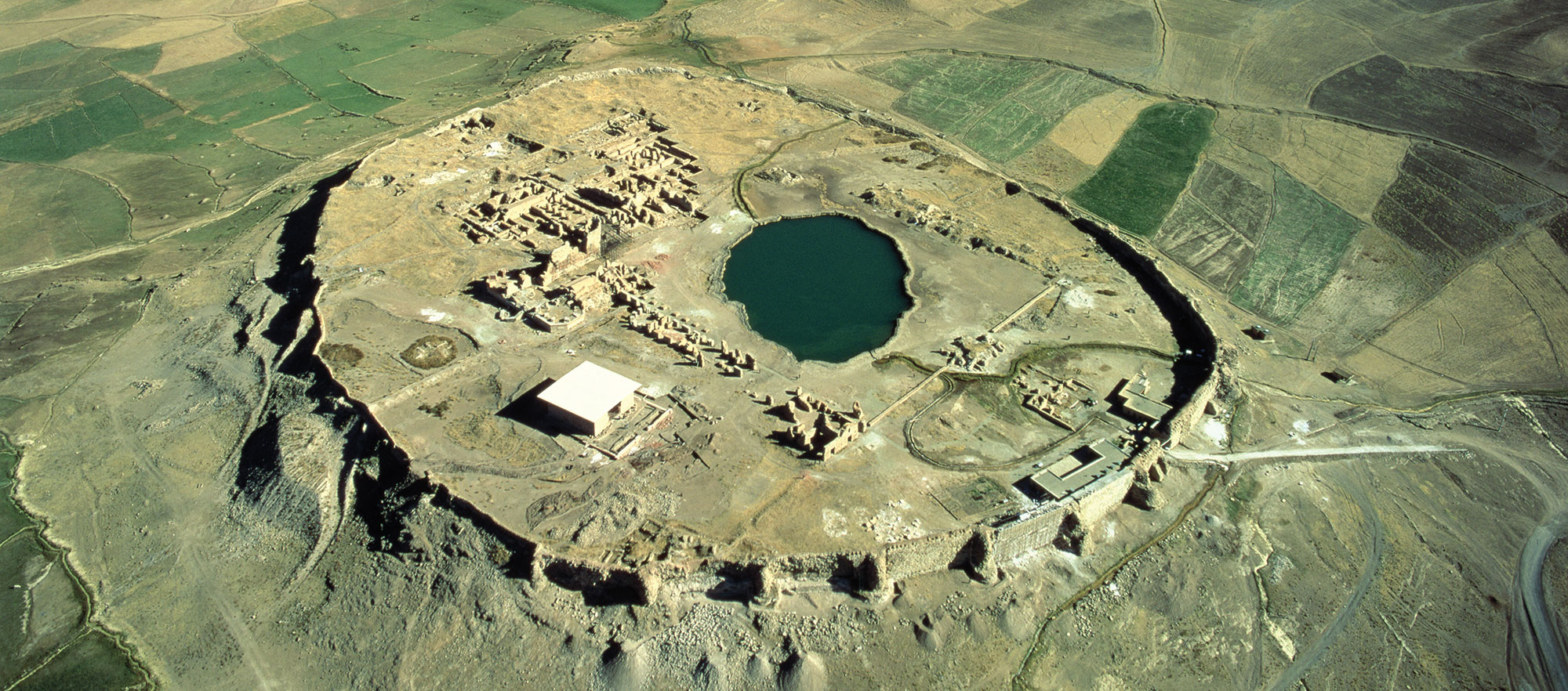
    Exploring Ancient Persia’s Royal Fire Temple

    At a remote lake in the mountains of Iran, archaeologists have identified the most revered Zoroastrian sanctuary

    Read Article
    Ruins of a fire temple at the site of Takht-e Soleyman in northwest Iran
    Bridgeman Images
  • Letter from Poland November/December 2024

    Remembering an Unspeakable Crime

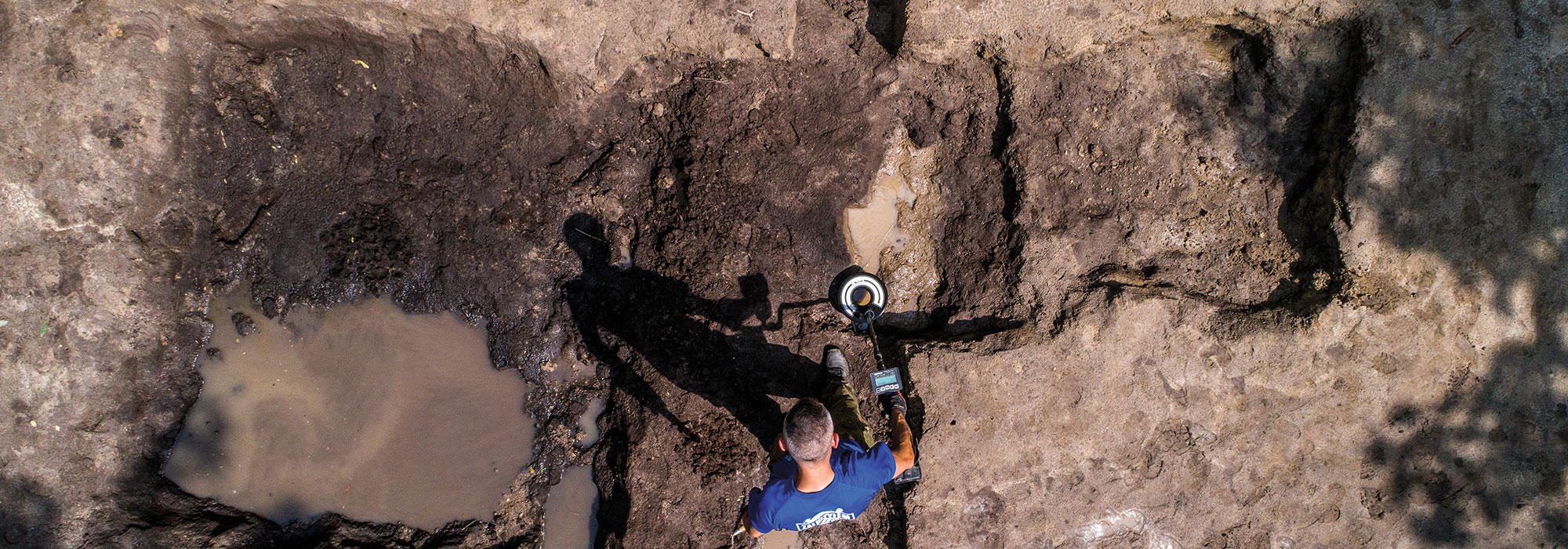
    Excavations of a mass grave expose evidence of Nazi-era massacres

    Read Article
    Courtesy Dawid Kobiałka