

AMSTERDAM, THE NETHERLANDS—The Homo erectus fossils known as “Java Man” have been returned to Indonesia, where they will be housed at the National Museum of Indonesia in Jakarta, according to an Arab News report. The skullcap, molar, and thigh bone, now thought to have come from different individuals, are a few of the 30,000 fossils and objects collected by Dutch researcher Eugène Dubois at the Bengawan Solo River on the island of Java some 130 years ago, during the period of Dutch colonial rule of Indonesia. Dubois sent the fossils and artifacts to The Netherlands, where they were housed at the Naturalis Biodiversity Center in Leiden. Indonesia first requested the return of the Dubois Collection in 1949, after gaining independence from Dutch rule. In 2020, a Dutch government advisory committee recommended restitution of the objects, stating that the fossils were likely removed against the will of the people, who had been coerced into revealing fossil sites. “This fossil bears witness to an important link in human evolution, while also representing part of Indonesian history and cultural heritage,” said Marcel Beukeboom, general director of the Naturalis Biodiversity Center. Indonesian scientists studying human evolution in Asia will now be able to compare the repatriated Java fossils with others they have found on the islands of Sumatra and Sulawesi. To read about a stone monument built some 2,000 years ago on the island of Java, go to "Java's Megalithic Mountain."
“Java Man” Fossils Returned to Indonesia
News December 19, 2025
Recommended Articles
Off the Grid September/October 2026
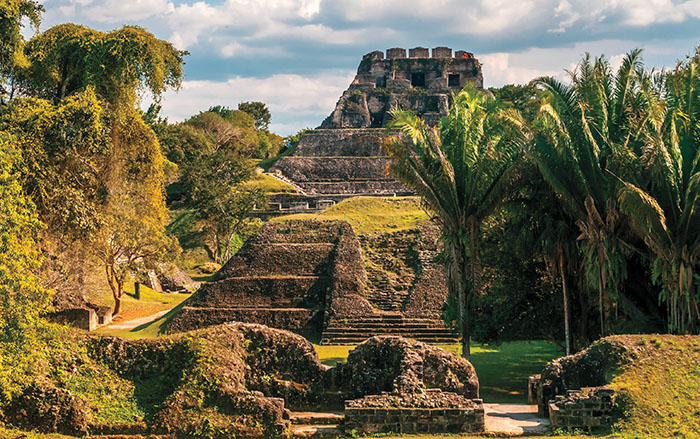
Xunantunich, Belize
Learning to draw monkeys at an ancient Maya art academy
Letter from Ireland September/October 2026
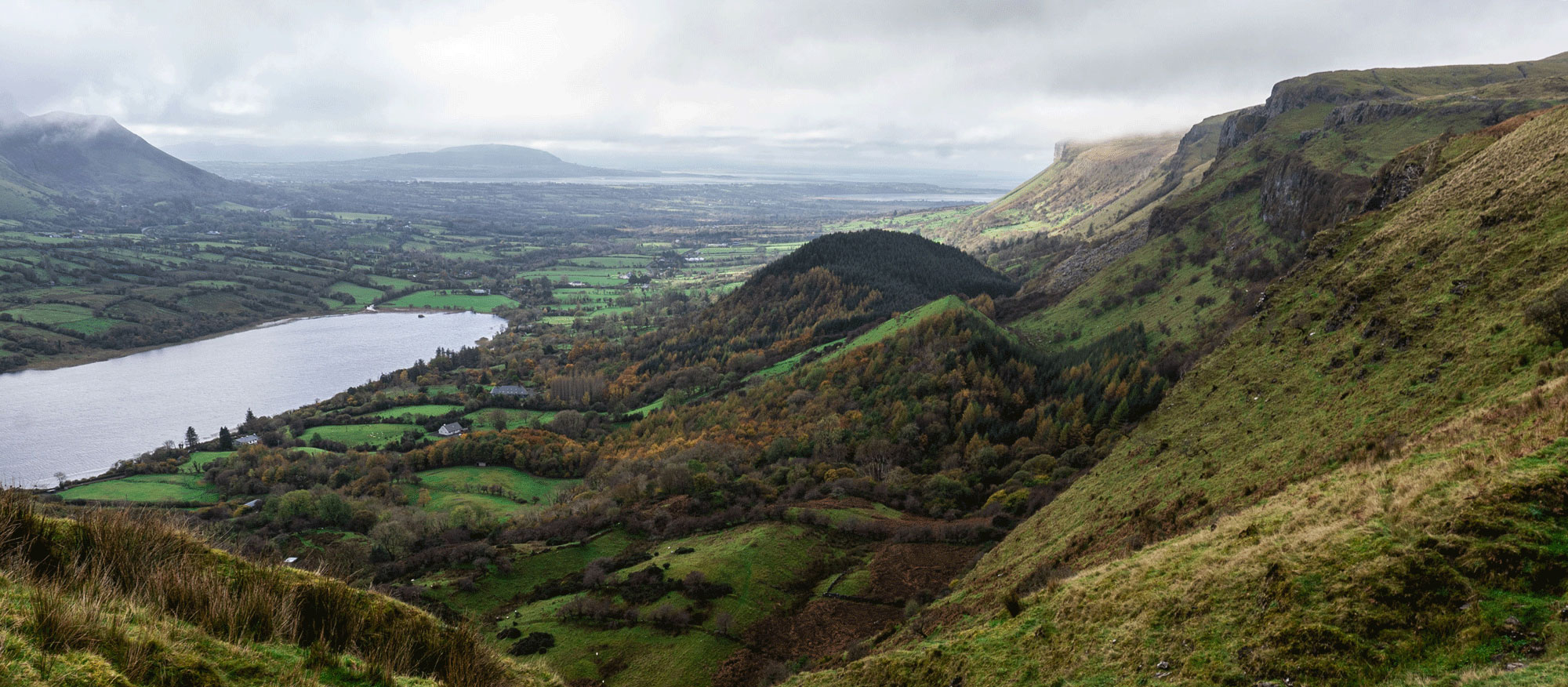
A War Between Friends
How IRA volunteers survived the Irish Civil War in a secret mountain hideout
Features September/October 2026
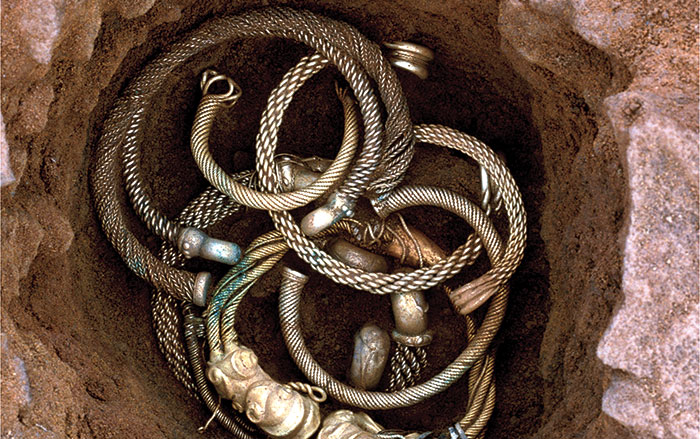
A Change in Fashion
Hoards of lavish gold and silver neck rings buried on an English hill reflect dramatic social change
Features September/October 2026
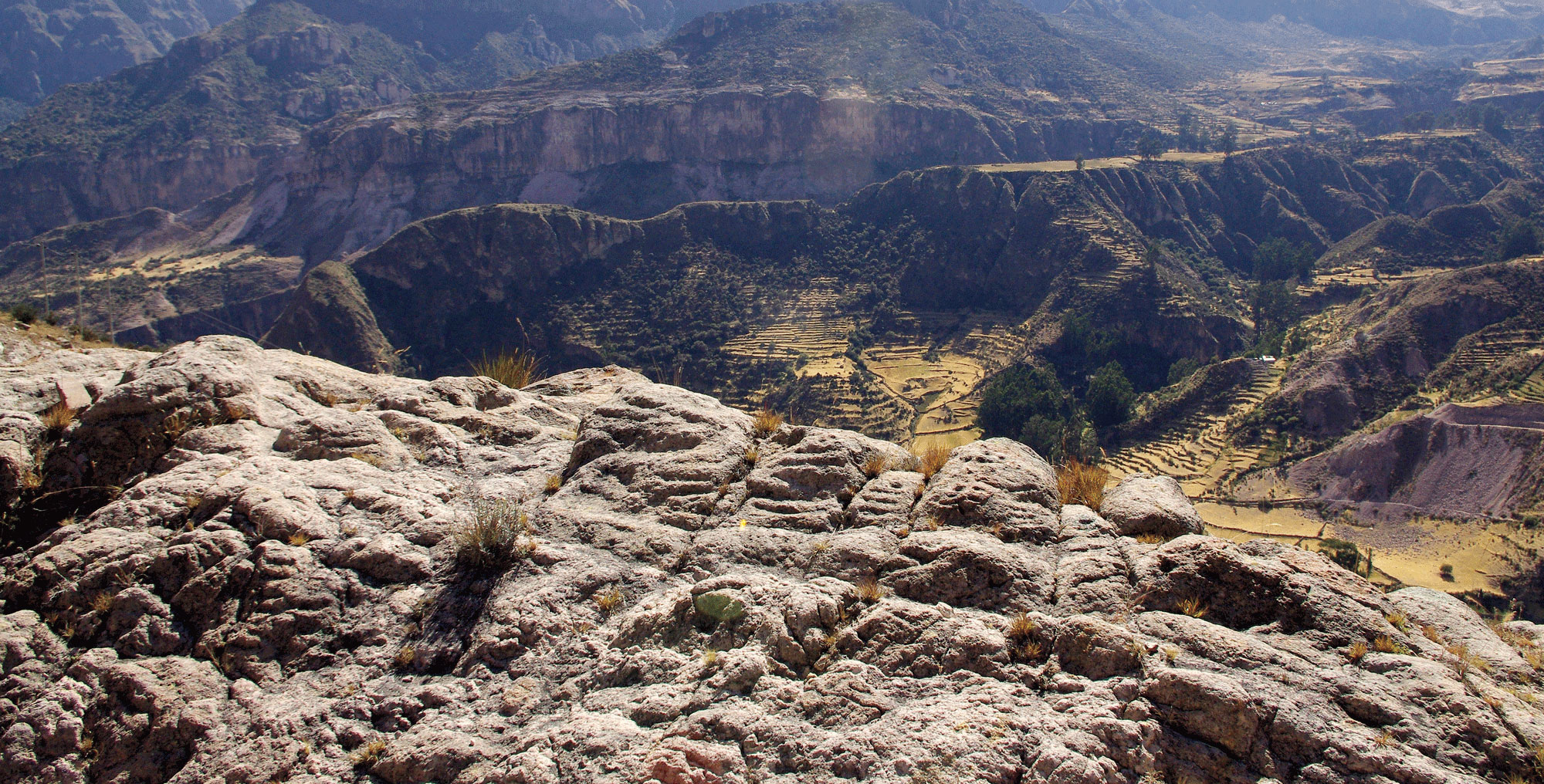
Cultivating Fields of Stone
Peru’s ancient farmers used intricate rock maps to plan for the future
More to Discover
Features November/December 2025
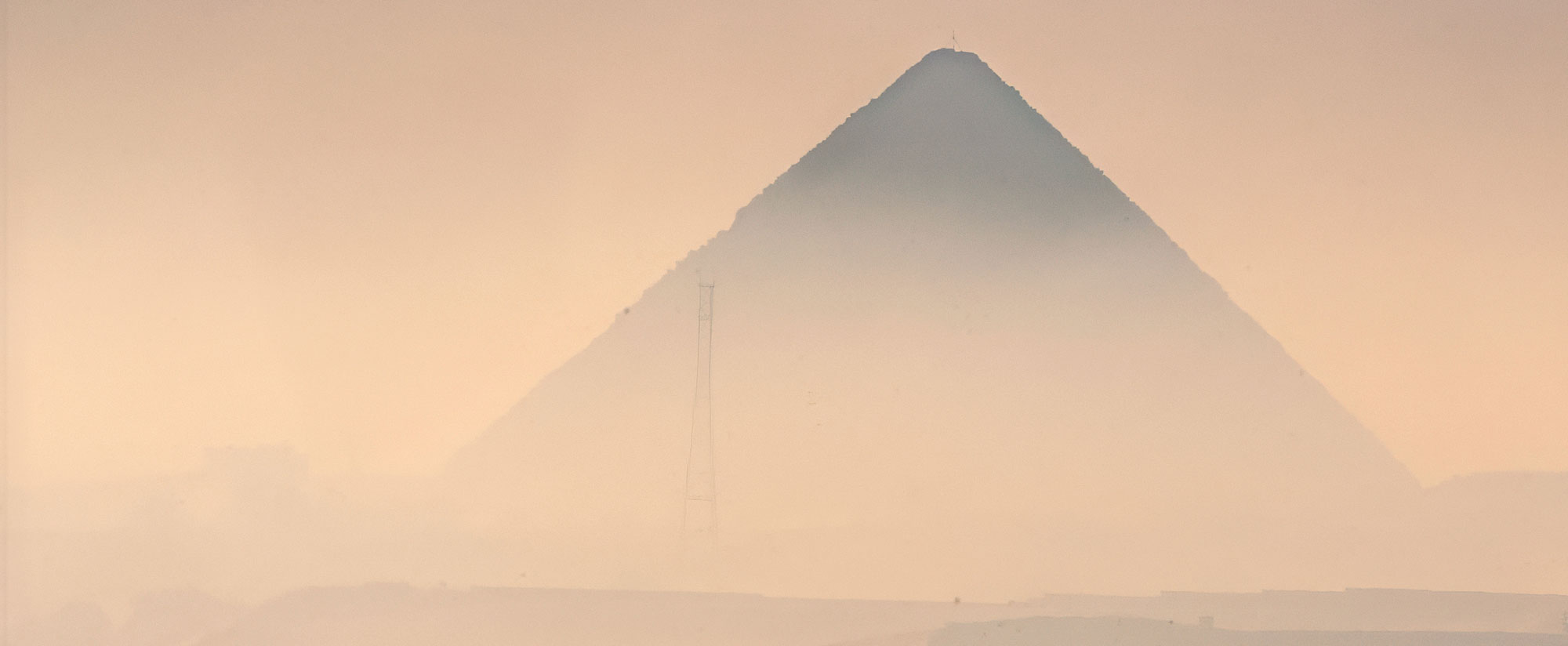
Secrets of the Seven Wonders
How archaeologists are rediscovering the ancient world's most marvelous monuments

-
Features November/December 2025
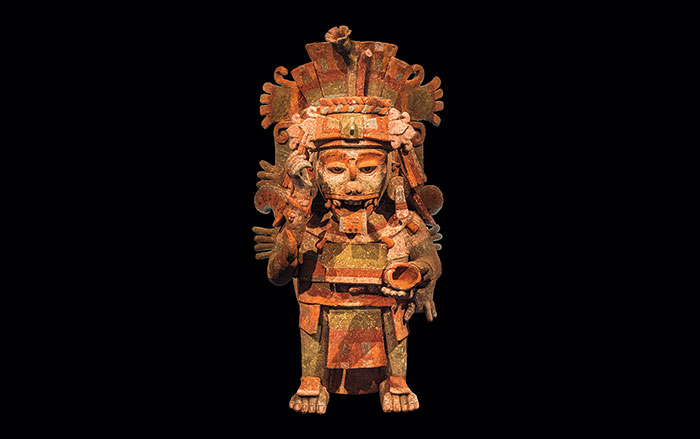
Acts of Faith
Evidence emerges of the day in 1562 when an infamous Spanish cleric tried to destroy Maya religion
 Adriana Rosas/Alamy
 -
Features November/December 2025
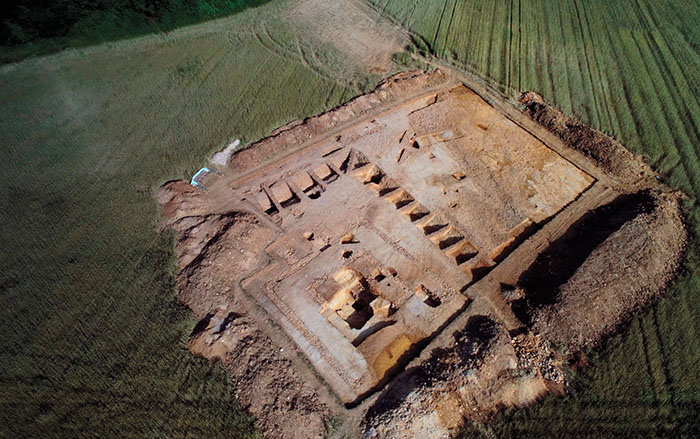
Temples to Tradition
A looted cache of bronzes compels archaeologists to explore Celtic sanctuaries across Burgundy
 M. Thivet, MSHE
 -
Features November/December 2025
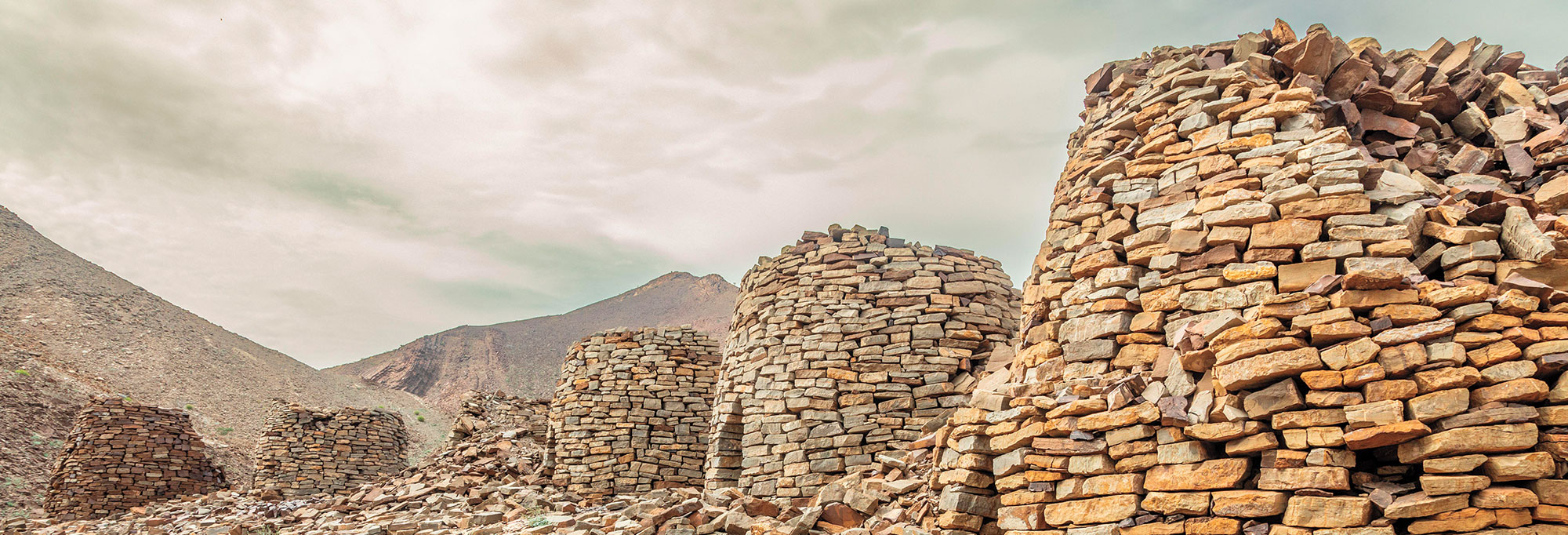
Oasis Makers of Arabia
Researchers are just beginning to understand how people thrived in the desert of Oman some 5,000 years ago
 Vadim Nefedov/Alamy
 -
Features November/December 2025
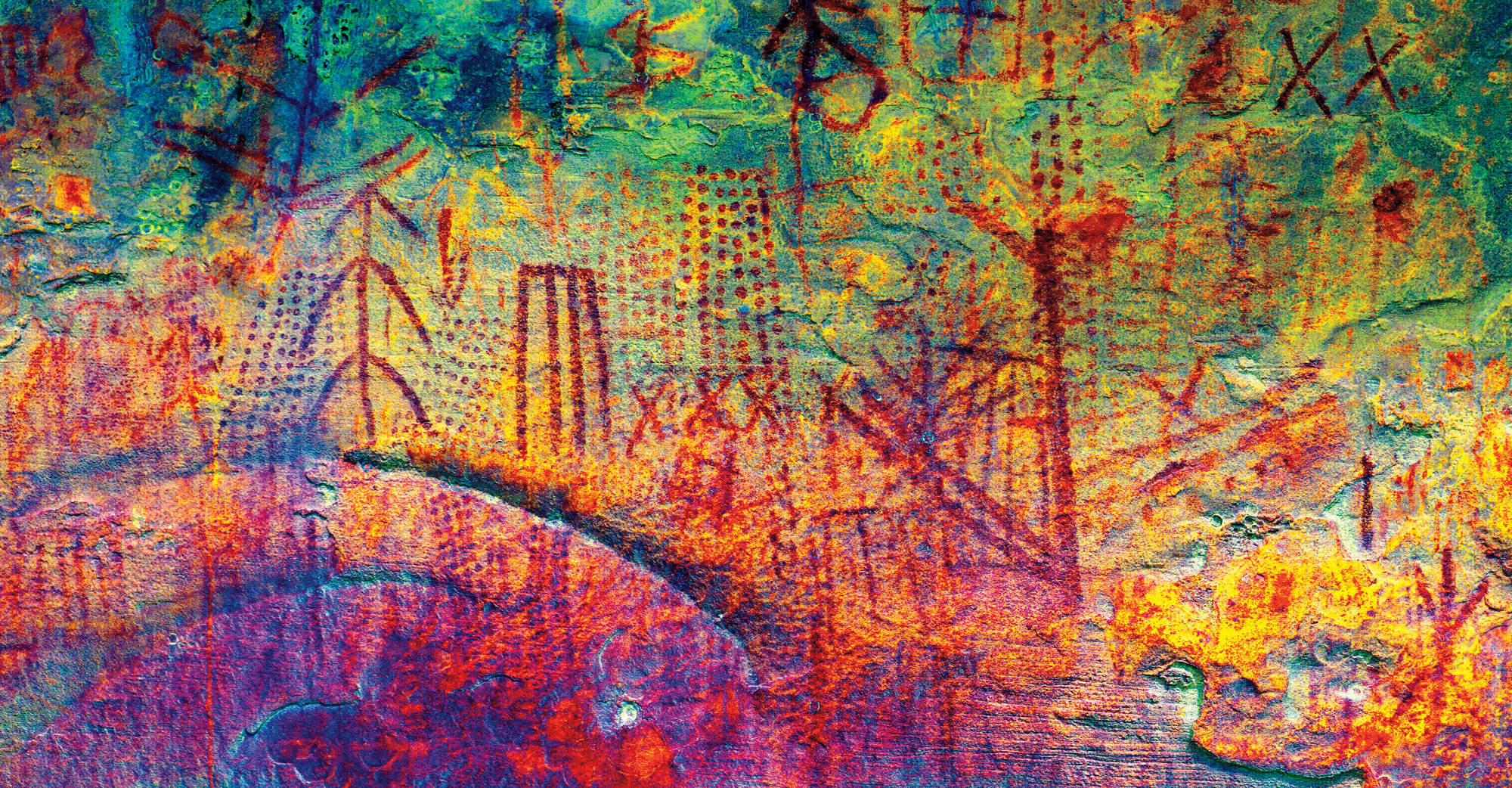
Searching for Venezuela’s Undiscovered Artists
Inspired by their otherworldly landscape, ancient people created a new rock art tradition
 José Miguel Pérez-Gómez