Teeth of Iron Age Italians Analyzed

News January 20, 2026

SHARE:

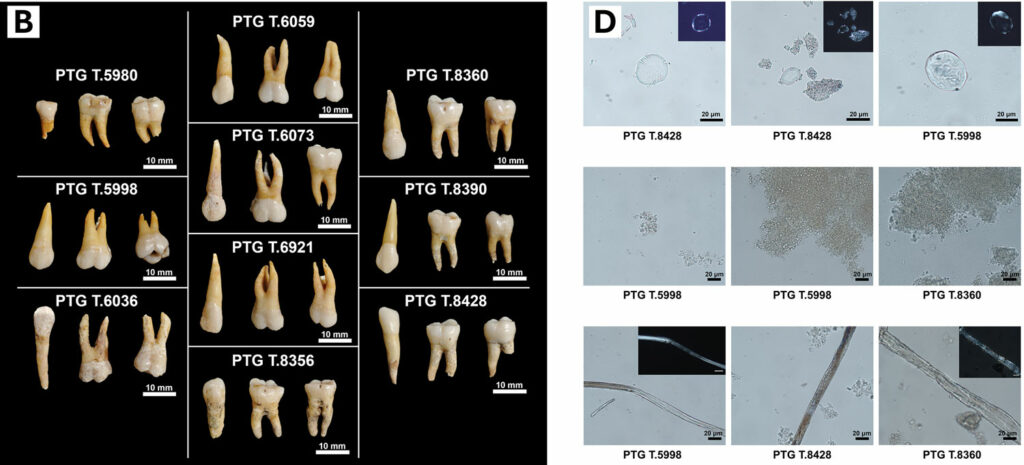
ROME, ITALY—According to a statement released by the Public Library of Science, Roberto Germano of Sapienza University and his colleagues analyzed the teeth and dental calculus of 10 people who lived at the site of Pontecagnano in southwestern Italy between the seventh and sixth centuries B.C. Tooth enamel is laid down during childhood, and can thus provide a record of an individual’s health and the influence of the surrounding environment. Examination of the enamel from canine and molar teeth detected minor stress at about one year and four years of age. Germano said these ages are marked by changing behavior and diet, as well as susceptibility to disease. Analysis of plaque on the teeth showed that as adults, the individuals consumed carbohydrates including cereals and legumes, and fermented foods and beverages. Future studies of the Pontecagnano population could examine a larger number of individuals and employ isotopic analysis of their tooth enamel, Germano said. Read the original scholarly article about this research in PLOS One. To read about the burials of an Iron Age people who migrated to eastern Italy, go to "Fit for a Prince."
  • Features January/February 2026

    The Cost of Doing Business

    Piecing together the Roman empire’s longest known inscription—a peculiarly precise inventory of prices

    Read Article
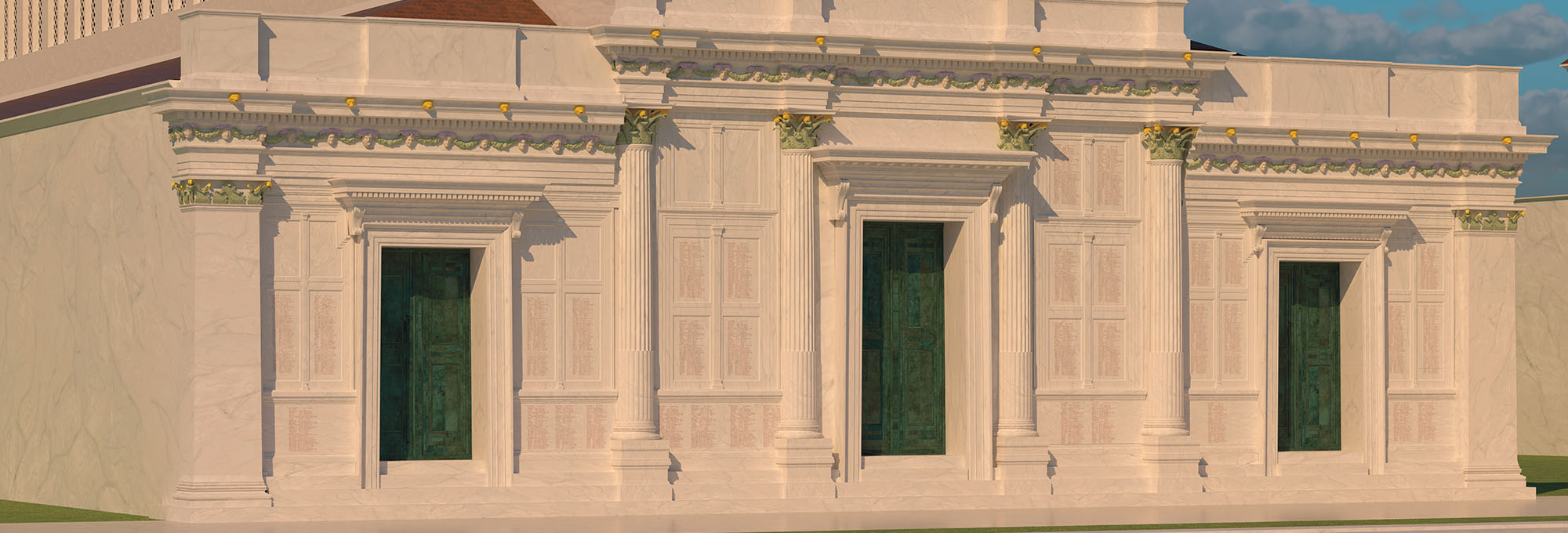
    A digital reconstruction shows how the Civil Basilica in the city of Aphrodisias in southwestern Anatolia would have appeared with the Edict of Maximum Prices inscribed on its facade.
    Ece Savaş and Philip Stinson
  • Features January/February 2026

    The Birds of Amarna

    An Egyptian princess seeks sanctuary in her private palace

    Read Article
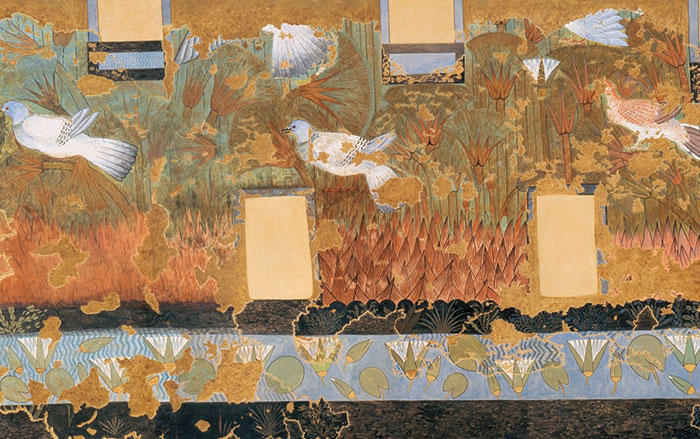
    The Metropolitan Museum of Art, New York/ Rogers Fund, 1930
  • Features January/February 2026

    Taking the Measure of Mesoamerica

    Archaeologists decode the sacred mathematics embedded in an ancient city’s architecture

    Read Article
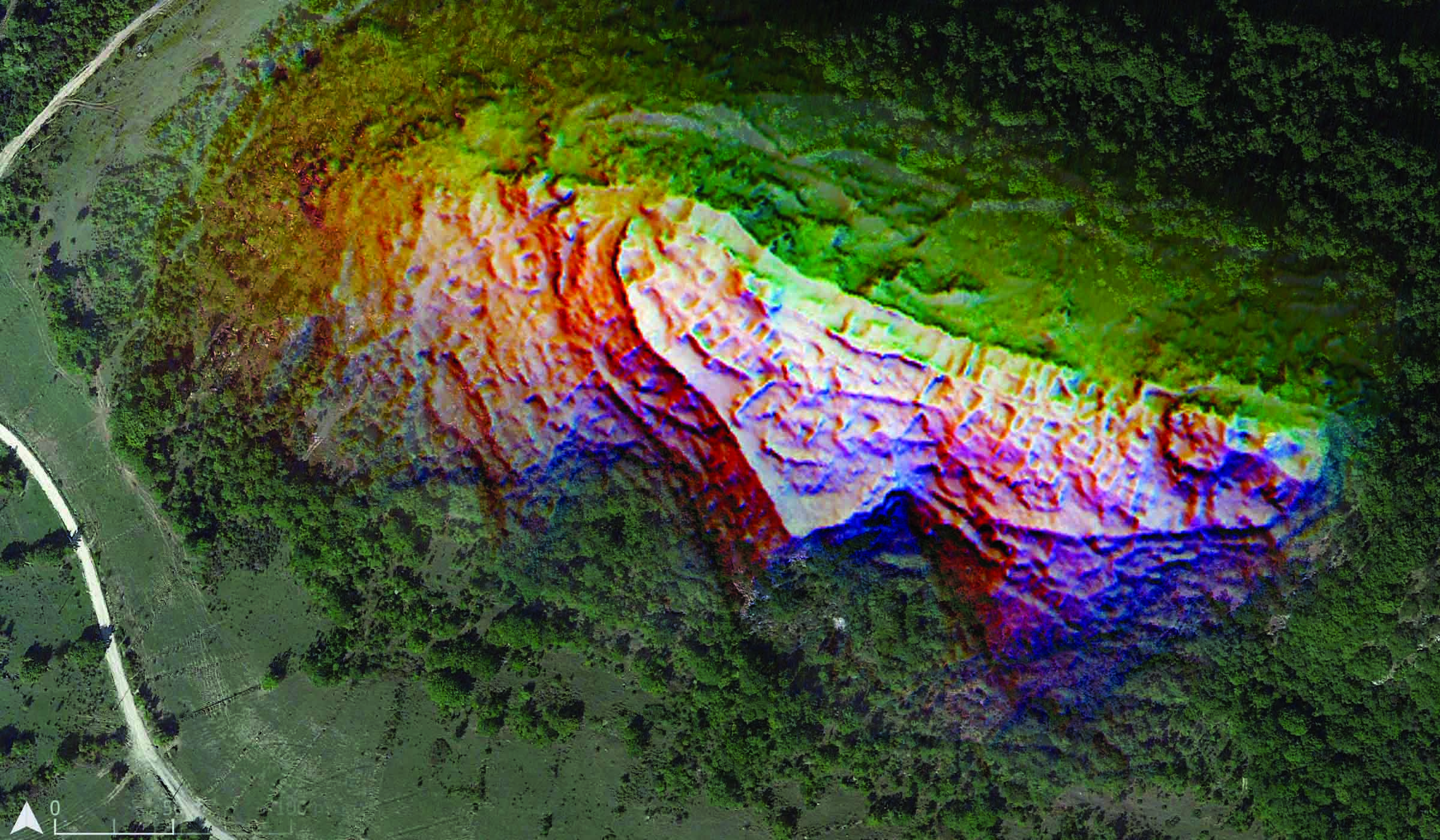
    Courtesy Claudia I. Alvarado-León
  • Features January/February 2026

    Stone Gods and Monsters

    3,000 years ago, an intoxicating new religion beckoned pilgrims to temples high in the Andes

    Read Article
    The ritual center of Chavín de Huántar flourished in northern Peru.
    Courtesy John Rick