Remains of Vitruvius Basilica Identified in Italy

News January 21, 2026

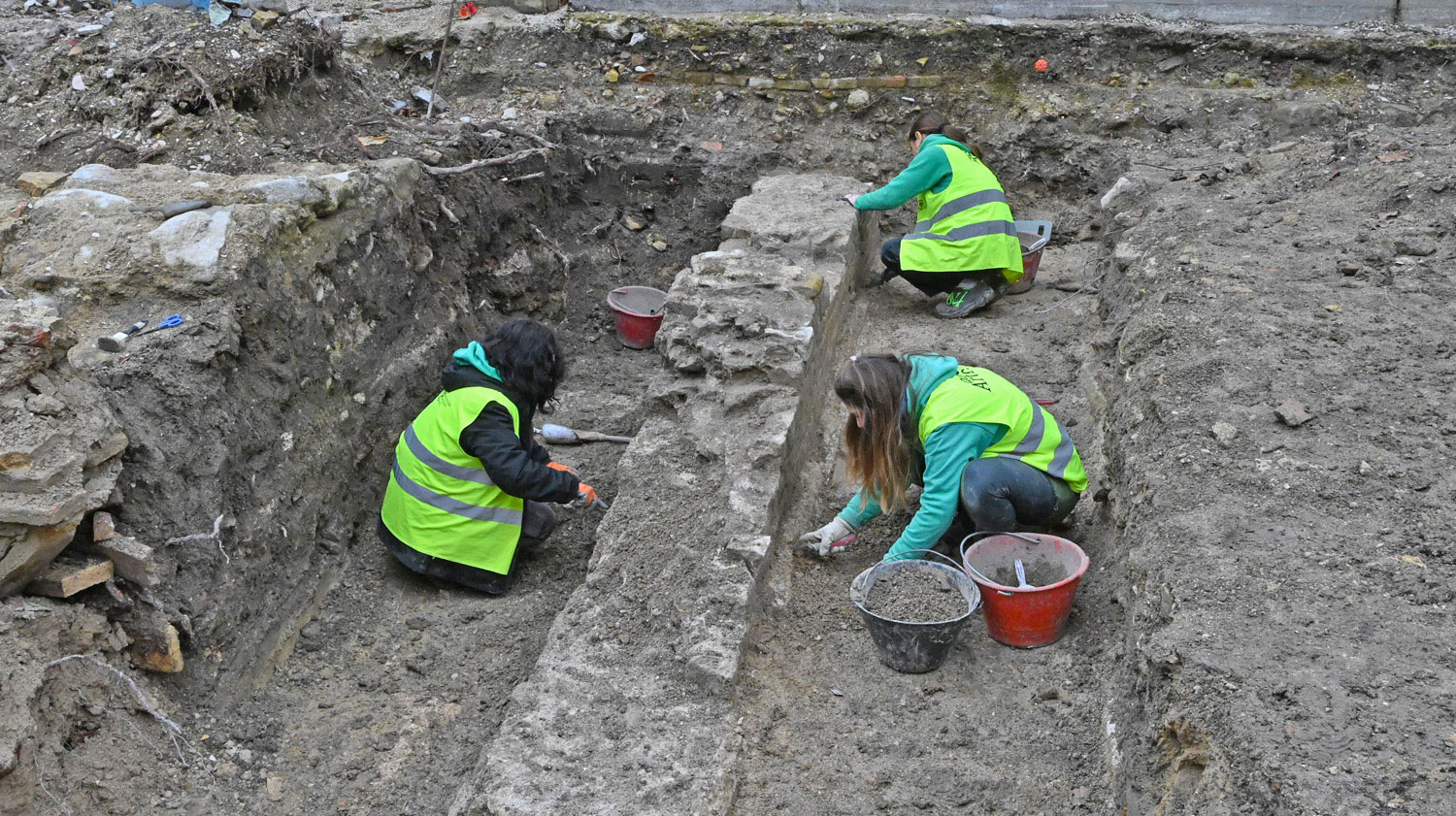
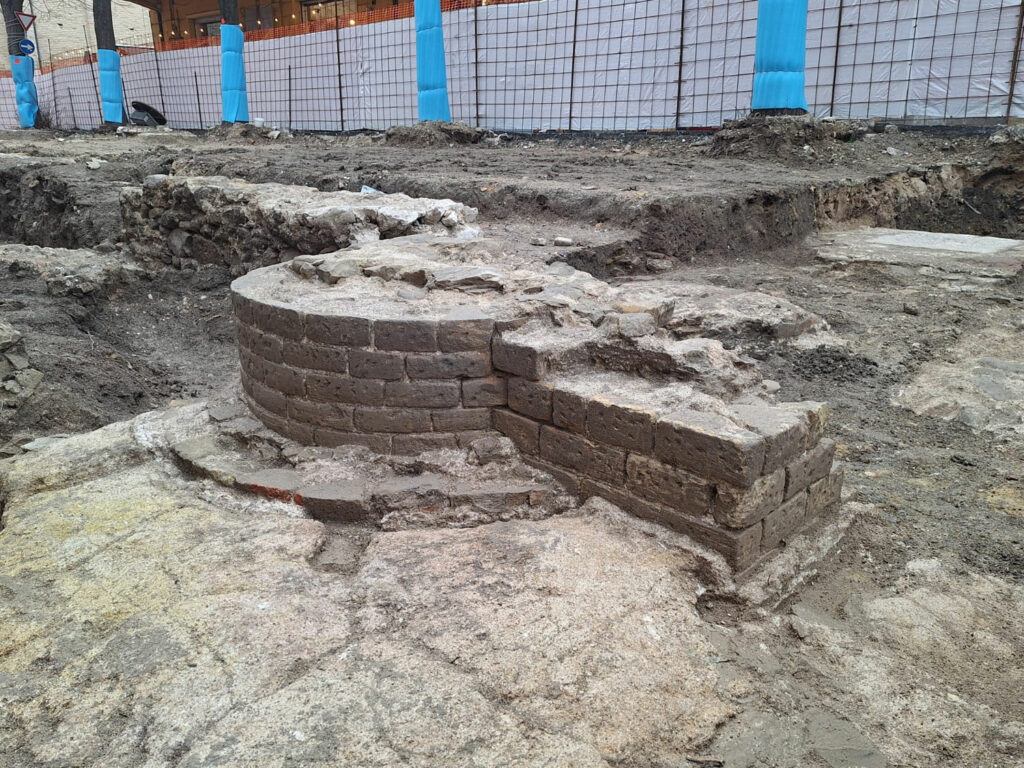
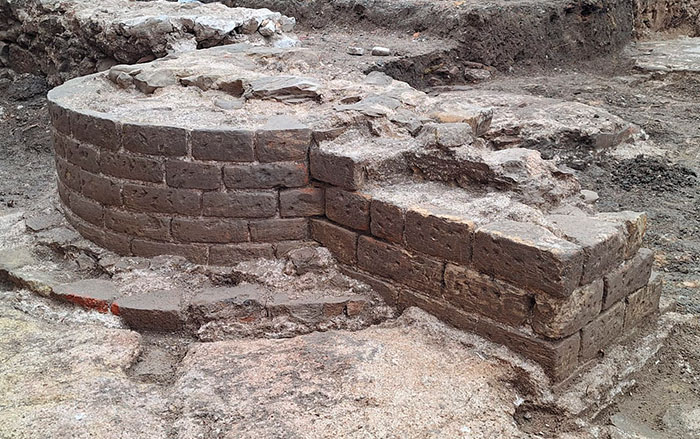
Excavation of Vitruvius basilica, Fano, Italy
Italian Ministry of Culture
SHARE:

FANO, ITALY—La Brújula Verde reports that a structure discovered in 2023 in eastern Italy’s city of Fano has been identified as a basilica designed by the Roman architect and engineer Marcus Vitruvius Pollio, who wrote the treatise De Architectura in the first century B.C. The building matches a description in Book V of the work, with its rectangular plan surrounded by a peristyle of columns. Each column was about five feet in diameter and stood about 50 feet tall. Eight columns lined the long sides and four stood on the shorter sides. “After centuries of waiting and study, what for a long time was transmitted only through the written word has been transformed into a concrete, tangible, and shareable reality,” said Luca Serfilippi, mayor of Fano. Researchers will now work to conserve the remains of Vitruvius' basilica and prepare it for visitors. To read about Vitruvius' writing on materials used for home decor, go to "Painting by Roman Numerals."
  • Features January/February 2026

    The Cost of Doing Business

    Piecing together the Roman empire’s longest known inscription—a peculiarly precise inventory of prices

    Read Article
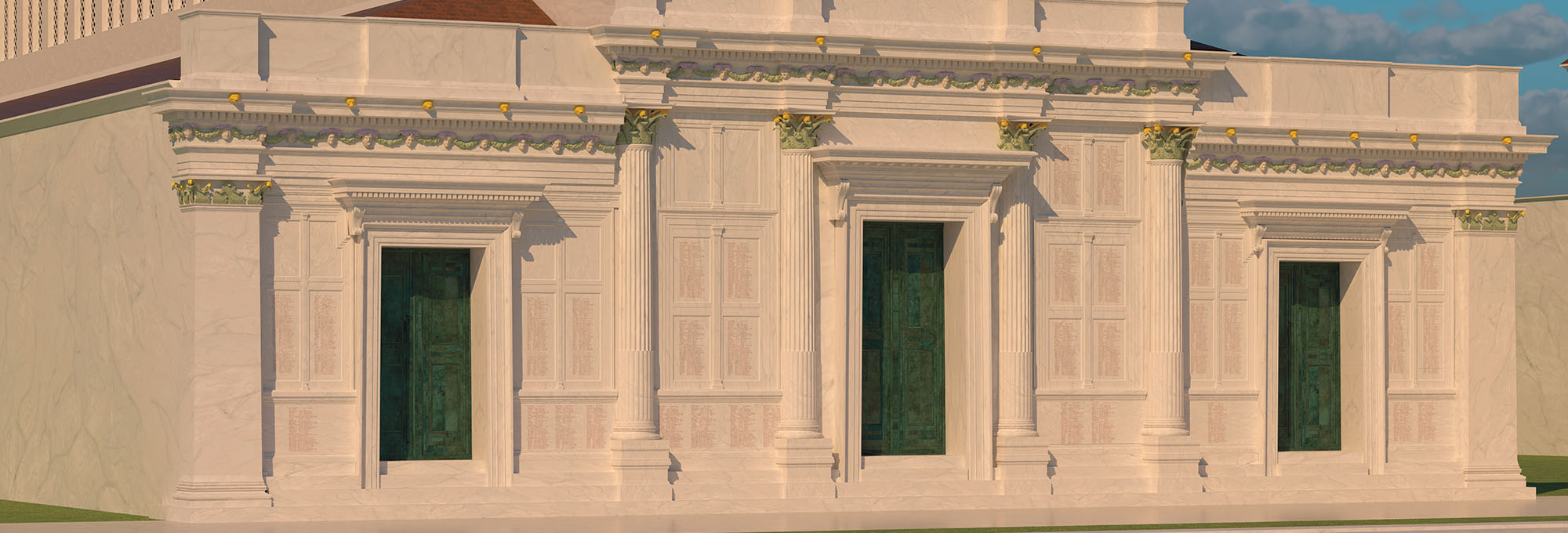
    A digital reconstruction shows how the Civil Basilica in the city of Aphrodisias in southwestern Anatolia would have appeared with the Edict of Maximum Prices inscribed on its facade.
    Ece Savaş and Philip Stinson
  • Features January/February 2026

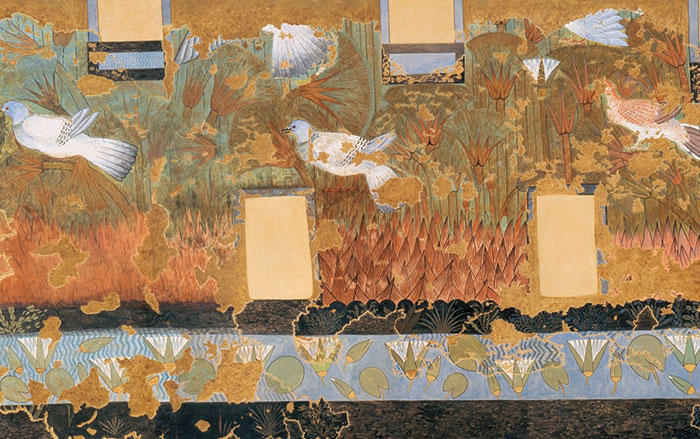
    The Birds of Amarna

    An Egyptian princess seeks sanctuary in her private palace

    Read Article
    The Metropolitan Museum of Art, New York/ Rogers Fund, 1930
  • Features January/February 2026

    Taking the Measure of Mesoamerica

    Archaeologists decode the sacred mathematics embedded in an ancient city’s architecture

    Read Article
    Courtesy Claudia I. Alvarado-León
  • Features January/February 2026

    Stone Gods and Monsters

    3,000 years ago, an intoxicating new religion beckoned pilgrims to temples high in the Andes

    Read Article
    The ritual center of Chavín de Huántar flourished in northern Peru.
    Courtesy John Rick