Cave Art Identified in Czech Republic Excavation Spoil Heap

News January 21, 2026

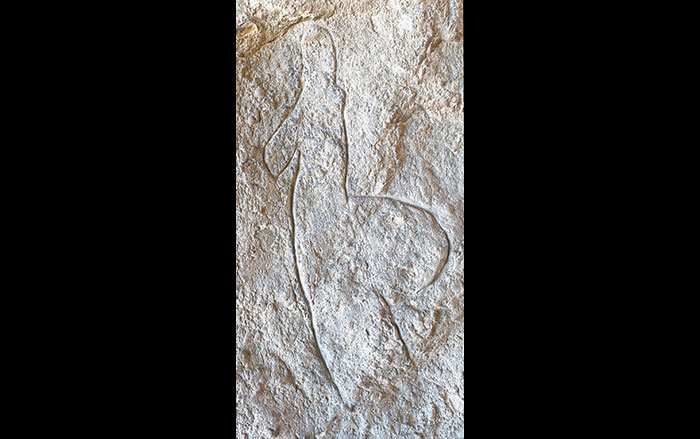
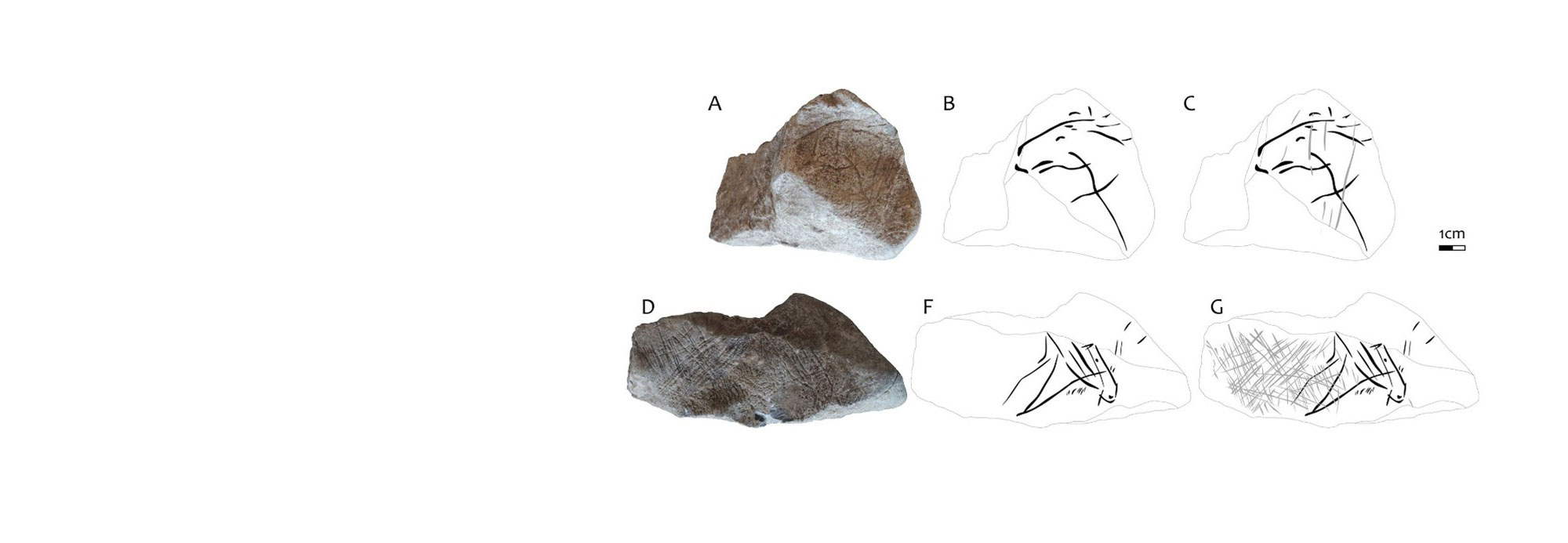
Limestone block with incised lines (left) and drawing of horse motifs on the block (right)
Langley, MC, Škrdla, P., Kmošek, M. et al. Engraved Limestone Block from Švédův stůl Cave, Czech Republic. J Paleo Arch 9, 4 (2026)
SHARE:

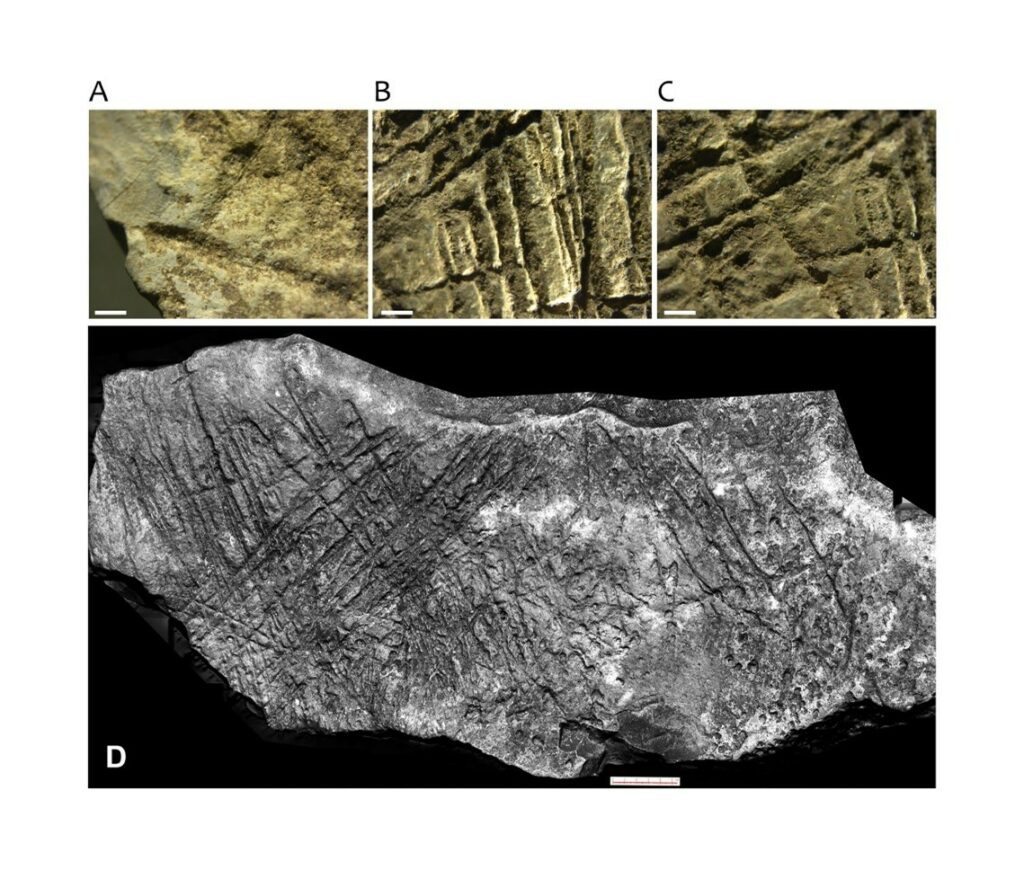
PRAGUE, CZECH REPUBLIC—According to a Radio Prague International report, engravings of the heads and necks of horses have been discovered on a piece of limestone in debris left over from the excavation of a cave in South Moravia in the 1950s. Petr Škrdla of the Czech Academy of Sciences said that the engravings, recovered from Švédův stůl Cave, belong to the Magdalenian art tradition known from cave paintings in Western Europe. They date to about 15,000 years ago. The artwork was likely created by a member of a small group of hunter-gatherers who lived in the area around the Moravian Karst caves at the end of the last Ice Age. It is the first time that this type of figurative cave art has been documented in the Czech Republic, he added. “The engraving is on a fragment of limestone that probably fell from the cave wall a very long time ago—the fracture surfaces are smooth and clearly weathered,” Škrdla explained. The images had been engraved on two adjacent surfaces of the block, and had been crossed with additional engraved lines, a practice that can be interpreted as symbolic or ritual behavior in Magdalenian art. To read about other equine cave art, go to "The Story of the Horse: Taming the Horse."
  • Features January/February 2026

    The Cost of Doing Business

    Piecing together the Roman empire’s longest known inscription—a peculiarly precise inventory of prices

    Read Article
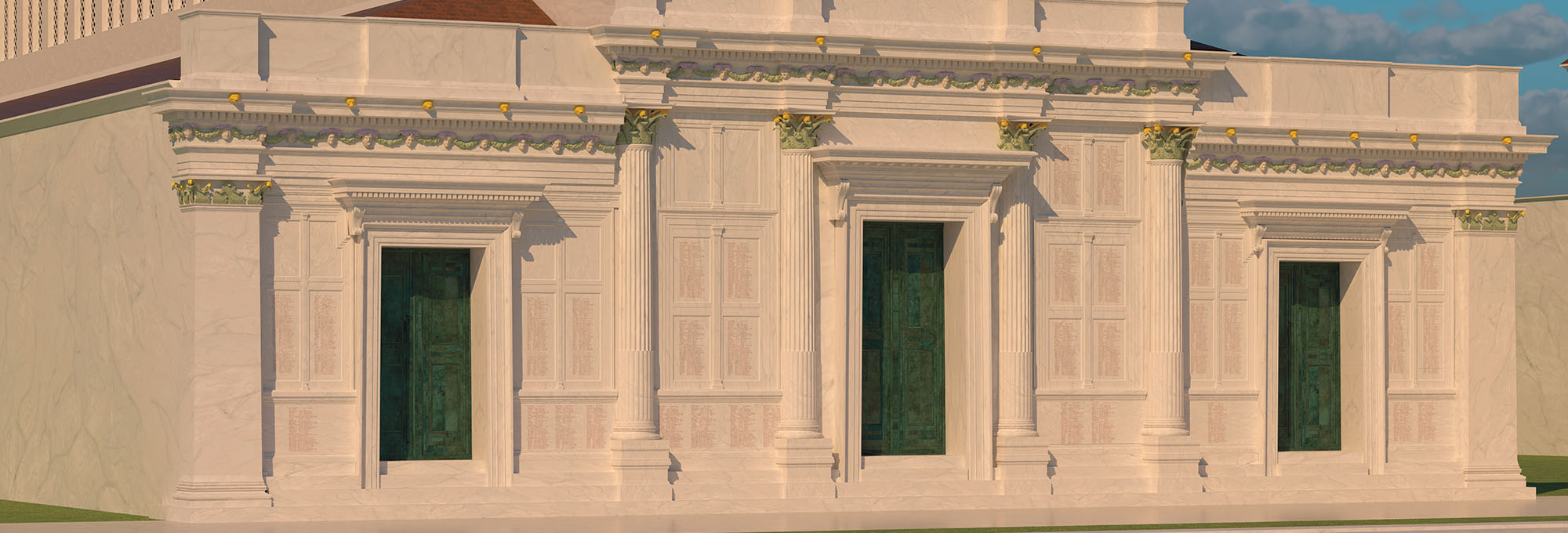
    A digital reconstruction shows how the Civil Basilica in the city of Aphrodisias in southwestern Anatolia would have appeared with the Edict of Maximum Prices inscribed on its facade.
    Ece Savaş and Philip Stinson
  • Features January/February 2026

    The Birds of Amarna

    An Egyptian princess seeks sanctuary in her private palace

    Read Article
    The Metropolitan Museum of Art, New York/ Rogers Fund, 1930
  • Features January/February 2026

    Taking the Measure of Mesoamerica

    Archaeologists decode the sacred mathematics embedded in an ancient city’s architecture

    Read Article
    Courtesy Claudia I. Alvarado-León
  • Features January/February 2026

    Stone Gods and Monsters

    3,000 years ago, an intoxicating new religion beckoned pilgrims to temples high in the Andes

    Read Article
    The ritual center of Chavín de Huántar flourished in northern Peru.
    Courtesy John Rick