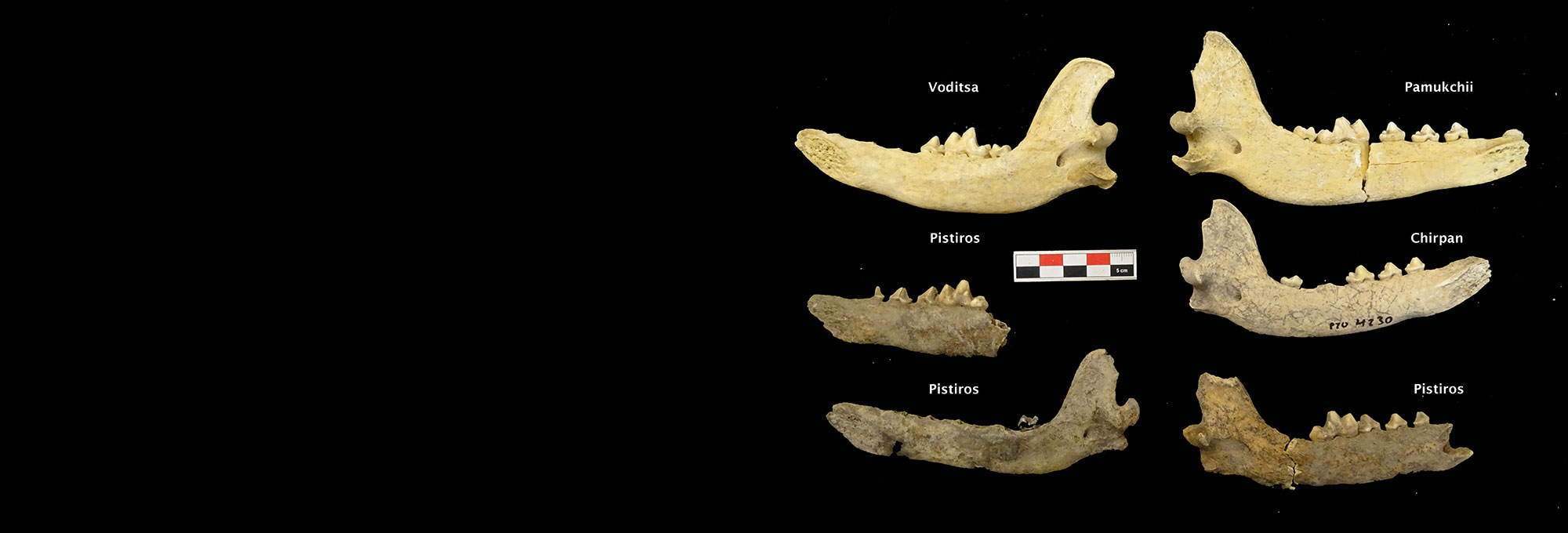
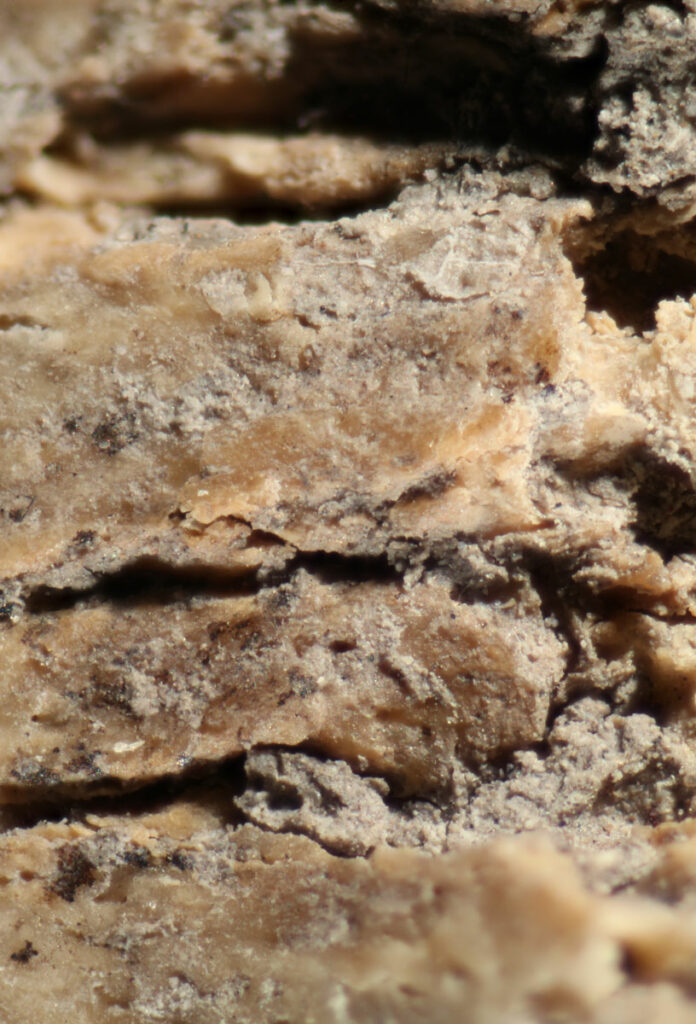
SOFIA, BULGARIA—According to a Live Science report, a review of information on butchered dog bones unearthed at 10 archaeological sites in Bulgaria indicates that early Iron Age Thracians occasionally consumed dog meat some 2,500 years ago. “Dog meat was not a necessity eaten out of poverty, as these sites are rich in livestock, which was the main source of protein,” said zooarchaeologist Stella Nikolova of the National Archaeological Institute with Museum of the Bulgarian Academy of Sciences. Most of the butchered dog remains at these sites had come from medium-sized dogs, who may have been kept as guard dogs, and the marks on their bones resemble those found on the remains of butchered sheep and cattle. “I don’t believe they were viewed as pets in the modern sense,” Nikolova explained. Yet dog bones made up only about two percent of the more than 80,000 animal bones uncovered at Emporion Pistiros, an Iron Age trade center in inland Thrace. Nikolova suggests that dog meat may have been reserved for traditional communal feasting at the site. She also notes that intact dogs were later buried at Pistiros, perhaps indicating a change in attitude. To read about a peculiar Roman vessel recovered from a Thracian grave in southeastern Bulgaria, go to "Bath Buddy."