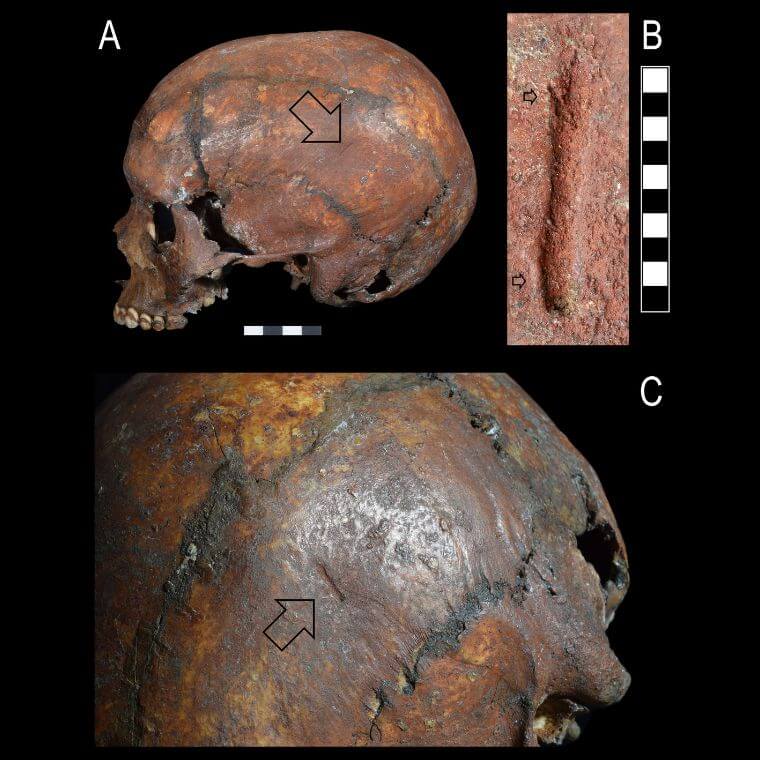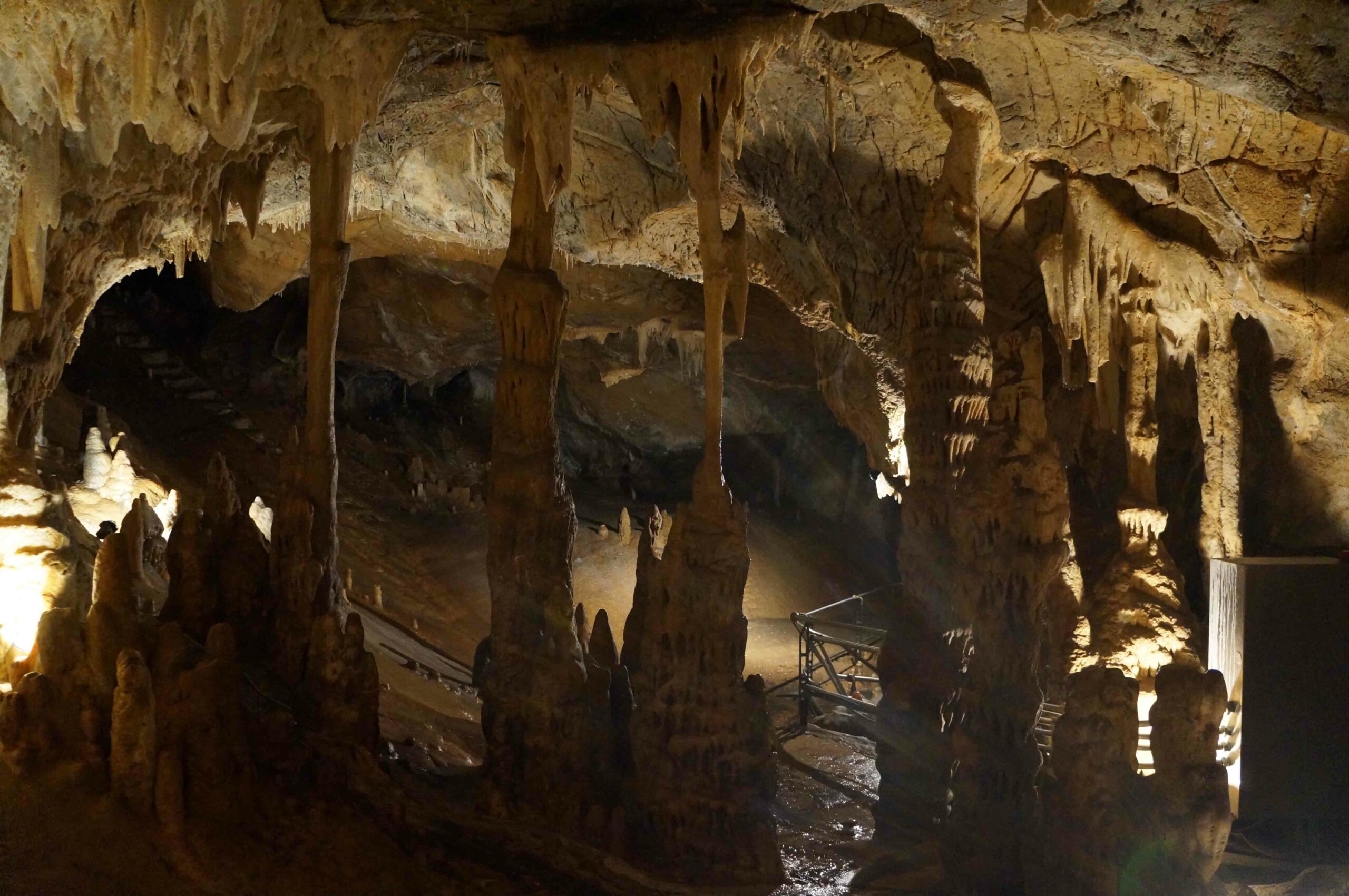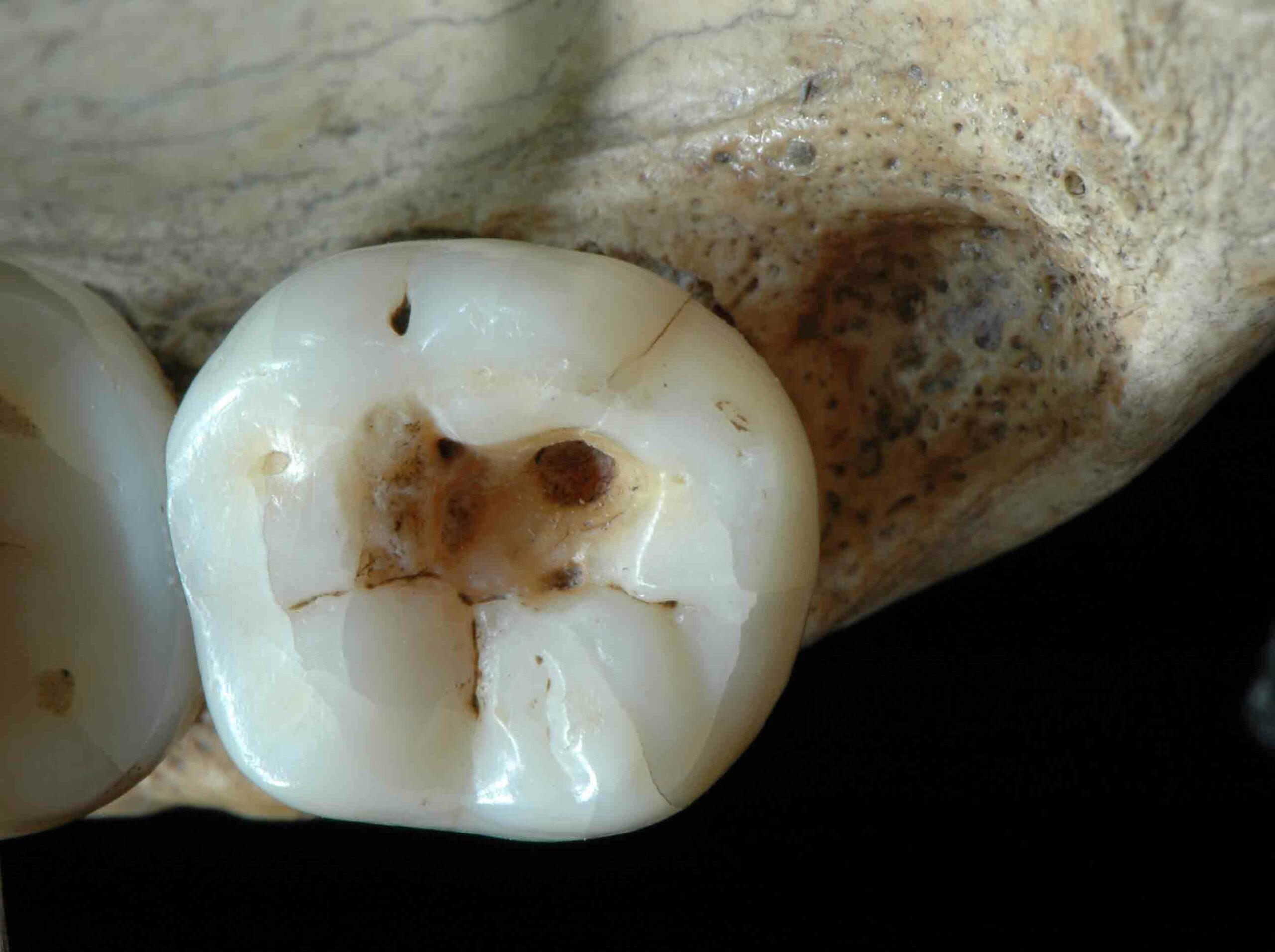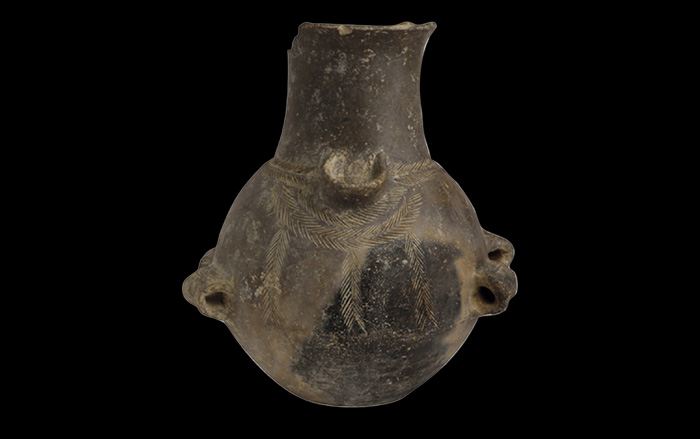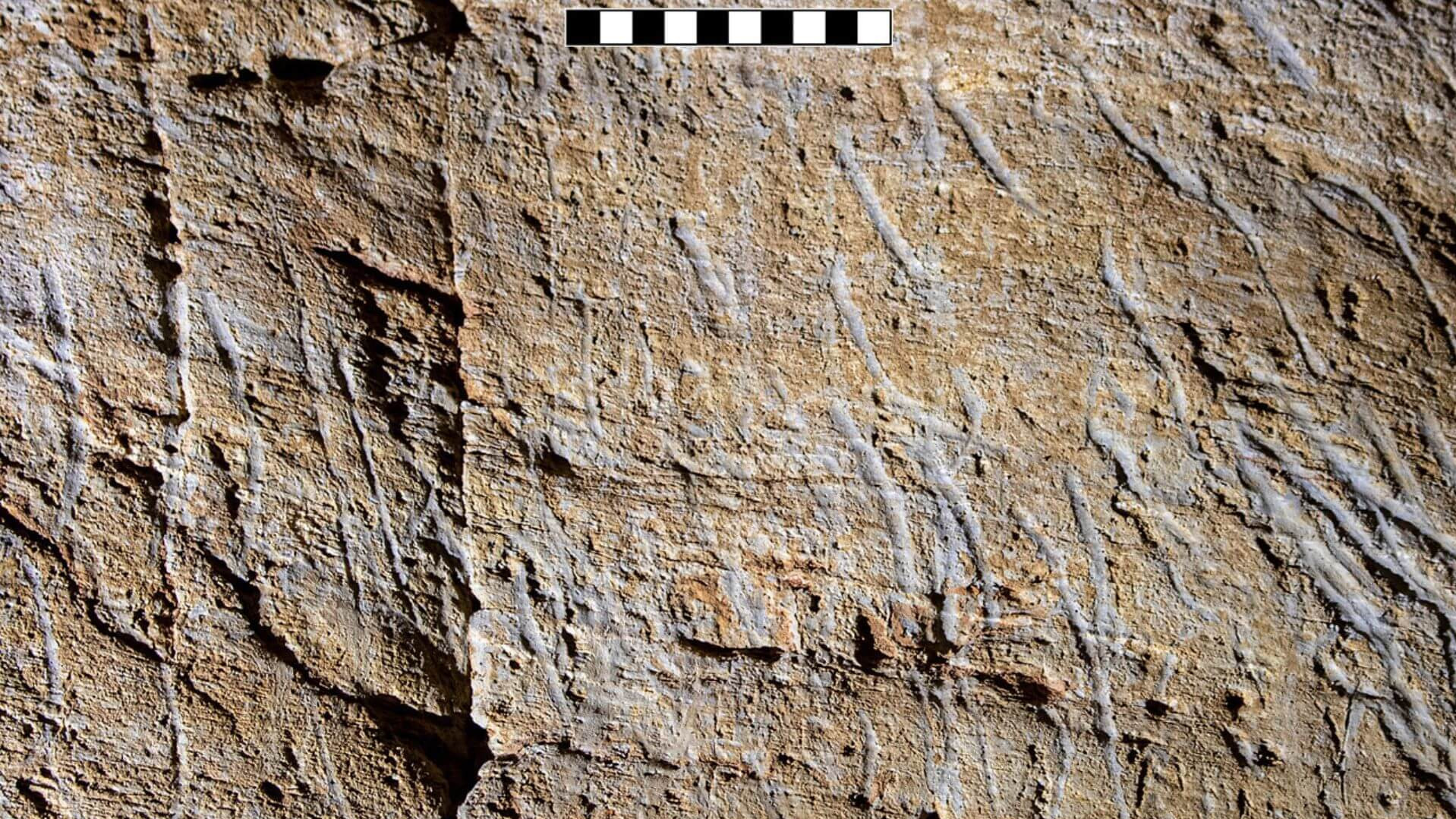
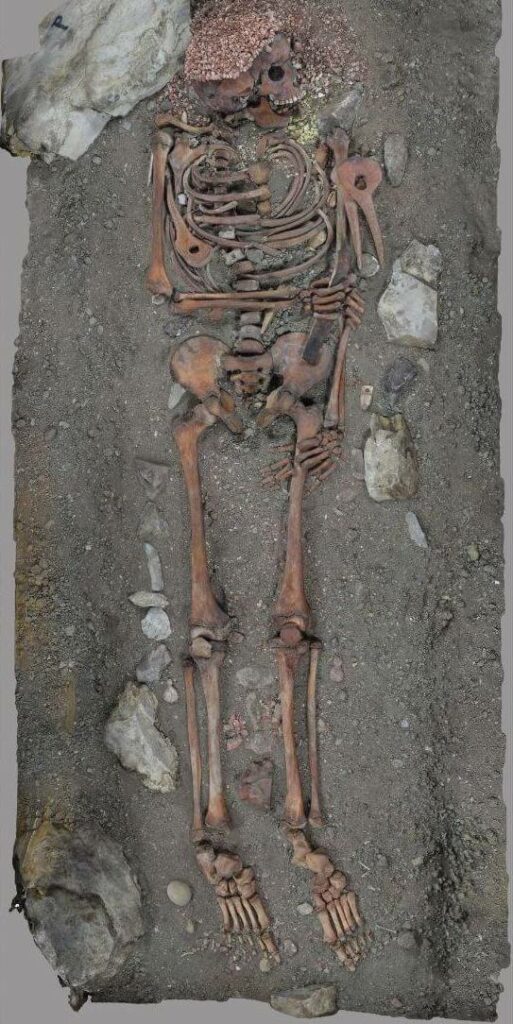
GENOA, ITALY—A Paleolithic teenaged boy whose remains were discovered in northwest Italy's Ardene Candide cave in 1942 immediately earned the nickname Il Principe, or “the Prince,” because of the richness of the grave goods found in his 27,500-year-old burial. Researchers noticed that he had also suffered traumatic injuries to his upper body, but at the time they were unable to establish exactly what had happened to him. According to a statement issued by the University of Montreal, an international team of researchers has finally determined that the young man was likely attacked by a bear. The team reexamined the boy’s skeletal remains, which are held in Genoa’s Museum of Ligurian Archaeology, and ascertained that wounds on his jawbone, collarbone, skull, upper arm, and vertebrae are consistent with a bear attack. Moreover, they found evidence that the teenager was also lame, which would have made it impossible for him to escape his assailant. There are some indications that the individual did survive the encounter and lived for another two or three days before finally succumbing to his injuries. The experts theorize that the local community was moved by the teenager’s agony, which is why they afforded him such an elaborate burial. His body was laid on a bed of red ocher and surrounded by an assortment of extravagant items, including deer antler batons, perforated shells, deer teeth, mammoth ivory pendants, and flint blades. Read the original scholarly article about this research in the Journal of Anthropological Sciences. To read about bear claw marks on the decorated walls of a cave in Spain, go to "Paleo Palette."