Spanish Castle Site Explored in Belgium

News February 24, 2026

Courtesy Robby Vervoort
SHARE:

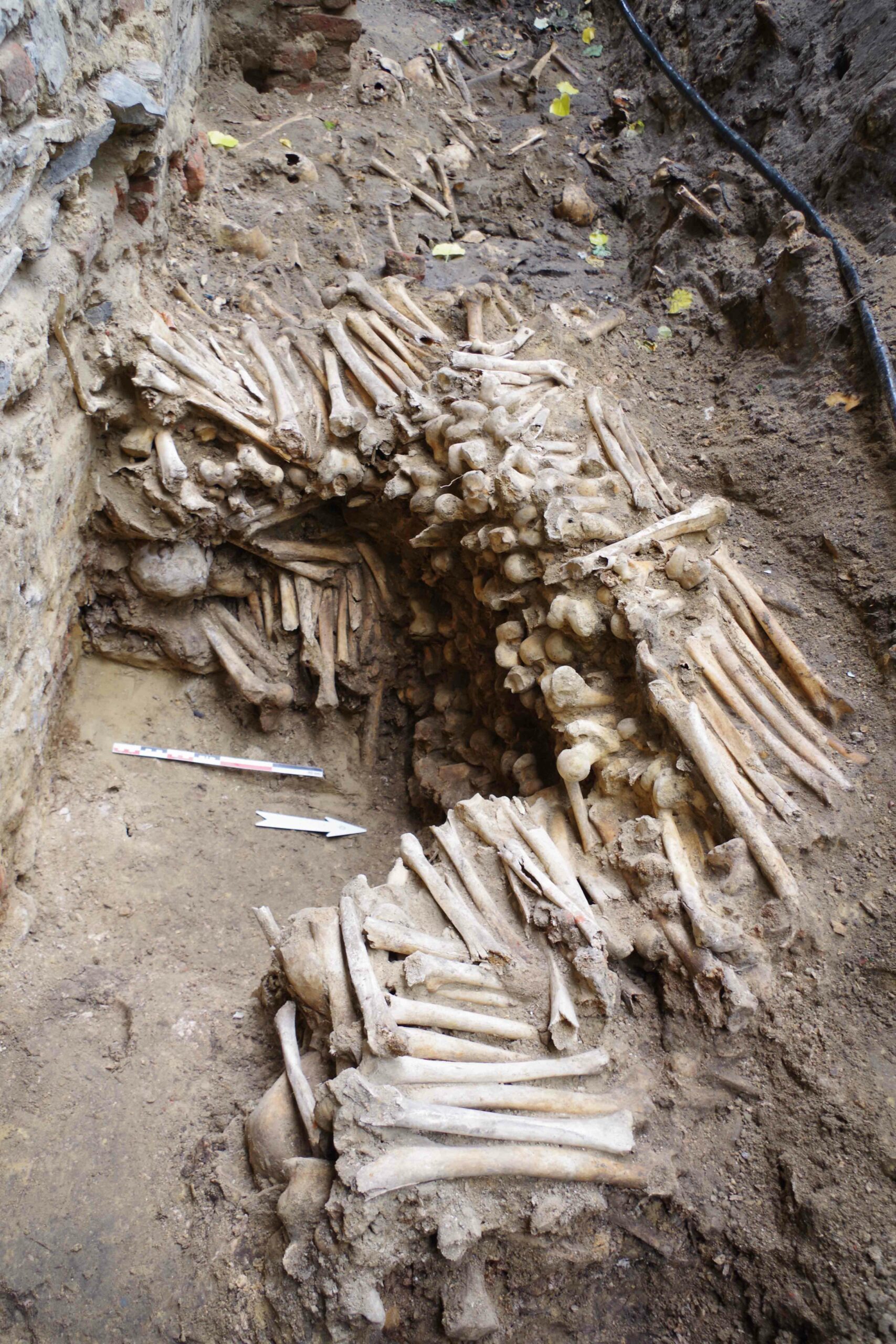
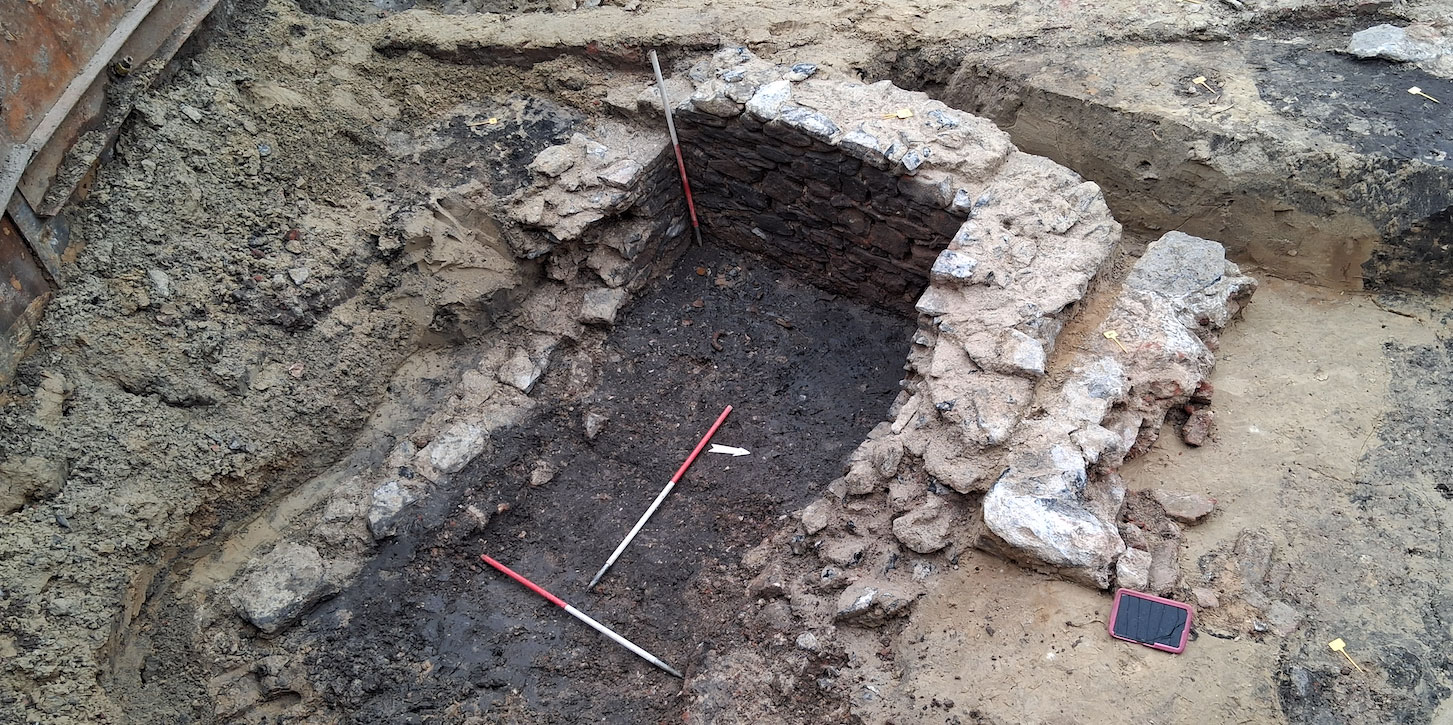
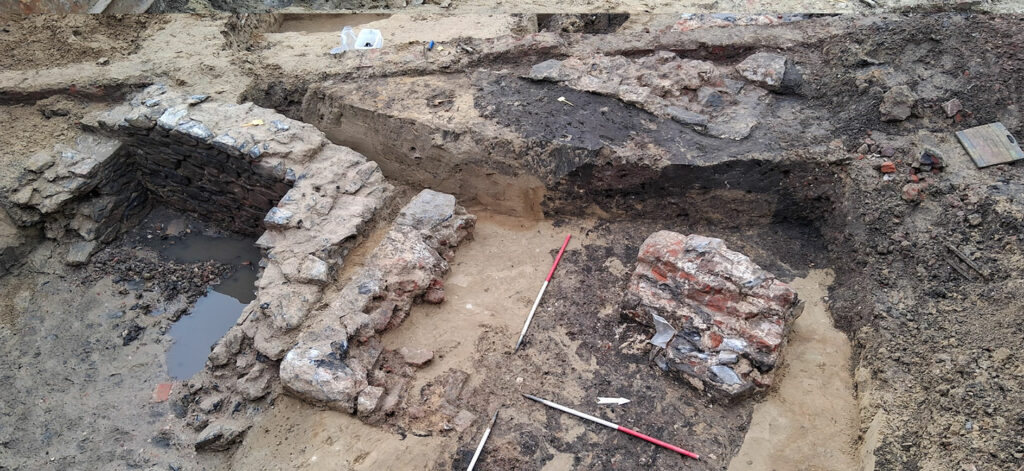
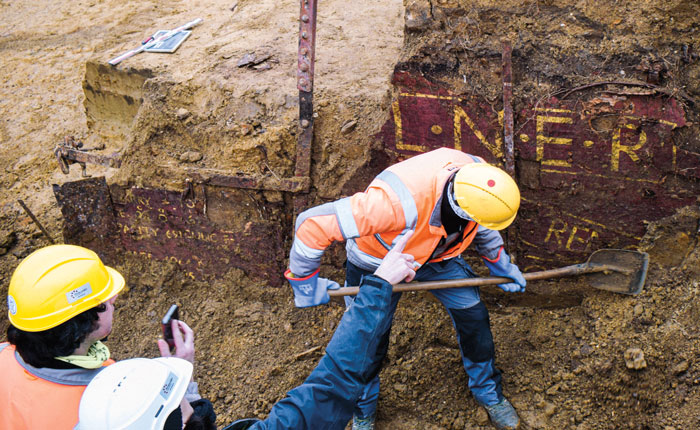
GHENT, BELGIUM—VRT News reports that traces of a fortress constructed by Holy Roman Emperor Charles V in the sixteenth century have been uncovered in northwestern Belgium, in an area slated for new construction. Charles V is said to have built the castle on the site of a seventh-century abbey after residents of Ghent rebelled against his imposition of higher taxes. The castle was eventually taken down in the nineteenth century to make way for other buildings. Archaeologist Robby Vervoort said that his investigation of the site revealed walls of the emperor’s former army quarters. “Presumably, the Spanish soldiers stayed here,” he explained. Vervoort and his colleagues have also discovered glass bowls, wine bottles, and a cesspit at the site. “We will be able to find out what the soldiers ate, based on the animal remains, seeds and plant pollen we find here,” he added. In addition, the researchers found human remains dated from the thirteenth through sixteenth centuries in the abbey cemetery, and pottery and building materials dating to the Roman period. To read in-depth about castle archaeology, go to "How to Build a Medieval Castle."
  • Features January/February 2026

    The Cost of Doing Business

    Piecing together the Roman empire’s longest known inscription—a peculiarly precise inventory of prices

    Read Article
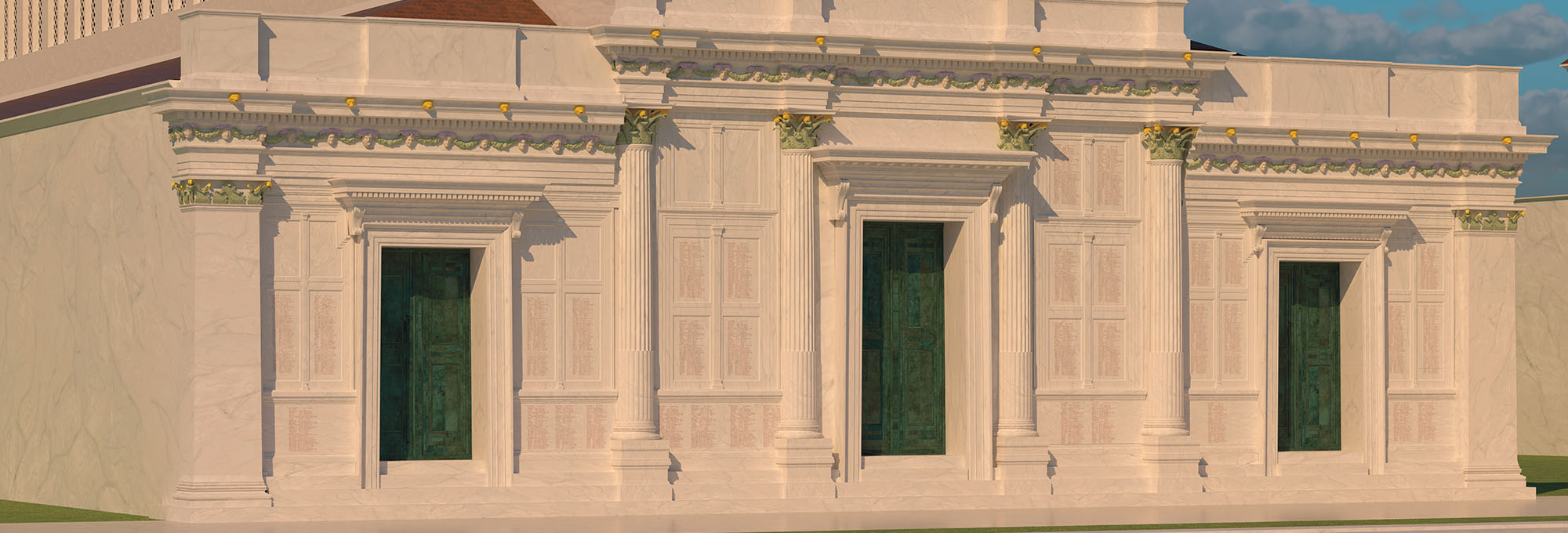
    A digital reconstruction shows how the Civil Basilica in the city of Aphrodisias in southwestern Anatolia would have appeared with the Edict of Maximum Prices inscribed on its facade.
    Ece Savaş and Philip Stinson
  • Features January/February 2026

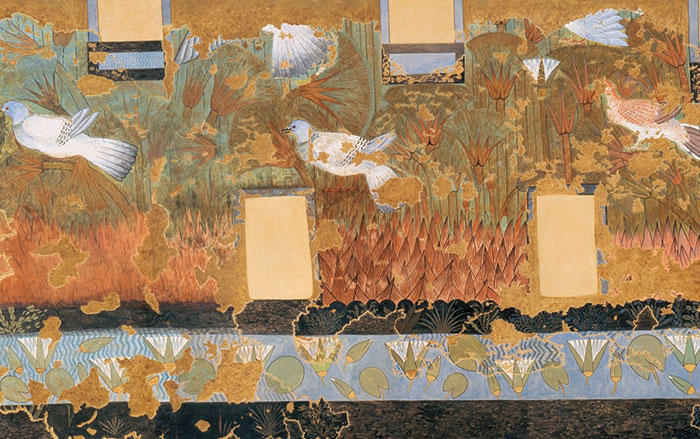
    The Birds of Amarna

    An Egyptian princess seeks sanctuary in her private palace

    Read Article
    The Metropolitan Museum of Art, New York/ Rogers Fund, 1930
  • Features January/February 2026

    Taking the Measure of Mesoamerica

    Archaeologists decode the sacred mathematics embedded in an ancient city’s architecture

    Read Article
    Courtesy Claudia I. Alvarado-León
  • Features January/February 2026

    Stone Gods and Monsters

    3,000 years ago, an intoxicating new religion beckoned pilgrims to temples high in the Andes

    Read Article
    The ritual center of Chavín de Huántar flourished in northern Peru.
    Courtesy John Rick