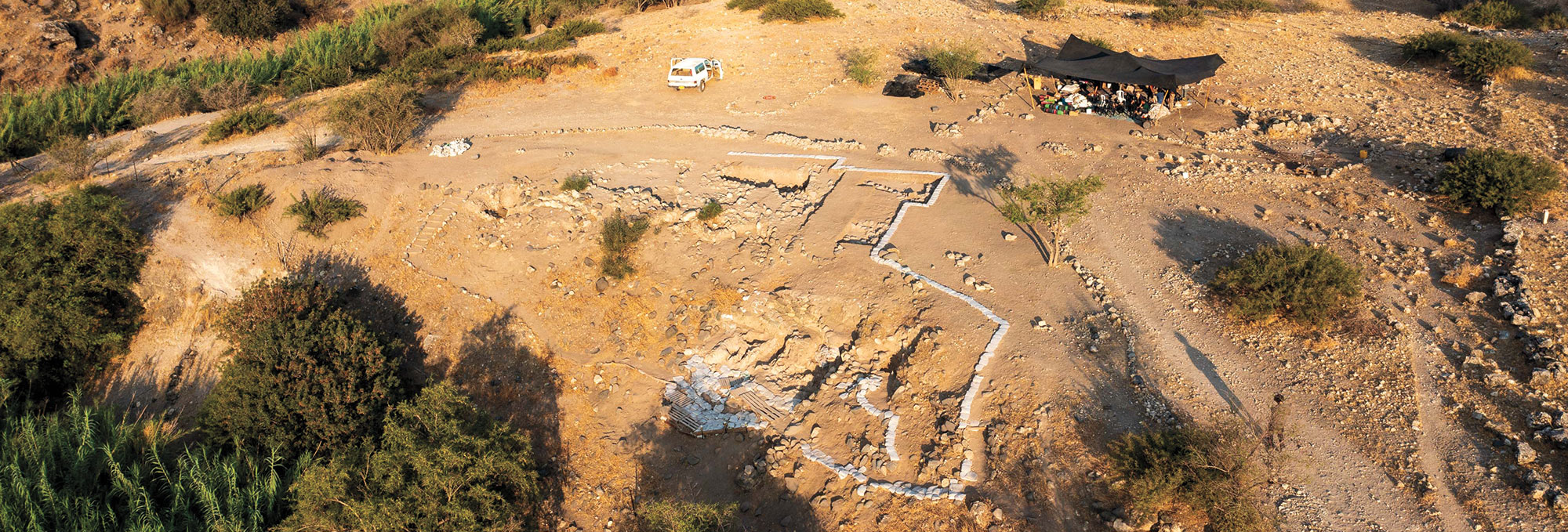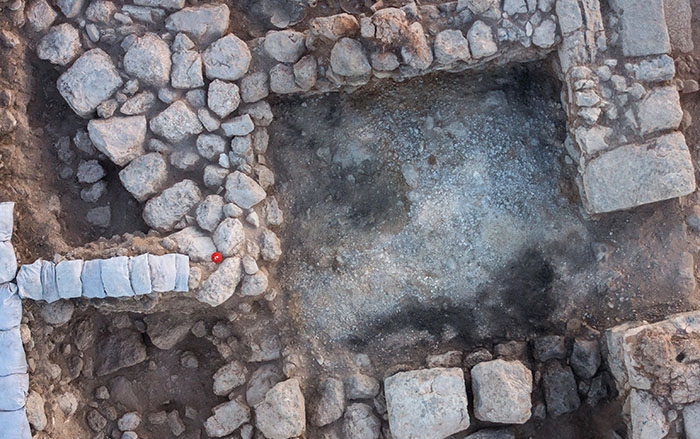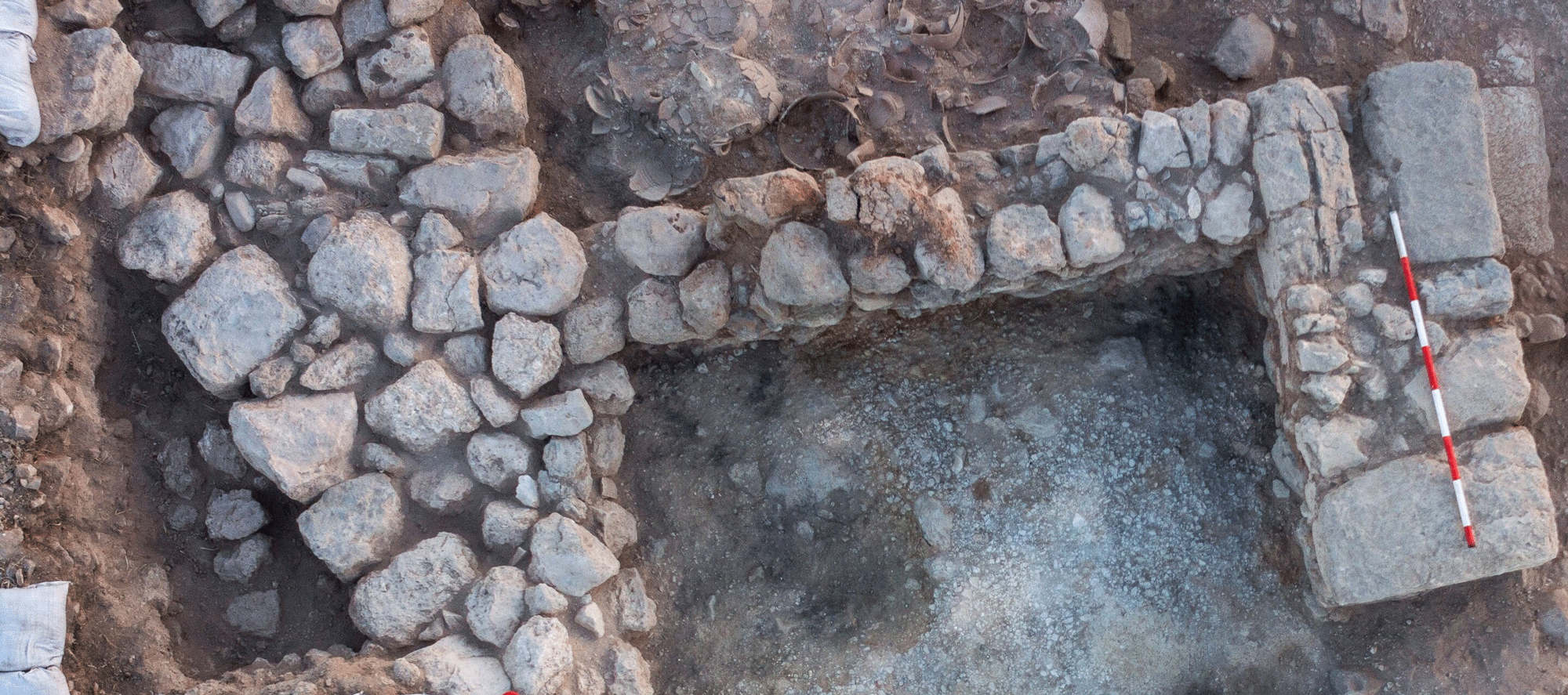
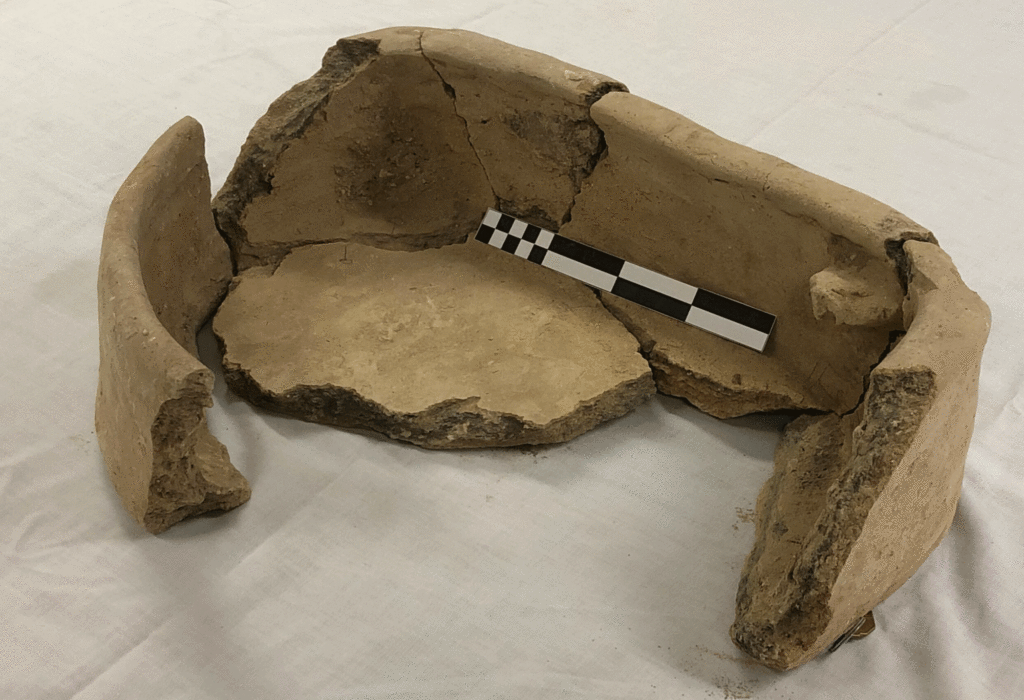
RAMAT GAN, ISRAEL—According to a statement released by Bar-Ilan University, archaeologist Avi Faust and his colleagues looked for evidence of older adult residents in a building at Tel ‘Eton, a site in south-central Israel. “By analyzing household artifacts rather than skeletal remains, we have a more effective way to identify elders and uncover their roles and influence within the family,” Faust said. In addition to the household artifacts, the team members examined the architecture and activity areas within the dwelling, which had multiple rooms, two floors, and was likely destroyed in the eighth century B.C. during an Assyrian military campaign. Faust and his colleagues also considered ethnographic data about the life of the elderly when interpreting the evidence. The study suggests that three generations of an extended family lived in the house, with a senior couple living and sleeping on the ground floor, in the largest room. The elders would therefore not have had to climb ladders to the rest of the sleeping quarters on the second floor. The researchers also note that this large room had a view of the courtyard and the entrances to the other rooms, perhaps for a matriarch to keep an eye on childcare, cooking, weaving, and other daily activities. Burnt cedar uncovered in the large room may have come from a special chair, while a footbath found there could have offered comfort to aching bones. Faust and his team members conclude that elders were active in this household, by managing resources, supervising domestic work, and maintaining family cohesion. To read more about Iron Age discoveries in Israel, go to "The Philistine Age."