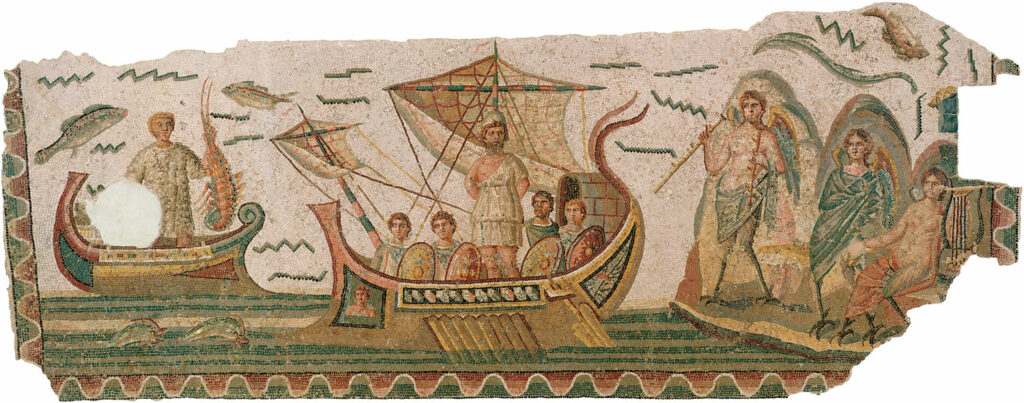
But come now, tell me about your wanderings; describe the places, the people, and the cities you have seen. Which ones were wild and cruel, unwelcoming, and which were kind to visitors, respecting the gods? And please explain why you were crying, sobbing your heart out when you heard him sing what happened to the Greeks at Troy. The gods devised and measured out this devastation, to make a song for those in times to come.
The Odyssey, book 8, lines 571–580, translated by Emily Wilson
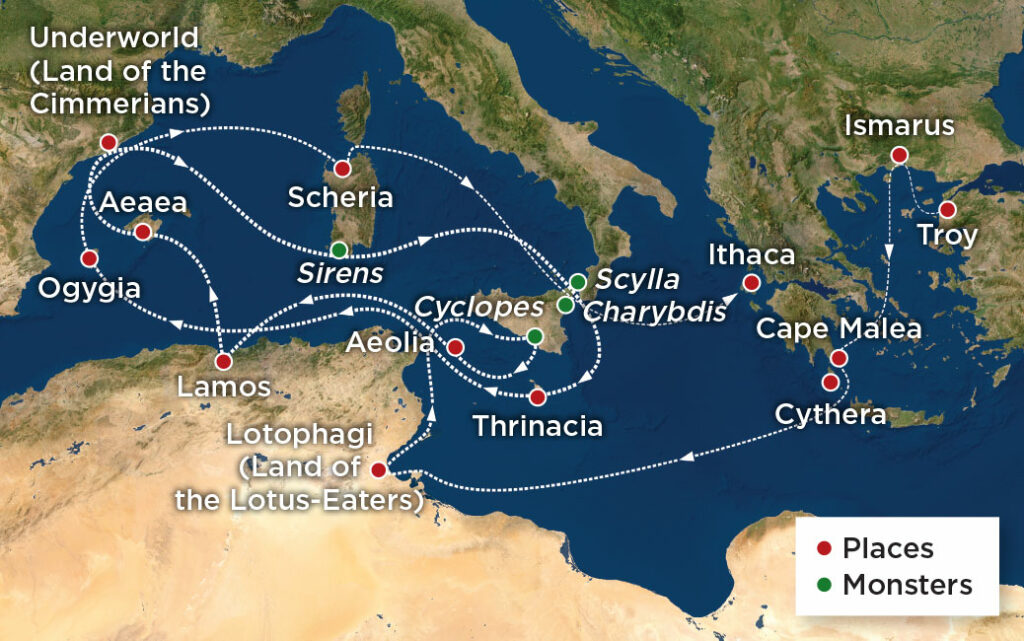
So speaks a royal host to the hero Odysseus as he tries to coax his famous guest to recount the events immortalized in the Iliad and the Odyssey, two of the greatest epic poems of the ancient Greek world, both said to be the works of the blind poet Homer. The Iliad is set in the last year of the Trojan War, a grueling decade-long conflict. This contest between the Trojans, led by their champion Hector, and a Greek army commanded by heroes such as Achilles, was incited by the abduction of the Greek queen Helen by Hector’s brother Paris. The Odyssey takes place after the war’s end and follows the circuitous journey of Odysseus from Troy to his home on the island of Ithaca, where his wife Penelope, son Telemachus, and dog Argos have awaited his return for 20 years. “While myth is the basis of the epics,” says archaeologist Kim Shelton of the University of California, Berkeley, “they include elements of historical memory as well.”
Texts unearthed at Hattusha, the capital of the Hittite Empire (ca. 1680–1200 b.c.), which was based in Anatolia, tell of a series of wars that took place in western Anatolia sometime between 1400 and 1200 b.c., during the Late Bronze Age. This is the period in which, according to the epics, the events of the Trojan War unfolded. “We can trace two hundred years of conflict involving a variety of opponents,” says University of Pennsylvania archaeologist C. Brian Rose. Beginning around 1200 b.c., bards sang of the exploits of these wars’ heroes from memory, preserving their stories through a dynamic oral tradition until they were compiled and written down in the late eighth century b.c. “At some point between 1200 and 800 b.c., this multitude of wars had crystallized into a single war lasting ten years between two primary sides,” says Rose. By the sixth century b.c., ancient writers had come to regard the two epics as the work of Homer. Though most modern scholars doubt a single poet wrote the works, they still refer to Homer as the embodiment of the complex oral tradition that produced the Iliad and the Odyssey.
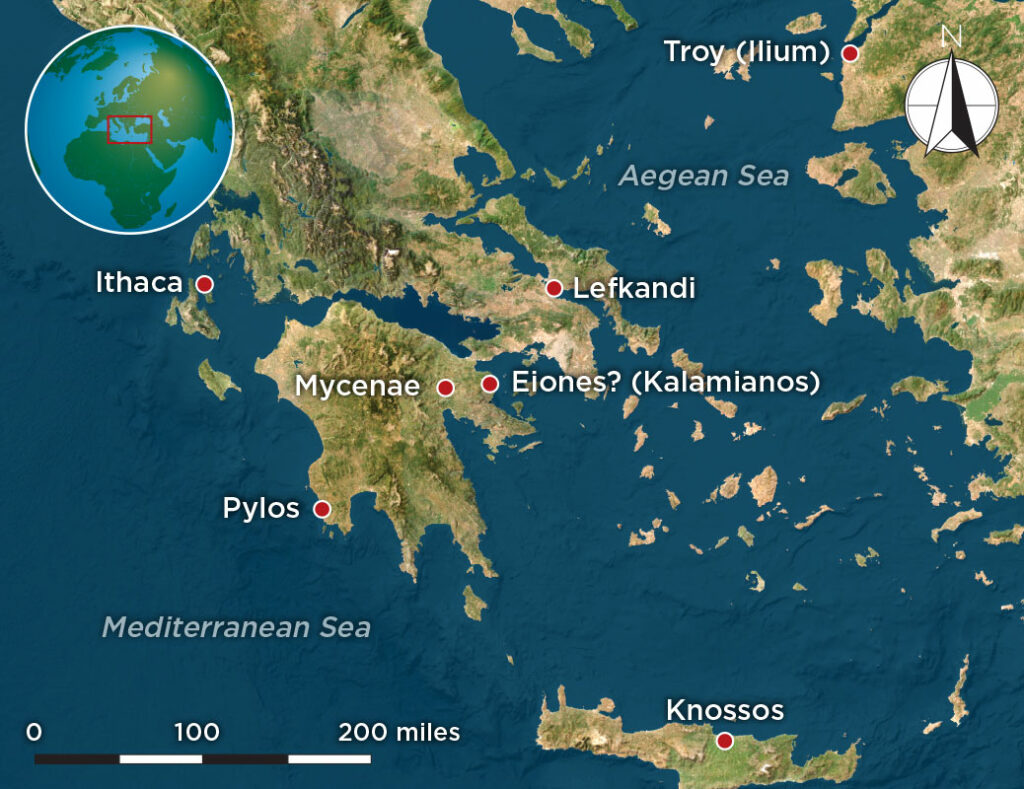
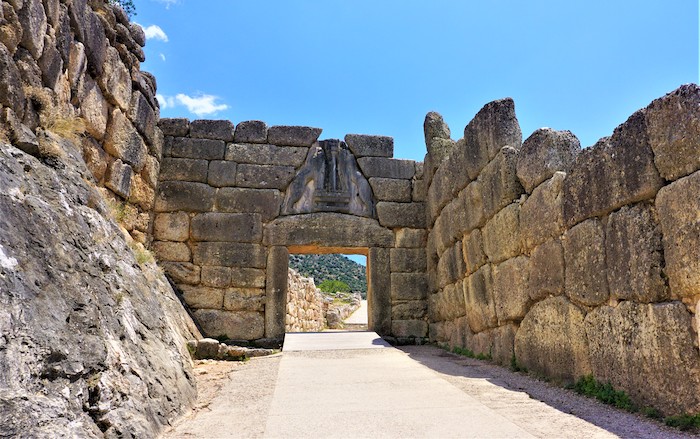
Both epics contain a mix of place-names, linguistic forms, and vocabulary that reflects the gradual process by which they were created beginning in the Late Bronze Age (ca. 1600–1200 b.c.) and continuing into the Iron Age (ca. 1200–700 b.c.). Some locales that appear in the Iliad, such as Mycenae, are known to have been great powers in Bronze Age Greece, while other places mentioned in the text flourished much later. For instance, Phrygia, the home of Hecuba, wife of the Trojan king Priam, was an unimportant kingdom in the Bronze Age. “By the eighth century b.c., when the Iliad was written down, Phrygia was the most powerful kingdom in Anatolia,” says Rose. Moreover, Greek names ending in “-eus” were highly unusual by the Iron Age. Thus, the moniker Odysseus was an anachronism by the time the poems were written down. Armor and weaponry described in the epics also represent an amalgam of types used throughout the Bronze and Iron Ages. What Homer calls tower shields, which covered a warrior’s entire body, were used in the Bronze Age, but were no longer part of an Iron Age warrior’s battle dress. On the other hand, the iron weapons wielded by the epics’ heroes were introduced long after the events supposedly took place.
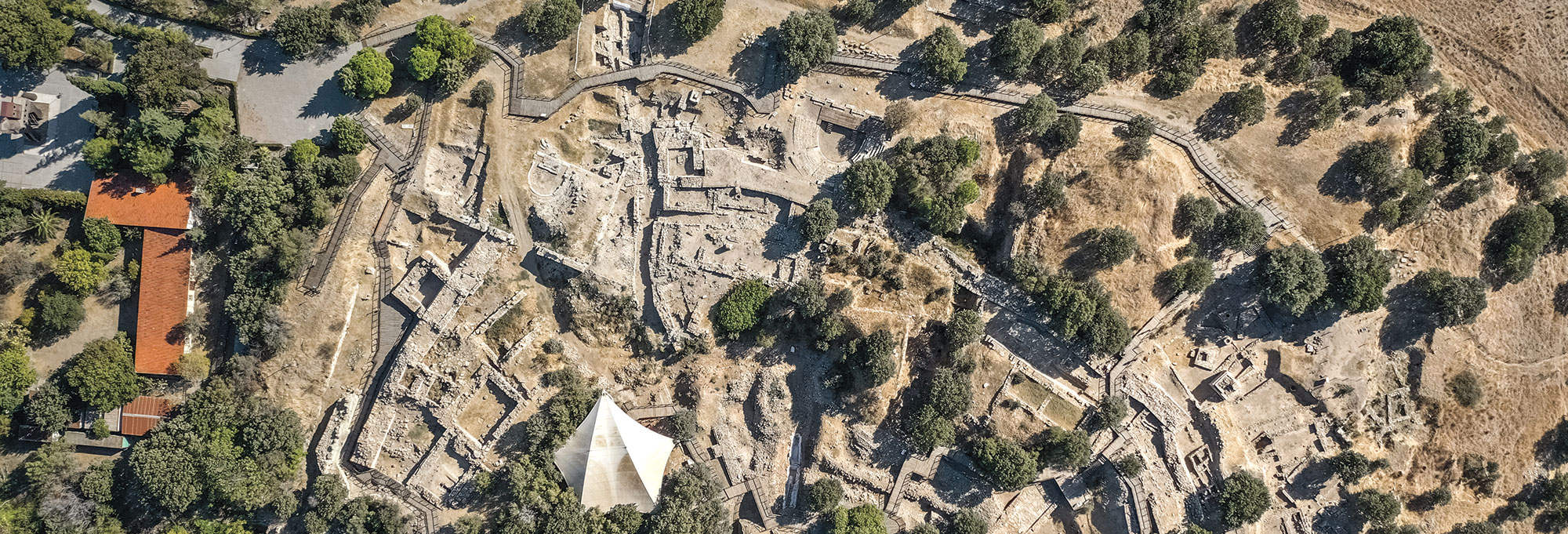
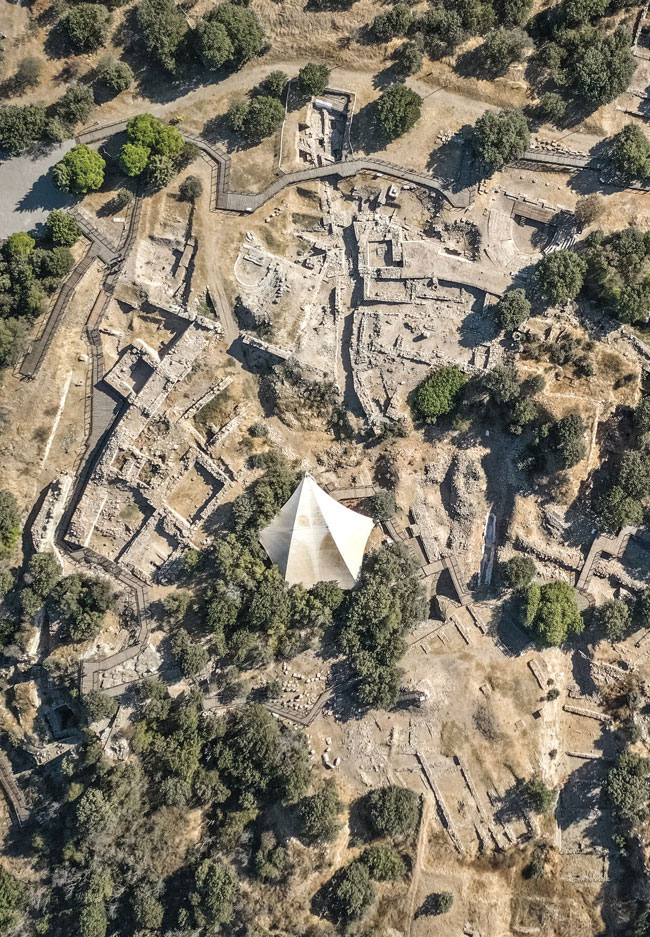
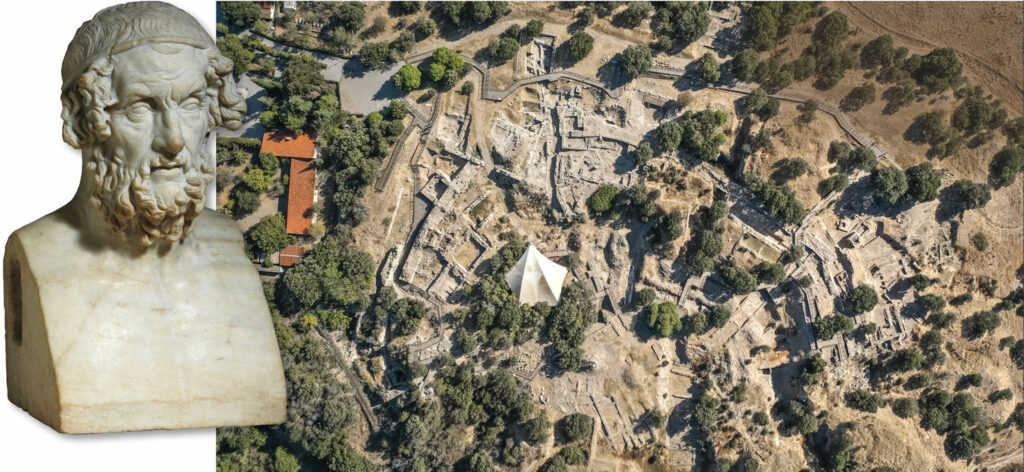
By the seventh century b.c., a mound in the western Anatolian town of Ilium, where Bronze Age fortification walls were still visible, had been identified as the site of Troy. Following Ilium’s rediscovery in the mid-nineteenth century, German archaeologist Heinrich Schliemann—with the Iliad in hand—began excavations there, searching for the places where heroes fell. Research at the site continues to this day, although archaeologists no longer follow Schliemann’s example. Instead, they compare the material evidence they unearth with the text. “There are clearly important parts of the poems, especially for the Bronze Age, whether language, names, or objects described, that inform us about the process of creating the written stories,” says Shelton.
Such was the reach and influence of the epics that researchers find tantalizing links to the stories at archaeological sites throughout the ancient Greek and Roman world. From mosaics depicting alternative versions of the Iliad, to tablets hinting at events described in the Odyssey, the archaeological record is as rich a source of knowledge of the realm of the Homeric heroes as the epics themselves.
-
The Unexpected World of the Odyssey May/June 2026
Birth of Spring
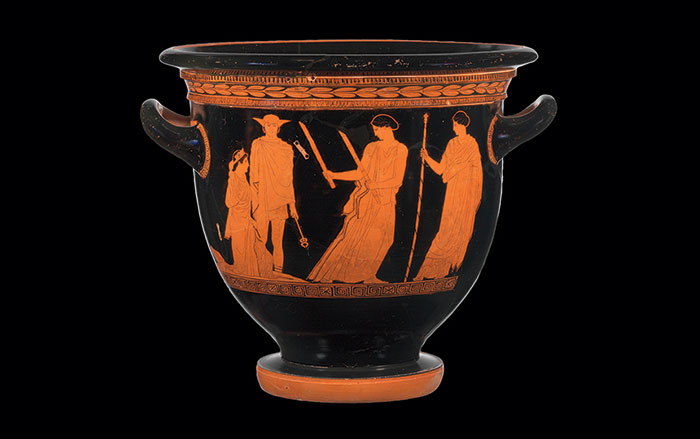 The Metropolitan Museum of Art, New York, Fletcher Fund, 1928
 -
The Unexpected World of the Odyssey May/June 2026
The Archer’s Tomb
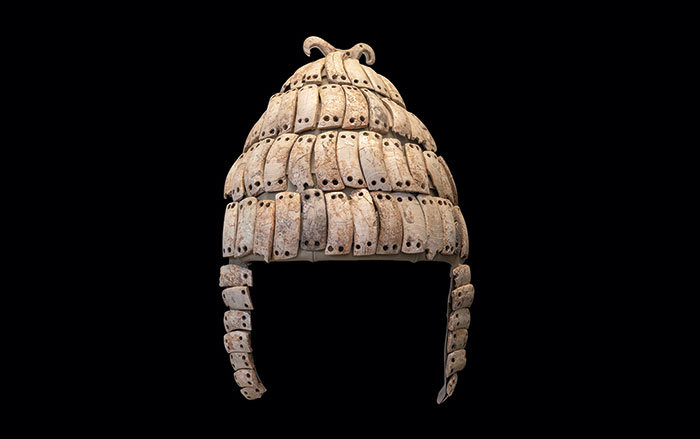 Manuel Cohen/Art Resource, NY
 -
The Unexpected World of the Odyssey May/June 2026
Another Trojan War?
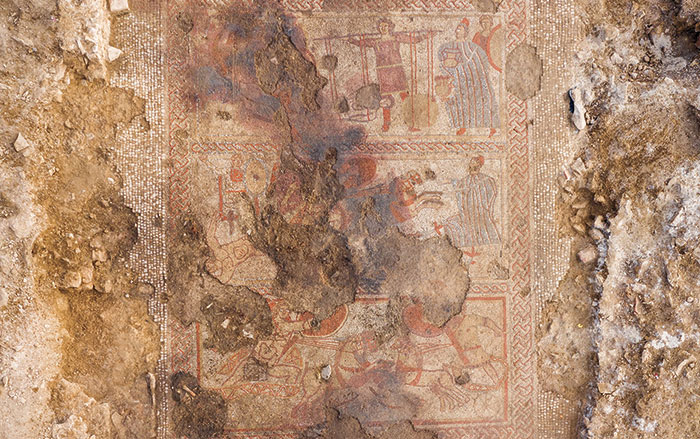 ©ULAS
©ULAS -
The Unexpected World of the Odyssey May/June 2026
The Science of Homer
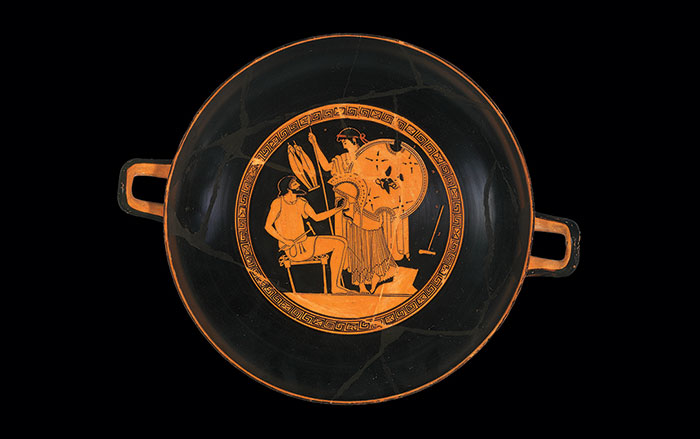 bpk Bildagentur/Antikensammlung, Staatliche Museen, Berlin, Germany/Johannes Laurentius/Art Resource, NY
 -
The Unexpected World of the Odyssey May/June 2026
A Supreme Spectacle
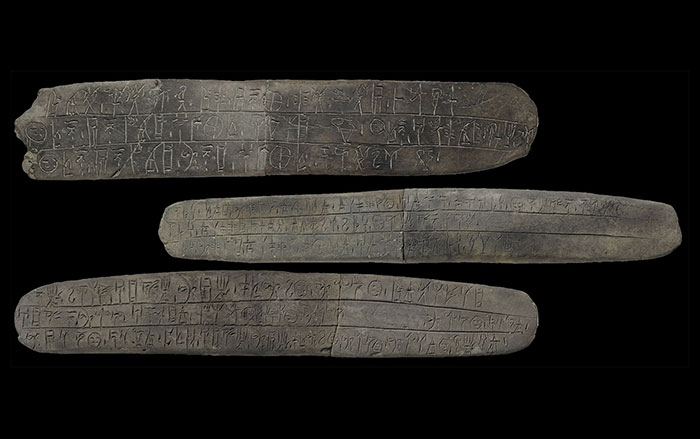 Photos by D. Nakassis and K. Pluta/The Pylos Tablet Digital Project, The Department of Classics, University of Cincinnati
 -
The Unexpected World of the Odyssey May/June 2026
Hometown Hero
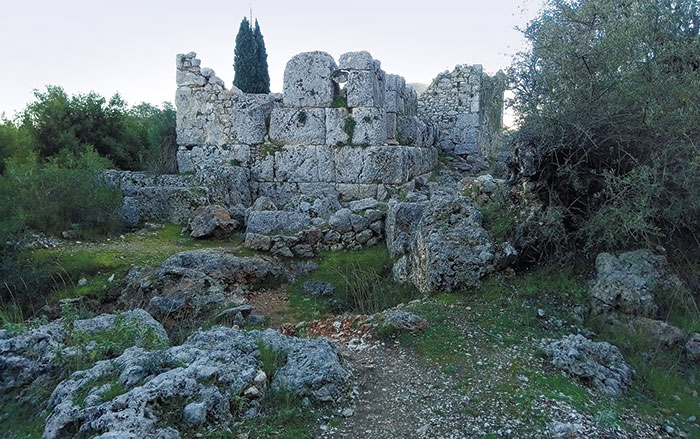 Photo by Christina Marabea
 -
The Unexpected World of the Odyssey May/June 2026
Maritime Mycenaeans
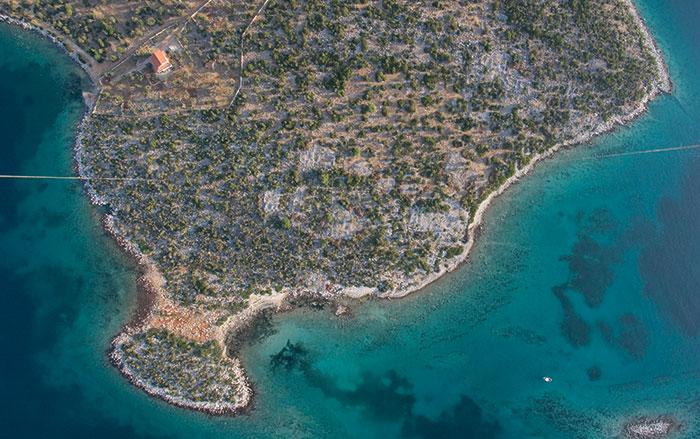 Balloon photo by K. Xenikakis and S. Gesafides, © SHARP
 -
The Unexpected World of the Odyssey May/June 2026
Trojan Tourist Trap
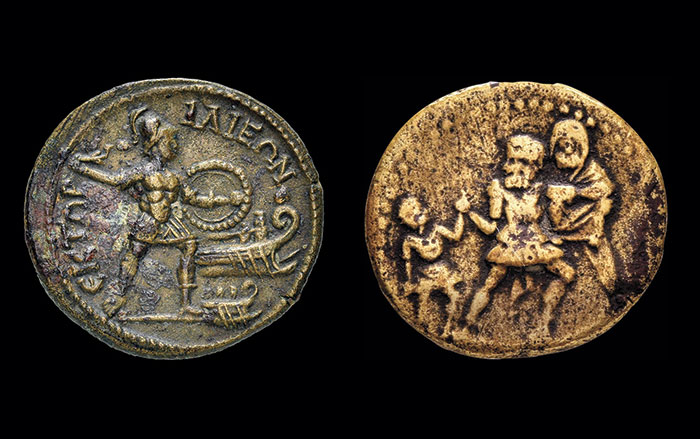 Bernhard Weisser, Münzkabinett der Staatlichen Museen, Berlin, 18222912; Bernhard Weisser, Münzkabinett der Staatlichen Museen, Berlin, 18317099
 -
The Unexpected World of the Odyssey May/June 2026
Exploring the Age of Homer
 Wikimedia Commons