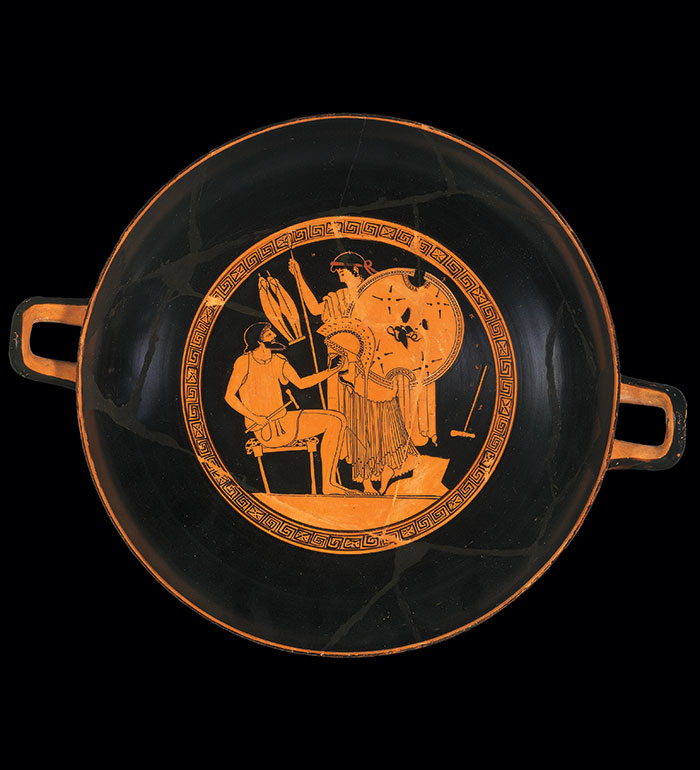
In the Homeric epics, deities possess the power to influence nature. After Odysseus blinds the Cyclops Polyphemus in the Odyssey, the one-eyed beast’s father, the sea god Poseidon, summons a series of violent storms to impede the Greek hero’s journey home to Ithaca. And, in the Iliad, the god Apollo causes a plague by showering the Greek army with infected arrows as punishment for dishonoring his priest. Yet, argues Johns Hopkins University classicist Maria Gerolemou, the epics are the earliest known works of Greek literature to convey a sense of wonder at the workings of a natural world that operates according to its own forces and logic independent of divine intervention. Along with this sense of wonder, Gerolemou says, a “protoscientific” worldview develops—an attempt to understand these forces and logic and harness them through the marvels of technology.
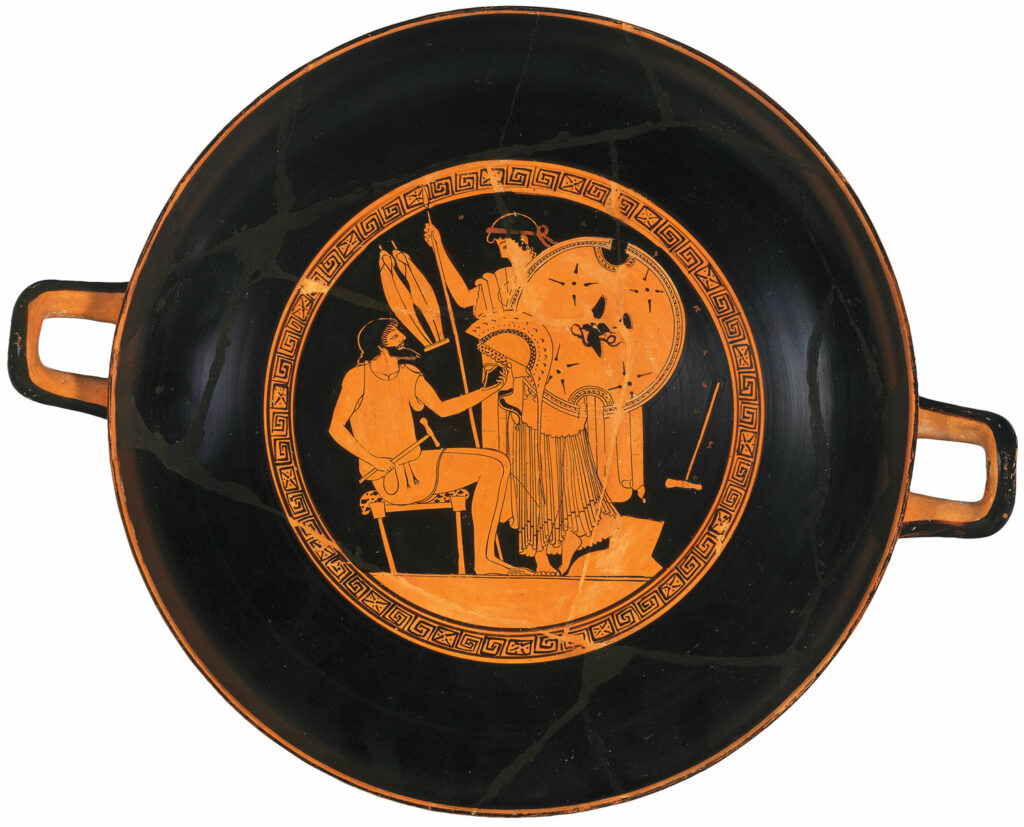
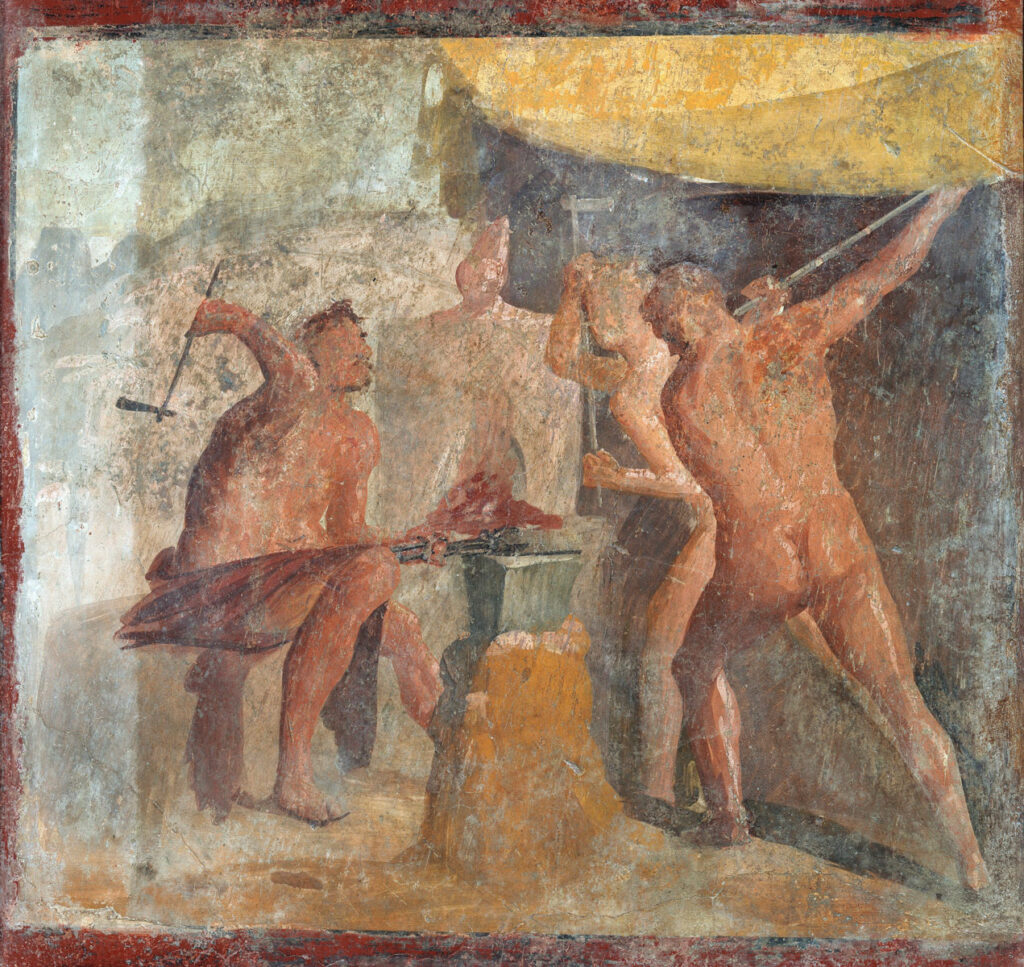
A telling example of this blend of scientific inquiry and technological wizardry is provided by the various types of automaton designed in the Iliad by Hephaestus, the god of artisanship. In his workshop, Hephaestus fashions tripods that can move of their own accord, sets of bellows that stoke the fire, and handmaids cast from gold that are indistinguishable from living girls. Once he has made them, however, these creations are no longer under the god’s control. They function according to their own power, akin to natural phenomena such as the blooming of a flower. Hephaestus’ automatons also offer a means of investigating the workings of nature. “By manufacturing and marveling at something that imitates and replicates natural forces,” says Gerolemou, “Hephaestus isolates and identifies those natural forces as something specific—as a force, not as something divine.”