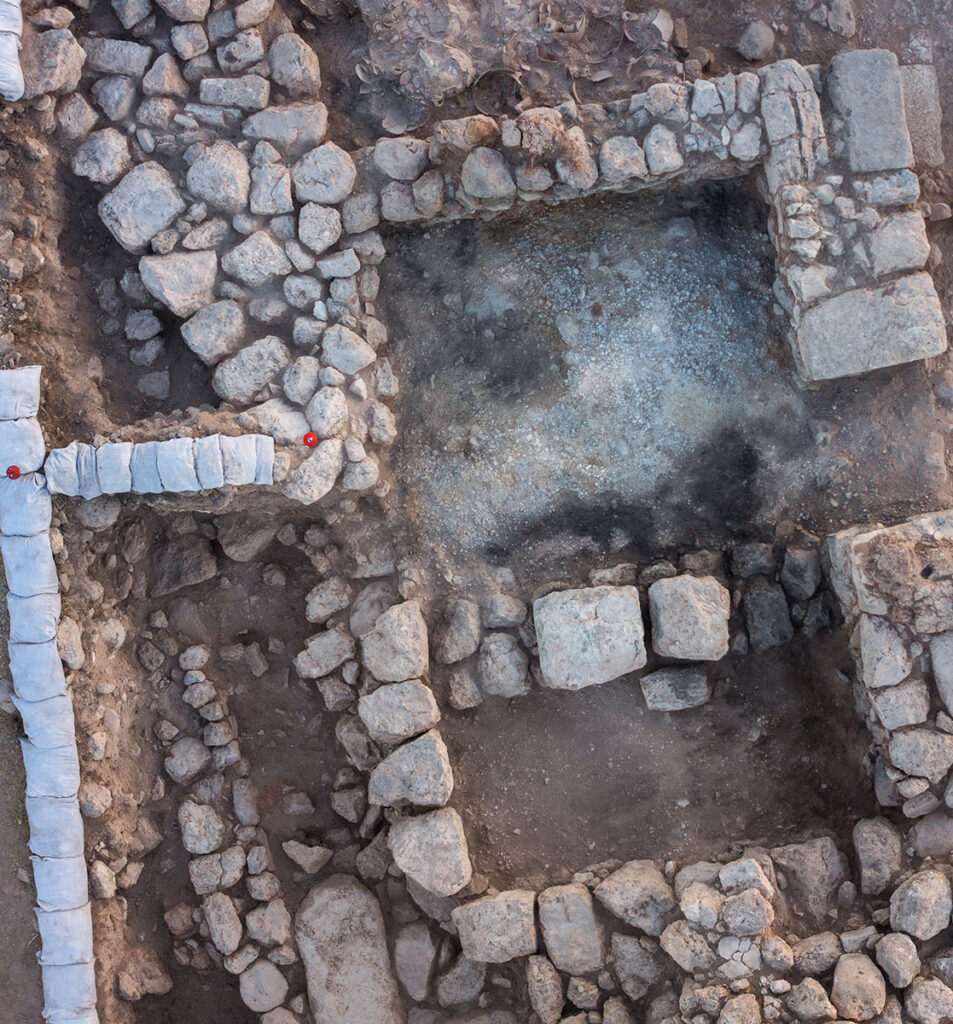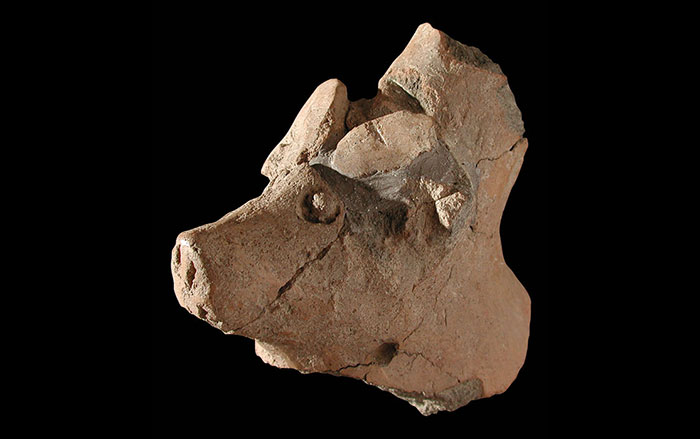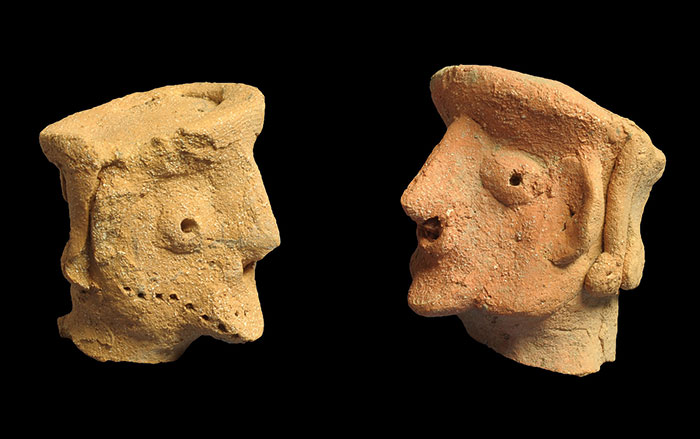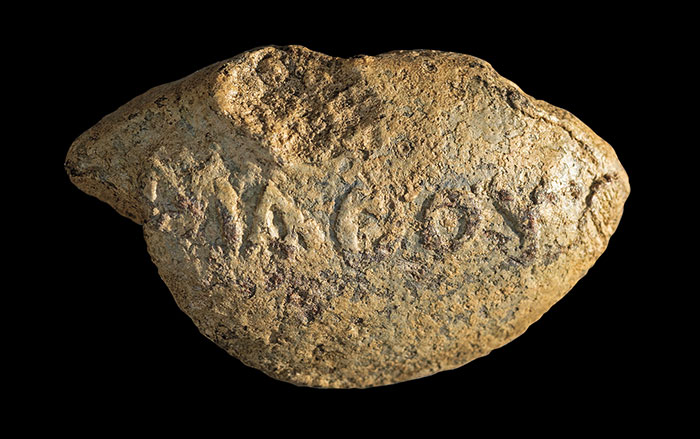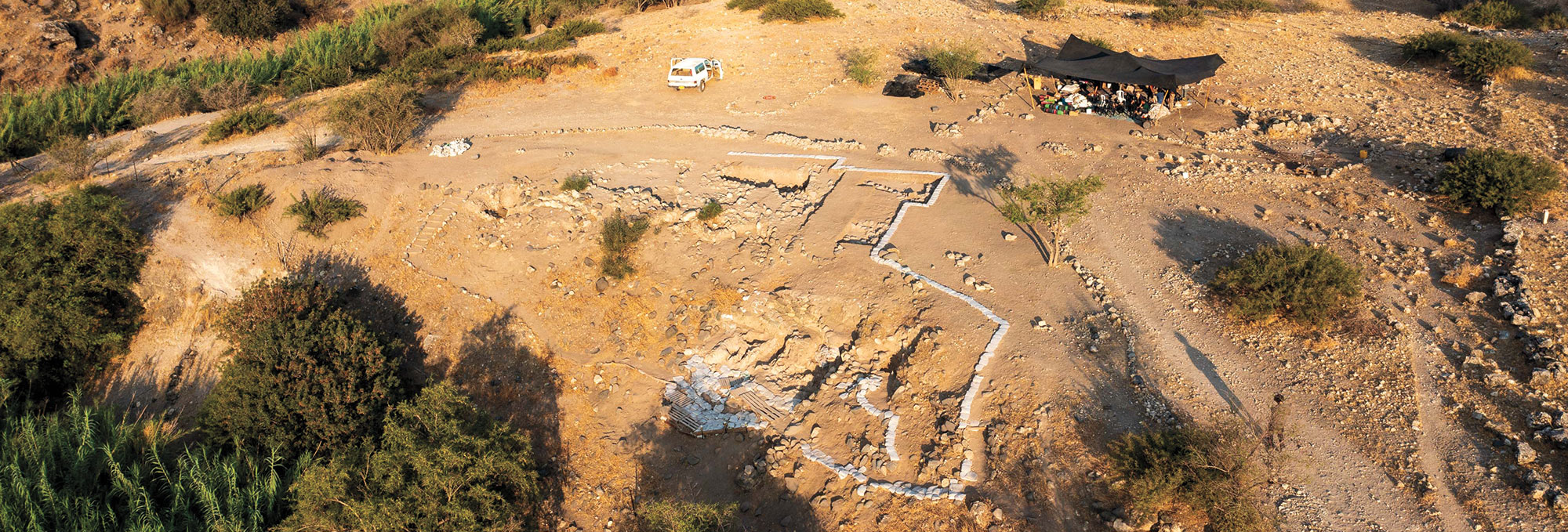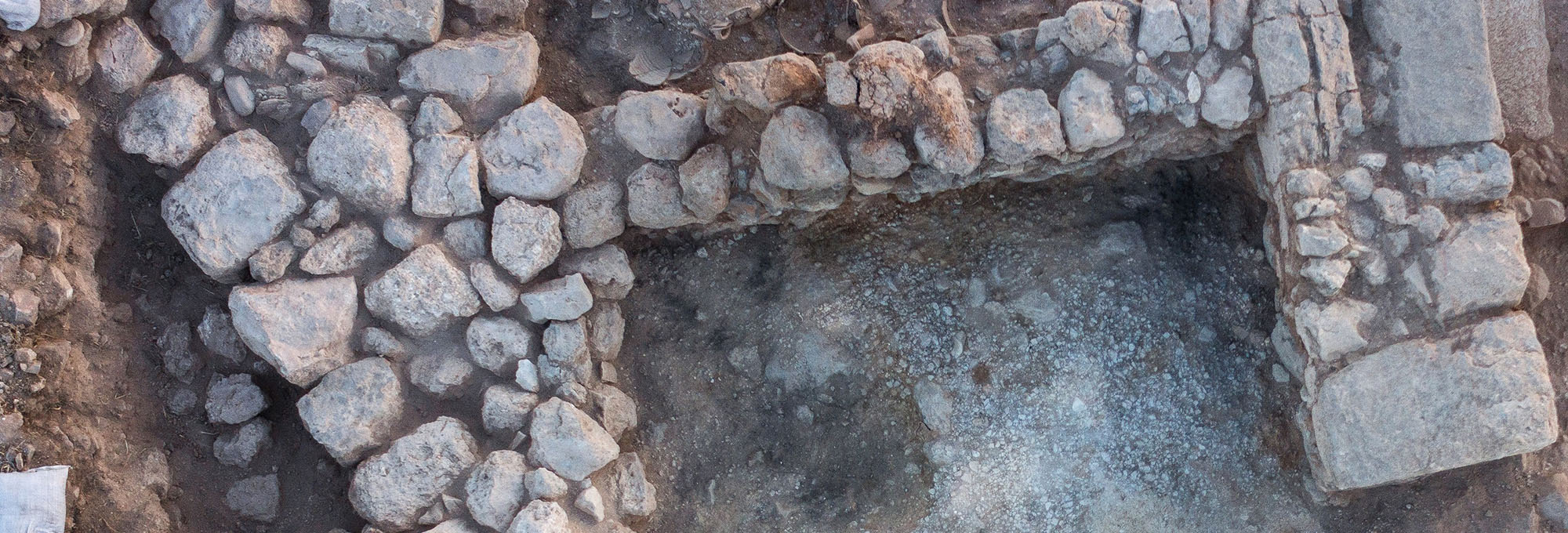
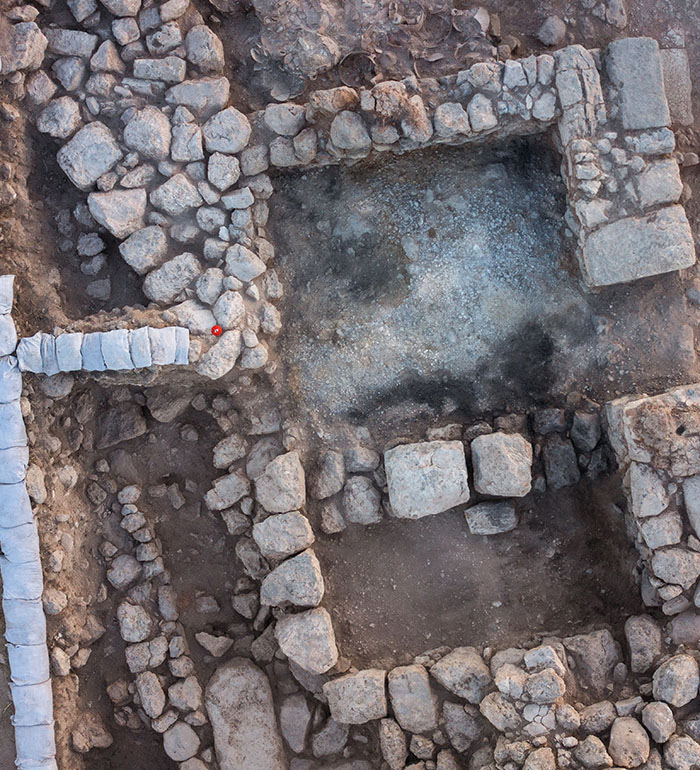
Excavation of an Iron Age (ca. 1200–586 b.c.) house in Israel has shed light on how some ancient cultures set aside space for the elderly, a demographic archaeologists often overlook. At the site of Tel ’Eton, the team uncovered the remnants of a two-story residential complex that was destroyed during an Assyrian military campaign in the eighth century b.c. While little remained of the upper level, archaeologists determined that some spaces on the ground floor were dedicated to storage, food preparation, and other domestic activities. Only one large area was used as a bedroom. “The fact that this was the only living and sleeping room on the ground floor forced me to think about the room’s inhabitants,” says archaeologist Avraham Faust of Bar-Ilan University.
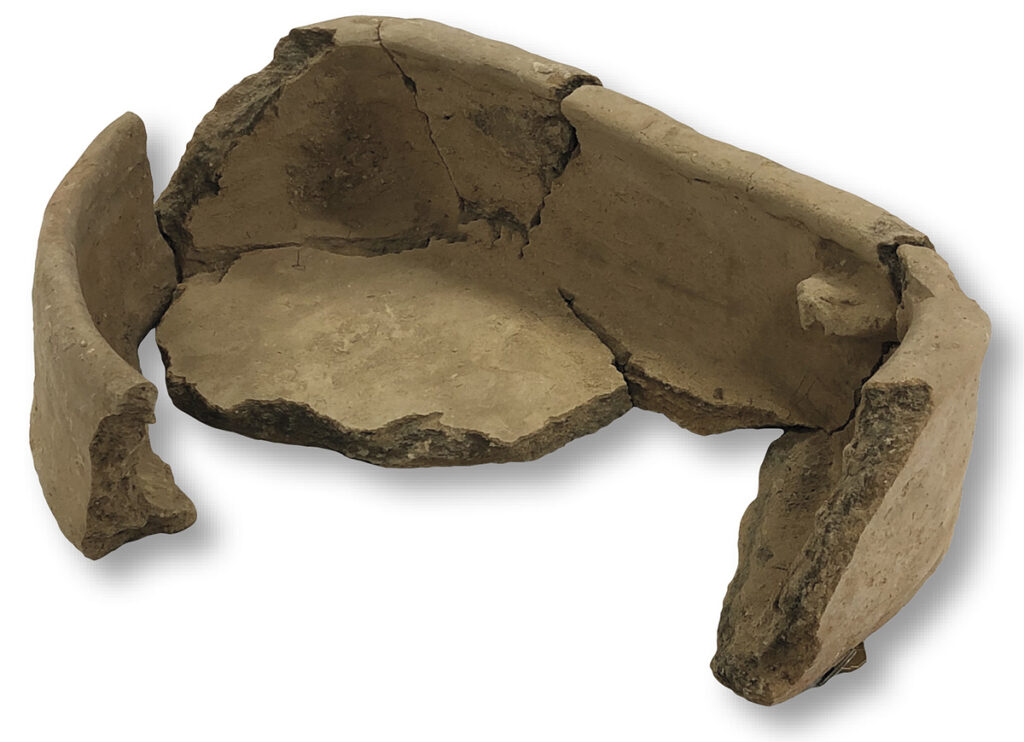
Faust concluded that the bedroom’s occupants were likely the patriarch and matriarch of a multigenerational family living under one roof. Most of the family would have slept in upstairs bedrooms accessible only by ladders. The elderly heads of the family, who may have been unable to climb ladders, were given the first-floor bedroom. Artifacts found in the room include a ritual footbath used while hosting guests and to wash one’s feet before meals and bedtime. Footbaths were generally associated with people of higher status, such as the heads of a wealthy household. “This is a rare attempt to identify the aged within a domestic context,” says Faust. “It gives us a glance at the role the elderly couple played within their extended family and at their lived experience, providing us with some insights into this important social category.”