

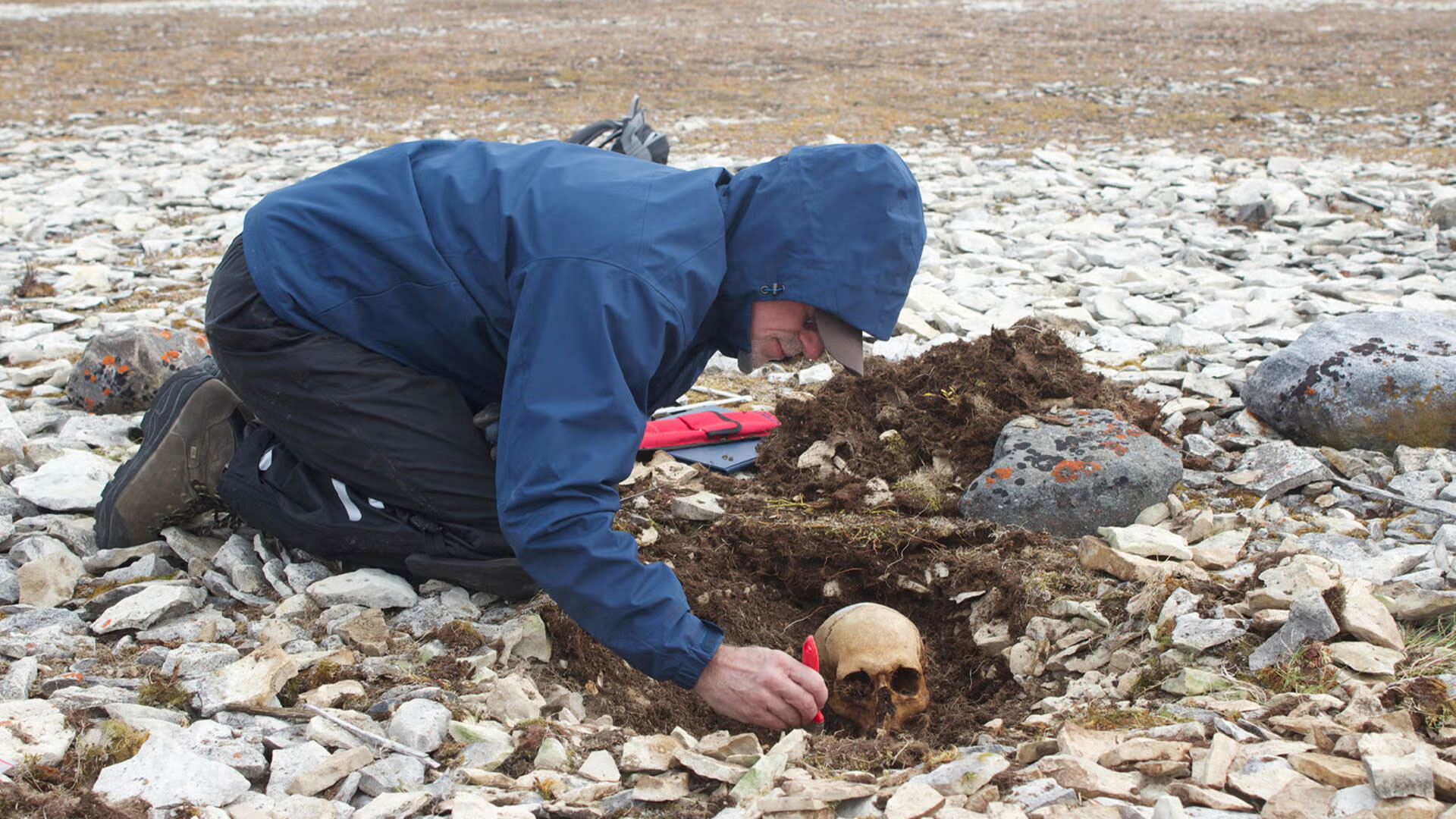
ONTARIO, CANADA—The remains of another four sailors from the Franklin Expedition have been identified through DNA matches with living descendants, according to a Live Science report. Led by Sir John Franklin, the expedition left England in 1845 on two ships to travel the Canadian Arctic and look for a route to connect the Atlantic and Pacific Oceans. All 129 men were lost by 1848. William Oren, a seaman; David Young, a boy first class; and John Bridgens, a subordinate officer’s steward, all sailed on HMS Erebus and died at Erebus Bay. The fourth man, Harry Peglar, was Captain of the Foretop on HMS Terror. His body was found about 125 miles from where the icebound ships had been abandoned, indicating that he had traveled a long way before he died alone. Papers belonging to Peglar were found on another man’s body in 1859. “For the living descendants, these findings provide previously unavailable details regarding the circumstances and locations of their relatives’ deaths, as well as the identities of some of the shipmates who died with them,” said Douglas Stenton of the University of Waterloo. Read the original scholarly articles about this research in the Journal of Archaeological Science: Reports and Polar Record. To read more about the process of identifying victims of the Franklin Expedition, go to "Grim Evidence from the Arctic," one of ARCHAEOLOGY's Top 10 Discoveries of 2024.
Remains of Additional Sailors from Doomed Franklin Expedition Identified
News May 11, 2026
Recommended Articles
Top 10 Discoveries of 2024 January/February 2025
Grim Evidence from the Arctic
King William Island, Canada
Top 10 Discoveries of the Decade January/February 2021
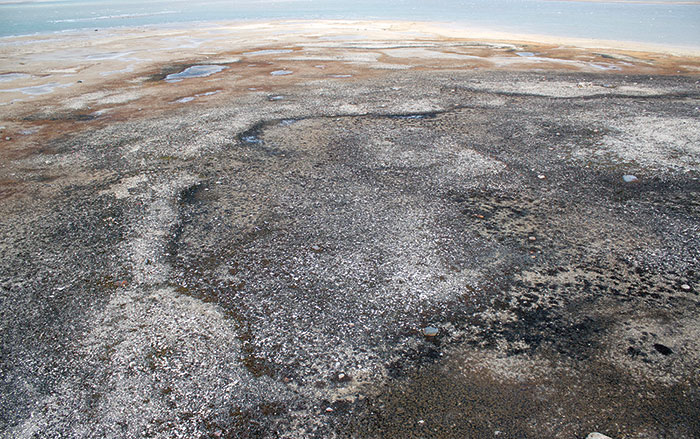
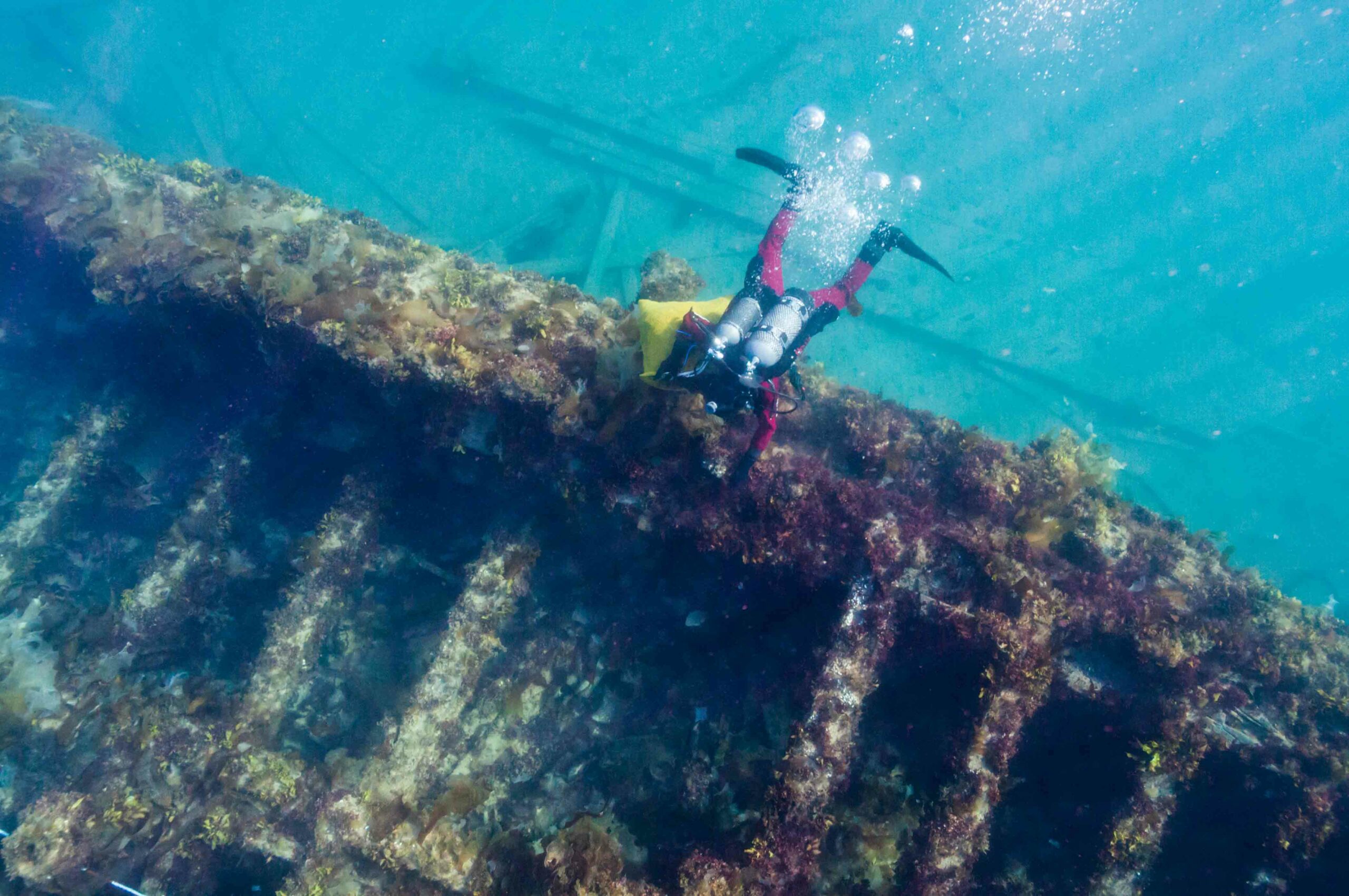
The Wrecks of Erebus and Terror
Arctic Circle, Canada, 2014
Digs & Discoveries January/February 2017
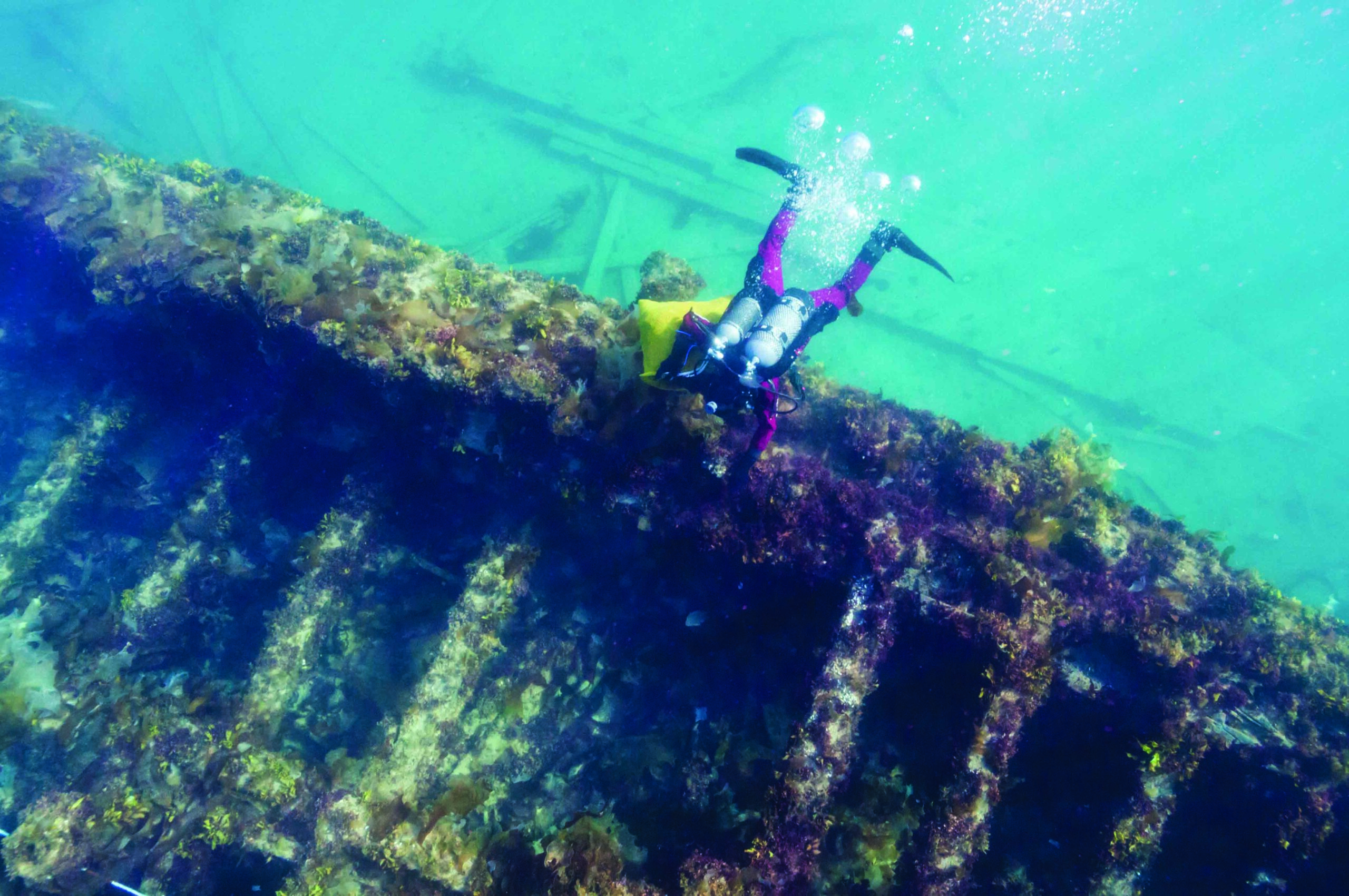
Discovering Terror
Features July/August 2016
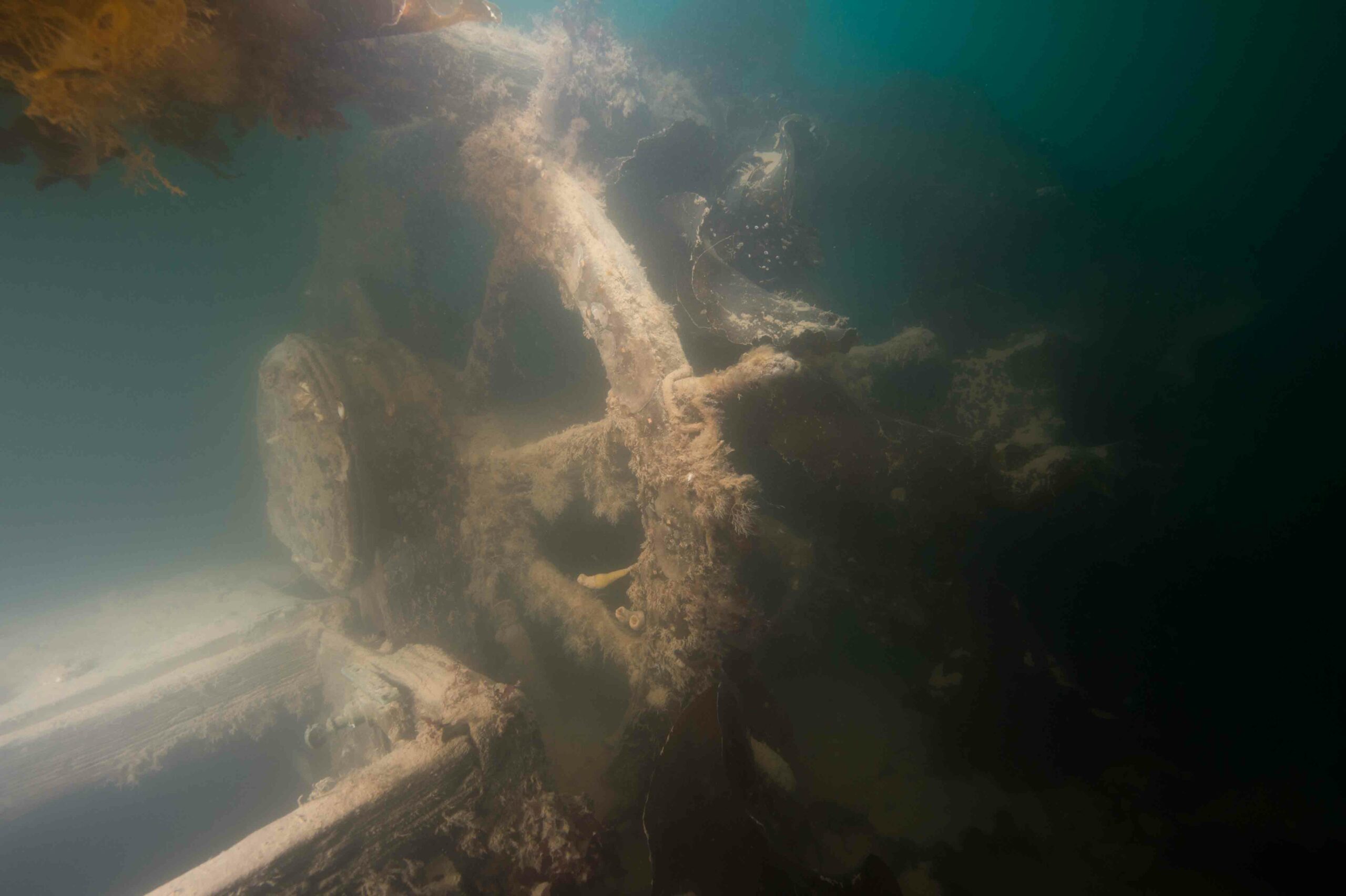
Franklin’s Last Voyage
After 170 years and countless searches, archaeologists have discovered a famed wreck in the frigid Arctic
More to Discover
Features May/June 2026
The Unexpected World of the Odyssey
Discovering the surprising inspirations behind Homer’s great tales of the Trojan War
-
Features May/June 2026
Pioneers of Lakefront Living
Why Neolithic and Bronze Age farmers in the Alps built their villages on stilts
 © APM/Frank Müller
 -
Features May/June 2026
The Last Maya Kingdom
On the shores of a lake in Guatemala, the Itzá people defied the Spanish for nearly 200 years
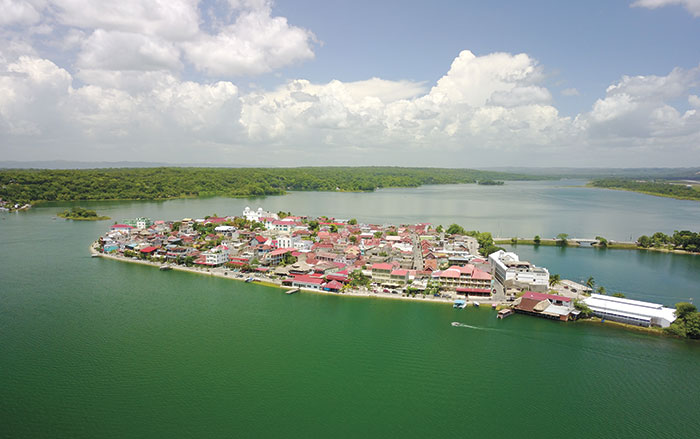 Courtesy Timothy Pugh/Itzá Archaeological Project
 -
Features May/June 2026
Art for the Ages
A surreal style of painting endured for 4,000 years in the canyonlands of West Texas
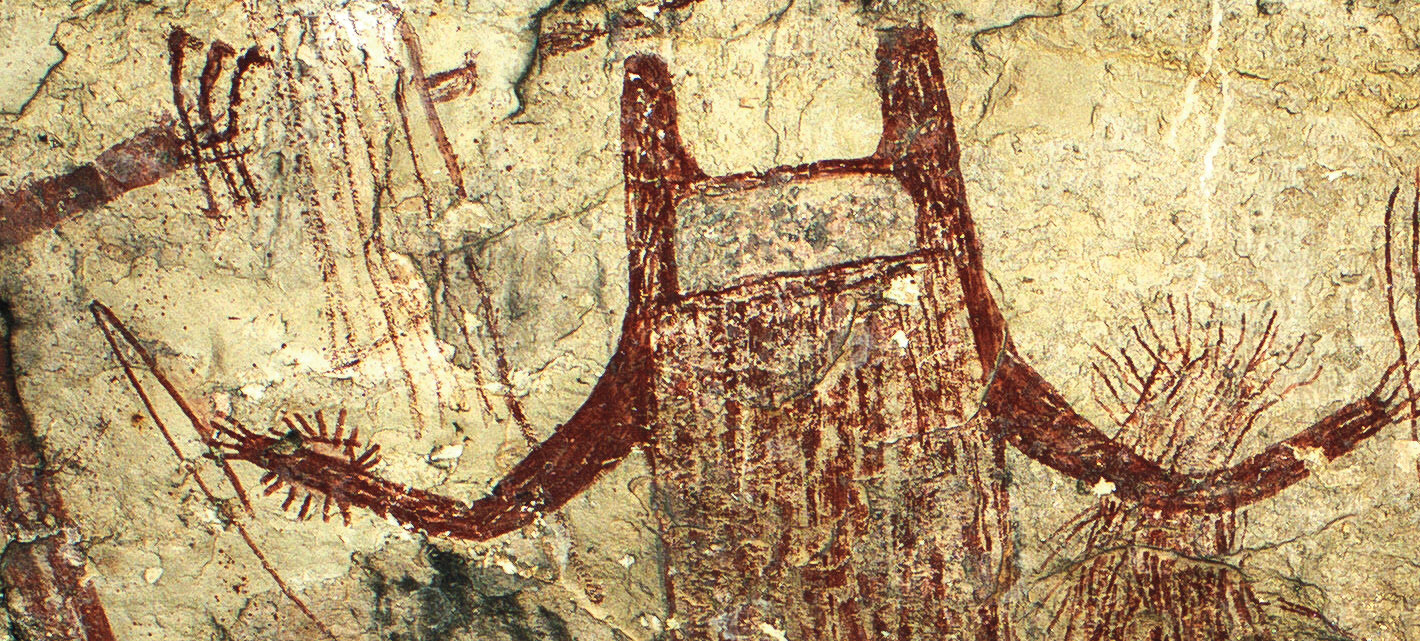 Shumla Archaeological Research and Education Center Archive
 -
Features May/June 2026
Bridge to the Past
The Yellow River brought both prosperity and calamity to China’s dazzling medieval capital
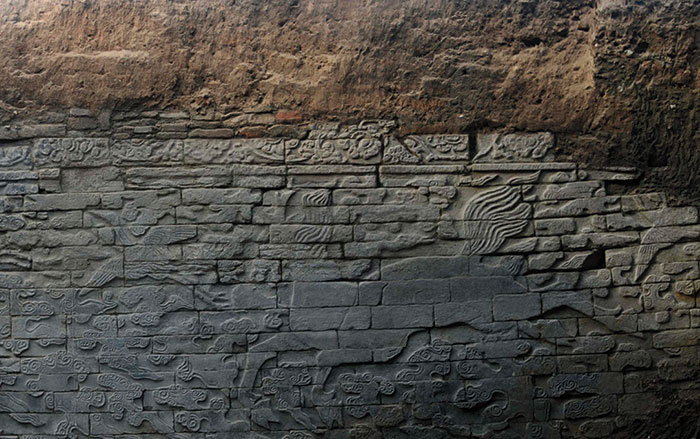 Henan Provincial Institute of Cultural Heritage and Archaeology