SHARE:
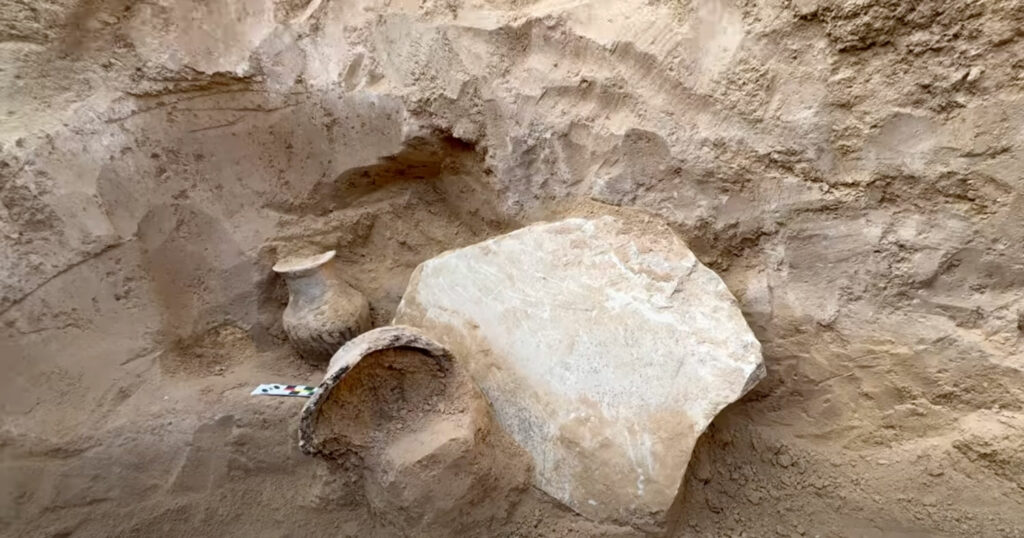
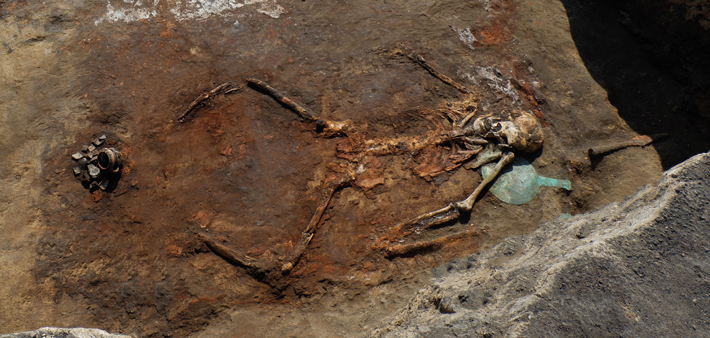
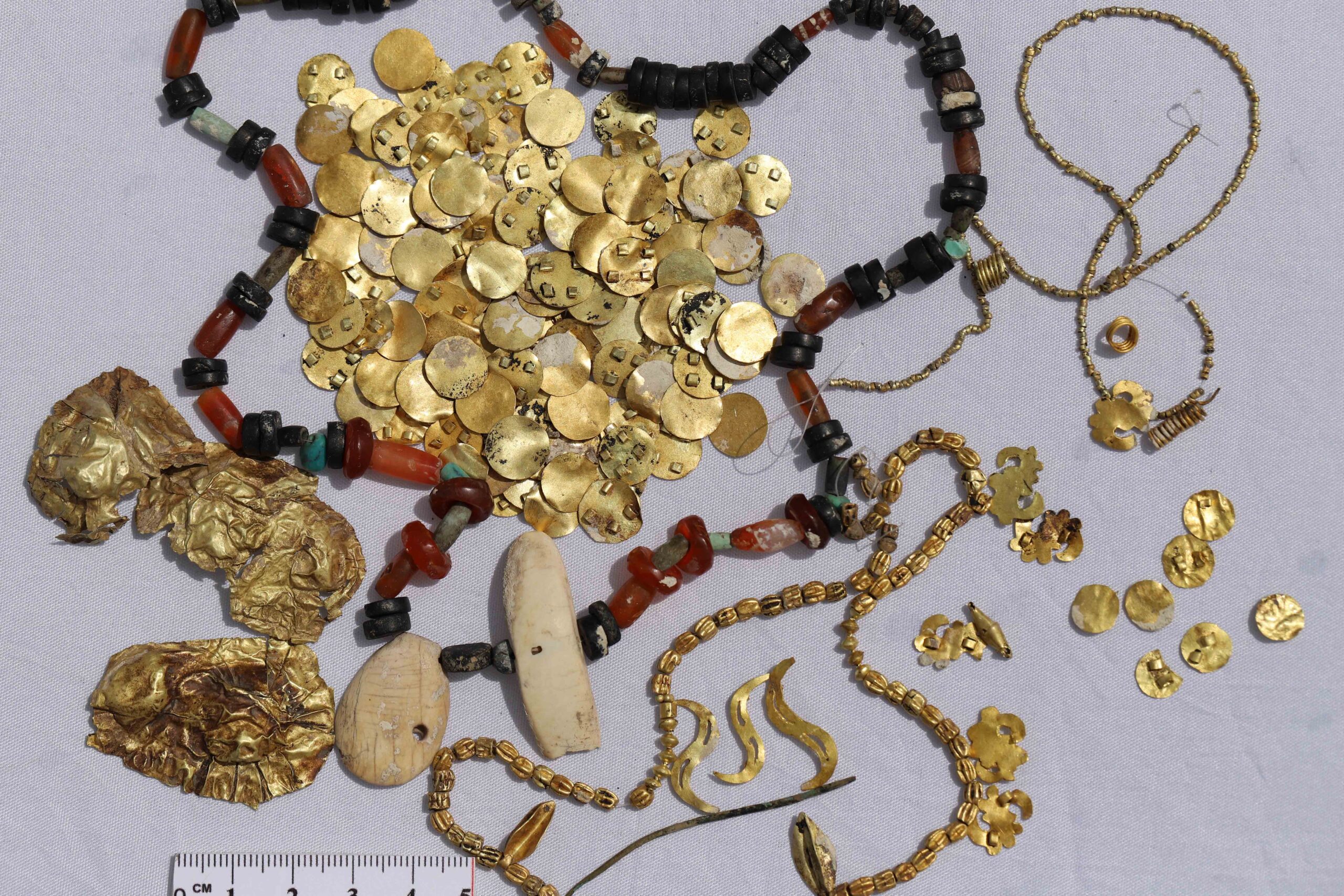
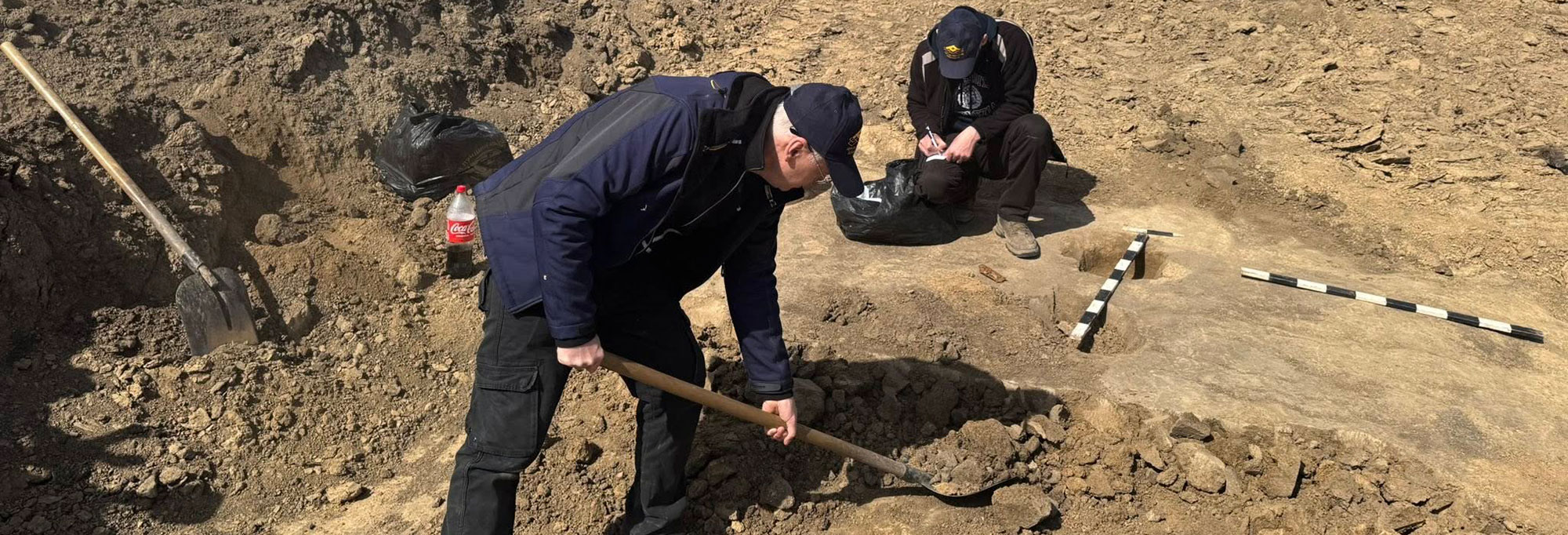
DNIESTER, MOLDOVA—According to a Moldpres report, a Scythian tomb dated to the third century B.C. has been discovered by archaeologists from Moldova’s National Archaeological Agency. The tomb, made up of an access shaft, a corridor, and a burial chamber, was found during rescue excavations in the necropolis at Gura Bacului in east Moldova. The burial contained ceramic vessels, arrowheads, beads, a sheathed knife, a censer, and worked stone that may have been used as an altar. Vlad Vornic of the National Archaeological Agency said that the ceramic censer is of a rare type and helped the researchers to date the tomb. For more, go to "Rites of the Scythians."